Table of Contents
- 1. Understanding Fixed-Price Contracts for Bathroom Projects
- 2. Why Material Cost Lock-In Protects Your Budget
- 3. Detailed Line-Item Pricing Breakdown Benefits
- 4. How Design-Build Streamlines Cost Certainty
- 5. Permitting and Compliance Costs: What’s Included Upfront
- 6. Change Order Management to Prevent Hidden Expenses
- 7. Warranty and Guarantee Coverage in Your Contract
- Frequently Asked Questions (FAQ)
1. Understanding Fixed-Price Contracts for Bathroom Projects
A fixed-price contract is your strongest defense against budget overruns. Instead of paying hourly rates or cost-plus pricing (where you cover expenses plus a percentage markup), a fixed-price agreement sets one total fee for your entire project before work begins.
Here’s what makes this different: with hourly or cost-plus models, a contractor has less incentive to work efficiently because they earn more the longer the job takes. With a fixed price, both you and the contractor are aligned on delivering the work within scope and on schedule.
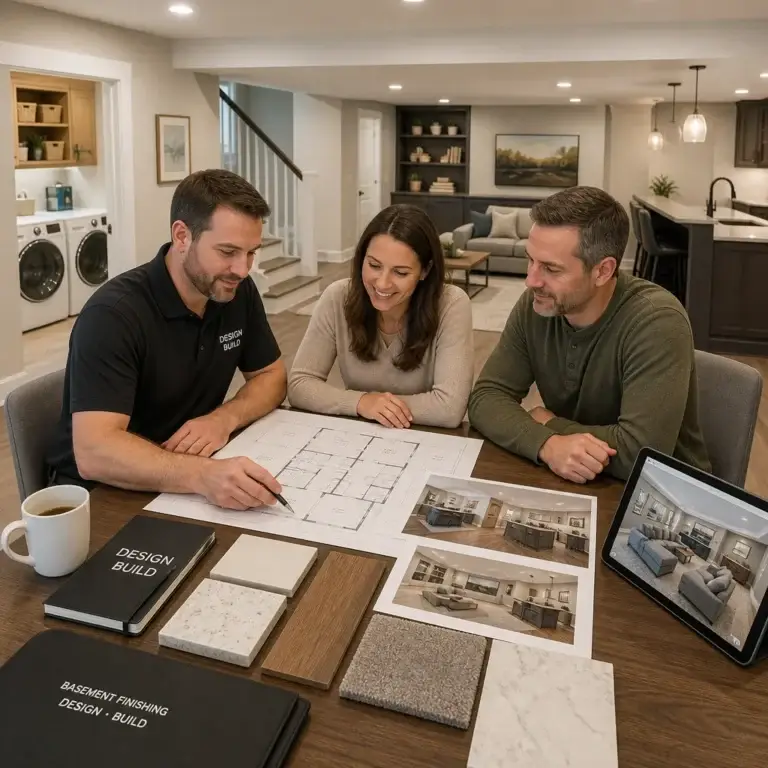
When we prepare a fixed-price bathroom remodel contract, we’ve already done the detailed planning. We’ve measured the space, selected materials, created the design, identified all required permits, and factored in labor costs and contingencies. The price you see is the price you pay, assuming the project stays within the agreed-upon scope.
The key phrase here is “within scope.” A fixed-price contract protects you from unforeseen costs only if change orders are managed carefully. More on that later.
What to do next: Ask any remodeling contractor you’re considering whether they offer fixed-price contracts for bathroom projects. If they hesitate or push back, that’s a red flag. We provide detailed fixed-price estimates for every bathroom remodel, kitchen renovation, and home addition we undertake.
2. Why Material Cost Lock-In Protects Your Budget
Material prices fluctuate. Tile, vanities, fixtures, plumbing supplies, and finishes can shift based on supply chain disruptions, seasonal demand, and market conditions. A contractor who doesn’t lock in material costs leaves you vulnerable to surprise invoices.
When we place material orders early in the project timeline, we secure pricing at that moment. Flooring tile ordered in January stays at January’s price even if market conditions shift by March. This lock-in is one of the most underestimated protections homeowners can get.
Not every contractor takes this step. Some wait to order materials closer to installation, hoping for better prices or avoiding storage costs. What they don’t mention is that you bear the risk of price increases. If material costs rise 10 percent mid-project, that comes out of their margin, and suddenly there’s pressure to cut corners or submit a change order request.
Here’s a concrete example: we recently completed a master bath renovation in Burke where marble countertops were specified. We ordered the marble within two weeks of contract signing. Three months later, during installation, the same marble had increased 15 percent due to supply constraints. Because we’d locked in the price upfront, our client paid the agreed amount. A contractor using different ordering practices would have asked for thousands more.
Our design-build approach includes material procurement as part of the planning phase. We know exactly what materials you’re getting, what they cost, and we’ve secured that pricing before your project breaks ground.
What to do next: Request a written confirmation that material pricing is locked in from the contract date. Ask which materials are included in the lock-in and for how long the pricing holds if project delays occur.
3. Detailed Line-Item Pricing Breakdown Benefits
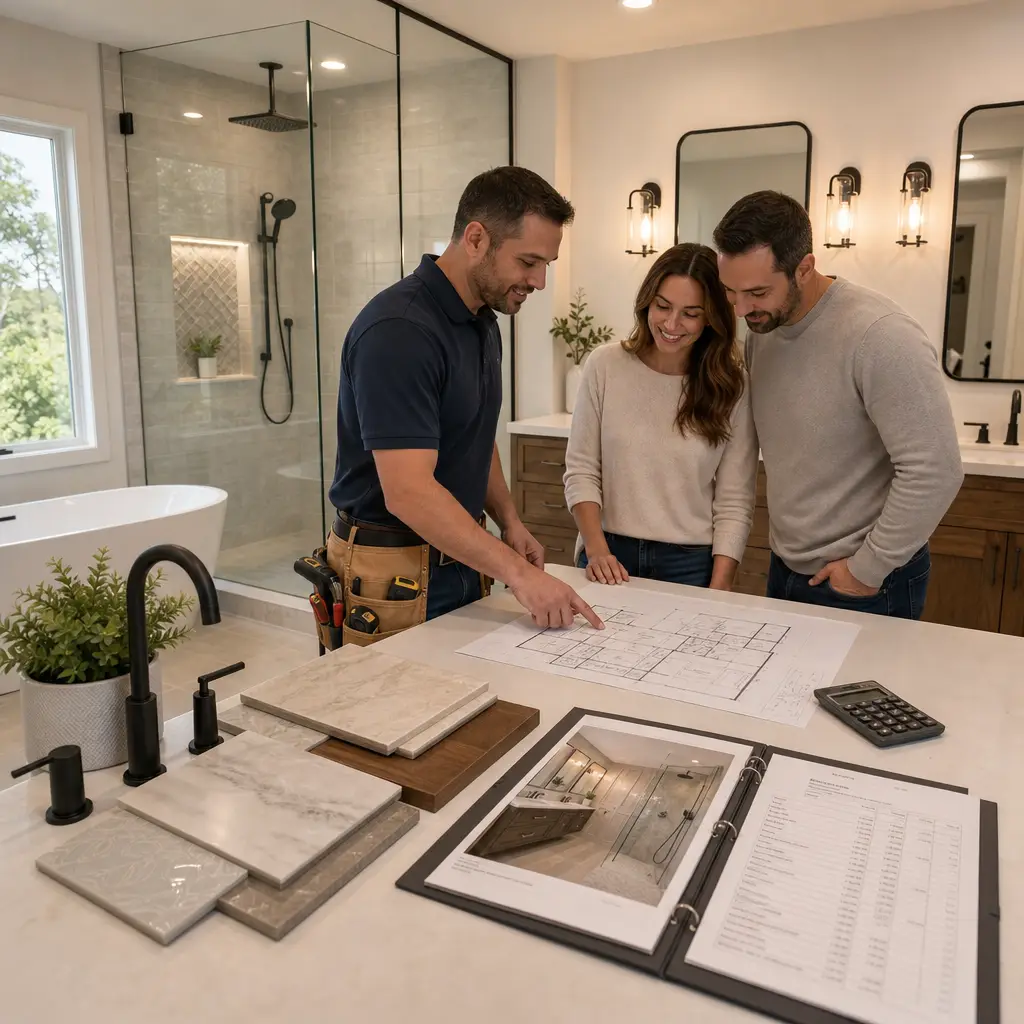
Generic estimates hide risk. When a contractor says “Master Bath Remodel: $45,000,” you have no clarity on what’s included, what might be extra, or where costs could balloon.
A detailed line-item breakdown itemizes every component. Demolition, framing, electrical work, plumbing, tile installation, fixture costs, labor for specific tasks, permits, inspection fees, drywall, painting, trim, hardware, and contingency reserve are all spelled out separately with individual costs.
This transparency serves multiple purposes. First, it lets you see exactly where your money goes. Second, it makes change orders straightforward. If you decide mid-project to upgrade from ceramic to porcelain tile, the pricing impact is immediately clear because the original tile line item is right there on the contract. Third, it reduces disputes. There’s no ambiguity about whether a particular task was supposed to be included.
We provide itemized estimates that typically run 3-4 pages for a bathroom remodel. Yes, it’s detailed. That detail is your protection.
When you review a line-item breakdown, look for specificity. “Tile work: $8,000” is vague. “Bathroom floor tile installation (porcelain, 12×24 format, specific grout type, labor and materials): $3,200. Bathroom wall tile installation (subway tile, specific grout, labor and materials): $2,800” is clear. You know what you’re paying for.
Many homeowners skip this step because detailed estimates feel overwhelming. Don’t. Spend an hour reviewing the breakdown before signing anything. Ask questions about line items you don’t understand. This is the conversation that prevents problems later.
What to do next: Request a line-item breakdown from any contractor you’re seriously considering. If they provide only a summary estimate, ask them to itemize it. Their willingness to detail their pricing reflects their confidence and transparency.
4. How Design-Build Streamlines Cost Certainty
The traditional remodeling model separates design from construction. You hire an architect or designer, they create plans, you bid those plans to multiple contractors, you select one, and construction begins. Each handoff introduces risk, miscommunication, and cost surprises.
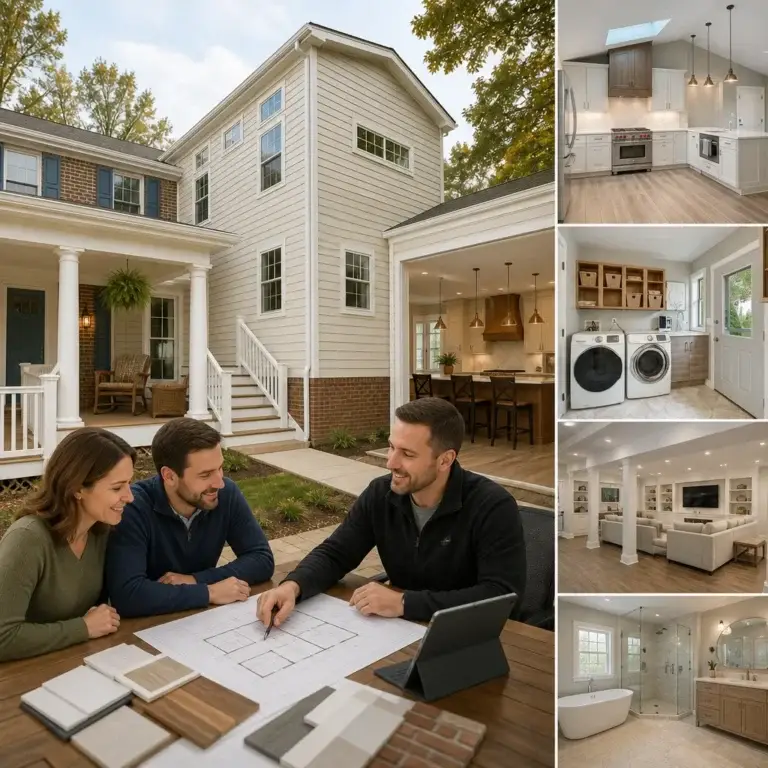
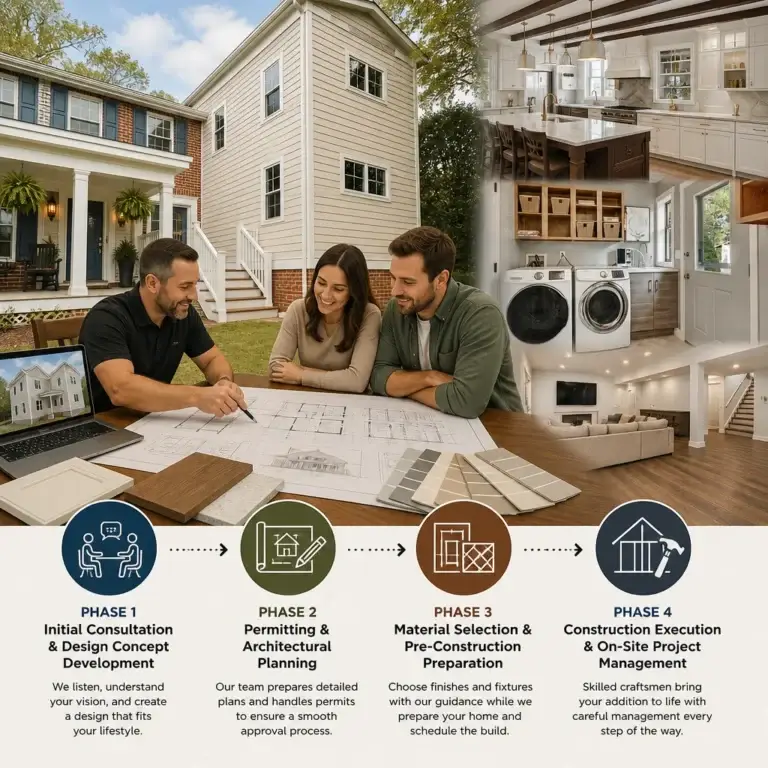
Design-build combines design and construction under one team. We handle the architecture, material selections, permit coordination, and construction management together. This integrated approach dramatically reduces cost uncertainty because the people who design the space are the same people who build it.
Here’s why this matters for pricing: during the design phase, we’re already considering constructability, material availability, and labor realities. We’re not creating beautiful designs that turn expensive when a contractor tries to build them. We design with pricing confidence built in because we know exactly how to execute what we’re designing.
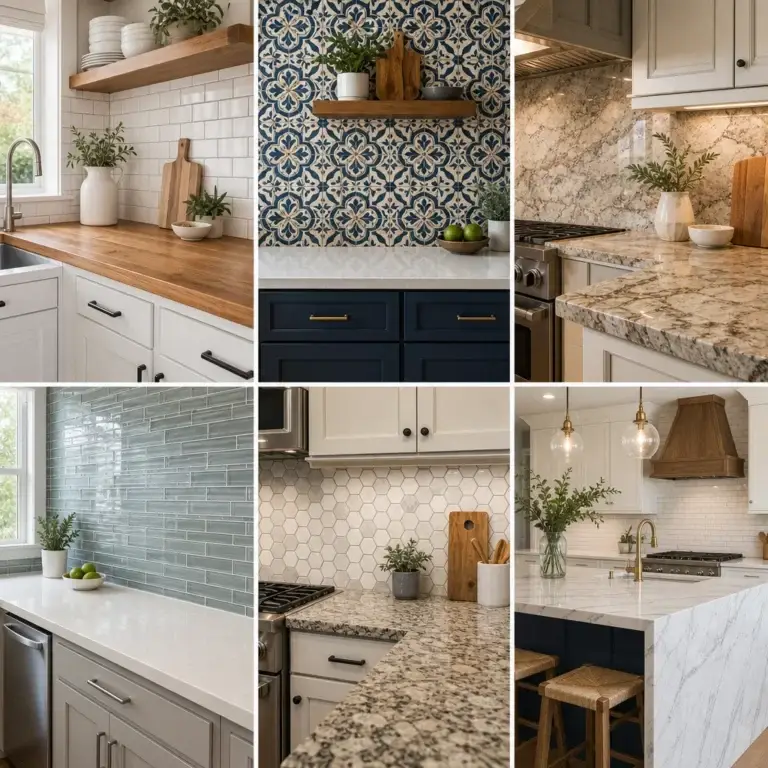
We also manage material selections. Rather than letting you get endless options from endless sources, we curate selections that balance aesthetic, durability, and cost. We know which tile suppliers deliver quality at fair pricing. We know which fixture brands offer the best value. This knowledge prevents decision paralysis and expensive choices made without understanding their budget impact.
Another advantage: because we’re controlling the entire process, we catch conflicts early. An architect designing independently might not realize that a particular layout makes plumbing significantly more expensive. We identify those issues during design and solve them before they become construction problems and cost increases.
Our clients appreciate this streamlined approach. One homeowner in Springfield recently told us the process felt less overwhelming than she expected, and she saved time on endless decision-making because our team guided her toward selections that aligned with her budget and style.
What to do next: Interview design-build contractors specifically. Ask how their team coordinates between design and construction. Ask for examples of how design decisions influenced final costs. Our team brings architectural expertise and construction experience to every project, ensuring you get a beautiful bathroom you can afford.
5. Permitting and Compliance Costs: What’s Included Upfront

Permits and inspections cost money and take time, yet many homeowners don’t understand these expenses until they’re surprised by them mid-project. Bathroom remodels in Annandale require permits for electrical, plumbing, and mechanical work. Fairfax County has specific building codes and inspection requirements.
We include all permitting costs and fees in our fixed-price contract. No surprises. No “by the way, the county inspection fee is $800 more than we estimated.”
Contractors who price permits vaguely (“permits and inspections: approximate cost”) are setting themselves up to request change orders or are underpricing upfront knowing they’ll make margin adjustments later. We’ve done enough bathroom remodels in Annandale and the surrounding Fairfax County communities to know exactly what permits cost for your specific project scope.
Here’s what’s typically included in permitting for a bathroom remodel: building permit, electrical permit, plumbing permit, mechanical permit (if HVAC changes are made), permit application fees, and inspection fees. We handle all the paperwork and coordination with the county. You don’t have to navigate the permit process yourself or wonder if we’re missing something.
Beyond costs, there’s the schedule impact. Permits can take 1-2 weeks to issue. Inspections must happen at specific stages. If your contractor hasn’t built these timelines into the project schedule, you get delays that feel like surprises. Because we manage permitting as part of our design-build process, we’ve already anticipated these timelines in our project schedule.
When homeowners see our permit line items clearly listed in the contract, they feel relieved. They know permitting won’t derail their budget or timeline.
What to do next: Ask prospective contractors to itemize permit and inspection costs separately. If they estimate these as a single vague line item, ask them to break it down by permit type and county fees. This clarity prevents last-minute surprises.
6. Change Order Management to Prevent Hidden Expenses
Even with the best planning, changes happen. You might decide mid-project to upgrade fixtures, expand the scope slightly, or address an unforeseen condition revealed during demolition. The way change orders are handled makes the difference between a minor budget adjustment and a cost crisis.
We use formal change order requests. When you want to change something, we provide a written request that details the change, its cost, and its impact on timeline. You review it, approve it, and we proceed. This process is documented and transparent.
Many contractors handle changes informally. “Yeah, we can add that,” they say on a call. Then it appears on the final invoice without the context you need to evaluate whether it was necessary or fairly priced. With formal change orders, you’re never blindsided.
The best protection against excessive change orders is a thorough design process upfront. If we’ve done our job during the design phase, you won’t need many changes. You’ll know exactly what you’re getting before construction starts. Design-build contractors like us have an incentive to do the design right because we’ll be living with that design decision during construction.
Two types of changes are legitimate. First, true value-adds. You see the space taking shape and decide you want a heated towel rack that wasn’t in the original plan. We provide a change order, you approve it, you understand the cost, and we move forward. Second, unforeseen conditions. We open up a wall and find structural issues, plumbing problems, or code violations from an earlier renovation. These legitimately require changes. We document them, explain the options and costs, and let you decide how to proceed.
The change orders we issue include a clear explanation of the work, material costs if applicable, labor hours estimated, and the total. You’re not left guessing about how we arrived at the price.
What to do next: Before signing any contract, ask the contractor about their change order process. Request a copy of their change order form. Understand that changes will be documented in writing, not handled verbally. This protects both you and the contractor.
7. Warranty and Guarantee Coverage in Your Contract

Your contract should specify what we guarantee and for how long. Workmanship, materials, and specific components should all be covered under warranty terms.
We guarantee our workmanship for one year from completion. Any defects in our work during that period are our responsibility to fix at no cost to you. Material defects are covered under manufacturers’ warranties, which we coordinate and explain to you. We handle the claim process if something fails.
Some components carry longer warranties. Fixtures and appliances might have multi-year manufacturer warranties. These are detailed in your contract so you understand what’s covered and how long.
Beyond the standard one-year period, certain structural and major system work carries extended guarantees. If we install new plumbing or electrical systems, those meet code and come with appropriate professional backing. We stand behind that work.
What doesn’t go wrong with most bathroom remodels? Rarely anything, if the work is done right. But the possibility exists that a fixture fails, grout cracks, or a plumbing joint develops an issue. Your warranty and guarantee coverage ensures that if something goes wrong through no fault of your own, you’re protected. You’re not left paying out of pocket or dealing with a contractor who’s moved on to the next job.
Many homeowners overlook warranty terms because they’re optimistic that nothing will go wrong. That’s usually true. But the presence of strong warranty language in your contract signals that the contractor stands behind their work with confidence. If a contractor avoids warranty discussions or offers minimal coverage, that’s concerning.
What to do next: Before signing, review the warranty section of your contract carefully. Ask how defects are reported, how long you have to report issues, and what the process is for warranty service. Ensure warranty coverage is in writing, not a verbal promise.
For further reading: Kitchen remodeling design-build.
Contact us Today For a Free Estimate !
Frequently Asked Questions (FAQ)
How does Elite Contractors Services lock in bathroom remodel pricing before work begins?
We provide detailed upfront contracts that specify all labor, materials, and fees before any construction starts. Our design-build process means we handle architectural planning, material selections, and permitting coordination as one team, which allows us to give you accurate, fixed pricing based on your exact specifications and timeline. We also lock in material costs at the time of your contract to protect you from market fluctuations during your project.
What happens if we need changes during our bathroom renovation?
We manage all changes through a formal change order process, so you know exactly what any modification will cost before we proceed. This keeps surprises off the table and maintains transparency throughout your project. You control whether to approve, adjust, or decline any proposed changes without affecting your original locked-in price for the rest of the work.
Are permitting fees and compliance costs included in our quoted bathroom remodel price?
Yes, we include permitting, inspections, and code compliance costs in our upfront pricing so you have complete budget certainty. Our team coordinates all required permits and ensures your bathroom meets Northern Virginia building codes without unexpected fees appearing later. You’ll see these costs clearly itemized in your contract before we begin work.