Table of Contents
- The Hidden Costs of DIY Renovation Coordination in Northern Virginia
- Why Traditional Contractor Models Fall Short for Complex Projects
- How Design-Build Project Management Transforms Your Renovation Experience
- Our Integrated Approach: Design, Planning, and Construction as One Team
- Kitchen Remodeling and Home Additions Done Right the First Time
- Basement Finishing and ADU Construction with Professional Oversight
- Clear Contracts and Transparent Pricing From Day One
- On-Time, On-Budget Delivery: What Professional Management Delivers
- The Value of Local Expertise Serving Fairfax County and Beyond
- Your Next Step: From Vision to Completion With Elite Contractors Services
- Frequently Asked Questions (FAQ)
The Hidden Costs of DIY Renovation Coordination in Northern Virginia
Renovating your Northern Virginia home is one of the biggest decisions you’ll make as a homeowner. Whether you’re adding square footage for a growing family, modernizing an outdated kitchen, or creating flexible living space, the stakes are high: your comfort, your investment, and your peace of mind all hang in the balance.
The difference between a smooth renovation and a stressful one rarely comes down to the quality of materials or the skill of individual tradespeople. It comes down to project management and coordination. When a single experienced team oversees every phase from design through construction, homeowners enjoy clarity, accountability, and results that meet both timeline and budget expectations.
We work with homeowners throughout Fairfax County and Northern Virginia who’ve learned this lesson the hard way. Some tried to manage contractors independently. Others hired separate designers, architects, and builders and found themselves caught in the middle of miscommunications and finger-pointing. Those who choose our design-build approach from the start report a fundamentally different experience: less stress, clearer communication, and homes that reflect their vision without the drama.
This article walks you through why professional project management matters for complex renovations, how design-build services work, and what sets a truly integrated team apart.
Many homeowners start with the assumption that managing their own renovation will save money. They’ll hire a designer, then find contractors, get bids, and oversee the work themselves. This approach sounds simple in theory but reveals hidden costs and complications that often exceed what a professional project manager charges.
The first hidden cost is your time. Coordinating a renovation requires constant decision-making, site visits, contractor callbacks, and problem-solving. A homeowner managing their own project typically spends five to fifteen hours per week on coordination tasks. Over a six-month renovation, that’s hundreds of hours pulled from work, family, or rest. The stress compounds when you lack the contractor relationships and industry knowledge to resolve conflicts quickly.
The second cost is the permit and code complexity unique to Northern Virginia. Fairfax County, Arlington, Falls Church, and other jurisdictions have specific requirements for additions, electrical work, plumbing, and structural changes. A homeowner unfamiliar with local code enforcement can miss critical details, leading to failed inspections, costly rework, and project delays. Professional teams familiar with local officials and requirements navigate these hurdles without added friction.
The third cost is material and labor inefficiency. When a designer specifies materials without consulting the builder, or when a builder suggests changes after design is final, you’re paying for revisions and coordination time. Multiple contractors working without a unified schedule often wait for each other, creating gaps and overlapping work that extends the timeline and increases overhead costs.
Budget overruns represent the fourth and often largest hidden cost. Homeowners coordinating independently frequently discover unforeseen issues during demolition, approve scope creep without written change orders, or hire contractors who underestimated the work. Studies show DIY-coordinated renovations run 10-20% over budget on average, while professionally managed projects typically stay within 5% of the original estimate.
The stress and relationship strain form a fifth cost that’s harder to quantify but deeply felt. When problems arise during construction, DIY coordinators often find themselves managing conflict between contractors, architects, and inspectors without the experience to resolve issues fairly and quickly. This adds tension to an already stressful process.
Actionable takeaway: If you’re considering managing contractors independently, calculate your hourly value and multiply it by the estimated hours you’ll spend on coordination. Add a 10-20% contingency to your budget for unexpected overruns. Compare that to the cost of hiring a professional project manager or design-build team. You may find that professional management pays for itself.
Why Traditional Contractor Models Fall Short for Complex Projects
The traditional renovation model breaks the work into separate pieces: an architect or designer creates plans, the homeowner gets bids from multiple contractors, and a single builder oversees construction. This model works adequately for straightforward work like painting or roof replacement. For complex projects, it creates predictable problems.
The design-first approach often overlooks constructability. A designer may specify a beautiful layout or material combination without fully considering how the builder will execute it, what it will cost, or whether it creates hidden structural complications. The contractor discovers these issues during construction and either works around them (compromising the design) or requests a change order (delaying the project and increasing costs).
Multiple bidders mean multiple interpretations of the scope. When three contractors bid on the same set of plans, they may each interpret what’s included differently. One bid might exclude site cleanup; another might not include allowances for window selection. The lowest bid often wins, but the homeowner later discovers it doesn’t include critical elements, forcing uncomfortable renegotiations.
Communication breaks down at the handoff between design and construction. The architect doesn’t oversee the build, so they’re not present when questions arise about their intent. The contractor implements solutions based on their interpretation rather than the designer’s vision. The homeowner becomes the messenger between two teams with different priorities and no shared accountability.
Schedule coordination suffers when multiple parties work independently. A designer might submit plans late, causing the contractor to delay material orders. The builder might discover they need to rearrange the sequencing mid-project. Without an integrated timeline and single point of accountability, delays cascade.
Cost certainty disappears. The homeowner receives a construction bid based on incomplete information, leading to change orders. The designer’s fees, the contractor’s fees, and contingencies are separate line items with no relationship between them. The homeowner ends up paying more overall because individual players aren’t incentivized to coordinate efficiently.
Actionable takeaway: When evaluating contractors, ask whether they offer design-build services or whether you’ll manage multiple vendors independently. If you must hire separately, request a detailed scope of work, written change order procedures, and a single point of contact responsible for coordinating the design and construction teams.
How Design-Build Project Management Transforms Your Renovation Experience
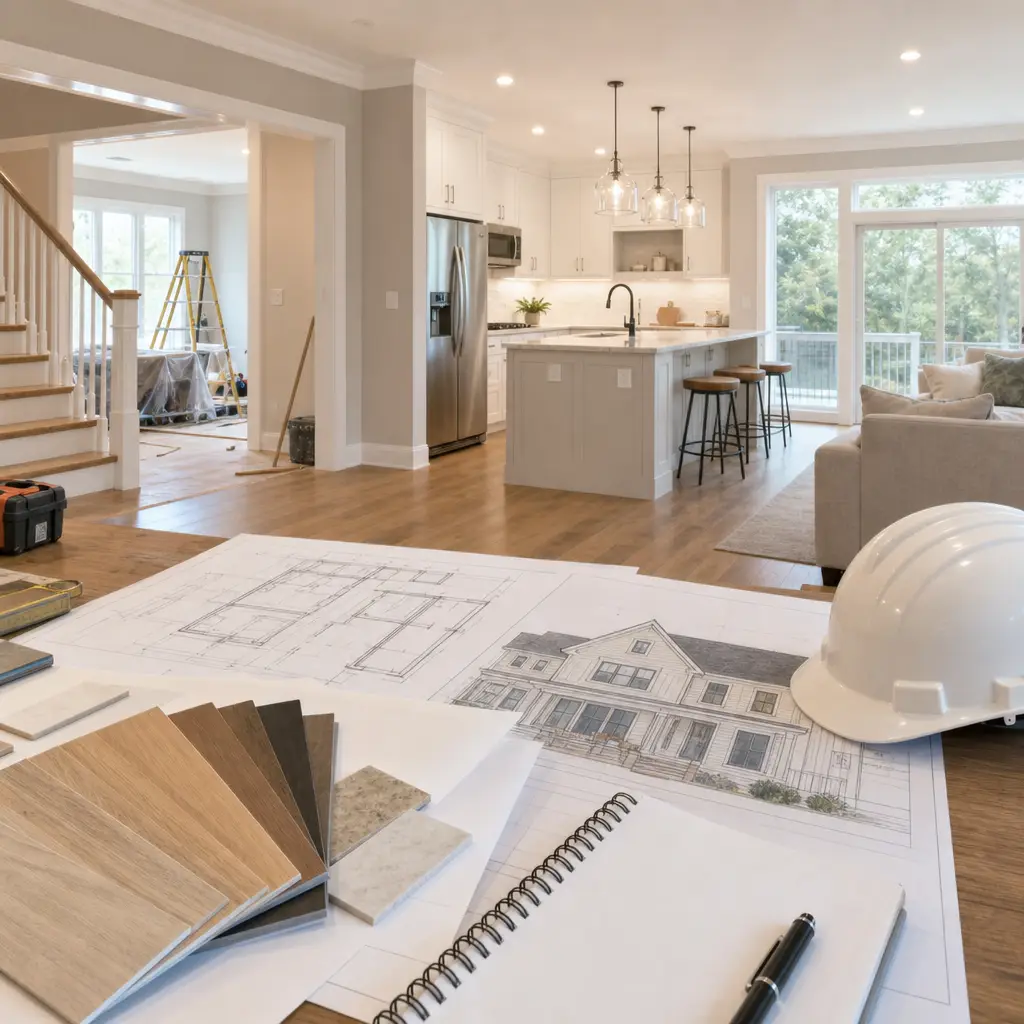
Our design-build approach unifies design, planning, and construction under one accountable team. This integration eliminates the friction points that plague traditional renovations and delivers what homeowners actually need: a clear vision, a realistic timeline, and predictable cost.
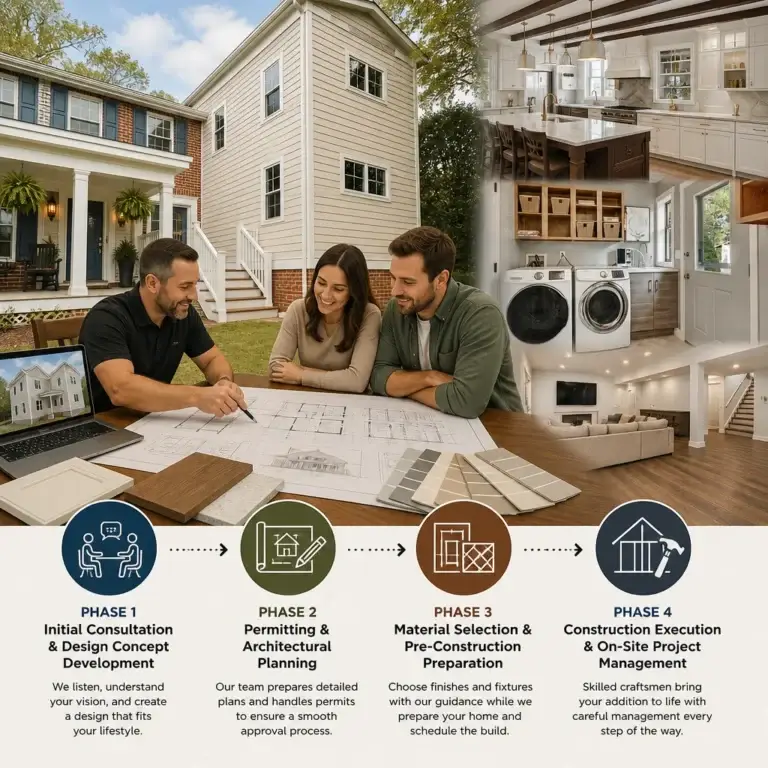
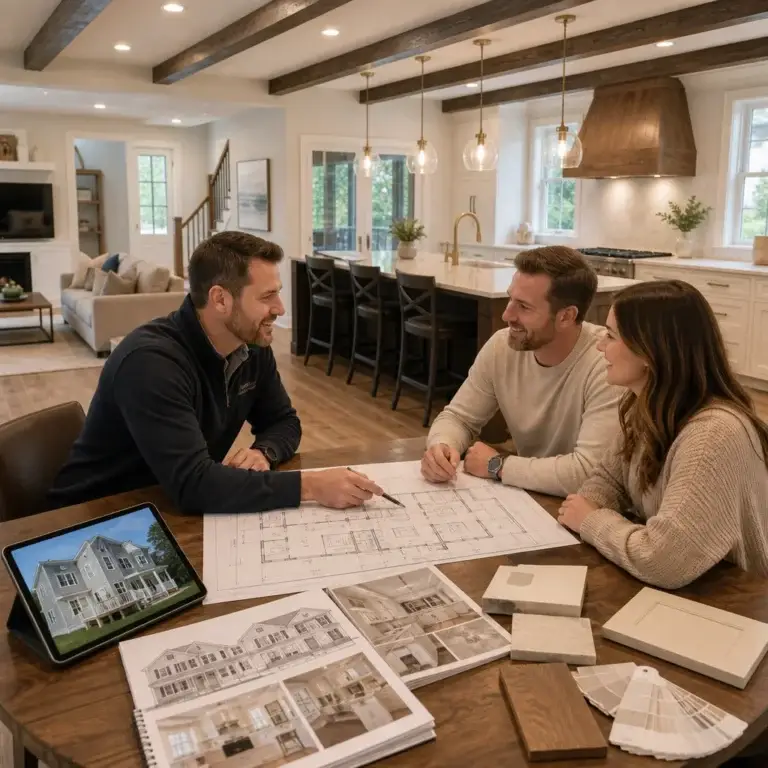
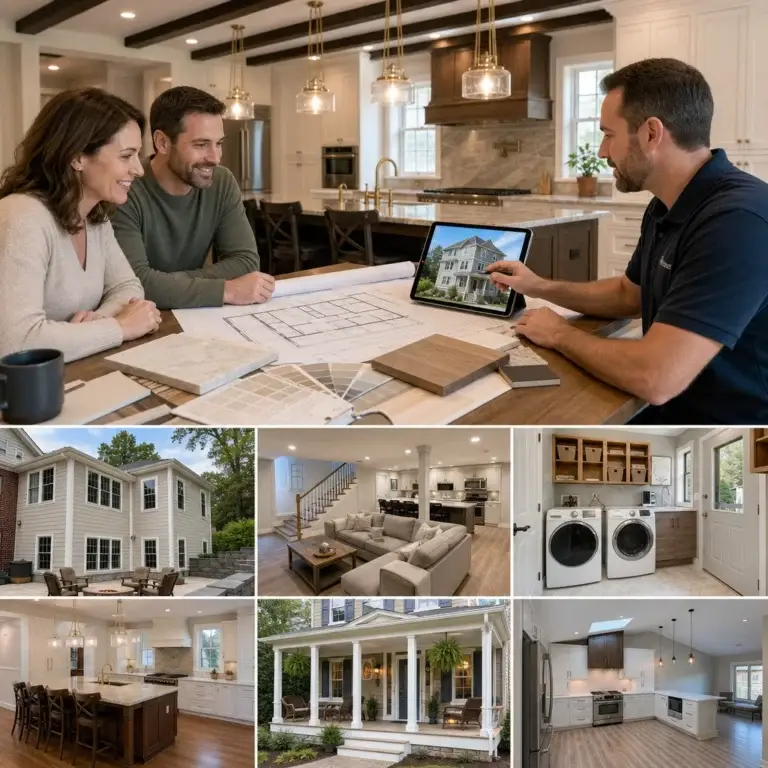
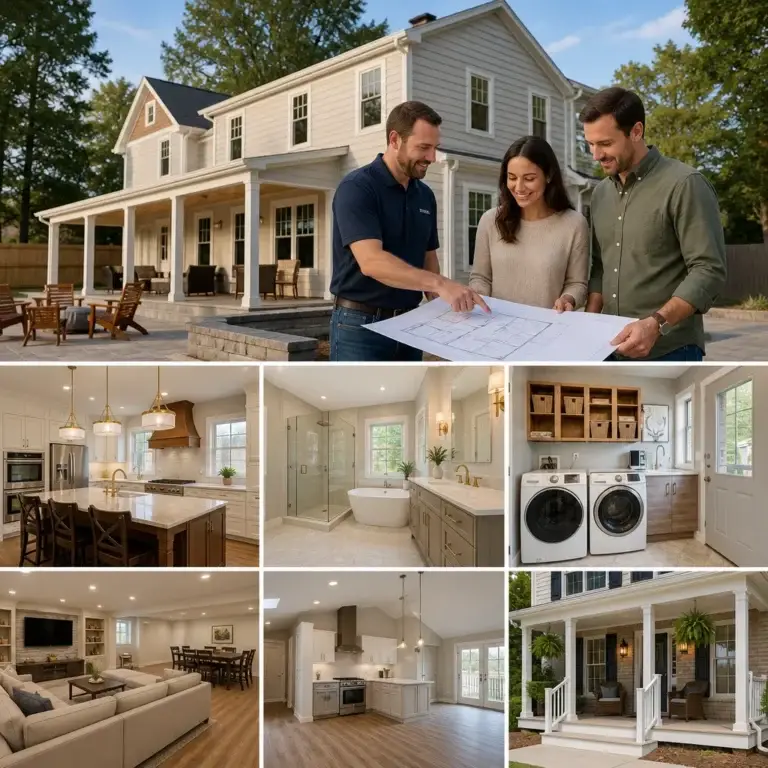
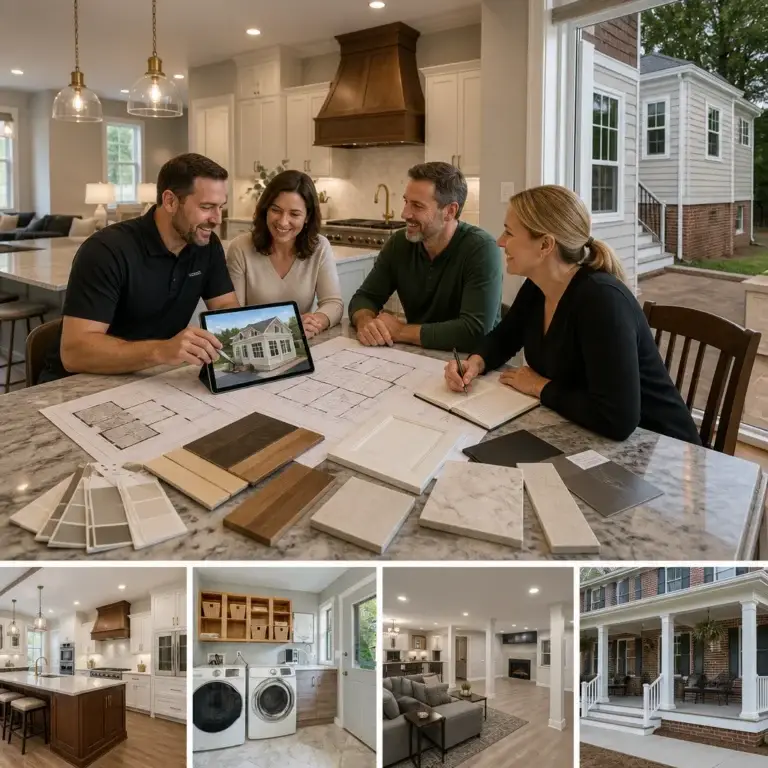
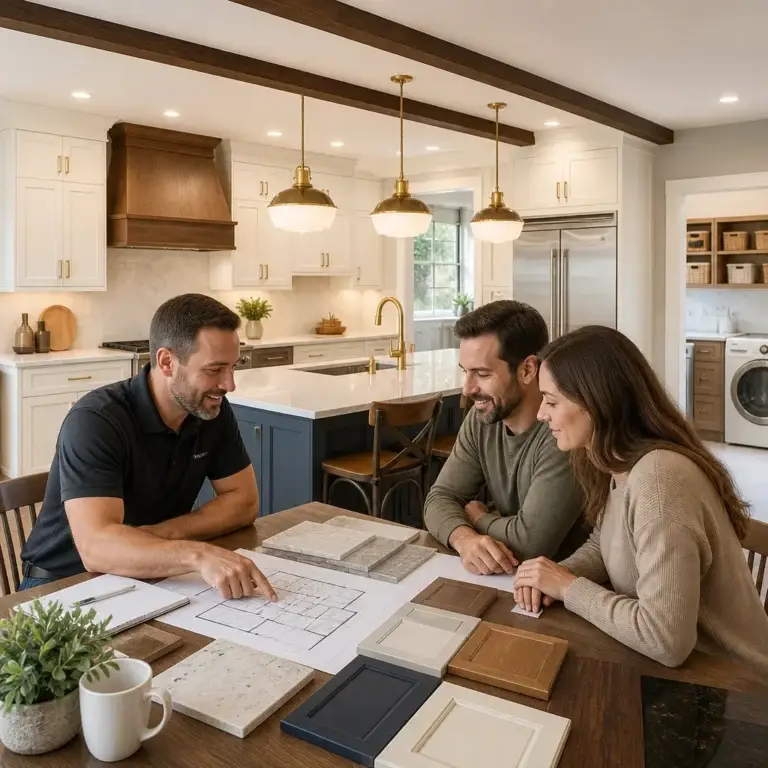
The process starts with discovery and vision alignment. We spend time understanding your lifestyle, your priorities, and your budget constraints. Rather than handing over a list of wants to a designer who works in isolation, we engage in collaborative conversations that shape preliminary designs. Our team includes architects, designers, and builders working in the same room, so design decisions factor in constructability and cost from the beginning.
This integrated approach means we don’t design something that’s beautiful but expensive or difficult to build. When a designer proposes a layout, the builder immediately considers structural requirements, code compliance, and material costs. If a design choice adds significant expense, we discuss alternatives together and present them to you with clear trade-offs. You get informed decisions, not surprises.
Planning becomes comprehensive and realistic. Rather than a designer submitting plans and hoping the contractor can execute them, our team develops a detailed construction sequence that anticipates dependencies, material deliveries, and inspection schedules. This level of planning prevents the delays and inefficiencies that plague traditionally coordinated projects.
Quality control improves because a single team owns the entire outcome. If there’s a discrepancy between the design and construction, the same people who designed it are there to resolve it immediately. There’s no finger-pointing between the architect’s intent and the contractor’s interpretation. Quality standards apply consistently across all phases.
Communication flows through a single project manager who understands both design and construction. You have one primary contact who can answer questions about design decisions, construction timelines, permits, and budgets. This person isn’t translating between design and construction teams; they’re orchestrating the two disciplines they understand deeply.
Actionable takeaway: Before choosing a contractor or design-build team, ask how they integrate design and construction decisions. Request a sample project timeline showing how design, permitting, procurement, and construction phases overlap. The best teams coordinate these phases to minimize delays rather than treating them as sequential.
Our Integrated Approach: Design, Planning, and Construction as One Team
We structure our design-build process to address the needs that matter most to homeowners: clarity about cost, certainty about timing, and confidence in quality.
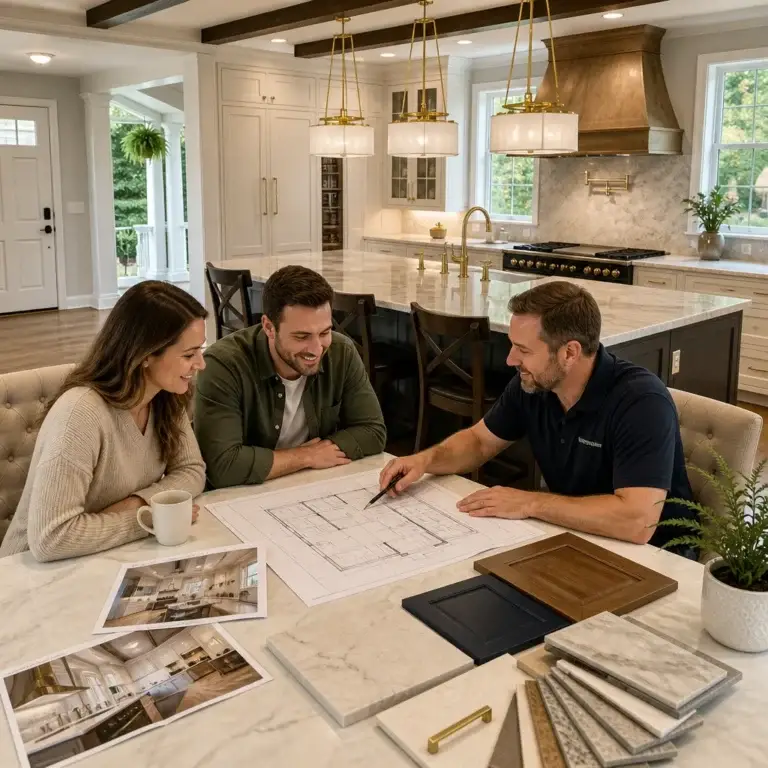
Discovery and Scope Definition. We begin with detailed conversations about how you live in your home, what frustrates you about the current layout, and what you’re hoping to achieve. This becomes the foundation for every decision downstream. We tour your home, ask questions about your routines, and understand your constraints. We discuss budget ranges, desired timelines, and priorities. Some homeowners prioritize modern aesthetics; others prioritize functionality. We listen carefully so our design reflects your values, not generic trends.
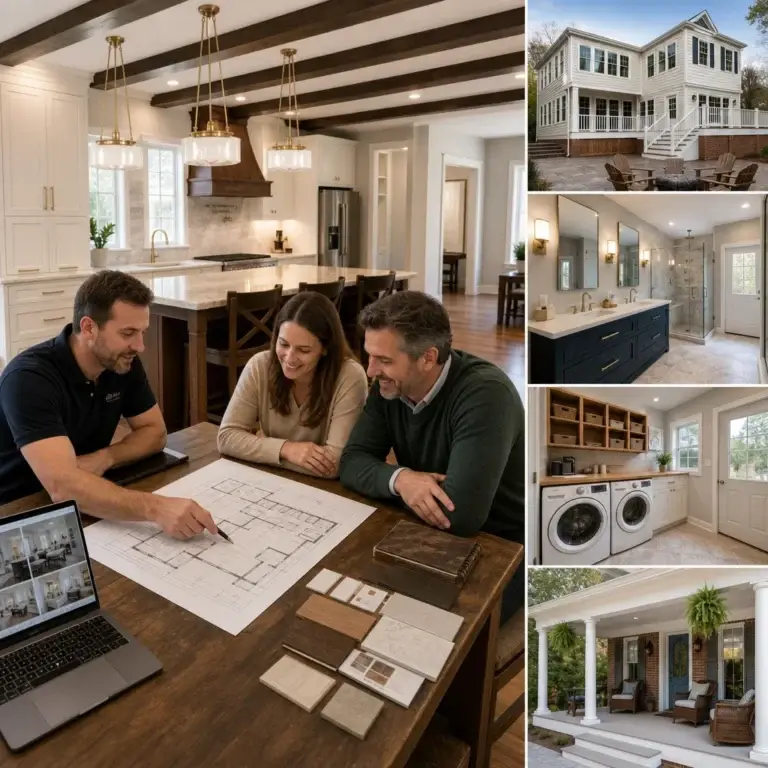
Integrated Design Development. Our architects and builders collaborate on preliminary designs. The architect sketches layouts and explores possibilities; the builder immediately weighs constructability and cost implications. We create detailed preliminary drawings that show floor plans, elevations, and material selections. This phase typically includes two to three design iterations. Critically, these drawings reflect input from our construction team, so they’re not just beautiful on paper; they’re actually buildable within your budget.
Detailed Project Planning. Once design is approved, we develop a comprehensive project plan. This includes a detailed construction sequence, material procurement timeline, permit requirements, inspection schedules, and resource allocation. We identify potential bottlenecks and plan to avoid them. This planning prevents the schedule delays that plague independently coordinated projects.
Clear Contracts and Transparent Budgeting. We provide a single, detailed contract that covers design, permits, and construction. The contract includes a comprehensive scope of work, a line-item budget, a detailed timeline, and clear change order procedures. You know exactly what’s included, what it costs, and when you can expect completion. There are no separate invoices from the designer, the engineer, and the builder; you manage one agreement with one team.
Single Point of Accountability. A dedicated project manager oversees every phase. This person coordinates with architects, builders, suppliers, and inspectors. They manage your expectations, communicate proactively about challenges, and solve problems quickly. You have one professional contact who understands both the vision and the execution.
Actionable takeaway: When interviewing design-build teams, ask to see a sample project contract and timeline. Request references from recent clients and ask specifically about how the team handled unexpected issues and whether the project stayed on schedule and budget.
Kitchen Remodeling and Home Additions Done Right the First Time
Kitchens and room additions rank among the highest-value renovations for Northern Virginia homeowners. They also represent the most complex coordination challenges because they typically involve structural changes, mechanical system upgrades, and heavy reliance on early design decisions.
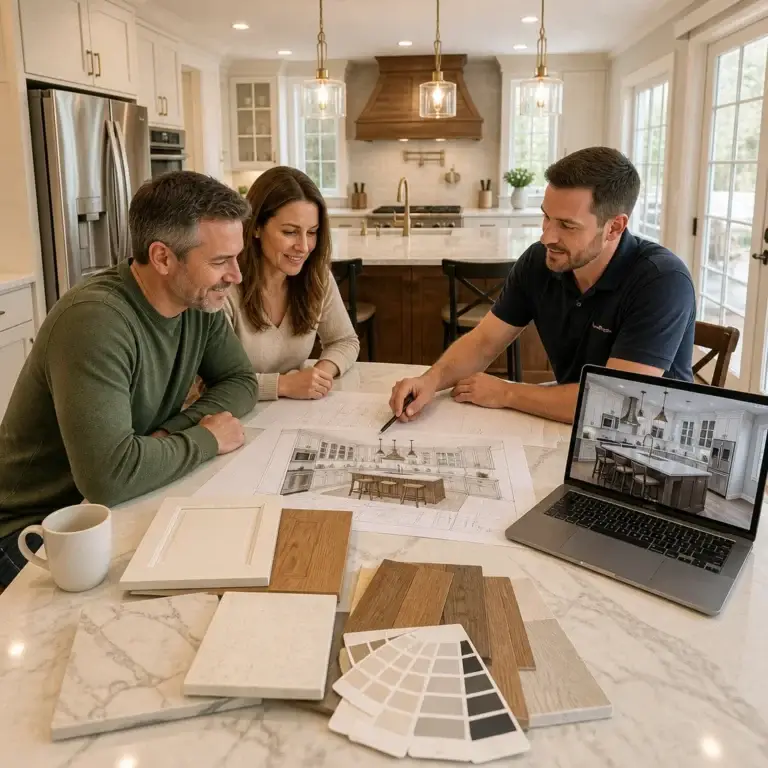
Kitchen remodeling often requires electrical panel upgrades, gas line relocation, plumbing rework, and HVAC adjustments. If these systems aren’t coordinated with the layout design from the start, they become expensive afterthoughts. Our design-build process ensures that before we finalize your cabinet and countertop layout, we’ve already verified utility locations, planned mechanical routing, and confirmed that the design is both beautiful and functionally sound.
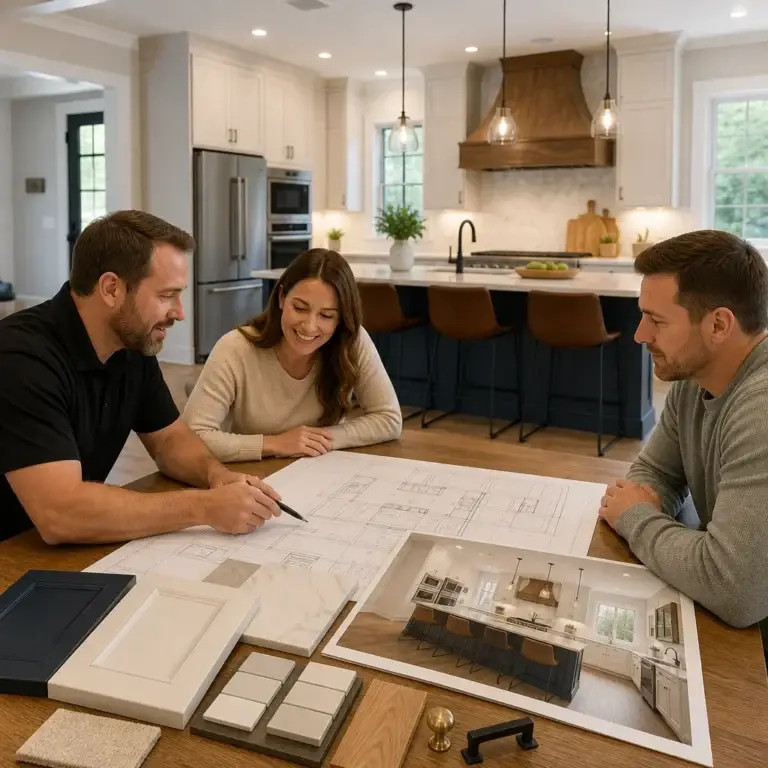
The material selection process also benefits from integrated planning. Rather than a designer specifying high-end cabinetry without understanding construction implications, or a builder recommending budget alternatives without consulting the design vision, our team discusses trade-offs together. You might choose premium cabinetry with standard countertops, or vice versa. We present options with clear cost implications so you can allocate your budget strategically.
Home additions demand structural planning, foundation design, roofing integration, and careful management of the existing home’s systems. When design and construction teams work together from the start, we avoid costly structural surprises during demolition. We plan how the new addition ties into the existing roof, how mechanical systems extend, and how the exterior appearance integrates with your home’s existing character.
The permit process for kitchens and additions in Fairfax County requires detailed drawings, engineer stamps for structural work, and coordination with local building officials. Our familiarity with Fairfax County’s process means we submit complete applications the first time, reducing approval delays. We know which decisions trigger additional inspections and plan accordingly.
Actionable takeaway: For kitchen or addition projects, insist on a full structural analysis and mechanical planning before final design approval. Ask your contractor to show you how utilities will be routed and confirm that the design doesn’t create code violations or accessibility issues.
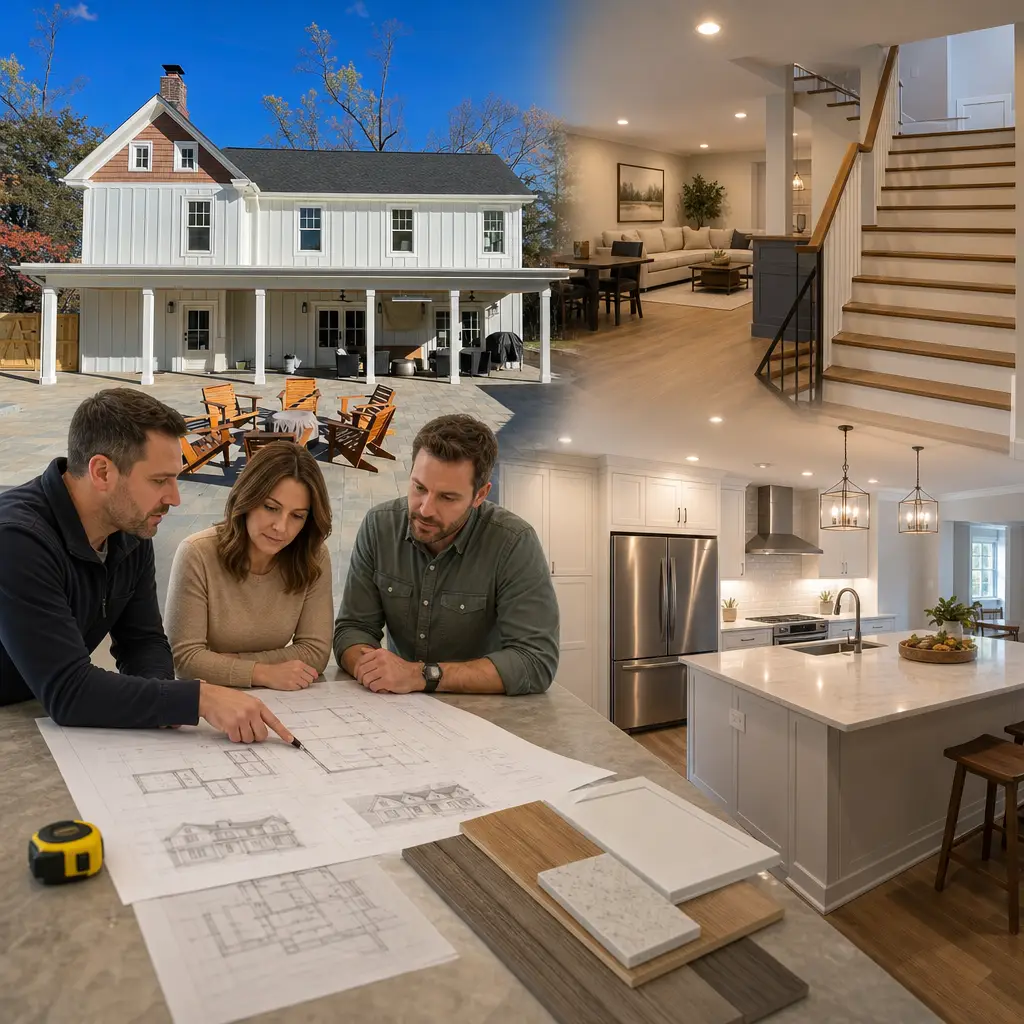
Basement Finishing and ADU Construction with Professional Oversight
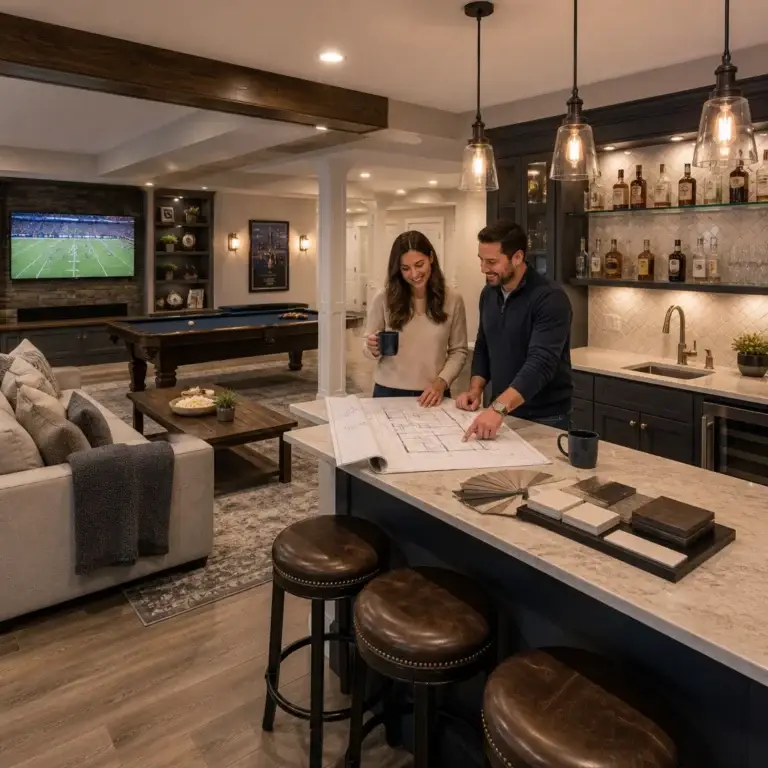
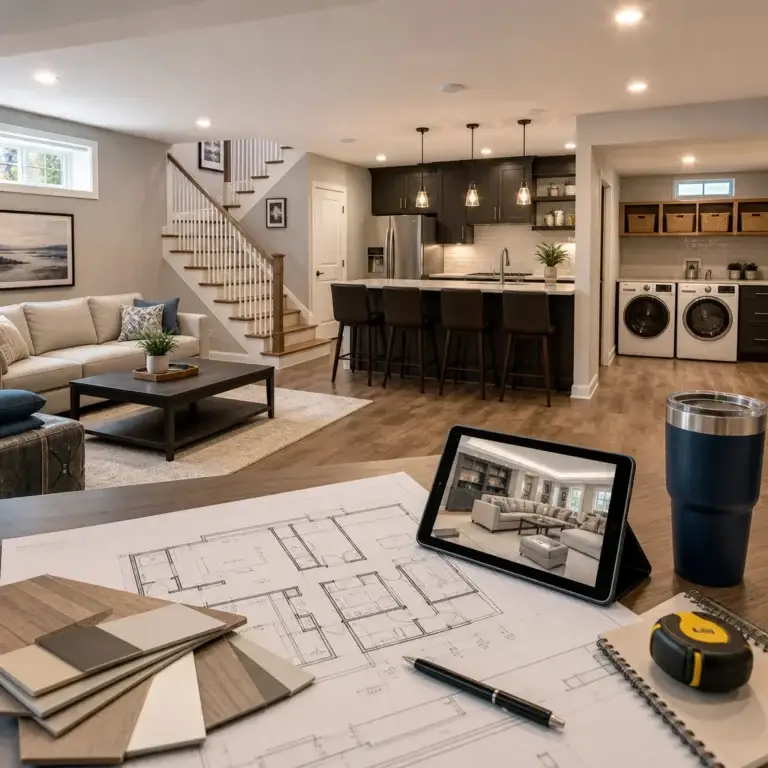
Basement finishing and accessory dwelling unit (ADU) construction represent significant value-add projects that also demand careful project management. These projects require foundation analysis, moisture control planning, egress planning, mechanical design, and coordination with local zoning codes.
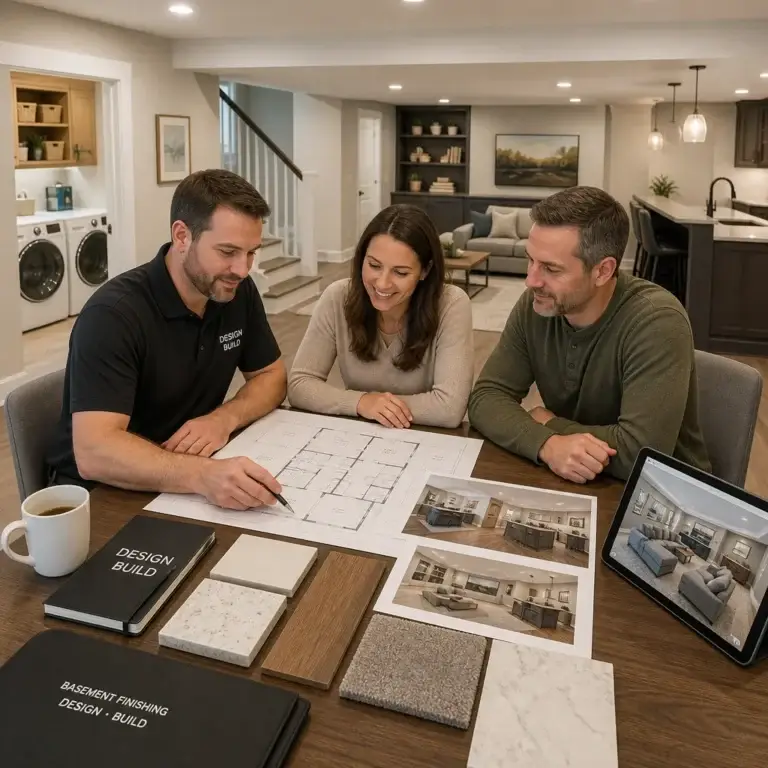
Basement finishing often uncovers surprises once demolition begins. Moisture issues, foundation cracks, or mechanical systems running through the space can complicate the original plan. Because our team has coordinated similar projects and understands the underlying systems, we anticipate these challenges and build contingency into our planning. We conduct thorough inspections before finalizing the design and budget, so you’re not blindsided by unexpected costs.
Egress requirements in Fairfax County mandate that finished basements have emergency exits. Designing egress wells, windows, or door systems requires coordination between architectural design and construction feasibility. Our integrated team ensures that egress solutions are incorporated into the overall design rather than bolted on as an afterthought, improving both safety and aesthetics.
ADU construction (whether an in-law suite, guest house, or rental unit) demands expertise in zoning, code compliance, utility coordination, and structural design. Fairfax County has specific requirements for detached ADUs and accessory dwelling units within the primary home. Our team understands these requirements intimately and builds compliant designs from the start rather than discovering zoning violations mid-project.
Mechanical and electrical systems for basements and ADUs require thoughtful planning. If you’re adding a full kitchen and bathroom to a basement, HVAC extensions, plumbing runs, and electrical capacity must be designed and coordinated. Our approach ensures these systems are planned alongside the architectural design, not added as costly upgrades during construction.
Actionable takeaway: For basement projects, commission a moisture assessment and structural inspection before signing a contract. Ask your contractor about their experience with Fairfax County egress requirements and request examples of recent basement finishes they’ve completed. For ADU projects, confirm that your contractor understands local zoning and has experience with the specific ADU type you’re considering.
Clear Contracts and Transparent Pricing From Day One
One of the biggest stressors in traditional renovations is uncertainty about cost. Homeowners often receive vague estimates, discover hidden fees, or face change orders that spiral the budget out of control. We believe transparency reduces stress and builds trust.
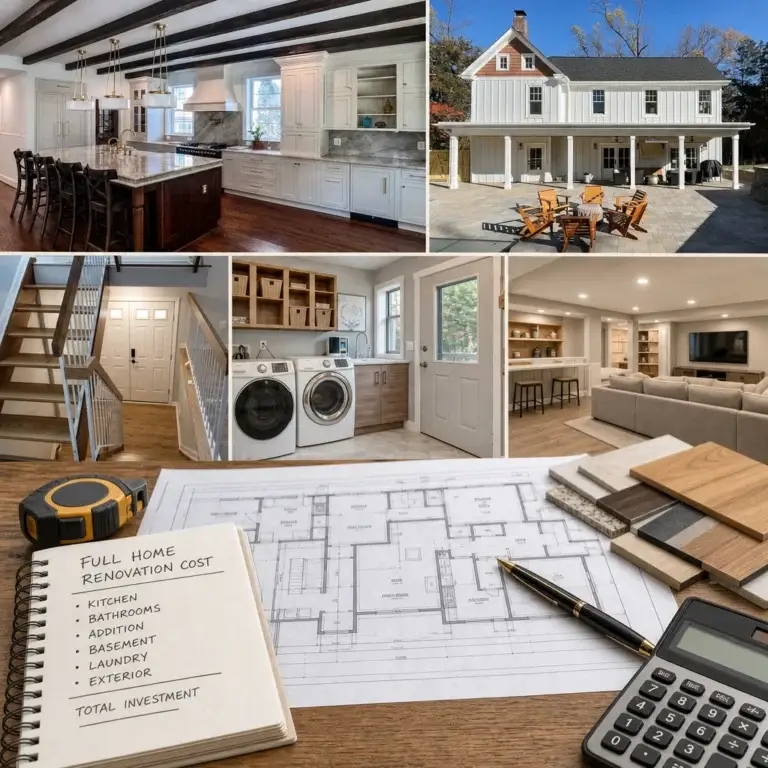
Our contracts are detailed and comprehensive. Rather than a one-page estimate, we provide a line-item budget that breaks down labor, materials, permits, and contingencies. Each line item is specific: “kitchen cabinetry: $12,000,” not “kitchen work: $15,000-$20,000 TBD.” This specificity gives you confidence about where your money is going and eliminates ambiguity.
We separate design fees, permit coordination, construction labor, and materials clearly so you understand the full investment. Some teams bury design costs within construction overhead; we show them separately so you know exactly what you’re paying for planning and what you’re paying for building.
Our change order procedures are written into the contract. If unexpected conditions arise during construction (water damage discovered in the wall framing, for example), we notify you immediately with a detailed change order showing the cost, timeline impact, and reasoning. You approve in writing before work proceeds. This prevents surprise bills and keeps communication clear.
Contingencies are included explicitly. We typically recommend a 5-10% contingency for unforeseen conditions, depending on the project type and age of the home. This line item is separate from the base contract, not a hidden reserve we draw from without your awareness. You control whether contingency funds are used.
Payment scheduling aligns with project phases. Rather than collecting large upfront payments, we invoice as work completes. Typical scheduling is 10% upon contract signing, 10% upon permit approval, 30% as framing completes, 30% as mechanical/electrical rough-ins complete, and 20% upon final completion and inspection. This structure protects both parties and ensures payment aligns with completed work.
Actionable takeaway: Request a detailed, line-item contract before hiring any contractor. If the contract lacks specificity or includes vague categories like “labor: TBD,” ask for clarification in writing. Confirm that contingencies and change order procedures are explicitly defined in the contract.
On-Time, On-Budget Delivery: What Professional Management Delivers
The reputation we’ve built in Northern Virginia rests on a fundamental commitment: finishing projects on schedule and within budget. This isn’t luck; it’s the direct result of professional project management and integrated planning.
Schedule certainty comes from detailed upfront planning. We map out the entire project timeline before work begins, identifying dependencies and potential bottlenecks. We order long-lead-time materials early, schedule inspections proactively, and coordinate subcontractors so their work flows logically. We build buffer time into the schedule for inspections and material delivery, so minor delays don’t cascade into major ones.
Communication about schedule happens regularly. We provide weekly progress updates showing what was completed, what’s scheduled next, and any potential issues we’ve identified. Homeowners know what to expect each week and can plan their own schedule accordingly. If a delay becomes likely, we communicate it immediately with a revised timeline and explanation.
Budget discipline starts with comprehensive planning and detailed contracts. Because our architects and builders collaborate from the start, design decisions factor in cost. We don’t discover expensive surprises mid-project because we’ve already analyzed the home’s systems and anticipated complications.
Change orders are managed carefully. We clearly distinguish between items that were genuinely unforeseen and items that represent scope expansion (homeowner-requested upgrades). Unforeseen items are budgeted from contingency; scope changes are approved change orders that increase the contract price. This distinction maintains budget credibility and prevents arguments about whether costs were legitimate.
Resource allocation is optimized. Because we manage multiple projects, we can schedule crews efficiently. We don’t leave expensive labor idle waiting for inspections or material deliveries. This efficiency allows us to deliver projects on time while maintaining the quality and craft we’re known for.
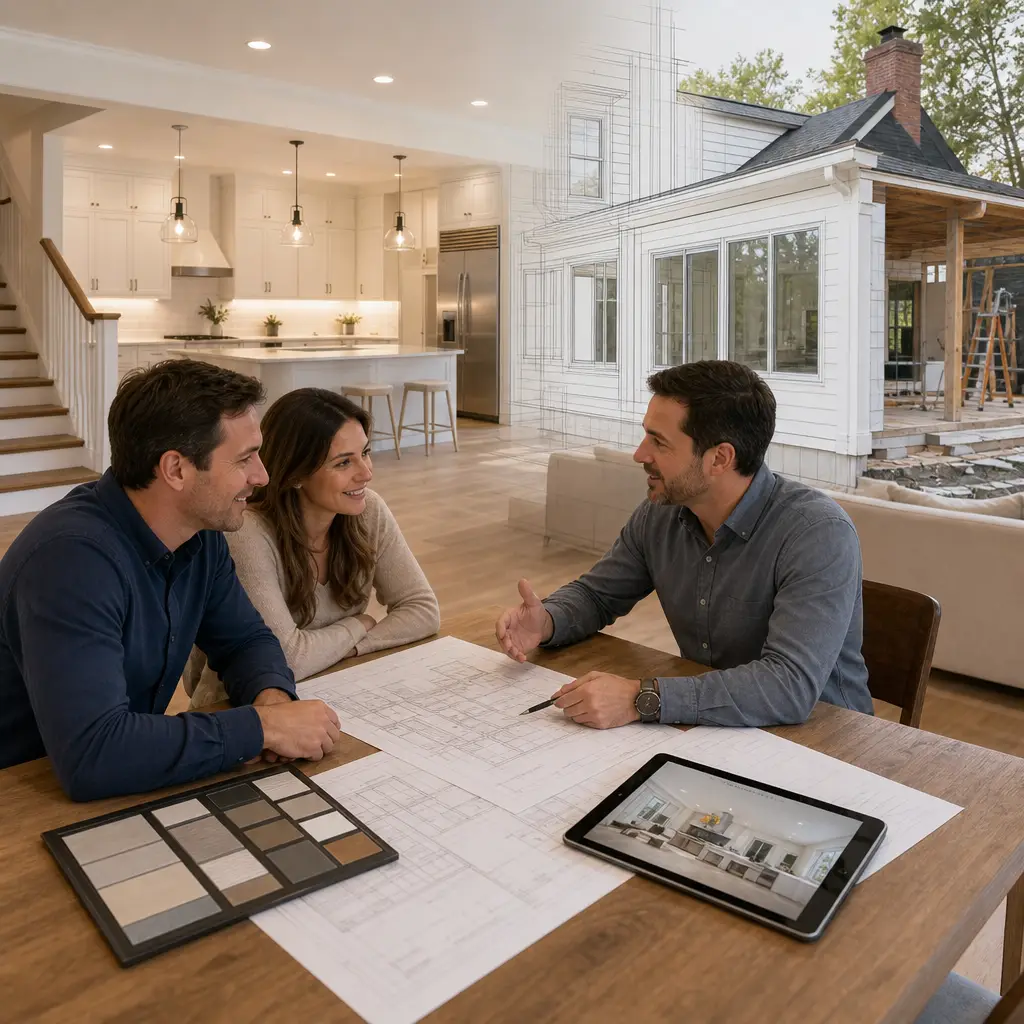
Real-world example: A kitchen remodeling project in McLean that required structural support updates to an existing beam. Traditional coordination would have meant the contractor discovering this mid-project and requesting a change order. Our integrated approach identified this need during design, secured engineer stamps, ordered materials in advance, and incorporated the structural work into the original contract and timeline. The project completed on schedule and within budget despite a structural complication.
Actionable takeaway: When evaluating contractors, ask about their average schedule performance and budget adherence on recent projects. Request references and ask specifically whether the contractor delivered on time and at the estimated cost. Request a detailed project timeline showing major milestones and inspection schedules.
The Value of Local Expertise Serving Fairfax County and Beyond
Working in Northern Virginia for years has given us deep knowledge about local requirements, regional preferences, and the specific challenges that homeowners and builders face in this market. This expertise translates directly into better outcomes for our clients.
We know Fairfax County’s permitting process intimately. We’ve worked with building officials, plan reviewers, and inspectors across the county’s various districts. We understand which decisions trigger additional reviews and how to structure submissions to move through the approval process efficiently. This experience saves weeks compared to teams less familiar with local procedures.
We understand regional architectural character and material preferences. Northern Virginia homes range from colonial estates in Great Falls to townhomes in Arlington to suburban ranches in Springfield. We’ve studied how successful renovations integrate with their neighborhoods while honoring each home’s character. We can advise whether a contemporary kitchen addition will enhance or clash with your home’s aesthetic.
We’ve built relationships with local suppliers and subcontractors. We know which suppliers deliver consistent quality, which installers understand the regional preferences for finishes and details, and which specialists to call for specific challenges. These relationships mean better pricing, more reliable delivery, and higher quality work.
We understand regional weather and environmental factors. Northern Virginia summers are humid; winters include occasional ice and significant snowfall. We design drainage, ventilation, and weatherproofing systems that perform reliably in our climate. We choose materials that age well in our conditions.
We’ve served hundreds of homeowners throughout the area: Alexandria, Annandale, Arlington, Burke, Falls Church, Fairfax, Great Falls, Lorton, Mantua, McLean, Merrifield, Mount Vernon, Oakton, Reston, Springfield, Tysons, and Vienna. This experience across different neighborhoods, home types, and homeowner preferences has deepened our ability to listen carefully and deliver solutions that align with each community’s character and each homeowner’s vision.
Actionable takeaway: Choose a contractor with deep experience in your specific area. Ask about similar projects they’ve completed in your neighborhood and request to see how those homes have aged over time. Local experience is invaluable.
Your Next Step: From Vision to Completion With Elite Contractors Services
If you’re considering a renovation, kitchen remodel, home addition, basement finishing, or ADU construction, the decision you make about project management will shape your entire experience. The quality of your contractor matters, but the quality of your project management matters more. Professional coordination, clear communication, and integrated planning separate stress-free renovations from nightmarish ones.
We invite you to schedule a consultation with our team. We’ll tour your home, understand your vision and constraints, and discuss how our design-build approach can transform your project. We’ll answer your specific questions about cost, timeline, and process. There’s no obligation and no pressure; we simply want to help you understand your options.
You can reach us through our website at https://elitecontractorservices.com, or contact us directly to discuss your specific needs. We’re ready to help you move from vision to completion with the professionalism, clarity, and craftsmanship you deserve.
The homes we’ve renovated for Northern Virginia families now provide years of comfort, functionality, and enjoyment. Your home can be next.
Contact us Today For a Free Estimate !
Frequently Asked Questions (FAQ)
What makes your design-build approach different from hiring a separate architect and contractor?
We combine architectural planning, permit coordination, material selection, and construction into one cohesive team under our roof. This eliminates the communication gaps and delays that occur when homeowners juggle multiple vendors, and it keeps costs predictable since we’re accountable for the entire project timeline and budget from start to finish.
How do you handle unexpected issues that come up during renovation?
We conduct thorough upfront assessments and build detailed contracts that account for common variables in Northern Virginia homes. If unforeseen conditions do arise, we communicate them immediately with transparent pricing so you understand any changes before we proceed, rather than discovering surprise costs at the end of your project.
Do you serve areas outside of Fairfax County?
Yes, we proudly serve throughout Northern Virginia, including Alexandria, Arlington, Falls Church, Great Falls, McLean, Reston, Tysons, Vienna, and surrounding communities. If you’re unsure whether your address falls within our service area, we encourage you to reach out and we’ll let you know how we can help.