Table of Contents
- Why Fairfax Homeowners Are Choosing ADUs for Multi-Generational Living
- The Design-Build Advantage: Streamlining Your ADU Project
- Understanding ADU Regulations and Permit Requirements in Fairfax County
- How We Handle Site Planning and Architectural Design for ADUs
- Quality Construction and On-Time, On-Budget Delivery
- Maximizing Home Value: The Financial Benefits of Adding an ADU
- ADU Design Options: From Detached Structures to Over-Garage Units
- Why Our Comprehensive Approach Sets Us Apart
- Selecting the Right ADU Contractor for Your Fairfax Home
- Frequently Asked Questions (FAQ)
Why Fairfax Homeowners Are Choosing ADUs for Multi-Generational Living
Over the past five years, we’ve watched a clear shift in how Fairfax County families think about housing. More homeowners are choosing to expand their existing properties rather than move, and accessory dwelling units, or ADUs, have become a practical solution for staying in the neighborhoods they love.
The reasons are straightforward. An ADU lets aging parents move in without requiring a full move to assisted living, gives adult children affordable housing on the family property, or simply provides a rental income stream to offset mortgage payments. Unlike moving, which uproots families and comes with enormous transaction costs, an ADU keeps everyone in the same community, near schools, jobs, and longtime friendships.
Fairfax County’s real estate market makes this especially appealing. Home prices in Northern Virginia have climbed steadily, making it increasingly difficult for families to relocate or find suitable rental properties. Adding an ADU transforms an existing lot into a multi-functional asset. A parent can have independence in their own space. A young adult can build equity in a secondary unit. A homeowner gains significant monthly rental income or creates flexible housing for caregiving situations.
We’ve built ADUs for families managing aging care, young professionals saving for their first home purchase, and empty nesters who want to stay in their current homes while monetizing unused backyard space. The common thread is that every family wanted a solution tailored to their property’s unique constraints and their specific living needs.
What to do next: If you’re considering whether an ADU makes sense for your property, start by thinking about your household’s actual needs over the next 5-10 years. Will you need extra space for family members? Could rental income help your finances? What does aging in place mean for your family? Clear answers to these questions will guide every design and budget decision that follows.
The Design-Build Advantage: Streamlining Your ADU Project
Most homeowners approach renovations by hiring an architect first, then a general contractor, then dealing with permit specialists and material suppliers separately. This fragmented process creates coordination gaps, delays, and cost surprises. Our design-build approach collapses those silos into one integrated team.
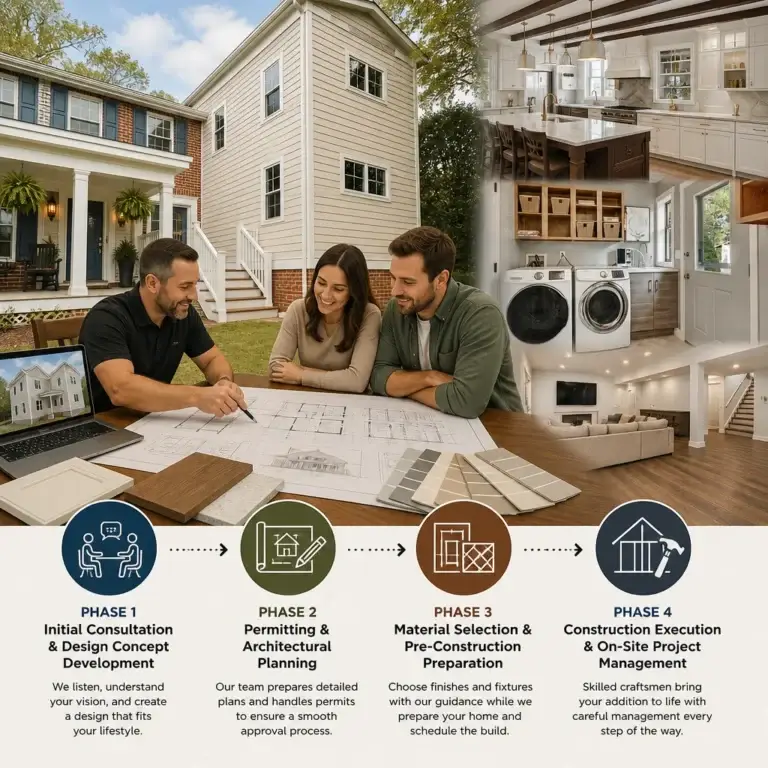
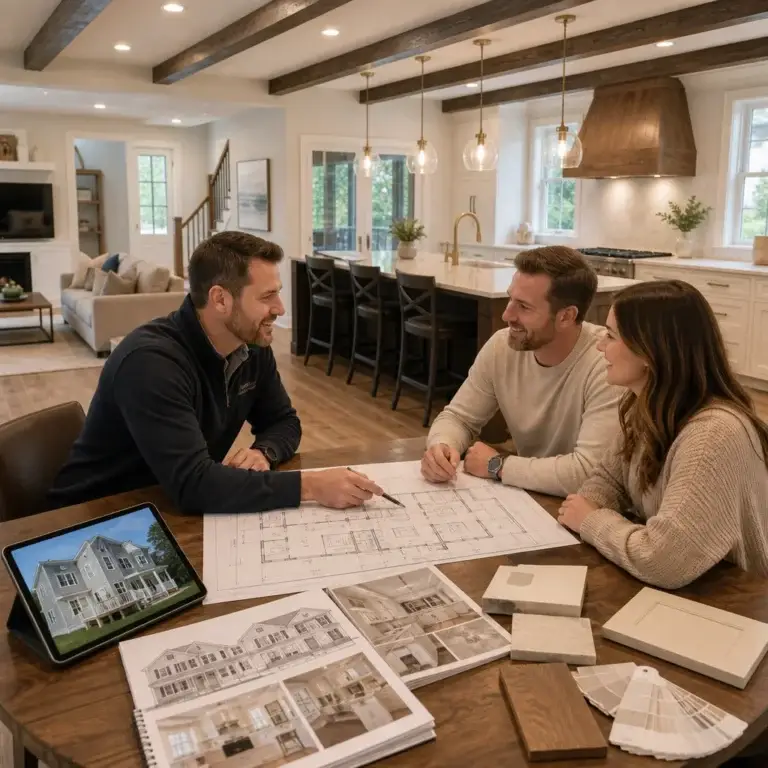
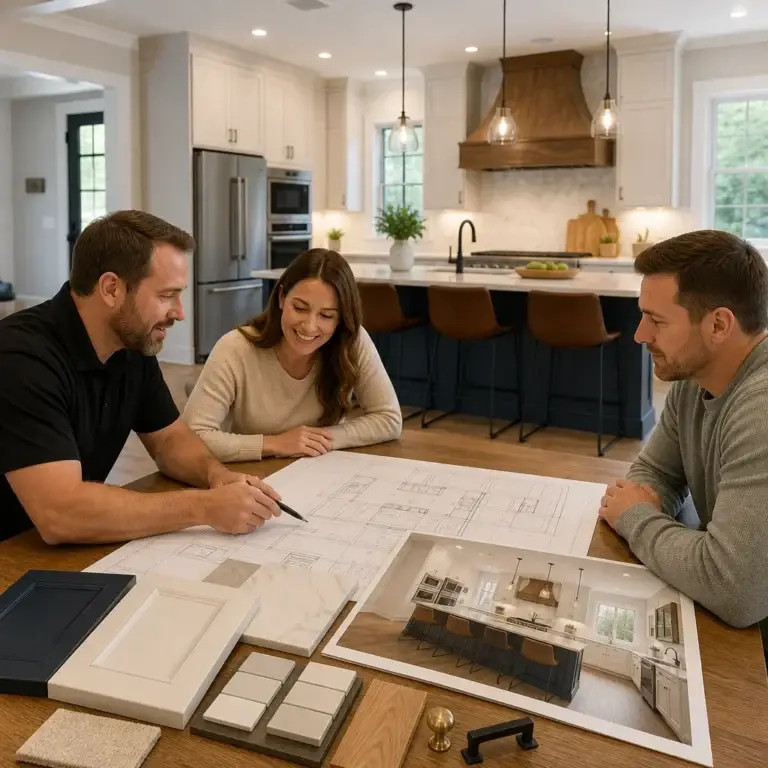
Here’s how it works: We meet with you to understand your vision, constraints, and budget. Our architects, builders, and permit specialists collaborate simultaneously rather than sequentially. When the designer sketches a concept, the builder instantly weighs in on constructability and material costs. When the permit coordinator identifies a regulatory requirement, we adjust the design immediately rather than months later. This parallel workflow saves time and prevents expensive redesigns.
Design-build also creates accountability. You have one point of contact managing the entire project, from the first conversation through the final walkthrough. There’s no finger-pointing between separate contractors. If a timeline shifts or a budget question arises, we own the answer and adjust our plan accordingly.
For ADU projects specifically, this matters enormously. ADU regulations in Fairfax County are detailed and evolving. A design that looks perfect on paper might not satisfy the building department’s latest interpretation of setback rules or utility requirements. Because our team includes experienced permit coordinators who work closely with the county, we catch regulatory issues early. We design compliant homes the first time, not after costly revisions.
We’ve also built enough ADUs to know common pitfalls: undersized mechanical rooms, septic field conflicts, utility placement that creates expensive trenching, or stairwell designs that steal usable square footage. Our experience becomes your shortcut. You avoid the expensive learning curve and get a design optimized for your specific lot, your county’s current requirements, and your family’s actual needs.
Actionable takeaway: When you interview contractors, ask how they integrate design, permitting, and construction. If the architect, builder, and permit specialist operate independently, you’re paying for delays and coordination costs. Request references from ADU projects completed on time and on budget, then call those homeowners and ask about the coordination process.
Understanding ADU Regulations and Permit Requirements in Fairfax County
Fairfax County’s ADU regulations have evolved considerably, and staying current is essential. As of 2026, the county allows accessory dwelling units on residential lots in most zoning districts, but specific requirements around size, setbacks, parking, and utility connections vary by location and property type.
The basics: ADUs in Fairfax County must not exceed 50 percent of the primary dwelling’s floor area or 1,200 square feet, whichever is smaller. The unit must maintain minimum setback distances from property lines, typically 15-20 feet depending on your specific zoning district. Detached structures require compliance with lot coverage limits, and over-garage additions have their own roof and wall requirements. If the ADU is rented, you’ll need separate utility metering, and the property must have adequate parking for both the primary residence and the rental unit.
Water and sewer connections depend on your property’s current infrastructure. If you’re on public water and sewer, expansion is usually straightforward. If your property uses a septic system, adding occupancy requires either expanding the septic field or connecting to public sewer if available. Utility requirements can substantially impact your site plan and budget, so we confirm these details early.
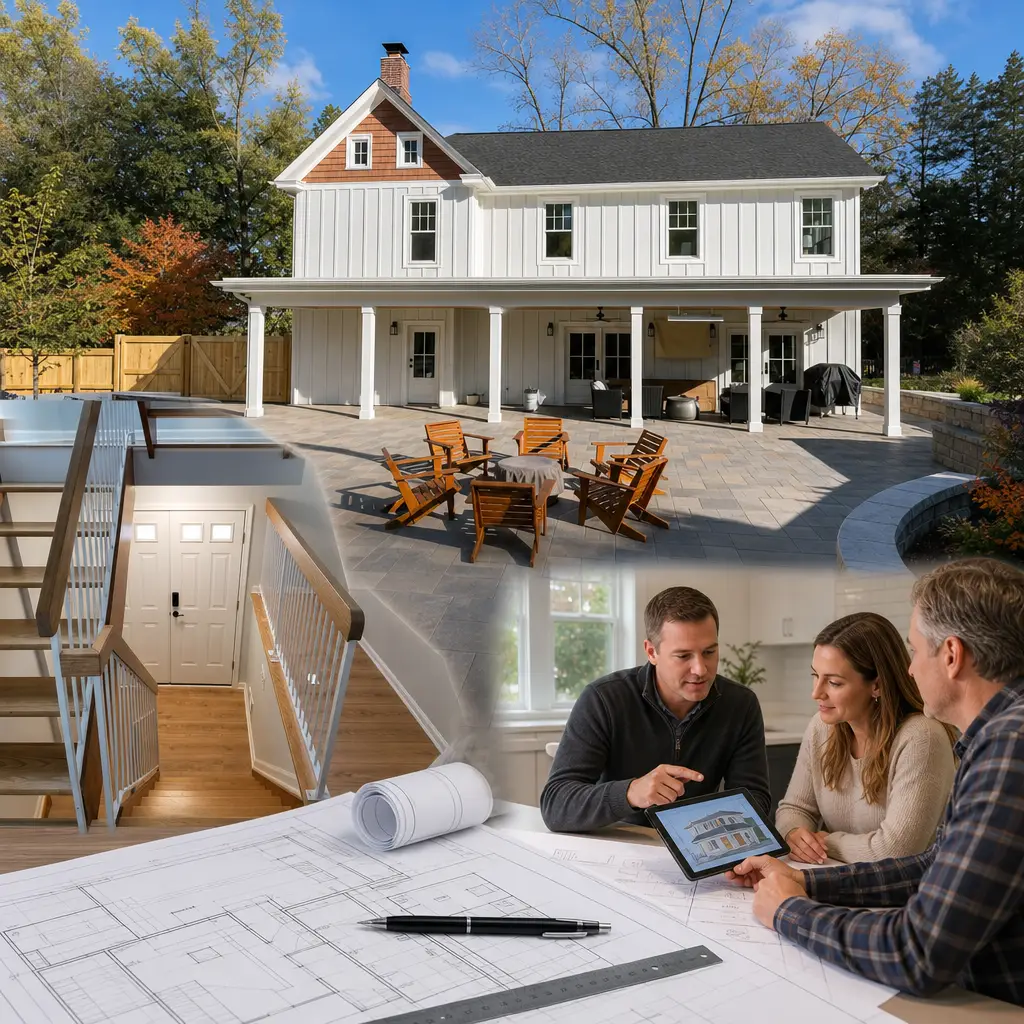
The design process includes multiple county submissions: preliminary site plan review, final architectural and engineering drawings, building permit applications, and utility coordination. Each step has specific requirements and timelines. Missing a single detail means resubmission, which costs time and often fees. This is why we involve our permit specialists from day one. They’ve worked with Fairfax County staff repeatedly and understand exactly what’s needed for approval.
We also monitor regulatory changes. ADU rules shift periodically as the county refines policies or updates zoning language. What was possible two years ago might now require variance applications or special permits. Our team stays informed so your project reflects current requirements, not outdated assumptions.
Next step: Before you commit to an ADU design, request a preliminary site analysis from your contractor. This inexpensive review identifies setbacks, utility challenges, and permit pathways specific to your lot. It prevents surprise obstacles later and gives you realistic timelines and costs upfront.
How We Handle Site Planning and Architectural Design for ADUs
Site planning determines whether an ADU works for your property or creates problems you didn’t anticipate. We start with a detailed survey, identifying property lines, existing structures, trees, utility lines, grades, and soil conditions. This becomes our baseline for all design decisions.
Next, we assess your lot’s actual constraints. A sloped backyard creates foundation complexity but might suit a detached structure better than an over-garage addition. Mature trees worth preserving narrow placement options. Utility easements or septic field locations eliminate certain areas. Existing neighborhood character and adjacent home placement inform architectural style choices. We map all of this before sketching anything.
Then we meet with you to understand your specific vision. Is the ADU a long-term family arrangement or rental income? Does it need separate laundry or a full kitchen? How much privacy matters? Should it blend with the primary home’s style or have its own character? Your answers shape architectural direction, square footage, and amenity choices.
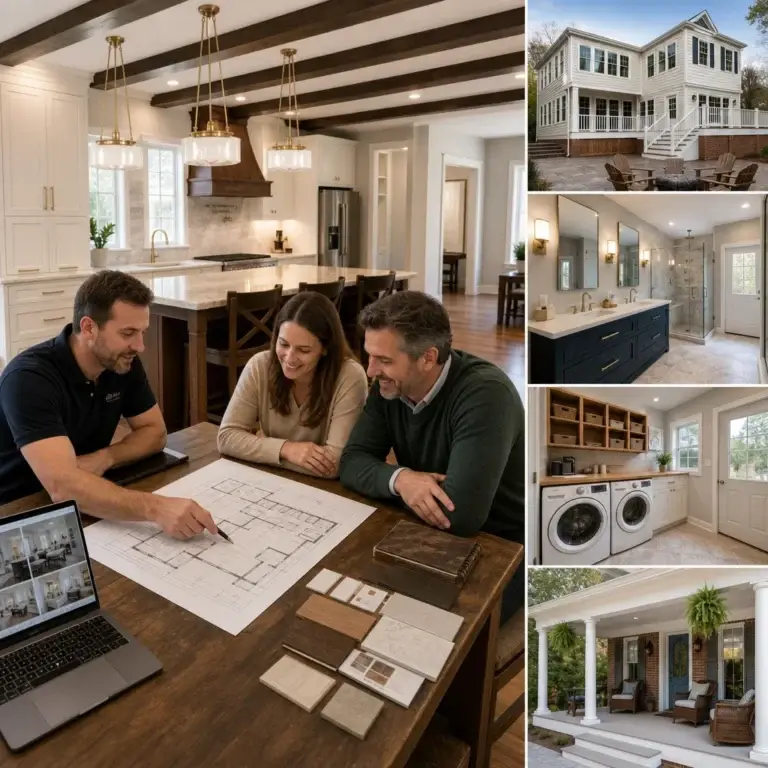
Our architects develop multiple conceptual options at this stage, each addressing your constraints differently. One might be a 900-square-foot detached cottage. Another could be a second-story addition over the garage. A third might be a 750-square-foot basement conversion with separate entrance and utilities. Each option includes preliminary cost estimates so you can evaluate trade-offs between price, timeline, and design.
Once you’ve selected a direction, we move into detailed design. Our architects create full construction documents: floor plans, elevations, sections, mechanical and electrical layouts, structural details, and material specifications. These drawings become your contract blueprints and the building department’s permit basis. Quality at this stage prevents field changes, cost surprises, and construction delays.
We also integrate accessibility from the start. ADUs often house aging family members, so zero-step entries, accessible bathrooms, and wider hallways aren’t afterthoughts but intentional design features. This thinking applies equally to rental ADUs, where accessibility increases marketability and future-proofs the property.
Actionable step: Request sample ADU designs or portfolio examples from any contractor you interview. Ask specifically how they approach site constraints and whether they develop multiple options before design finalization. Quality architectural thinking shows in whether designs respect your lot’s actual conditions rather than imposing cookie-cutter solutions.
Quality Construction and On-Time, On-Budget Delivery
An excellent design means nothing if construction quality is poor or timelines slip. We structure our projects with clear schedules, detailed budgets, and quality checkpoints that prevent both surprises.
We start with a comprehensive contract that details every cost: materials, labor, permits, inspections, site management, and contingencies. You know exactly what you’re paying for and what changes cost. This transparency prevents the frustrating scenario where projects balloon because “unforeseen conditions” appeared mid-construction.
Our scheduling process divides the project into realistic phases. Foundation work typically takes 3-4 weeks. Framing and rough mechanical 4-6 weeks. Drywall, trim, and finishes 4-8 weeks. Final inspections and punch-list resolution another 1-2 weeks. We factor in weather, permit inspection timing, and material delivery schedules. These aren’t optimistic fantasies; they’re based on decades of actual project data.
Quality control happens at every phase. Our supervisors inspect foundation work before concrete cures. They verify framing meets structural and code requirements. They inspect insulation and mechanical rough-ins before drywall closes walls. They inspect final carpentry, paint, flooring, and fixture installation against contract specifications. This preventive approach catches issues when they’re cheap to fix, not expensive to remedy.
We also maintain open communication throughout construction. You receive weekly progress updates, photographs, and explanations of any decisions or challenges. If weather delays the schedule, you hear about it and understand the revised timeline. If material availability affects a budget line item, we present options and costs before changing your contract. No surprises, no hidden changes.
Our subcontractors are carefully selected and longstanding relationships. We use electricians, plumbers, HVAC specialists, and framers we’ve worked with repeatedly. This consistency drives quality and predictability. Your project isn’t a one-time transaction; it’s part of an established process where crew members understand our standards and your expectations.
What to do next: When comparing contractors, ask for verifiable references from three recent ADU projects. Call those homeowners and specifically ask: Did the project stay on schedule? Did costs match the contract? Were there unexpected issues, and how were they handled? Did the contractor maintain clear communication throughout? The answers tell you more than any portfolio or website ever will.
Maximizing Home Value: The Financial Benefits of Adding an ADU
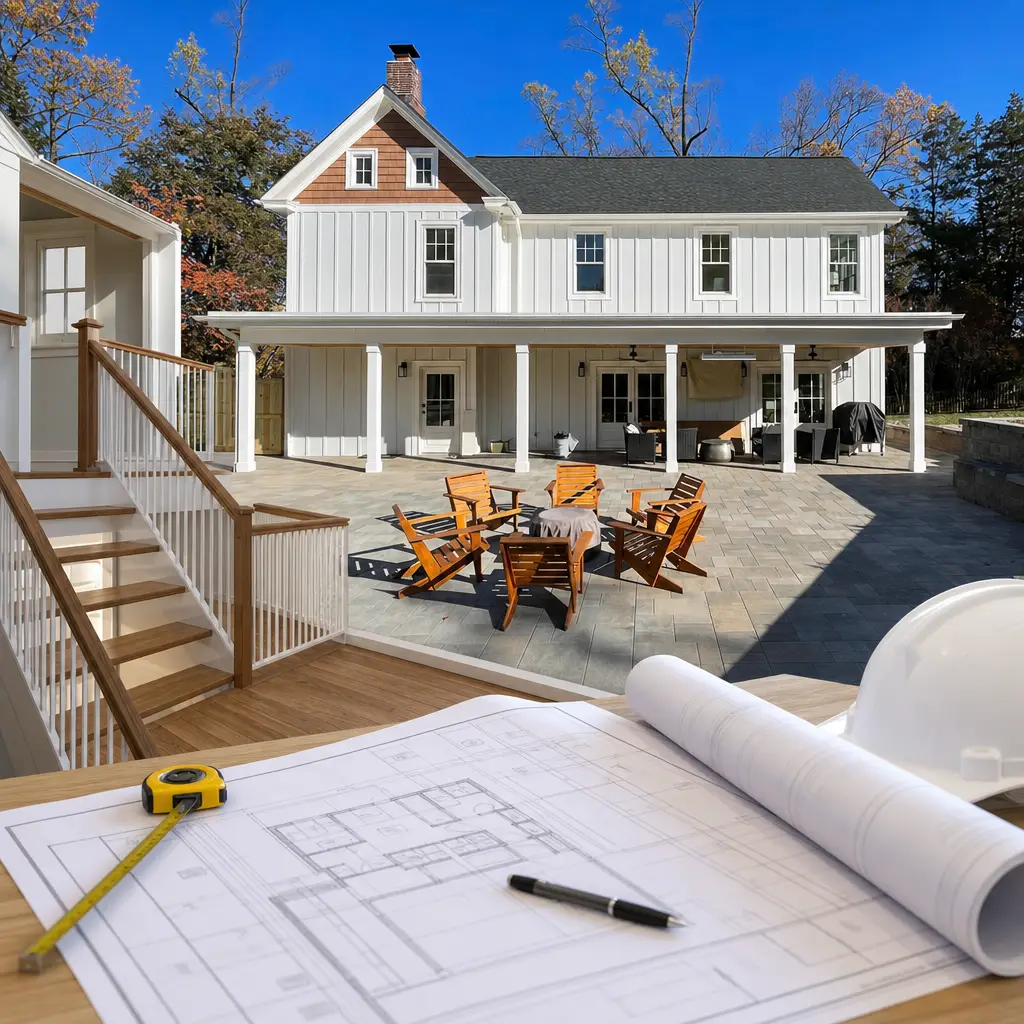
An ADU is one of the few home improvements that can simultaneously increase property value, generate monthly rental income, and improve quality of life. Understanding these financial dynamics helps justify the investment.
First, the property value increase. Studies consistently show that well-designed, permitted ADUs add 10-15 percent to property value, sometimes more in tight markets like Northern Virginia. A $700,000 home with a quality 900-square-foot ADU often appraises and sells for $800,000-$850,000, meaning the ADU added $100,000-$150,000 to property value. That’s a strong return on a $150,000-$200,000 construction investment.
Next, rental income. A properly built ADU in the Fairfax County area rents for $1,400-$2,000 monthly depending on size, finishes, and location. Annual rental income covers 30-40 percent of construction costs for an ADU in the mid-range price spectrum. Over 10 years, that rental income compounds significantly. If an ADU costs $180,000 to build and rents for $1,600 monthly after expenses, the owner nets roughly $15,000 annually, or $150,000 over a decade. Combined with the property value increase, the financial math becomes compelling.
Tax benefits exist too. Rental income from an ADU is reportable income, but you can deduct utilities, maintenance, property management, and depreciation. Many homeowners find that depreciation deductions offset a substantial portion of rental income from a tax perspective. Consult your accountant for specifics, but the tax picture is generally favorable.
Multi-generational living provides different financial benefits. If an aging parent moves into an ADU on your property rather than assisted living, you avoid the $4,000-$7,000 monthly cost of facility care. Over five years, that’s $240,000-$420,000 in avoided costs. The ADU pays for itself many times over if it enables aging in place without facility care.
For young adult children, an owner-financed ADU lease between parent and child can build equity while keeping housing costs reasonable. A child might pay $1,200 monthly for a $150,000 ADU over 10 years, building equity rather than throwing rent away to a landlord. The structure is complex legally and financially, but it works well for families willing to formalize the arrangement.
Practical takeaway: Before committing to ADU construction, run the numbers for your specific situation. Calculate likely rental income minus utilities, property taxes, insurance, and maintenance. Add the property value increase estimate. Compare total financial benefit to construction costs and timeline. If the numbers don’t work financially, make sure the non-financial benefits, like aging in place for a parent, justify the investment anyway. Finance shouldn’t be your only consideration, but it should be clear.
ADU Design Options: From Detached Structures to Over-Garage Units
The “best” ADU design depends entirely on your property’s constraints, your budget, and your living situation. Understanding available options helps you make an informed decision.
Detached cottages sit independently on the lot, typically 600-1,200 square feet, and work well on properties with sufficient backyard space and setback room. Detached units offer maximum privacy for both primary and secondary dwellings, create a distinctive architectural statement, and allow flexible utility routing. The trade-off is cost; foundation, exterior walls, and roof system for a freestanding structure are more expensive per square foot than additions or conversions. Detached ADUs work beautifully for rental situations or when family members truly need separate living spaces.
Over-garage additions stack living space atop an existing garage or new garage, using footprint that’s already committed to the property. This approach maximizes land use on smaller lots, maintains closer proximity to the primary home for aging parent situations, and costs less than freestanding structures because you’re not building a complete foundation and exterior. The challenge is mechanical systems; second-story additions require careful attention to structural support, ceiling heights, and stair placement. Over-garage ADUs work especially well on narrower urban lots or properties where backyard space is limited.
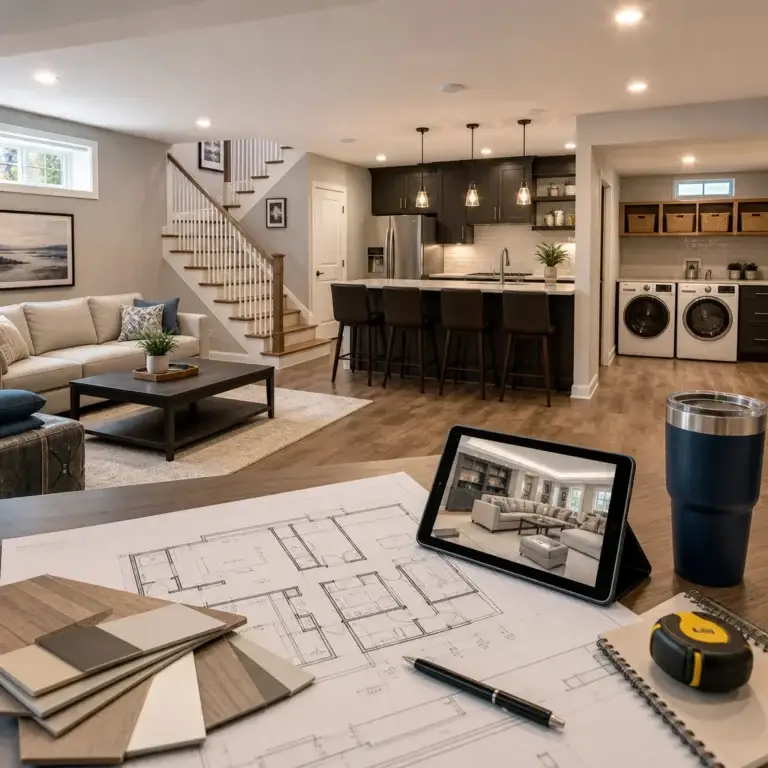
Basement conversions transform an existing unfinished basement into a separate living unit. This is often the most affordable ADU option because the foundation and structure exist; you’re adding finishes, walls, utilities, and an independent entrance. Basement ADUs work best when the existing basement is tall enough for headroom and has adequate moisture control. They don’t work on properties with septic systems needing expansion or where basement flooding is a concern. For the right property, a basement ADU is a budget-friendly way to add occupancy without any exterior footprint.
Multi-story additions attach to the primary home’s side or rear, adding one or more stories of living space. These work on properties with good setbacks and when the primary home can support structural loads. Multi-story additions are relatively cost-effective compared to detached structures and can blend architecturally with the primary home. The trade-off is that they’re visually prominent and share utility infrastructure with the primary residence, which requires careful planning.
Accessory building conversions transform existing structures like barns, garages, or workshops into ADU living space. This approach reuses existing buildings and is surprisingly cost-effective when the underlying structure is sound. Conversions require intensive code compliance work, new mechanical systems, and insulation improvements, but the savings on foundation and frame systems often make them comparable to new construction.
The right option emerges from honest assessment of your lot, budget, and timeline. A property with ample backyard space and budget of $220,000 might support a detached cottage. A narrow urban lot with tight budget might favor an over-garage addition at $160,000. A home with a quality basement and owner wanting lowest cost might choose basement conversion at $90,000. Our team evaluates all options during site planning and helps you understand trade-offs clearly.
Next step: Walk your property with your contractor and explicitly discuss which ADU styles are feasible given your lot’s shape, size, setbacks, and utilities. Understand cost differences and timeline differences between options. Then make your choice based on which option best serves your actual needs, not which is cheapest or most fashionable.
Why Our Comprehensive Approach Sets Us Apart
We’ve been designing and building homes throughout Northern Virginia for decades. That experience informs every ADU project we undertake.
Our design-build structure means architects and builders collaborate from day one. Design decisions are made with construction costs, permitting realities, and schedule implications already understood. This integration prevents the expensive redesign cycles that plague projects where design and construction operate separately.
We maintain deep relationships with Fairfax County permit staff. We understand which interpretations of regulations are flexible and which are hard requirements. We know the specific forms, timelines, and submission standards that speed approvals. This institutional knowledge shortens your project timeline and prevents costly resubmissions.
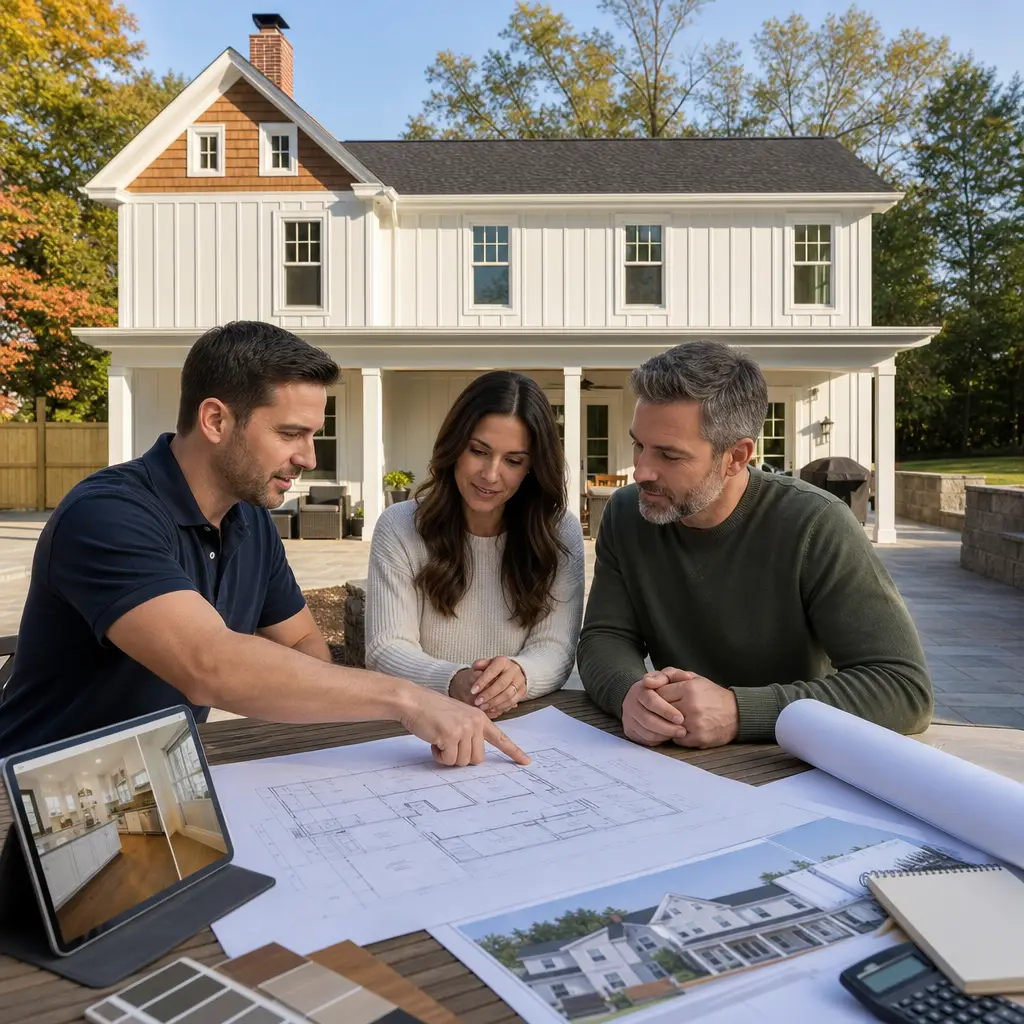
Our supply chain and subcontractor network is established and reliable. We work with trusted electricians, plumbers, framers, and finish specialists who understand ADU requirements and meet our quality standards consistently. This stability translates to reliable scheduling, quality craftsmanship, and realistic budgets.
We’re also transparent about what we don’t know. ADU regulations continue evolving, and new lot constraints occasionally surface during construction. Rather than hiding these challenges, we flag them immediately, present options, and adjust budgets or timelines accordingly. You always know where your project stands and what it’s actually costing.
Finally, we’re invested in your long-term satisfaction. When you move forward with us, you’re choosing a partner who will be in your neighborhood for years to come. Your project isn’t a one-time transaction; it’s part of our reputation in the Northern Virginia community. That accountability drives us to get details right, communicate clearly, and deliver results you’re genuinely proud of.
Selecting the Right ADU Contractor for Your Fairfax Home
Choosing a contractor is the most important decision you’ll make in your ADU project. Budget and design matter, but the team executing those plans determines your actual experience.
Look for a contractor with verifiable ADU experience in Fairfax County specifically. ADU regulations and construction practices vary by region, and what works in one county might not work in Fairfax. Ask about recent projects, timelines, budgets, and any challenges encountered. Request contact information for past clients and actually call them. Ask whether projects stayed on schedule and budget, how the contractor handled problems, and whether they’d hire the same contractor again. Those conversations are worth hours of research.
Verify licensing and insurance. Fairfax County requires licensed general contractors. Make sure your contractor holds a current Virginia license and carries adequate liability and workers’ compensation insurance. This protects you legally and financially if something goes wrong.
Insist on detailed contracts. A good contract specifies every cost, material specification, timeline, change order process, and dispute resolution method. Vague contracts create disputes. Clear contracts create clarity. If a contractor resists detailed specifications or wants to charge by the hour without firm budgets, move on.
Ask about design-build structure. Does the contractor employ or maintain close relationships with architects, engineers, and permit specialists? Can they show you how design, permitting, and construction are integrated? Or do they subcontract these functions separately, creating coordination gaps? Integration matters for quality and timeline.
Discuss communication. How often will you receive updates? Who’s your primary contact if issues arise? What happens if timeline or budget changes are needed? Contractors who operate transparently and communicate regularly tend to deliver projects you’re satisfied with, even when challenges arise.
Finally, trust your instinct about fit. You’ll work closely with your contractor for 6-12 months. You want someone who listens carefully, respects your vision, explains technical issues clearly, and demonstrates genuine commitment to your success. If something feels off in initial conversations, it probably will stay off throughout the project.
We’re here to answer questions about ADU possibilities for your Fairfax County home. If you’re ready to explore whether an ADU makes sense for your property, we’d welcome a conversation. Contact us for a preliminary site consultation. We’ll walk your lot, understand your goals, and give you honest feedback about feasibility, timeline, and budget. No pressure, just clear information to help you decide whether an ADU is the right choice for your family.
Contact us Today For a Free Estimate !
Frequently Asked Questions (FAQ)
What is included in your design-build ADU process?
We handle every step of your ADU project from initial concept through final construction. Our team manages architectural design, permit coordination with Fairfax County, material selection, and construction oversight, so you work with one experienced group rather than juggling multiple contractors. This streamlined approach means clearer communication, faster timelines, and a finished ADU that meets both your vision and local building codes.
How long does an ADU project typically take?
Timeline depends on your specific design and site conditions, but we work to keep our ADU projects on schedule through careful upfront planning and coordination. We establish realistic milestones during the design phase and maintain transparent communication about permit review periods, material lead times, and construction stages. Most of our ADU builds in Fairfax County range from four to eight months, and we commit to delivering on the timeline we agree to with you upfront.
Do you help with ADU permits and Fairfax County regulations?
Yes, we manage the entire permit process as part of our service. We understand Fairfax County’s specific zoning requirements, lot size restrictions, and building standards for accessory dwelling units, and we guide you through each step. Our experience means fewer delays and fewer surprises when it comes to regulatory requirements.