Table of Contents
- Why Homeowners Choose ALU Construction for Growing Families
- The Challenge of Managing ALU Projects Without Expert Guidance
- Our Design-Build Approach to Seamless ALU Construction
- Design Phase: Creating Your Perfect Accessory Living Space
- Permits and Compliance: We Handle the Complexity
- Material Selection and Quality Standards
- Construction Management and Timeline Accountability
- Cost Predictability and Upfront Pricing
- Finishing Touches: Creating Move-In Ready Spaces
- Why Northern Virginia Homeowners Trust Our ALU Expertise
- Frequently Asked Questions (FAQ)
Why Homeowners Choose ALU Construction for Growing Families
Accessory living units have quietly become one of the smartest home investments Northern Virginia homeowners can make. Whether you’re welcoming aging parents, launching young adults into semi-independent living, or simply maximizing your property’s potential, an ALU adds genuine flexibility without uprooting your family from the neighborhoods you’ve chosen.
The appeal is straightforward: you gain usable square footage on land you already own, avoiding the astronomical costs and uncertainty of relocating. More than that, an ALU keeps loved ones close while respecting privacy and independence. A growing family doesn’t need to leave their schools, friends, or community. A parent aging in place stays in familiar surroundings while having their own entrance, kitchen, and living space.
From a financial perspective, adding an ALU often increases property value substantially more than the construction cost, particularly in competitive Fairfax County markets. Rental income potential, if you choose to pursue it, further strengthens the case for construction.
What to do next: Evaluate whether your lot has the square footage and orientation to support an ALU, and think through your primary reason for building. This clarity shapes the design strategy from day one.
The Challenge of Managing ALU Projects Without Expert Guidance
Most homeowners underestimate the hidden complexity buried in ALU construction. It’s not simply building a smaller house on your back lot.
Permitting alone can derail unprepared projects. Fairfax County has specific setback requirements, lot coverage limits, utility connection rules, and parking standards that vary by zone. Missing even one detail during design means costly revisions and delayed approvals. Some builders skip or minimize design guidance to keep initial estimates low, then hit surprise conditions during construction that ripple through schedules and budgets.
Material coordination presents another silent risk. Sourcing finishes that match your home’s exterior, managing delivery timing for long-lead items, and quality-checking incoming materials requires systematic oversight. Without it, you’re vulnerable to mismatched siding, delayed cabinet installations, or substandard selections that compromise the final result.
Budget creep follows naturally when scope isn’t locked in writing. “We’ll handle that detail during construction” sounds flexible until change orders start arriving. By the time you realize costs have drifted, you’ve already committed months of your schedule and emotional energy to the project.
Timeline unpredictability frustrates homeowners most. Permit delays, material shortages, weather holds, and coordinating multiple trades require active daily management. A general contractor juggling five projects simultaneously cannot give your ALU the attention it deserves.
What to do next: Insist on a detailed written scope, upfront pricing, and a builder whose process includes dedicated project management throughout the entire timeline.
Our Design-Build Approach to Seamless ALU Construction
We’ve structured our process around a simple principle: your ALU should feel thoughtfully designed, beautifully finished, and delivered predictably.
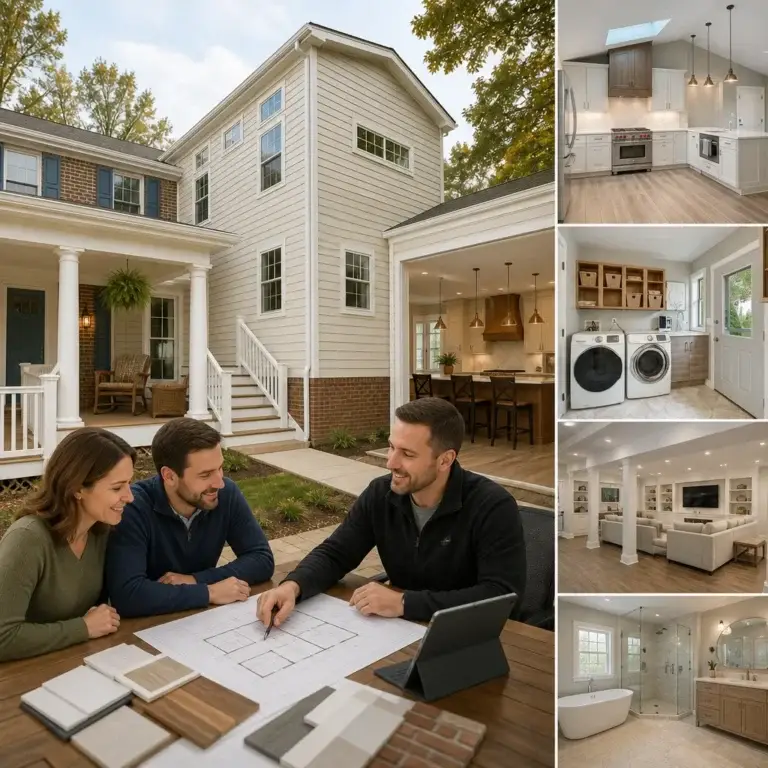
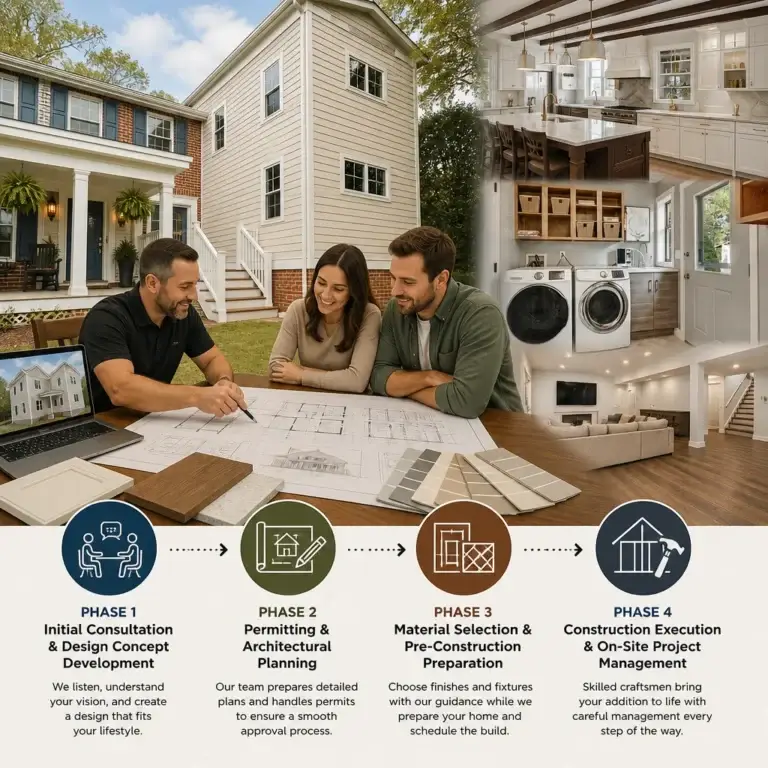
Our design-build model brings architects, permit specialists, material coordinators, and construction leaders together from day one. This integrated approach eliminates the fragmentation that trips up traditional designer-then-builder workflows. Your project has one clear point of contact, one unified team, and one shared commitment to your vision and budget.
We start by understanding your actual needs. Is this space for long-term family care, young adult independence, investment potential, or guest quarters? The answer shapes everything from layout to finishes to utility placement. A multigenerational care suite has different requirements than a rental unit, which differs from flexible guest space.
Once we understand your goals, our architects develop a design that respects your home’s character, maximizes your lot’s potential, and meets Fairfax County standards without compromise. You’re not choosing between beauty and compliance; good design achieves both.
Throughout construction, we manage every interaction: vendor relationships, daily site coordination, quality inspections, and timeline accountability. You receive regular updates and direct access to your project leader. Surprises don’t ambush you because our thorough upfront planning identifies potential issues before they become costly problems.
What to do next: Schedule a consultation with our team to discuss your lot, your family situation, and your vision. We’ll outline the path forward with transparency about timeline and investment.
Design Phase: Creating Your Perfect Accessory Living Space
Great ALU design balances your family’s specific needs with your property’s unique constraints and character.
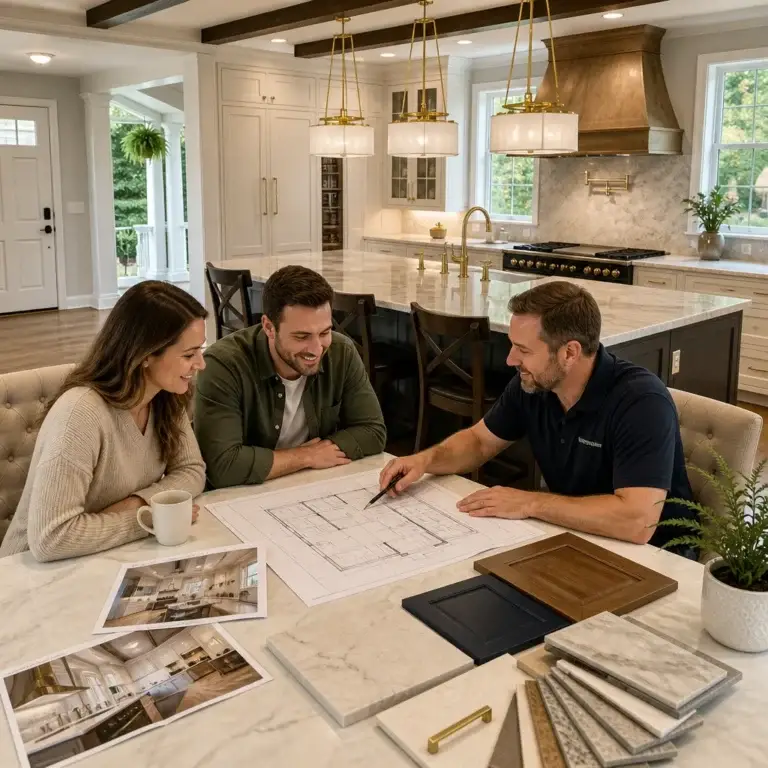
During the design phase, we work closely with you to understand priorities. How many bedrooms and bathrooms does your situation require? Do you need a full kitchen or kitchenette? Is outdoor space essential? Should the unit reference your home’s architectural style, or deliberately create visual distinction? These conversations shape a functional layout that actually serves your life.
Our architects then evaluate your lot’s orientation, existing utilities, tree cover, setback requirements, and neighboring sight lines. A well-positioned ALU captures natural light, creates pleasant outdoor space, and respects neighbor relationships. Poor placement forces expensive utility runs, dark interiors, or compliance challenges.
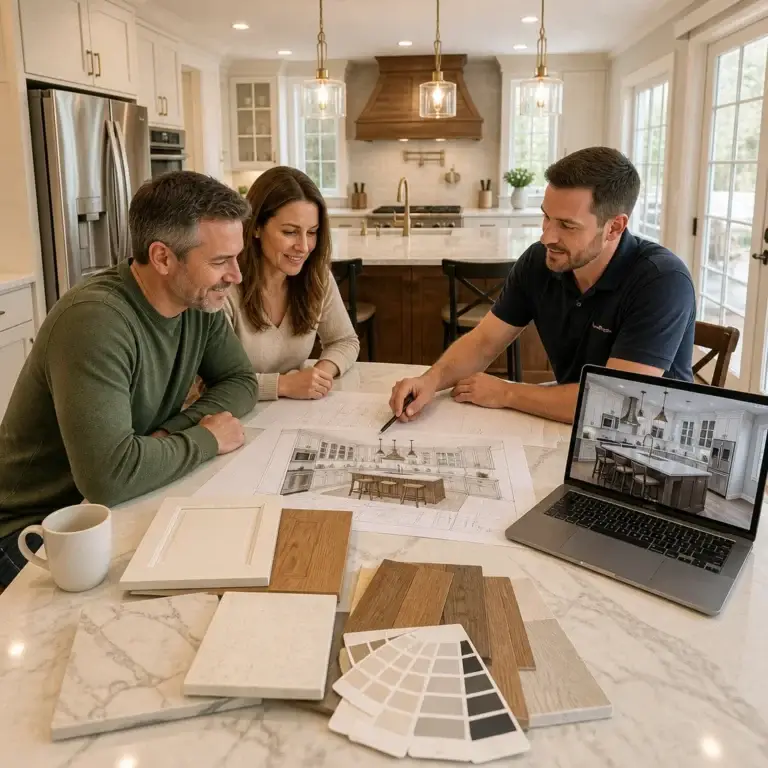
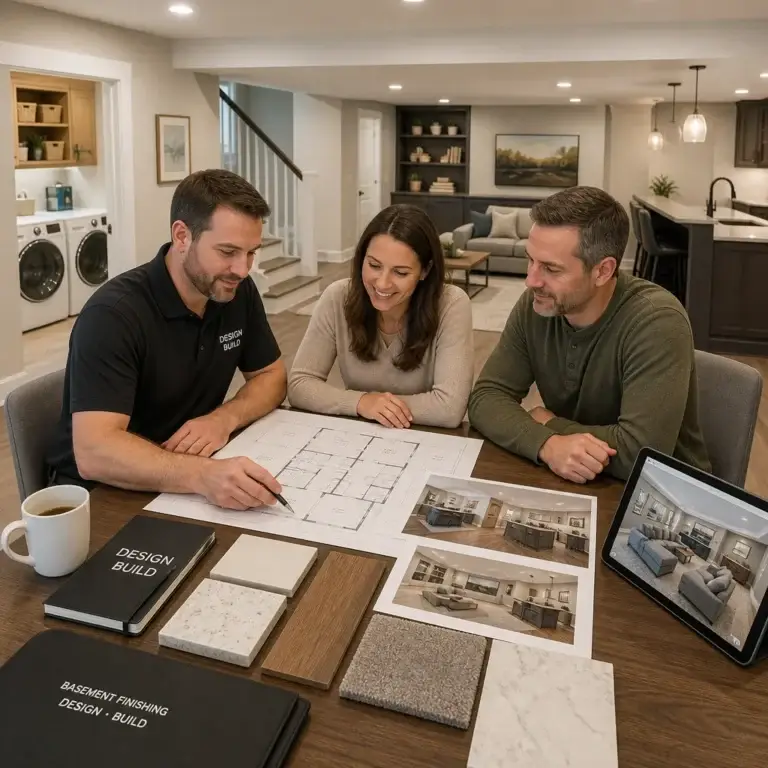
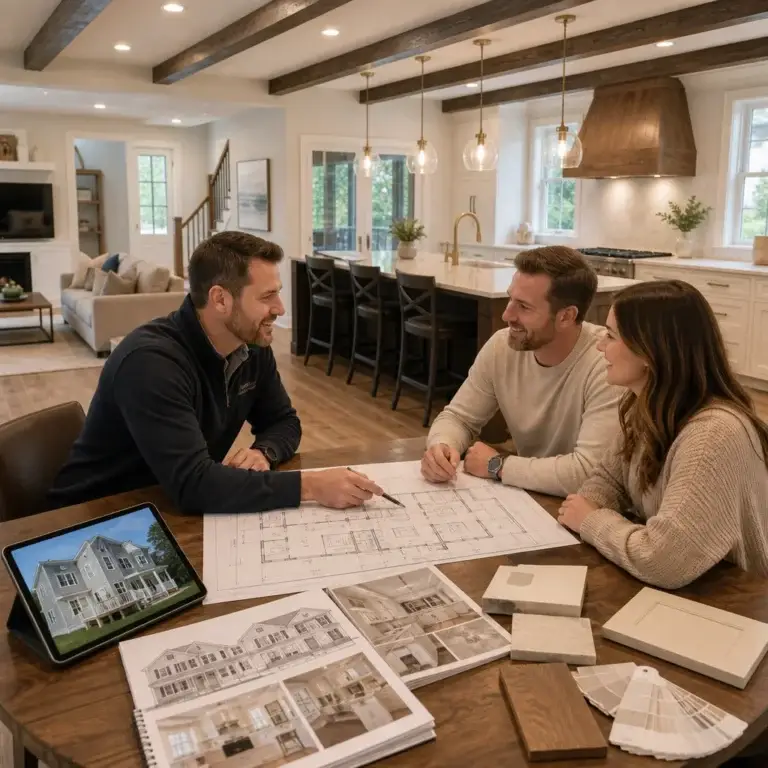
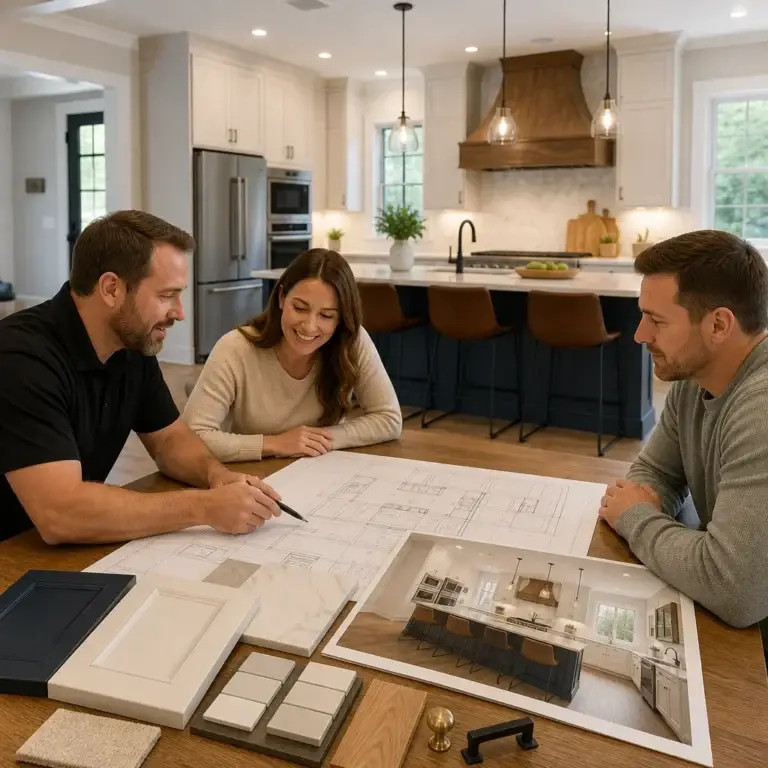
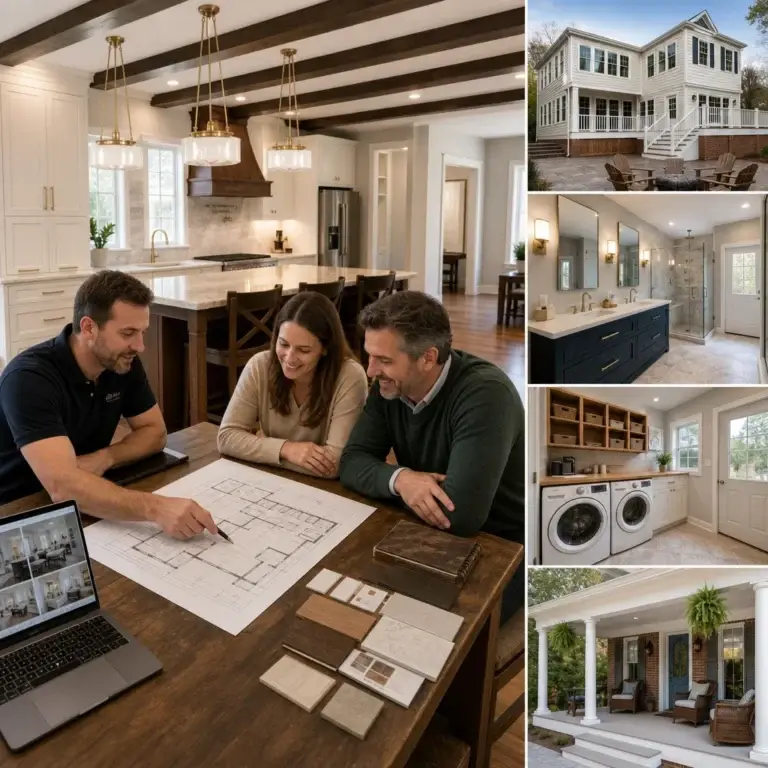
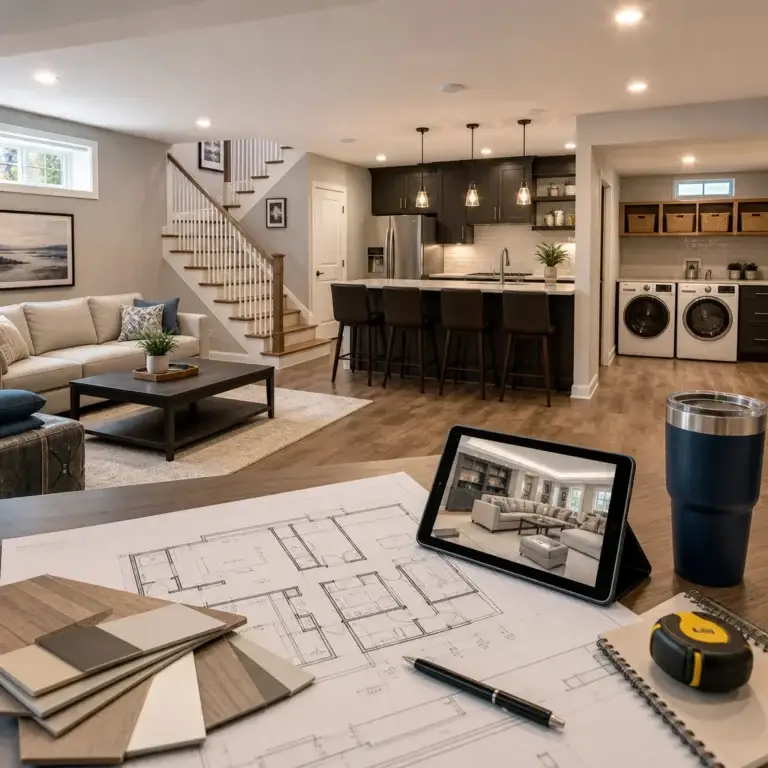
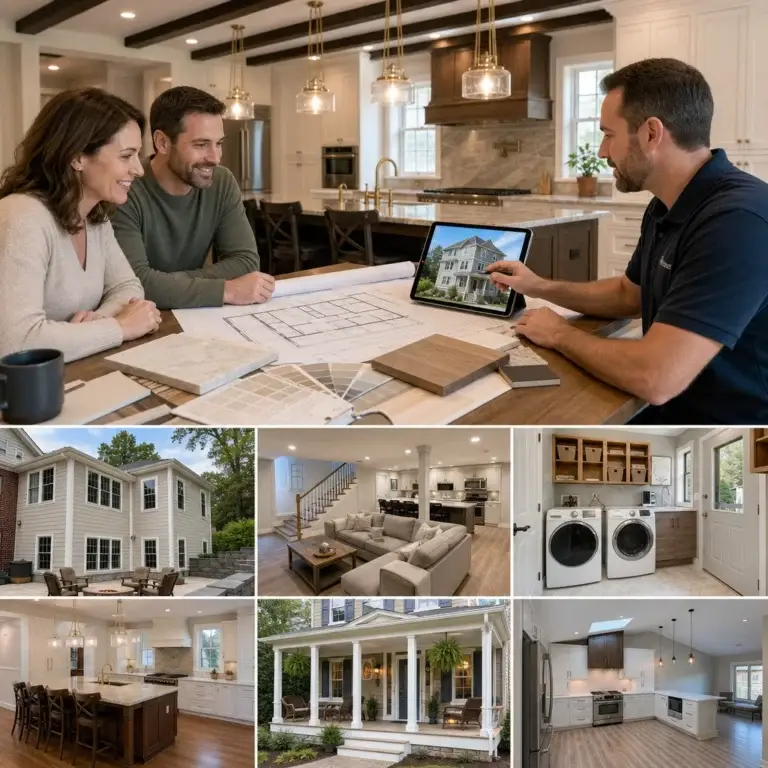
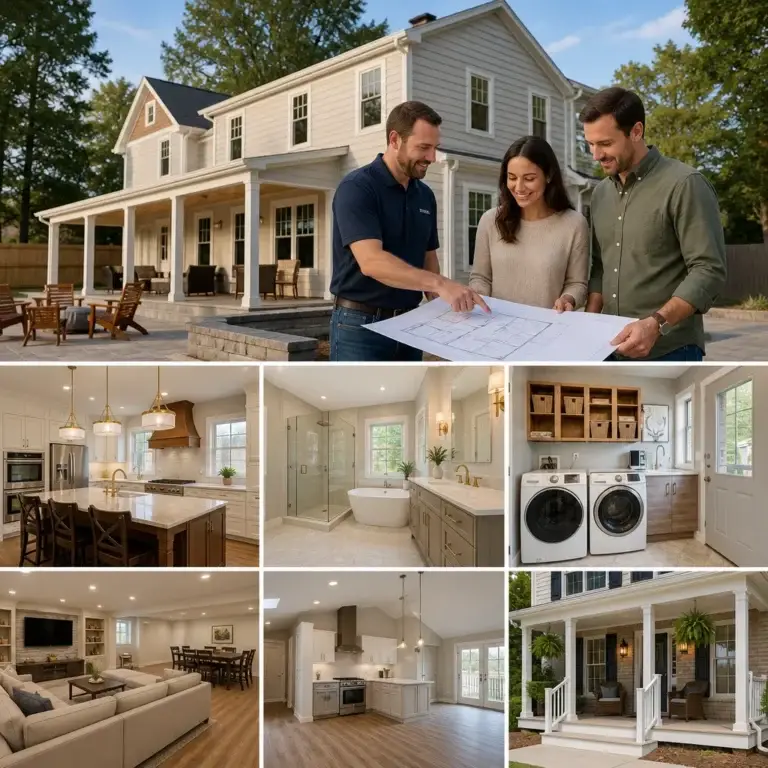
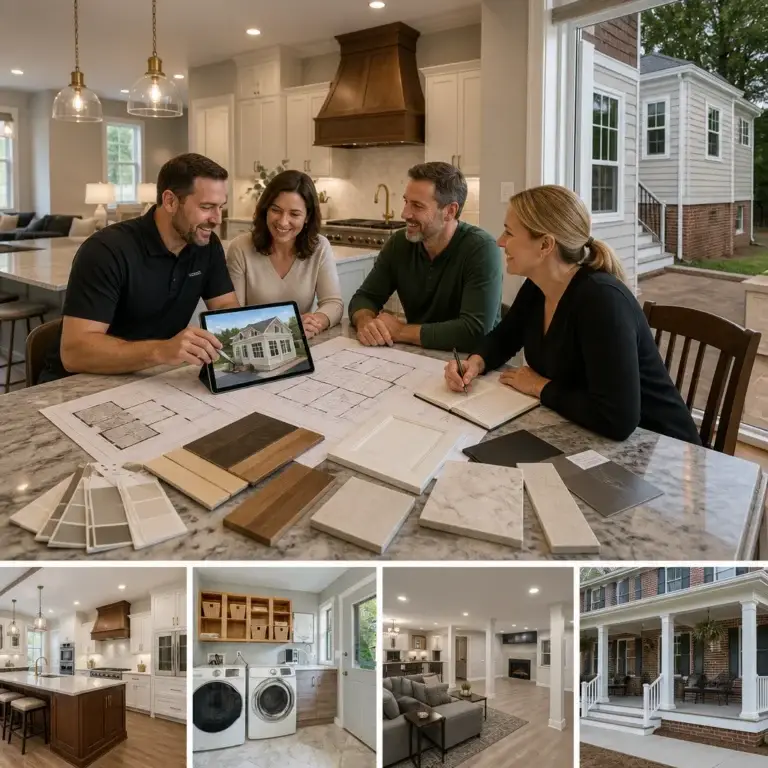
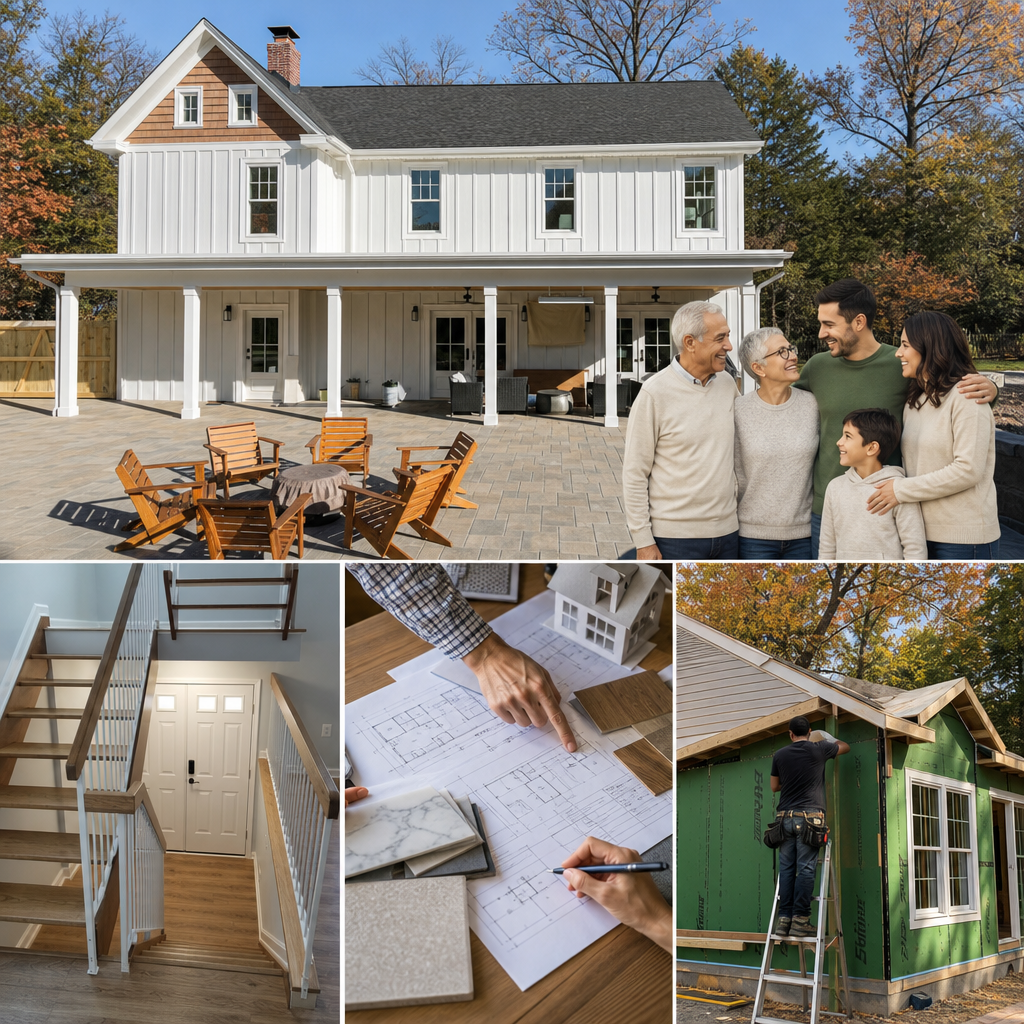
We prepare detailed renderings and floor plans so you visualize the finished space from every angle. You see exactly what you’re building before any permits are filed. This clarity prevents expensive design revisions mid-project and ensures your final space genuinely serves your needs.
Accessibility considerations also factor into thoughtful design. Whether planning for aging in place, mobility challenges, or simply future-proofing, we integrate universal design principles without aesthetic compromise. Wide hallways, accessible bathrooms, and no-step entries add genuine quality of life.
The design phase typically takes four to eight weeks, depending on complexity and review cycles. This investment in careful planning eliminates scrambling during construction.
What to do next: Gather reference images and examples of spaces you love, and prepare a realistic list of your non-negotiable requirements before our design meetings.
Permits and Compliance: We Handle the Complexity
Permit navigation separates experienced builders from those learning on your dime.
Fairfax County ALU regulations are detailed and specific. You need approval from multiple departments: planning and zoning, building code, fire marshal, health department, and utilities. Each has different timelines and requirements. Miss a single detail, and your entire application bounces back for revision, costing weeks of delay.
We manage this process completely. Our permit specialists know Fairfax County staff, understand their priorities, and submit applications with the precision required for first-pass approval. We’ve worked through every common contingency and know which details require clarification, which drawings need additional detail, and when face-to-face review is valuable.
Site plans include proper setbacks, lot coverage calculations, parking verification, utility easements, and grading plans. Architectural drawings show code-compliant sections, proper egress, utility placement, and exterior details. Our structural engineer certifies that the design meets all applicable building codes.
Electrical, mechanical, and plumbing plans are coordinated and detailed. We ensure code compliance and long-term serviceability. No shortcuts on critical systems.
Permit approval typically takes eight to twelve weeks from submission, depending on county processing and any required clarifications. We keep you informed throughout and address any questions promptly.
What to do next: Budget for proper permit drawings and inspections as essential project costs, not expenses to minimize. Skimping here creates legal and safety liability.
Material Selection and Quality Standards
The difference between a mediocre ALU and an exceptional one often comes down to material choices and craftsmanship in execution.
We guide you through material selections with expertise and aesthetic perspective. Whether choosing exterior siding to complement your home, selecting kitchen cabinetry, or picking flooring that balances durability and beauty, we explain the tradeoffs and long-term implications of each option.
For exterior finishes, we typically recommend materials that match your home’s existing siding in style and color family. Vinyl, fiber cement board, real wood, or brick each offer different aesthetics, maintenance profiles, and budgets. We help you understand why certain choices make sense for your specific situation.
Interior finishes reflect both your preferences and how the space will function. A unit designed for rental use needs durable, low-maintenance finishes. A space for family visits can incorporate more personal, refined selections. We design around your actual use, not a generic assumption.
Mechanical systems receive particular attention. Quality HVAC, plumbing, and electrical installation ensures long-term reliability and avoids the nightmare of servicing systems squeezed into tight spaces by rushed contractors. We use licensed, bonded trades and verify quality through regular inspections.
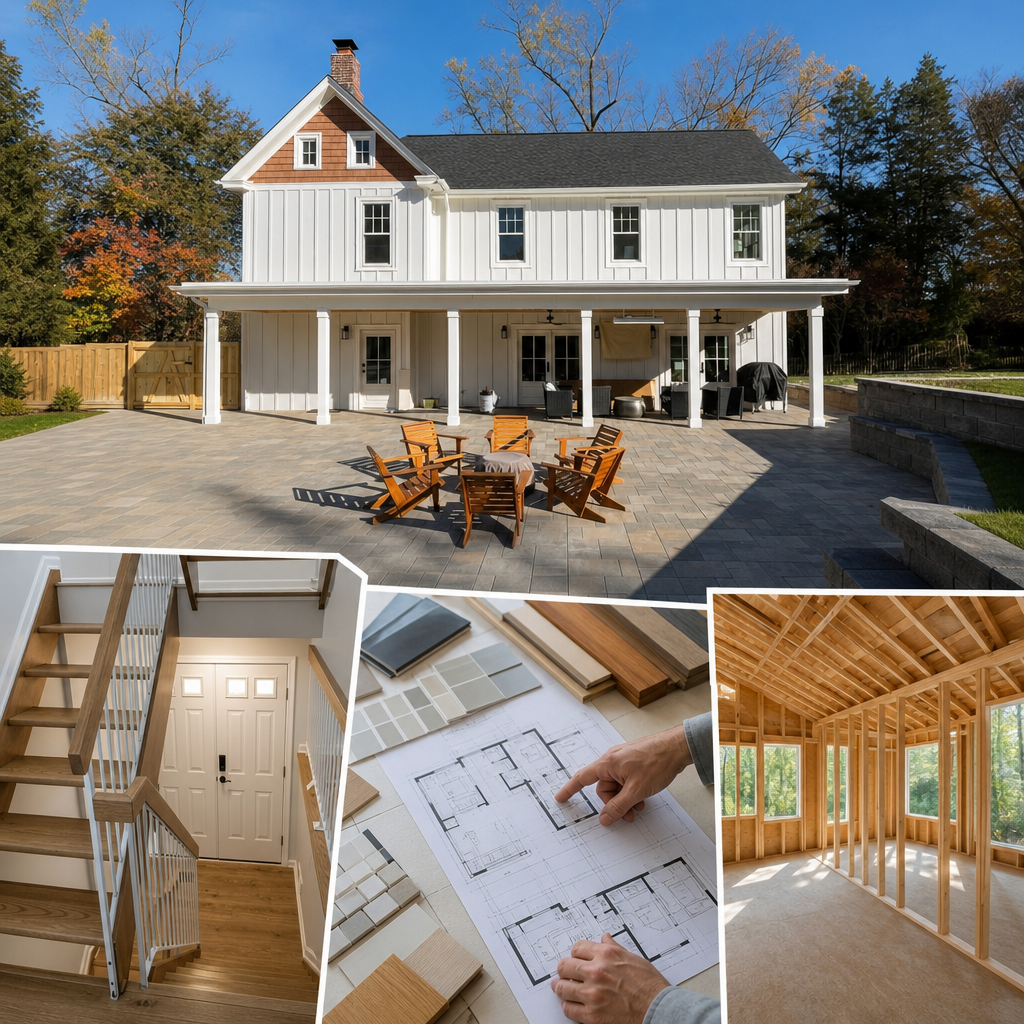
We source materials strategically to balance quality, availability, and budget. Long-lead items are ordered early. Finishes are selected with enough lead time to avoid hasty choices or expensive expediting. Your project timeline shapes our material purchasing schedule.
What to do next: Create a material inspiration folder with colors, textures, and styles you love. This gives us concrete direction rather than abstract preferences.
Construction Management and Timeline Accountability
Professional construction management transforms a project from a source of stress into a predictable process.
We maintain a detailed master schedule that maps every trade, material delivery, inspection point, and weather-dependent activity. Your project manager reviews this schedule daily, identifies potential bottlenecks before they cause delays, and communicates proactively with all parties.
Daily construction logs document work completed, materials received, inspections passed, and any issues requiring attention. You receive weekly updates highlighting progress, upcoming milestones, and any decisions needed from you.
Quality control happens continuously, not at the end. We inspect framing for straightness and structural integrity. We verify rough electrical, plumbing, and HVAC before walls close. We inspect finished work before requesting final inspections. This layered approach catches problems early when they’re inexpensive to correct, not after drywall covers the mistakes.
Coordination between trades prevents the delays that plague unmanaged projects. We schedule plumbers before electricians, rough inspections before framing gets covered, and final inspections before your occupancy. We manage parking, material staging, and site cleanup so your property stays functional throughout construction.
Weather considerations are built into the timeline. Roofing, exterior work, and concrete require favorable conditions. Our schedule includes contingency for typical seasonal weather disruptions without padding beyond realistic needs.
What to do next: Ask any potential builder to show you a sample project timeline and explain how they manage daily coordination and quality control.
Cost Predictability and Upfront Pricing
Perhaps the most important promise we make is this: your final cost won’t surprise you.
We provide a detailed, line-item estimate before construction begins. This estimate reflects everything included in the project scope: design, permits, labor, materials, and overhead. You understand exactly what’s included, what’s excluded, and how costs break down across different categories.
Change orders are inevitable on any construction project, but they’re not surprises. If you decide mid-project to upgrade finishes, add a feature, or address a site condition discovered during construction, we present the cost and timeline impact in writing before proceeding. You approve the change before we spend a dollar.
Our pricing is transparent. We don’t hide contingencies or inflate labor rates. We’re competitive because we’re efficient, not because we’re cutting corners or planning to recover costs through change orders.
We encourage you to understand your contract fully. Our design-build agreements clearly specify what’s included, what’s excluded, what conditions might trigger additional cost, and how changes are handled. No surprises. No ambiguity.
Payment schedules follow construction milestones, not arbitrary percentages. You pay for permits when they’re complete, foundation work when it’s finished, framing when it’s done. This approach aligns our interests with yours: we both benefit from efficient execution.
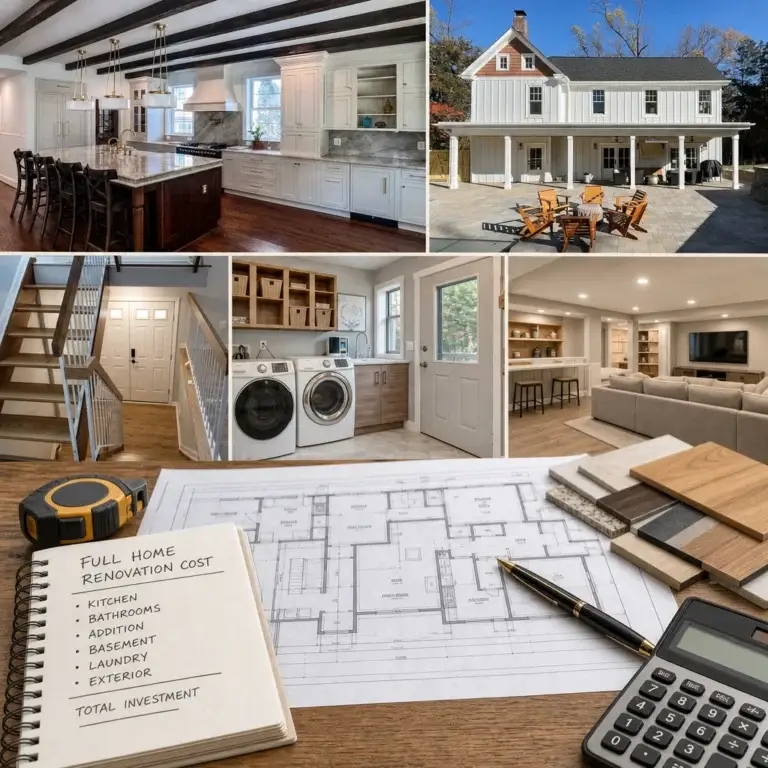
For a typical Fairfax County ALU project, you should expect investment ranging from $150,000 to $300,000 depending on size, finishes, and site conditions. Budget for premium finishes, optimal placement, and proper permitting as baseline expectations.
What to do next: Request a detailed, itemized estimate and ask specifically how change orders are priced and approved. Get everything in writing.
Finishing Touches: Creating Move-In Ready Spaces
The final phase determines whether your ALU feels complete and inviting or merely functional.
Finishing work includes all interior and exterior details that transform a shell into a home. Paint and flooring, kitchen and bathroom fixtures, lighting and hardware, landscaping and hardscaping. We ensure every detail meets quality standards and actually works as intended.
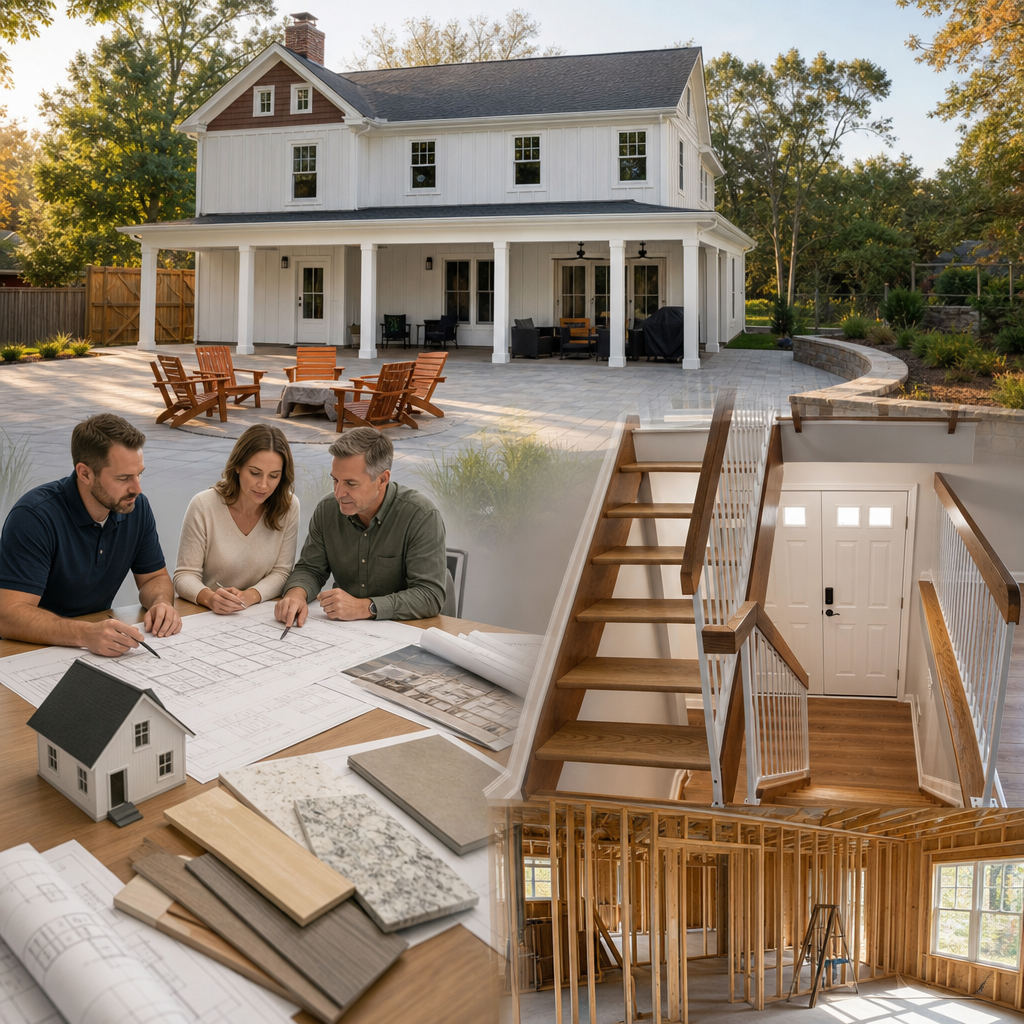
Paint selection receives proper attention. Finishes are chosen for the room’s function, natural light, and aesthetic goals. A north-facing bedroom benefits from warmer tones. A kitchen might use crisp neutrals as backdrop for cabinets and countertops. We help you think through choices rather than defaulting to generic white.
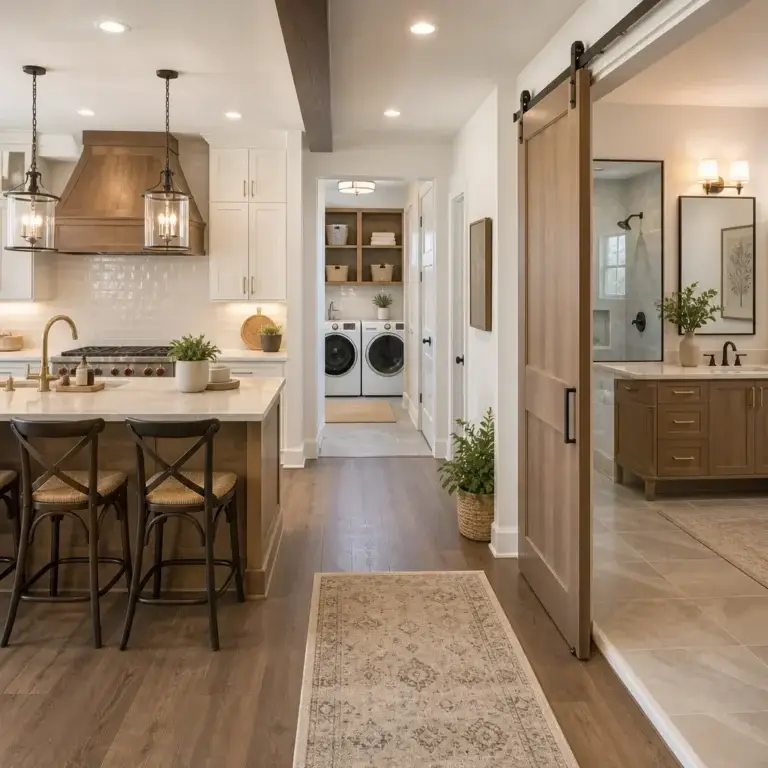
Kitchen and bathroom finishes are where quality construction becomes visible daily. We install cabinetry with proper spacing and alignment, countertops without seams or gaps, and plumbing fixtures that operate smoothly. These details matter for function and longevity.
Flooring transitions between rooms are handled carefully. We avoid the “mismatched tile grout line” syndrome by planning thresholds and layout thoughtfully. Transitions are finished properly, not covered with cheap molding.
Lighting design receives deliberate attention. General lighting, task lighting, accent lighting, and exterior illumination are planned to work together. We avoid over-lighting or under-lit spaces, instead creating layered light that serves both function and ambiance.
Final landscaping creates a finished property edge. Proper grading ensures drainage away from the foundation. Plantings are selected for your zone, maintenance level, and aesthetic preferences. Hardscaping is finished professionally, not left rough.
We conduct a thorough final walkthrough with you, addressing any remaining details before you occupy the space. Punch lists are completed and inspected. You receive all warranties, manuals, and documentation.
What to do next: Think through your lifestyle and how you’ll actually use the finished space. This guides finishing selections that genuinely serve you rather than checking aesthetic boxes.
Why Northern Virginia Homeowners Trust Our ALU Expertise
Our reputation in Northern Virginia is built on consistent delivery of thoughtfully designed, properly constructed ALUs that enhance families’ lives and property values.
We’ve completed dozens of accessory living units throughout Fairfax County and surrounding communities. We’ve worked on every lot type: constrained urban properties, sprawling suburban estates, sloped terrain, and sites with significant tree cover. We’ve built units for multigenerational families, independent young adults, aging parents, and rental income scenarios. This breadth of experience means we’ve solved problems unique to your specific situation.
Our relationships with Fairfax County permitting departments, utility providers, and trade contractors allow us to navigate complexity efficiently. We don’t learn ALU permitting on your project; we bring proven expertise to every detail.
We’re committed to your community. We live in Northern Virginia, understand the neighborhoods we serve, and care about maintaining property values and community character. We’re not a fly-in outfit applying generic formulas; we’re invested in serving your area well.
Homeowners consistently choose us because we deliver what we promise: thoughtful design, clear communication, transparent pricing, and professional craftsmanship. Your ALU isn’t a commodity project to us; it’s a family investment we respect and execute with genuine care.
Whether you’re exploring ALU possibilities or ready to move forward with construction, we’re here to guide you through the process with expertise and attention to your specific needs. Our accessory living unit services are designed to simplify complexity and deliver excellence. Learn more about our design-build ALU expertise and connect with our team to discuss your project vision.
Contact us Today For a Free Estimate !
Frequently Asked Questions (FAQ)
How long does an ALU construction project typically take from design to completion?
We generally complete full ALU projects within 4 to 6 months, depending on permit approval timelines and the scope of work. Our design-build approach keeps all phases coordinated, so we minimize delays between architectural planning, permitting, material ordering, and construction. We provide a detailed project schedule upfront so you know exactly when to expect each milestone.
What permits and approvals do we need for an ALU in Fairfax County?
We handle all permit coordination for you, including zoning verification, building permits, and utility connections. Fairfax County has specific requirements for accessory living units, and we navigate those regulations so you don’t have to. Our team manages the entire approval process and keeps you informed every step of the way.
Can we build an ALU on our existing lot, or do we need additional land?
Most Northern Virginia lots can accommodate an ALU, though we evaluate setback requirements, lot size, and local zoning restrictions during our initial consultation. We’ll review your property details and confirm feasibility before design work begins. If your lot works, we design the ALU to maximize your space while meeting all county requirements.