Table of Contents
- Why Homeowners Struggle When Comparing Addition Services
- The Hidden Costs of Big-Box Home Service Providers
- What Design-Build Contractors Offer That Retail Cannot
- Our Design-Build Approach: Integrated Planning and Execution
- Quality Standards and Craftsmanship Expectations
- Transparent Pricing and Project Contracts
- Permit Coordination and Compliance Management
- Timeline Reliability and On-Budget Delivery
- Case Studies: Transformation Projects in Fairfax County
- How We Serve Your Specific Community Needs
- Getting Started With Your Home Addition Project
Why Homeowners Struggle When Comparing Addition Services
When you decide to expand your home, you’re making a significant investment in your family’s comfort and your property’s future value. The choice of who builds that addition shapes everything from the design quality to your stress level during construction. We’ve helped hundreds of Northern Virginia homeowners navigate this decision, and we want to share what we’ve learned about why the contractor model you choose matters more than price alone.
The problem starts with comparison itself. When you’re shopping for a home addition contractor in Fairfax County, you’re likely seeing a wide range of options: national franchises, general contractors, design firms that outsource construction, and specialized design-build teams. Each operates under a different model, with different incentives and different outcomes.
Most homeowners compare based on what feels easiest to evaluate: the initial quote. But a number on paper tells you almost nothing about whether your addition will be delivered on schedule, whether the design will truly fit your home and lifestyle, or whether unexpected costs will derail your budget. You’re left comparing apples to oranges without realizing it.
The real challenge is that big-box services and specialized contractors compete on completely different dimensions. A national handyman franchise might quote your project at a low price because they’re managing costs by limiting their scope, reducing design time, or outsourcing key decisions. A local design-build contractor quotes differently because they’re factoring in comprehensive planning, specialized expertise, and accountability throughout the entire project. These aren’t the same service, but the quotes can look deceptively similar.
What to do next: Before requesting any quotes, decide what matters most to you: lowest price, fastest timeline, highest design quality, or lowest stress. Then look for contractors who actually specialize in those priorities rather than trying to be everything to everyone.
The Hidden Costs of Big-Box Home Service Providers
National services and retail-oriented contractors often advertise low prices because they don’t disclose the full scope of what you’re actually managing. Here’s what typically gets missed:
Design coordination costs. Big-box providers often connect you with a design service or generic floor plan, then hand off to construction crews who weren’t part of the design conversation. Changes mid-project are common, and changes cost time and money. You end up paying premium pricing for revisions that a truly integrated team would have caught during planning.
Permit and code management surprises. Fairfax County has specific building codes, setback requirements, and permit procedures. When your contractor treats permits as a checkbox rather than a strategic planning element, you discover mid-construction that your addition doesn’t meet current energy codes or that your roof pitch violates setback rules. Now you’re redesigning on the fly and paying expedited fees.
Subcontractor turnover and quality gaps. Big-box services juggle multiple projects simultaneously and rely on a rotating roster of subcontractors. When the framing crew moves to the next job site, the electrical subcontractor who arrives next week might not be familiar with the design intent or the specific site challenges. Quality suffers, and accountability becomes murky.
Change order inflation. Because the initial estimate was disconnected from detailed design and site assessment, unforeseen conditions emerge regularly. Unexpected foundation work, old plumbing that needs replacement, or structural issues discovered during demolition trigger change orders. You’re already committed to the project and in the middle of construction, so you pay whatever they quote.
Timeline creep. When coordination breaks down between design and construction, delays multiply. A delivery of custom materials gets pushed back. Inspectors find issues that should have been caught at plan review. Subcontractors aren’t scheduled efficiently. Your project that was supposed to take five months takes seven, and you’re still paying.
What to do next: Ask any prospective contractor to explain their design process, how they manage permits, and whether the team building your addition was involved in planning it. If they can’t articulate how these pieces connect, they’re likely operating the fragmented model that causes cost overruns.
What Design-Build Contractors Offer That Retail Cannot
We operate on a fundamentally different principle: architects, designers, and construction managers work as a single team from day one. This isn’t a marketing distinction. It changes how your project actually gets built.
When design and construction are integrated, the architect understands what’s buildable before drawing it. The construction manager sees design challenges during planning, not during framing. The entire team has a shared incentive to deliver on time and on budget, because we’re all accountable to the same project outcome. There’s no passing blame between separate firms when something goes wrong.
This model produces specific, measurable benefits:
Realistic upfront budgets. Because our construction team is involved in design planning, we understand cost implications in real time. We’re not guessing. We know what finishes cost in Northern Virginia right now, what labor rates are, and what surprises your specific home’s foundation is likely to present. Your estimate is detailed and grounded in actual experience.
Design that matches your needs and site. Architects who work alongside builders design additions that actually function within your home and neighborhood. They see the kitchen addition not as a 2D floor plan but as a three-dimensional space that connects to your existing HVAC, electrical, and plumbing. They understand how morning light hits your backyard and position windows accordingly. They know the exact roofline pitch that matches your home’s architecture.
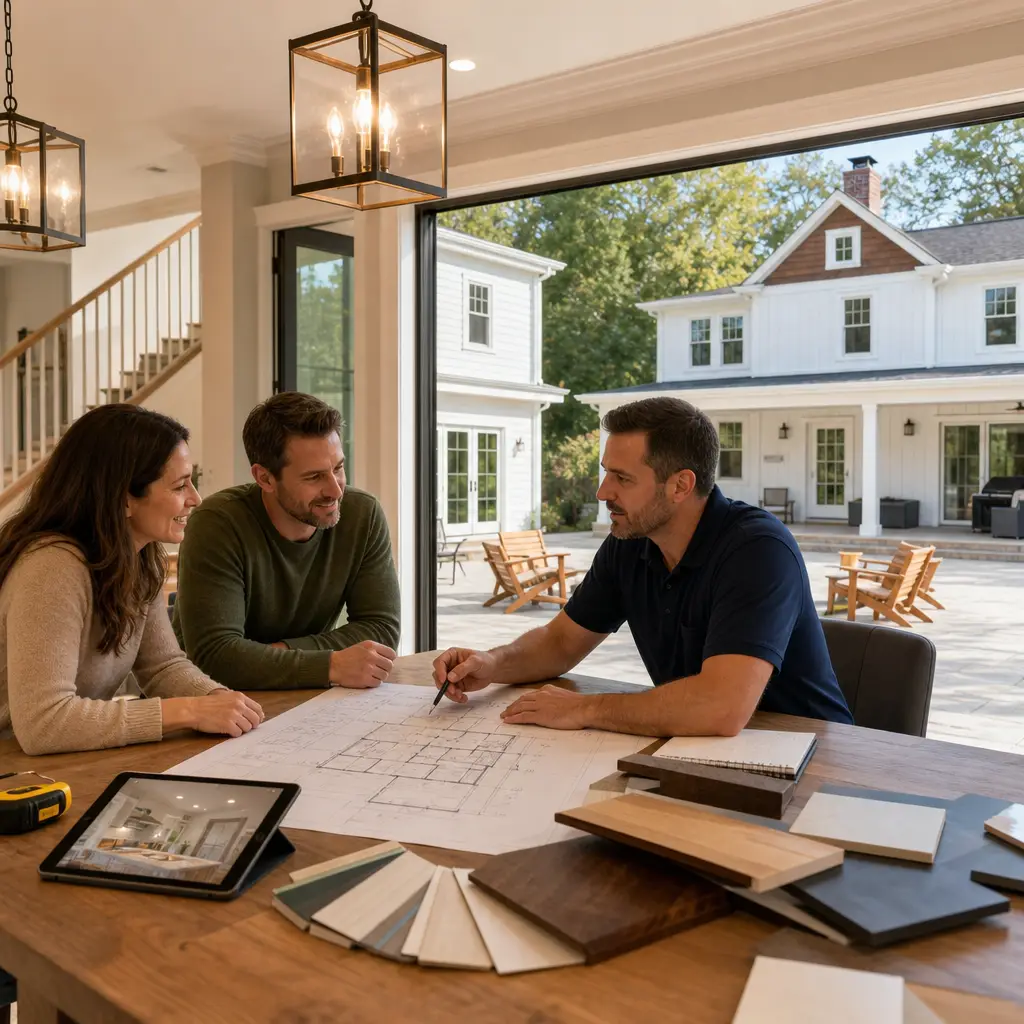
Coordinated permits and compliance. Our team manages the entire permit process, working with Fairfax County code officials during design to ensure your addition complies before construction starts. You’re not discovering issues mid-project. This prevents costly redesigns and schedule delays.
Accountability from start to finish. You have one point of contact responsible for the entire scope. Design timelines, construction schedules, quality standards, and final inspections all come from the same organization. Accountability is clear and unavoidable.
What to do next: When you speak with contractors, ask about their specific design process and whether the team building your addition will be the same team that designed it. The answer reveals their entire operating model.
Our Design-Build Approach: Integrated Planning and Execution
We start every project with a comprehensive discovery conversation. We’re learning about how you use your home, what your family’s growing needs are, and what an ideal outcome looks like for you. At the same time, we’re assessing your existing home: foundation condition, roof structure, electrical panel capacity, HVAC system capability, and site orientation.
This upfront assessment is where most contractors skip important work. We invest time here because it directly influences design quality and construction reality. A poorly assessed existing home leads to surprises during construction. A clear understanding of your needs leads to designs that people actually love living in.
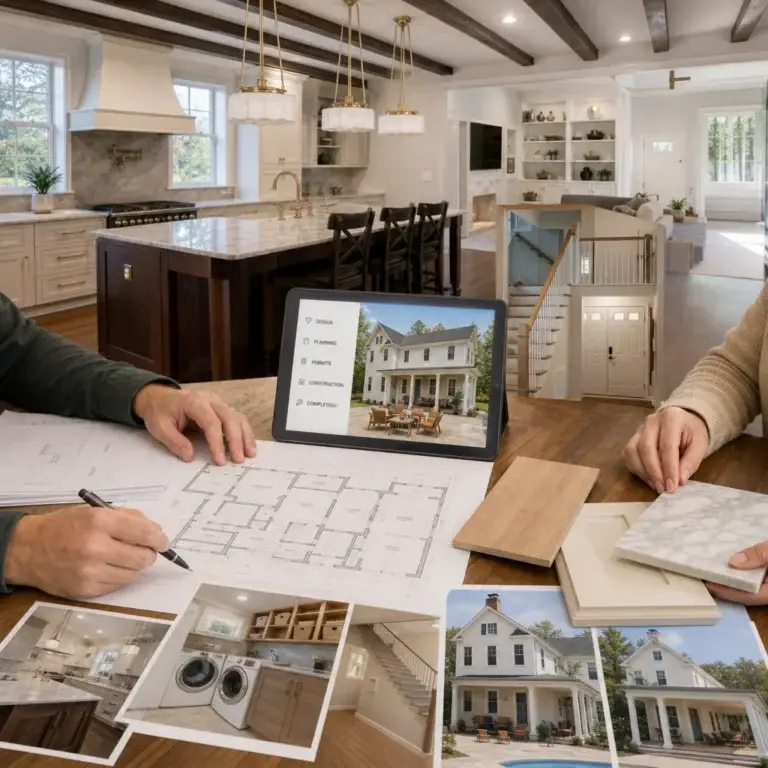
Our architects then develop a detailed design that’s both beautiful and constructible. The design incorporates building code compliance from the start, realistic cost estimates, and constructibility feedback from our project managers. We’re not designing in a vacuum. We’re designing with full knowledge of what the construction will actually require.
Once your design is approved and permits are pulled, our construction team executes using the same detailed coordination. Weekly job meetings keep the entire crew aligned. Prefabricated components are ordered to exact specifications. Quality checkpoints happen before drywall hides problems, not after. Material deliveries are scheduled to sequence with installation, reducing site congestion and minimizing waste.
This integrated approach compresses the typical friction that causes delays and overruns. You spend less time in coordination meetings because there are fewer gaps to coordinate across. Your project follows the planned schedule because the planned schedule was built by the team executing it.
What to do next: Ask any contractor whether their design team works directly with their construction crews or whether they hand off designs to a separate builder. The answer determines whether you get a seamless experience or a fragmented one.
Quality Standards and Craftsmanship Expectations
Quality isn’t subjective on a construction site, though it’s often treated that way. We work from specific standards that we can show you and that inspectors can verify.
Our framing meets the International Building Code and Fairfax County amendments. Our electrical work exceeds the National Electrical Code. Our finish carpentry follows industry standards for acceptable tolerance and appearance. These aren’t opinions. They’re measurable criteria that guide every crew member’s work.
Beyond code compliance, we maintain craftsmanship standards that reflect the investment you’re making. Baseboards are mitered at corners, not caulked over rough joints. Cabinet doors are aligned and hung so they operate smoothly for years. Tile work is planned so grout lines align and don’t require awkward cuts at edges. Exterior trim and siding match your existing home in material and profile.
We document quality through a detailed inspection process before you take final responsibility. Our construction manager walks the completed project with you, pointing out specific details and explaining what to expect as materials settle and finish over the first year. We provide a comprehensive warranty and a clear process for addressing any issues that emerge.
What to do next: Request references from a contractor and ask previous clients about quality details: Did the project look like the renderings? Did finishes match quality expectations? Did anything disappoint you?
Transparent Pricing and Project Contracts
We believe homeowners deserve to understand exactly what they’re paying for. Our contracts are detailed and specific, not vague estimates with broad contingency language.
Your contract includes a complete scope of work with detailed line items for each phase: site preparation, demolition, foundation work, framing, electrical, plumbing, HVAC, insulation, drywall, painting, flooring, cabinetry, and finish hardware. You can see what labor and materials are included for each element. You understand what’s excluded and what constitutes a change order.
Our pricing includes specific costs for materials at current market rates, realistic labor estimates based on crew efficiency and job complexity, and reasonable contingency for unforeseen conditions discovered during construction. We’re not hiding costs. We’re being precise about what you’re getting.
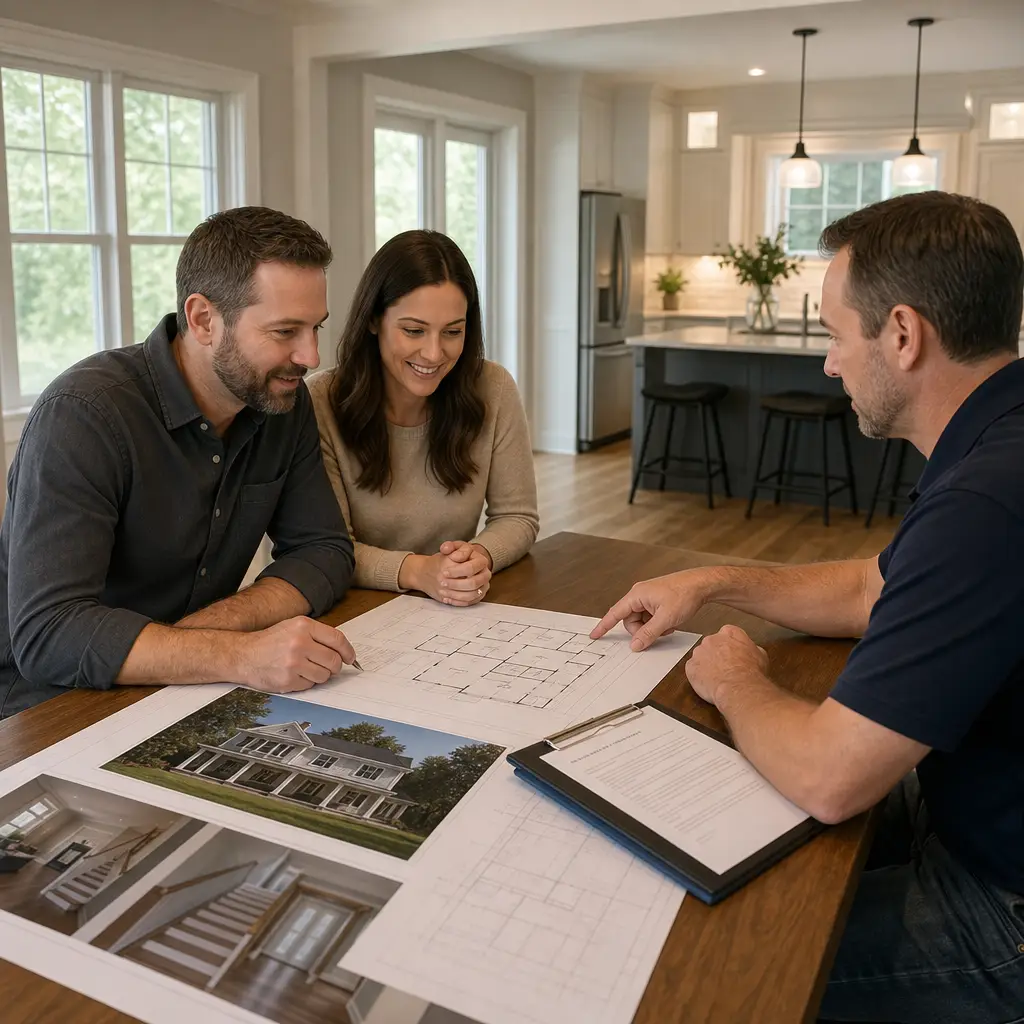
We also clearly define what happens if unforeseen conditions emerge. That old knob-and-tube wiring discovered in your walls, or the rotted rim joist that shows up when we remove exterior siding, gets priced fairly and transparently. We provide a written scope change so you see exactly what the adjustment is and why before you approve it.
Change orders are inevitable in remodeling because you’re working within an existing home that surprises you. We manage them professionally: we assess the condition, explain the options and costs, and let you decide before proceeding. You’re never billed for surprises without your knowledge and approval.
What to do next: Request a sample contract or detailed scope from any contractor you’re seriously considering. If they can’t produce specific line items and clear change order language, keep looking.
Permit Coordination and Compliance Management
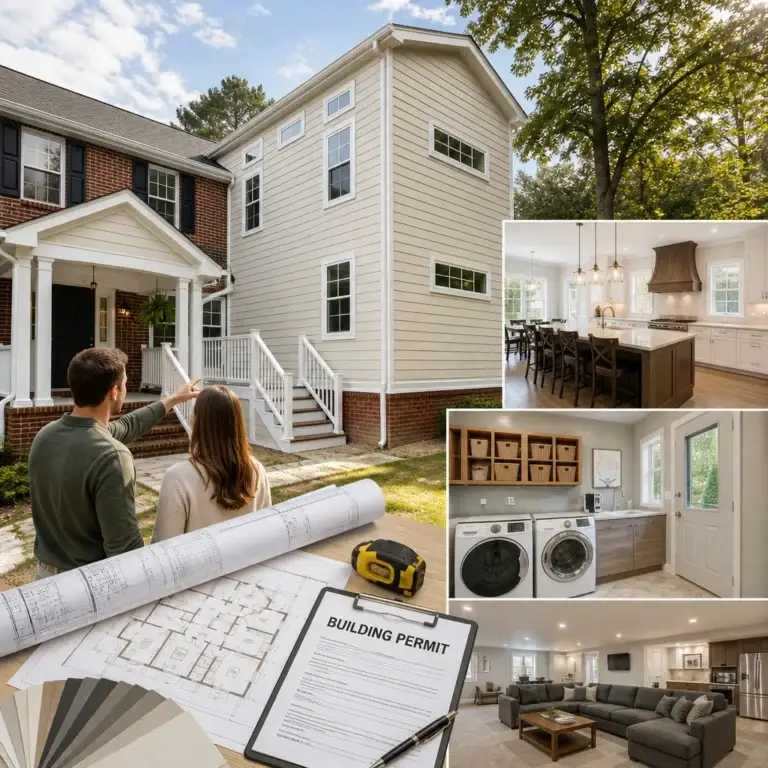
Fairfax County requires permits for structural additions, significant electrical and plumbing work, and most remodeling projects over a certain cost threshold. Permits exist for good reasons: they ensure your addition meets current building codes, won’t compromise your home’s safety, and won’t create issues for neighbors.
Many homeowners view permits as a bureaucratic inconvenience. Contractors sometimes see them as a cost to minimize. We view permits as a planning tool that prevents expensive problems.
Our team submits detailed plans that clearly show how your addition meets current code requirements. We work with the county during plan review, not around it. When inspectors have questions, we answer them during design rather than mid-construction when corrections are costly. Electrical inspections happen at rough-in, before walls are closed. Framing inspections verify structural integrity before any finishes cover the work.
This proactive approach typically accelerates your permit and inspection timeline. It eliminates the scenario where construction stops mid-project while you and your contractor sort out a code violation that should have been addressed months earlier.
What to do next: Ask a prospective contractor how they handle plan review and whether they’ve had projects rejected or significantly delayed during permitting. A contractor with a good relationship with Fairfax County’s building department and a track record of smooth inspections is a lower-risk choice.
Timeline Reliability and On-Budget Delivery
We commit to timelines and budgets because we’ve built our entire operating system around delivering them.
Your project schedule is developed during design, not invented during construction. We estimate how long demolition actually takes, how long materials take to arrive, how weather impacts exterior work, and how subcontractor availability affects coordination. This schedule is realistic. It’s built by the team executing it.
We protect the schedule through detailed daily planning. Site supervisors coordinate material deliveries, schedule subcontractors in the right sequence, and manage daily priorities. If framing was supposed to start Monday and materials arrive late Friday, we adjust Friday’s work to prepare the site while staying on overall schedule.
Budget protection works similarly. Because design is detailed and permits are in place before construction starts, we’re not discovering mid-project that your new kitchen requires additional electrical capacity or that your bathroom addition conflicts with your neighbor’s easement. These issues get solved in the planning phase when corrections are inexpensive.
We also manage labor and materials costs actively. We maintain relationships with material suppliers, we order in volume to secure pricing, and we run lean operations to minimize waste. These efficiencies get passed to you, not absorbed as profit margin.
What to do next: Ask any contractor for references from clients about schedule and budget performance. Specifically ask: Did the project stay on timeline? Did costs match the original estimate, or were there significant change orders?
Case Studies: Transformation Projects in Fairfax County
The best way to understand our approach is through actual projects.
One family in Fairfax called us about their aging kitchen and the fact that their three children had nowhere to do homework or projects. Their kitchen was disconnected from the rest of their home, and the breakfast area was too small for family meals. We designed a major kitchen remodel that opened sight lines to the dining room, expanded counter space for multiple people to work at once, and created a dedicated study nook with task lighting and storage.
The design required moving a load-bearing wall, which is why permit review was critical. During design, we confirmed with the county that our support beam plan met current code requirements. When construction started, inspectors had already blessed the approach. The project stayed on schedule and came in within budget because there were no mid-project surprises.
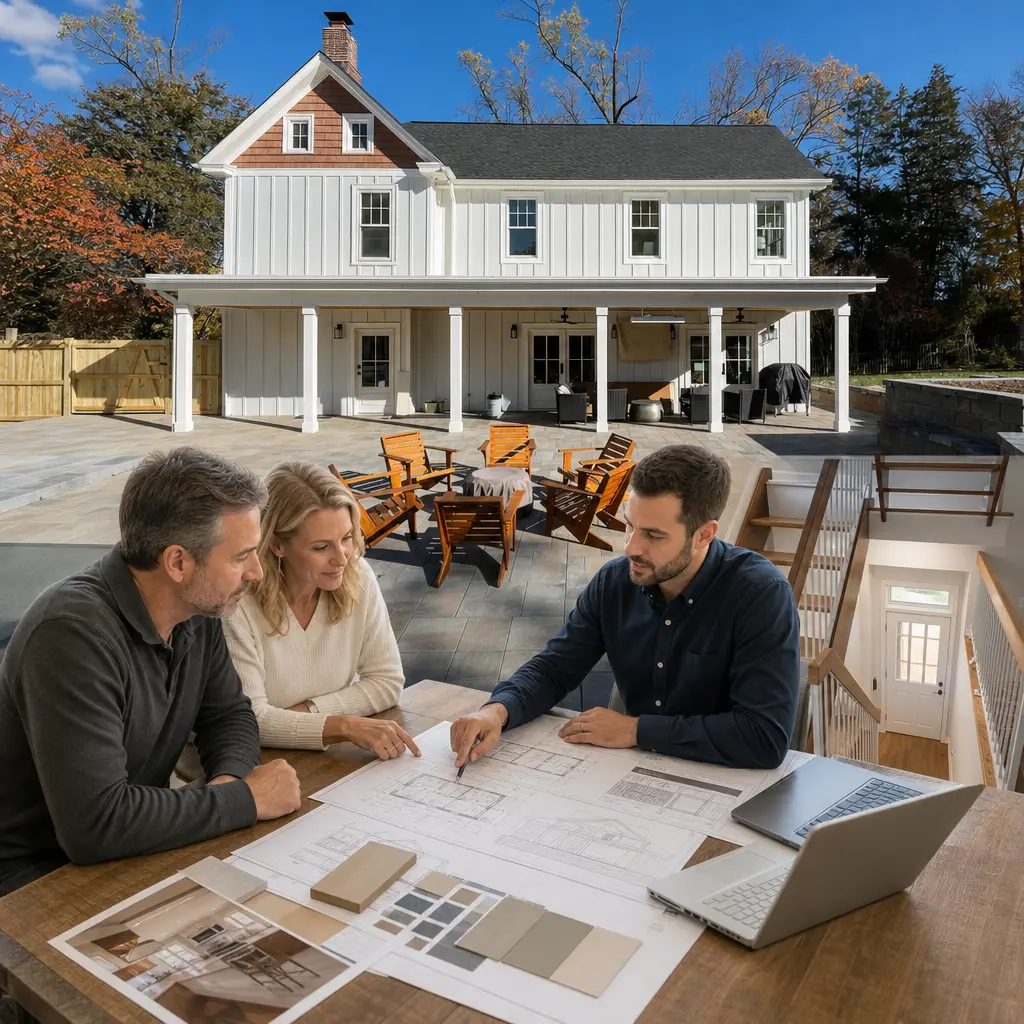
Another project involved a room addition in Fairfax VA for a family that needed home office space after transitioning to remote work. Their existing office was cramped and shared with storage. We added a dedicated 14-by-16-foot space that connected smoothly to their existing home. The addition matched the roofline and exterior finishes, included new windows positioned to avoid direct afternoon sun (which would have created heat issues during video calls), and included built-in shelving for equipment storage.
A third example involved an older home where the owners wanted to age in place. Instead of moving to a retirement community, they wanted to stay in their neighborhood. We created a primary suite addition on the main floor, designed with an accessible bathroom, a large walk-in closet, and visual connection to the rest of the home so they wouldn’t feel isolated.
In each case, the design integrated with the existing home’s architecture, the budget was detailed upfront, permits were handled proactively, and the timeline was met. These outcomes aren’t accidental. They’re the result of how we structure our work.
What to do next: Ask any contractor for before-and-after photos of completed additions in your area. Look at how well the new space integrates with the existing home. That integration is a sign of thoughtful design, not luck.
How We Serve Your Specific Community Needs
Fairfax County and Northern Virginia have specific building characteristics and code requirements that matter for your project.
Many homes in Arlington, Alexandria, and Falls Church are on smaller lots with setback and easement requirements that constrain where additions can go. Our team understands these zoning constraints and helps you maximize your options within them. We’ve navigated hundreds of property surveys and easement documents. We know which corners of your property are actually buildable.
Homes throughout the region have varying foundation types: some on concrete slabs, some on basements, some on crawl spaces. Each presents different structural and moisture management challenges when you’re adding square footage. We assess your specific foundation type during planning and design accordingly.
The community also values homes that look like they belong. A new addition that clashes with the existing architecture reduces your home’s appeal and resale value. We design additions that respect your existing home’s character while delivering modern functionality inside. Whether you’re in McLean, Burke, or Springfield, we understand the architectural vernacular and design accordingly.
We’re also deeply familiar with Fairfax County’s permit process, building inspectors’ preferences, and code officials’ expectations. This familiarity translates to smoother permit approval and fewer inspection complications.
What to do next: Choose a contractor who specializes in your specific area and can show you completed projects in your community. Local expertise matters.
Getting Started With Your Home Addition Project
When you’re ready to move forward, here’s what our process looks like:
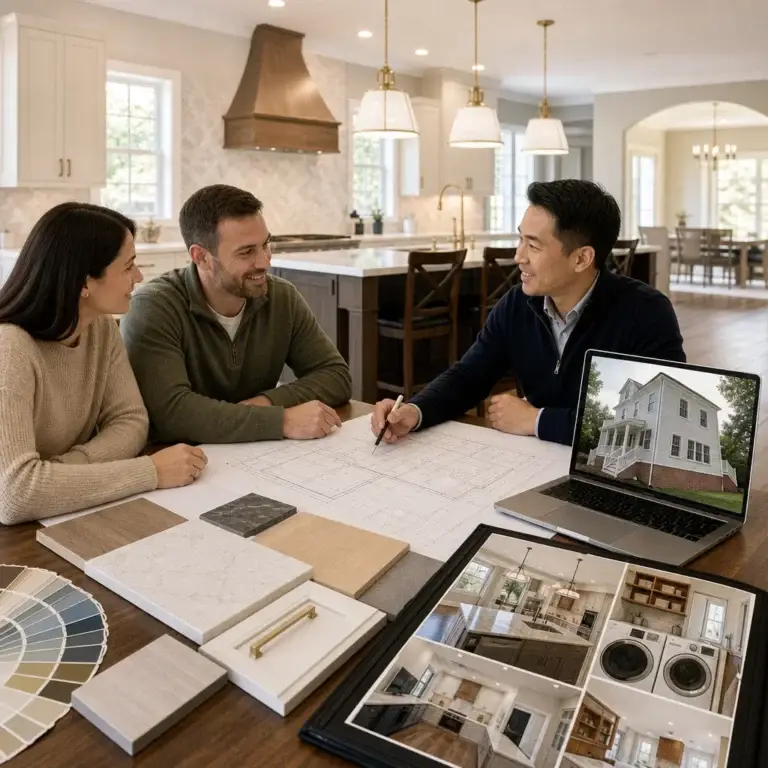
Initial consultation: We schedule a time to tour your home, understand your vision, and assess your existing space. This conversation is free and non-obligatory. We’re learning whether we’re a good fit for your project and what your actual needs are.
Design proposal and estimate: Based on our consultation, we develop a detailed proposal that includes design scope, estimated timeline, and estimated budget. This proposal gives you a clear picture of what we’d deliver and what it would cost.
Design development: If you choose to move forward, we begin detailed design work. You’ll review concept drawings, discuss finishes and materials, and refine the design until it matches your vision. This phase typically takes 4-8 weeks, depending on project complexity.
Permit preparation: Once design is approved, we prepare detailed construction documents and permit applications. We work with Fairfax County through the review process, answering questions and addressing any concerns.
Construction: With permits in hand, we schedule construction. You’ll have a dedicated project manager who’s your primary point of contact. We provide weekly updates, coordinate inspections, and manage the entire execution.
Final walkthrough and warranty: When construction is complete, we walk through the project with you, pointing out details and explaining what to expect as materials finish and settle over time. We stand behind our work with a comprehensive warranty.
If you’re in Annandale, Fairfax, Arlington, or anywhere else in Northern Virginia and you’re considering a home addition, we’d like to talk with you about your project. We bring design expertise, construction experience, and a commitment to delivering on time and on budget. Contact us today to schedule your initial consultation.