Table of Contents
- 1. Pre-Design Consultation and Site Assessment
- 2. Architectural Design and Permit Preparation
- 3. Permit Submission and Approval Process
- 4. Material Selection and Specification Finalization
- 5. Construction Scheduling and Crew Mobilization
- 6. Active Construction and Quality Inspections
- 7. Final Inspections and Project Completion
- Frequently Asked Questions (FAQ)
1. Pre-Design Consultation and Site Assessment
The foundation of any successful addition starts with a thorough conversation about what you actually need. Many homeowners jump straight into sketching ideas, but we’ve found that taking time upfront to understand your vision, budget, timeline, and site constraints saves weeks of rework later.
During our initial consultation, we listen closely to your goals. Are you adding space for a growing family? Creating a multigenerational living area? Expanding your kitchen? Each scenario shapes the design differently. We also discuss your realistic budget and any hard deadline you’re working toward, like a new job starting in the fall or an upcoming family event.
Next comes the site assessment. Our team visits your property to evaluate the existing structure, soil conditions, drainage patterns, utility locations, and setback requirements. We photograph the current layout, take measurements, and note any potential challenges like tree roots, underground lines, or structural issues that might affect the addition’s placement. This isn’t a quick walk-around; we’re gathering the data that informs every design decision going forward.
We also identify what permits and approvals your specific property will need. Fairfax County has different zoning rules depending on whether you’re in Annandale, Arlington, Great Falls, or another service area. Some neighborhoods have homeowners association restrictions. Understanding these constraints early prevents costly surprises.
Action step: Schedule a consultation and request a full site visit. Share photos and measurements of your current space, your lifestyle needs, and any sketches or Pinterest boards you’ve started. The more information you provide, the better we can assess feasibility and timeline.
2. Architectural Design and Permit Preparation
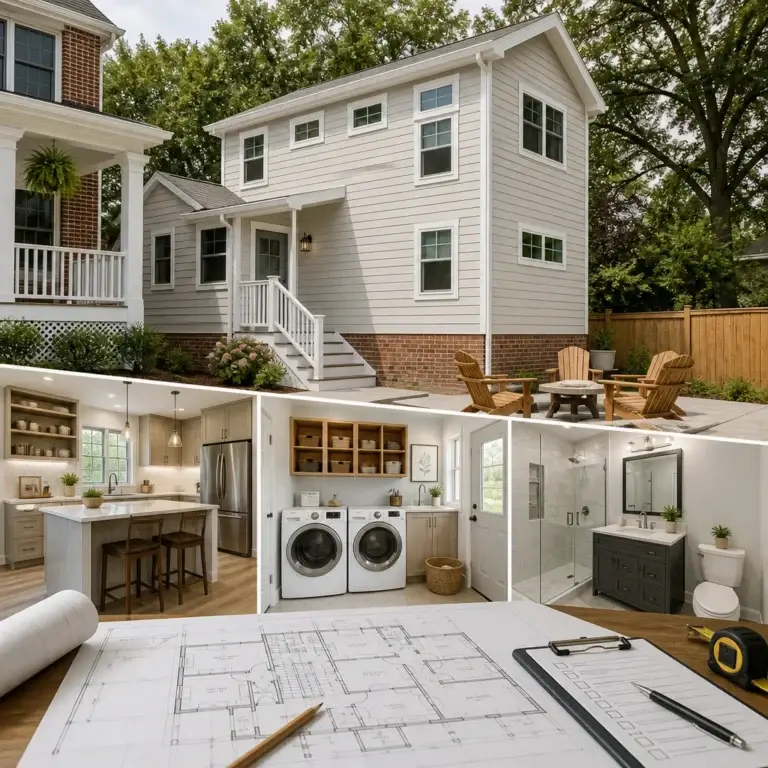
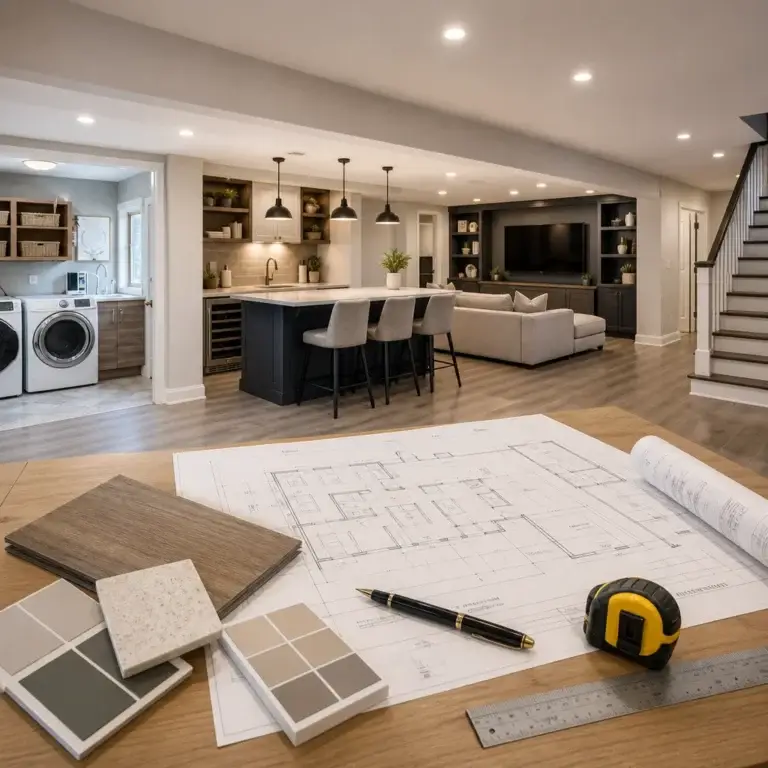
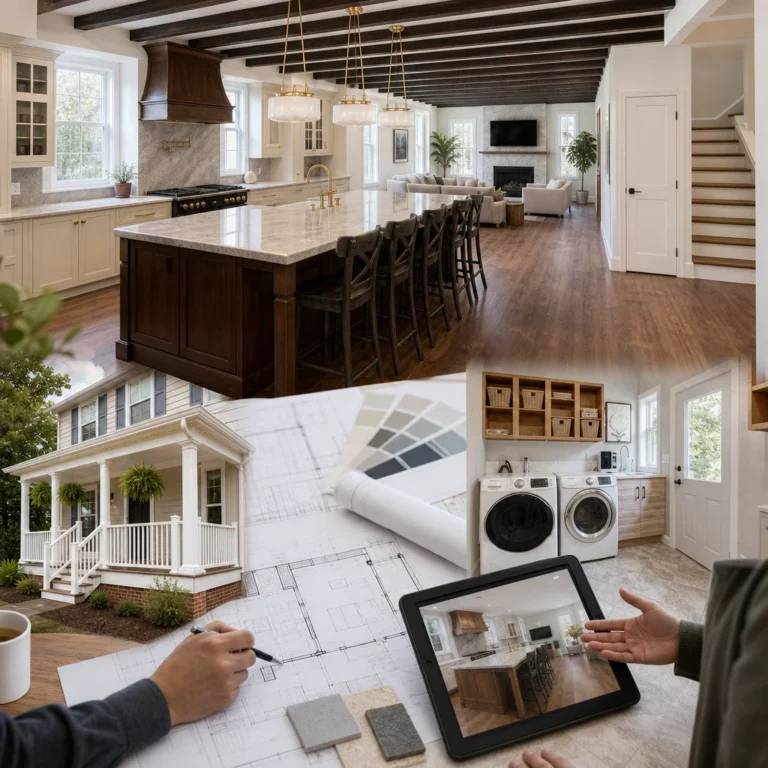
Once we understand your vision and the site conditions, our design team creates a detailed architectural plan. This isn’t a rough sketch; it’s a complete set of construction documents that serves both as your design blueprint and as the basis for permit submission.
During this phase, we work with you to refine the addition’s size, layout, materials, roof pitch, and integration with your existing home. You’ll see multiple design iterations as we balance your preferences with structural logic, building codes, and architectural cohesion. If you’re adding a kitchen or bathroom, we coordinate with you on plumbing and electrical layouts. For room additions or accessory dwelling units, we confirm ceiling heights, window placement, and mechanical system connections.
Our architectural drawings include floor plans, elevations, sections, and details that show exactly how the new space connects to the existing structure. We also prepare the energy code compliance documentation, which is mandatory in Virginia. Fairfax County requires proof that your addition meets the Virginia Energy Code, so we calculate U-values, insulation requirements, and HVAC specifications as part of the design package.
Simultaneously, we’re preparing the technical documents the permit office will need. This includes structural calculations, foundation details, roof framing plans, and mechanical/electrical/plumbing layouts. We coordinate with specialty engineers (structural, mechanical, electrical) as needed to ensure every system is properly sized and code-compliant.
The quality of your permit documents directly affects approval timing. Incomplete or unclear drawings cause rejections and delays. We’ve invested in professional design tools and experienced staff specifically to eliminate that friction.
Action step: Allocate 4 to 8 weeks for the design phase. Come prepared with finalized decisions on major elements like addition size, roof style, and material preferences. Vague decisions at this stage extend the timeline significantly.
3. Permit Submission and Approval Process
Submitting your addition for permit approval is where the Fairfax County Building and Development Services process begins. This step typically takes 2 to 6 weeks, depending on the complexity of your project and the current workload at the permitting office.
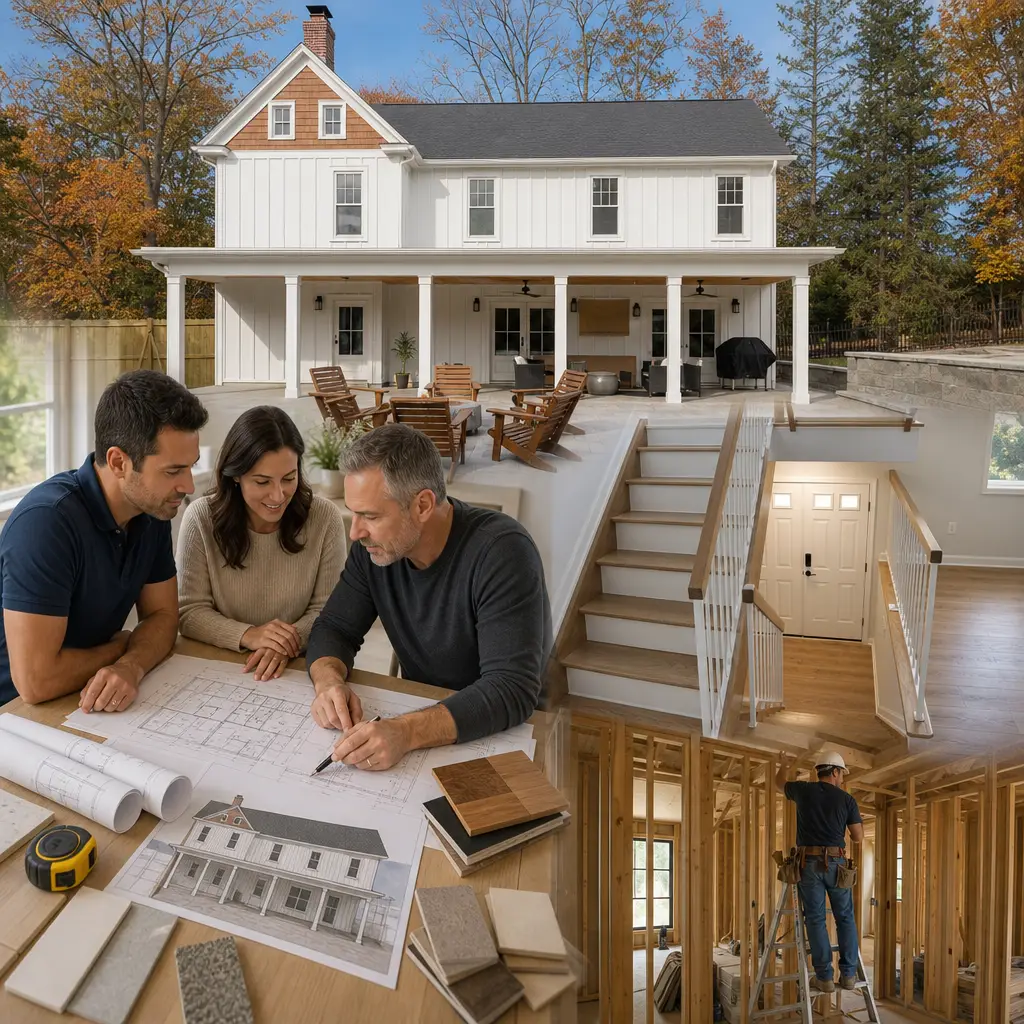
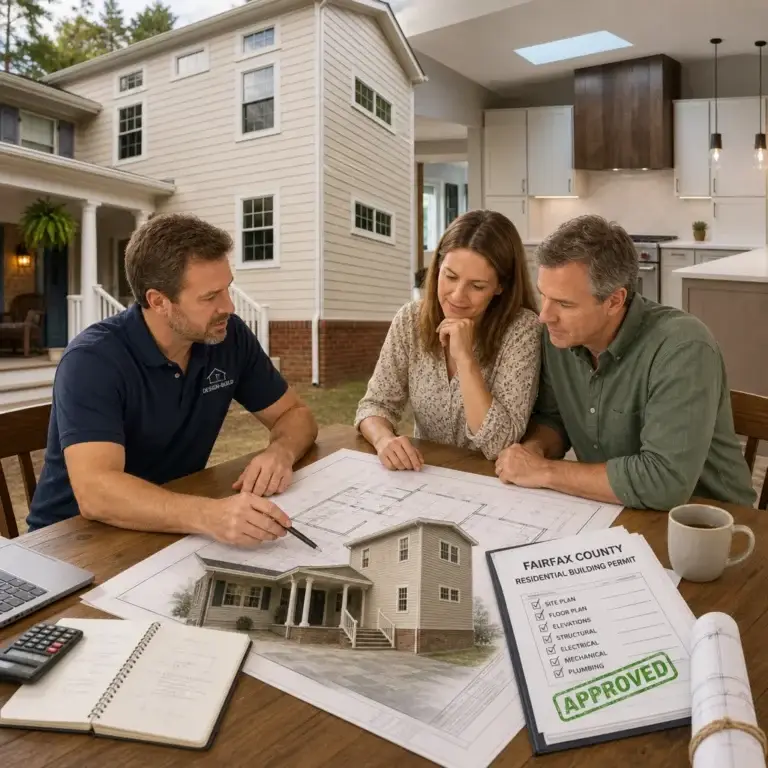
We handle the entire submission on your behalf. We compile all required documents (architectural drawings, structural calculations, electrical plans, mechanical plans, site plans, and energy code compliance) and submit them electronically through the county’s system. We also prepare the completed permit application with accurate information about project scope, estimated costs, and contractor details.
When the building official reviews your submission, they’re checking for code compliance, proper structural design, and adherence to Fairfax County zoning ordinances. If the plans are complete and clear, they’ll issue the permit. If they identify deficiencies or have clarification questions, they’ll issue a “Request for Additional Information” (RAI). This is normal and expected on most projects.
Here’s where our experience makes a tangible difference: we understand exactly what the Fairfax County reviewers are looking for. When we receive an RAI, we know which questions are routine and which indicate a potential design issue. We respond quickly with clarifications or plan modifications, and we often can resolve issues in a single round rather than back-and-forth exchanges that stretch the timeline.
Some additions also require variances or conditional use permits if they don’t fully comply with zoning setbacks or other requirements. We assess this during the pre-design phase and factor it into your timeline. Variance requests add 4 to 8 weeks, so knowing this upfront helps you plan realistically.
Once the permit is issued, you’re cleared to begin construction. We provide you with a complete set of stamped permit documents and review them with you before work starts.
Action step: Don’t delay permit submission. The sooner we file, the sooner you’ll have approval. Aim to submit within 2 weeks of finalizing your design.
4. Material Selection and Specification Finalization
While permits are being reviewed, we shift focus to material selection and construction specifications. This phase ensures that every product specified on your plans is available, fits your budget, and aligns with your design vision.
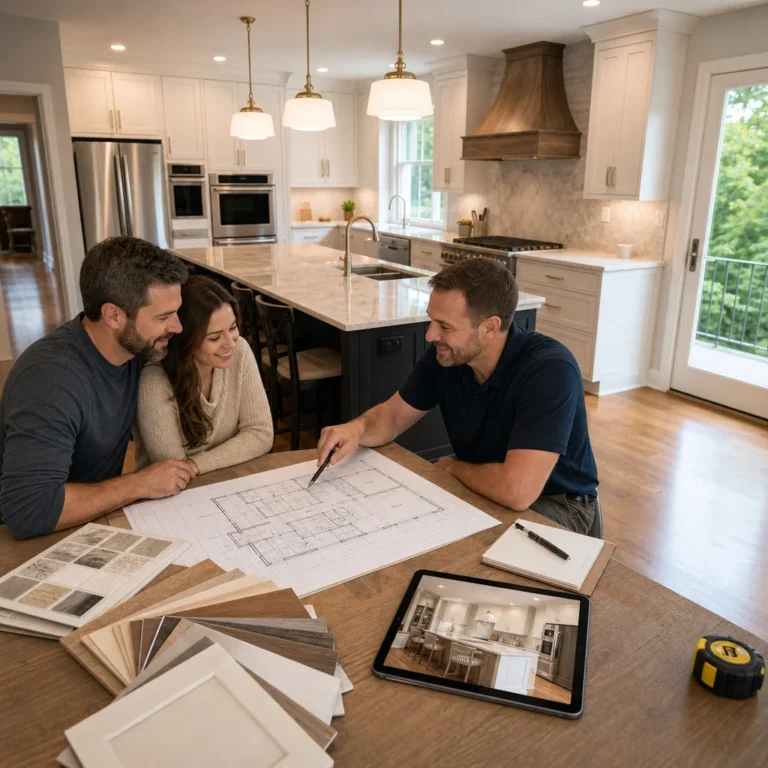
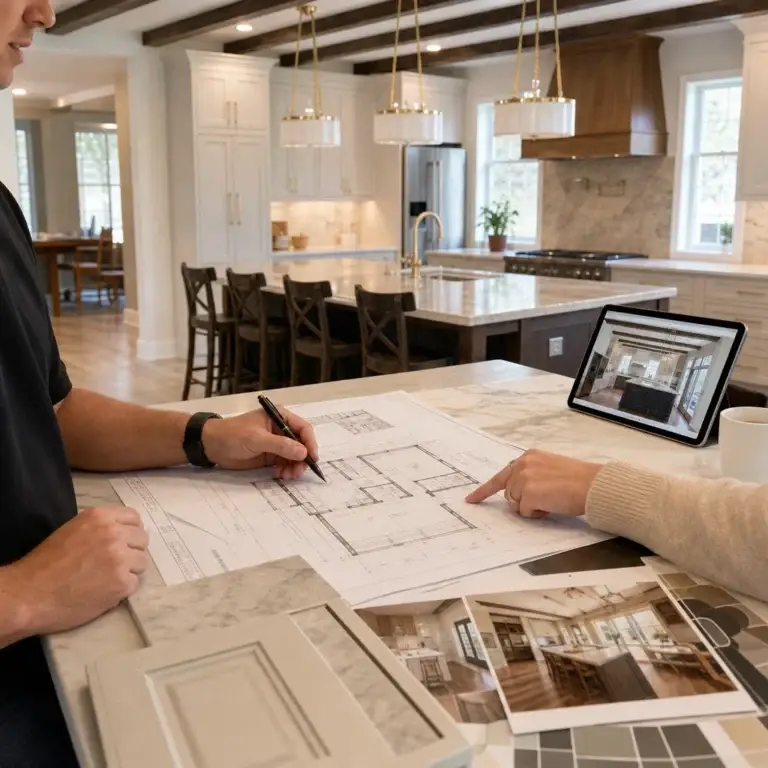
We walk you through options for roofing, siding, windows, doors, flooring, countertops, cabinetry, fixtures, and paint colors. For high-end kitchens or bathrooms, this might involve visits to showrooms or supplier offices where you can see samples in person. For structural materials like framing lumber or insulation, we verify availability and lead times, especially in the current supply environment where some products still face delays.
We prepare detailed specifications that go into your contract. Rather than vague descriptions like “builder-grade cabinets,” our specs name the exact cabinet line, finish, hardware, and configuration. For countertops, we specify the material, edge profile, and thickness. This level of detail prevents misunderstandings and ensures you get exactly what you’ve selected.
Lead times are a critical consideration. Some kitchen appliances and custom cabinetry have 10 to 16 week lead times. Specialty windows or doors might need 6 to 12 weeks. We factor these into your construction schedule so materials arrive when you need them, not months early (wasting storage space) or too late (delaying the project).
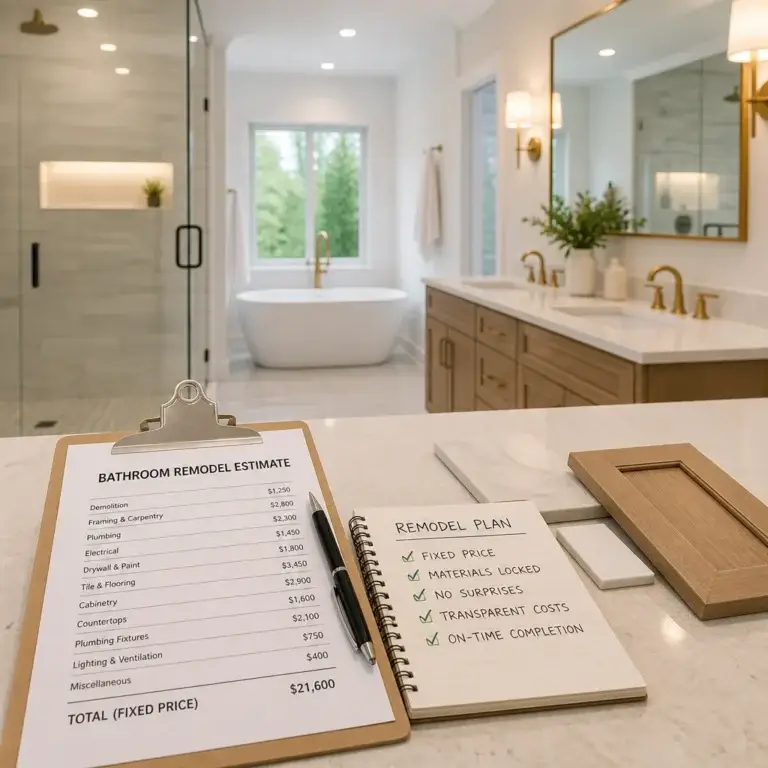
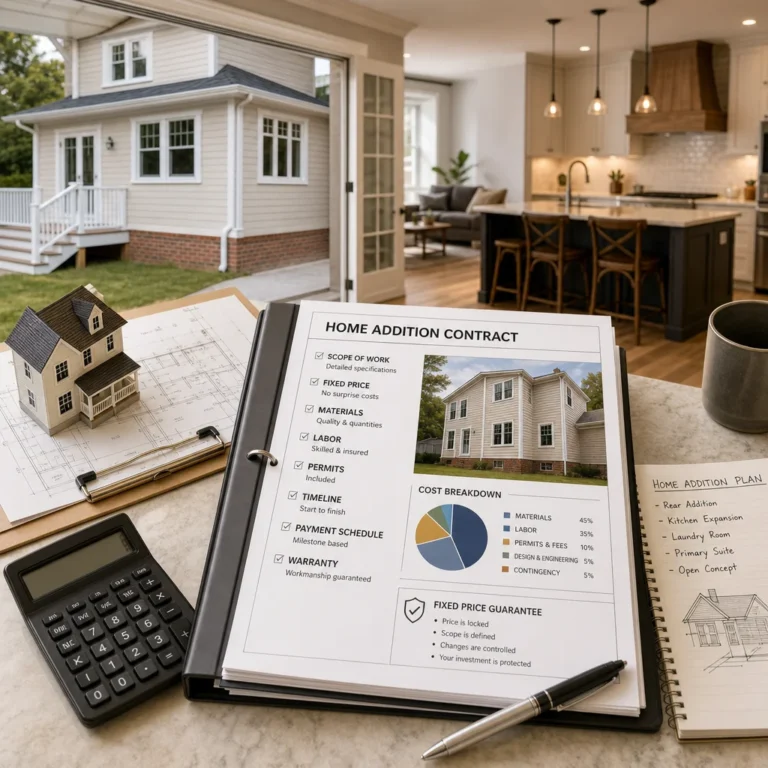
We also finalize your contract with fixed pricing for labor, materials, permits, and project management. You’ll know the total investment upfront. Contingencies are built in for unforeseen conditions discovered during construction, but the core scope and price are locked down.
Action step: Make material decisions decisively. Extended deliberation here pushes back the construction start date. If you’re unsure about finishes, choose a middle option now and plan to upgrade or modify after the structural work is complete.
5. Construction Scheduling and Crew Mobilization
With permits in hand and materials specified, we create a detailed construction schedule that sequences every phase of work. This schedule accounts for the actual work duration, material deliveries, weather constraints, and inspections required by Fairfax County.
A typical residential addition project in Northern Virginia takes 3 to 6 months from permit approval to final completion, depending on scope. A simple room addition might complete in 3 to 4 months. A comprehensive kitchen remodel with structural changes can take 5 to 7 months. A custom ADU construction project or whole-house renovation can run 6 to 12 months.
Our schedule maps out each phase: site preparation and foundation work, framing, roof installation, exterior envelope (windows, doors, siding), mechanical/electrical/plumbing rough-in, insulation and drywall, finish carpentry, flooring, cabinetry installation, fixture installation, painting, and final punch-out. We identify which tasks can happen in parallel and which must happen sequentially. We also plan around typical inspection milestones required by the county.
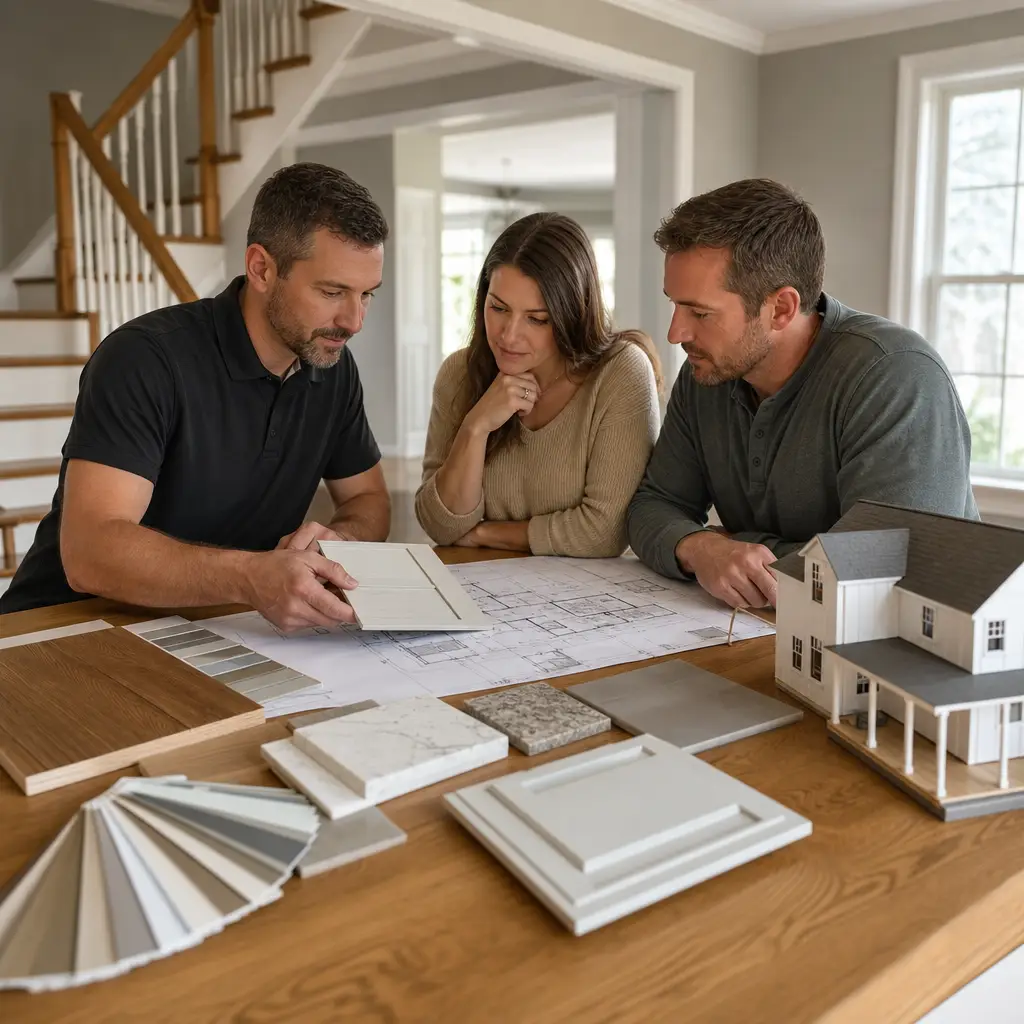
Weather is a real factor in Northern Virginia. Heavy rain delays foundation work. Cold temperatures affect concrete curing. We schedule exterior framing and roofing for months when weather is most predictable. Interior work can proceed year-round, but we know that December through February adds complexity.
Before our crew arrives on your property, we arrange site logistics with you. We discuss parking for our vehicles and subcontractor trucks, where we’ll stage materials, which areas of your property we’ll use, and how we’ll manage noise and dust. We also discuss how to maintain access to your existing home while construction happens around it.
We schedule pre-construction meetings with our key subcontractors (foundation, framing, electrical, plumbing, HVAC) to ensure everyone understands the sequence and quality expectations.
Action step: Finalize your construction start date at least 4 weeks in advance. This gives us time to order materials with accurate delivery windows and coordinate subcontractor availability.
6. Active Construction and Quality Inspections
Construction is where your design and planning transform into physical reality. From day one, our project manager is on-site overseeing quality, safety, and schedule adherence. You’ll have regular communication about progress, any surprises that emerge, and what to expect in the coming weeks.
The Fairfax County Building Department requires inspections at specific points: before concrete is poured (to verify the foundation layout), after framing is complete (to check structural integrity), after the roof is installed (to ensure weather-tightness), and after mechanical/electrical/plumbing rough-in (to verify code compliance). We schedule these inspections and ensure our work is ready when the inspector arrives.
During active construction, unforeseen conditions sometimes surface. Maybe there’s an unexpected structural beam, or soil is softer than anticipated, or hidden plumbing from the 1970s is in the way. We document these discoveries, discuss solutions with you, and adjust the schedule and budget if necessary. We never make major changes without your approval, and we explain the implications clearly.
Quality inspections happen continuously, not just at the county milestones. Our crews inspect their own work before moving to the next phase. Our project manager inspects completed work against the architectural plans and our quality standards. We catch and correct issues immediately, ensuring the final product meets our premium standards.
You’re welcome to visit the site during active construction. Many homeowners find it helpful to see progress firsthand. We just ask that you coordinate with our project manager to ensure you’re visiting at safe times and not disrupting active work.
Action step: Plan to be available for key decision points. If unforeseen conditions require changes, you’ll want to make decisions promptly rather than delaying while you gather information.
7. Final Inspections and Project Completion
As construction nears completion, we conduct a final Fairfax County building inspection. The inspector verifies that all systems are installed correctly, all code requirements are met, and the project matches the permitted plans. If the inspector identifies any punch-list items (minor corrections or missing elements), we address them immediately.
Simultaneously, we complete our internal final inspection. Our project manager walks through every inch of the addition with you, checking finishes, fixture operation, paint quality, and attention to detail. We create a punch list of any items that need touch-up or adjustment. Some are cosmetic (paint drips, minor drywall imperfections), while others might be functional (a light switch that doesn’t work, a cabinet door that needs adjustment). We complete these items before you pay the final invoice.
Once the county approves the final inspection, you receive a Certificate of Occupancy, which officially authorizes use of the new space. We provide you with all documentation: the final permit, inspection reports, warranties on appliances and systems, care instructions for new materials, copies of electrical and mechanical as-built plans, and contact information for any future service needs.
We also schedule a post-project walkthrough a few weeks after completion. Sometimes issues emerge after you’ve lived in the space for a bit (a door that sticks in humid weather, a paint color that looks different in evening light). We address these items as part of our commitment to your satisfaction.
Your investment is now complete. The new addition is permitted, inspected, and ready for your family to enjoy for decades to come.
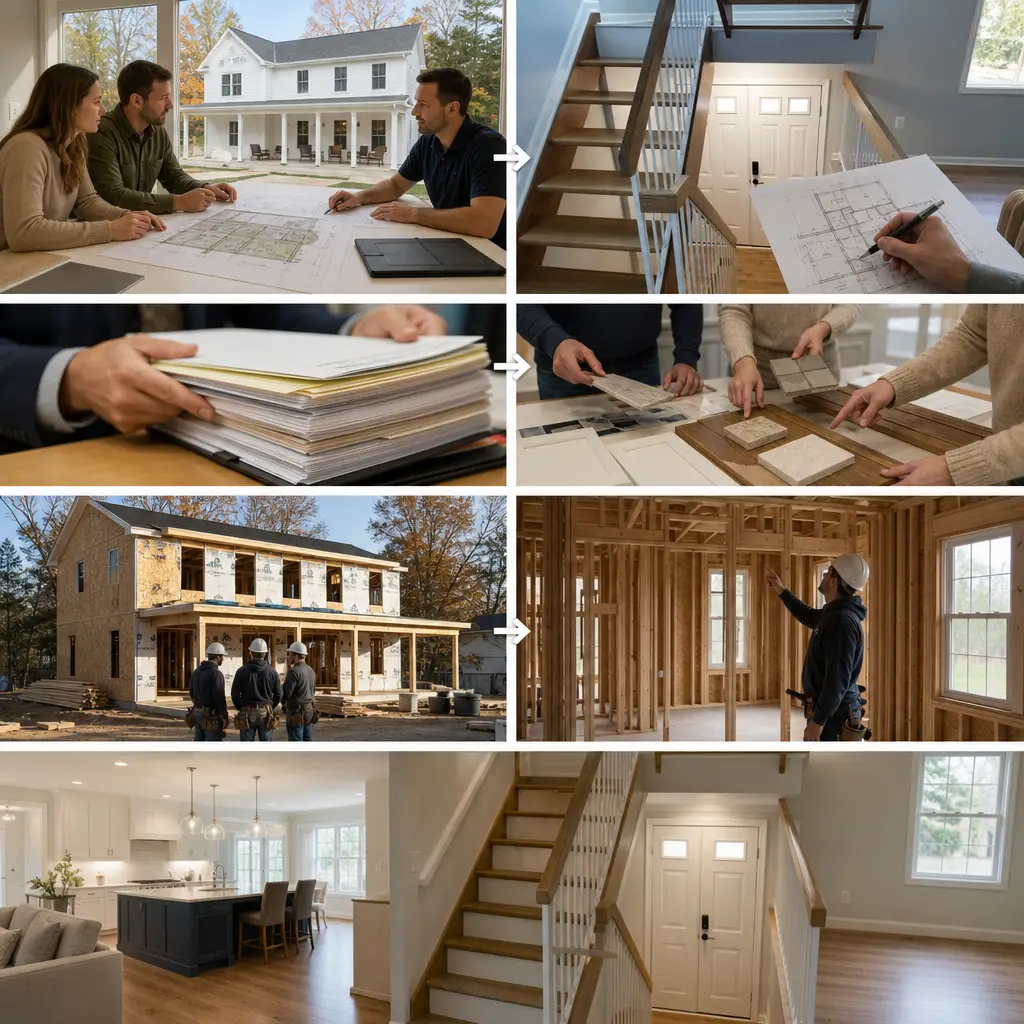
Action step: Plan your punch list walkthrough for a few days before the final inspection. This ensures any items you identify can be corrected before the county performs their final review.
—
Why the Design-Build Approach Works
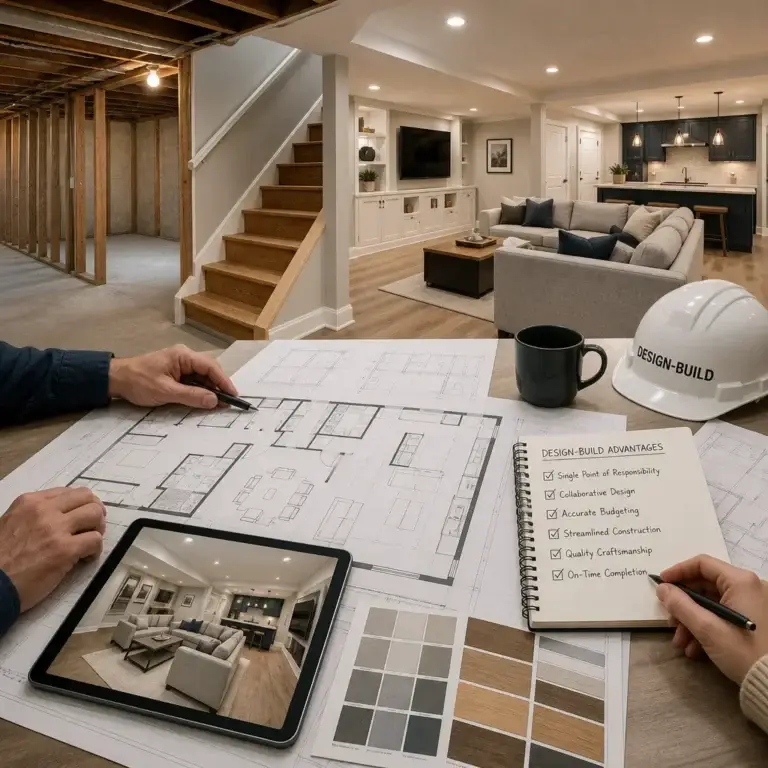
The seven-step process we’ve outlined works smoothly when one experienced team manages all phases. Too many homeowners hire a designer to create plans, then a different contractor to build them, then deal with permitting questions that neither party anticipated. This fragmentation creates delays, confusion, and finger-pointing when issues arise.
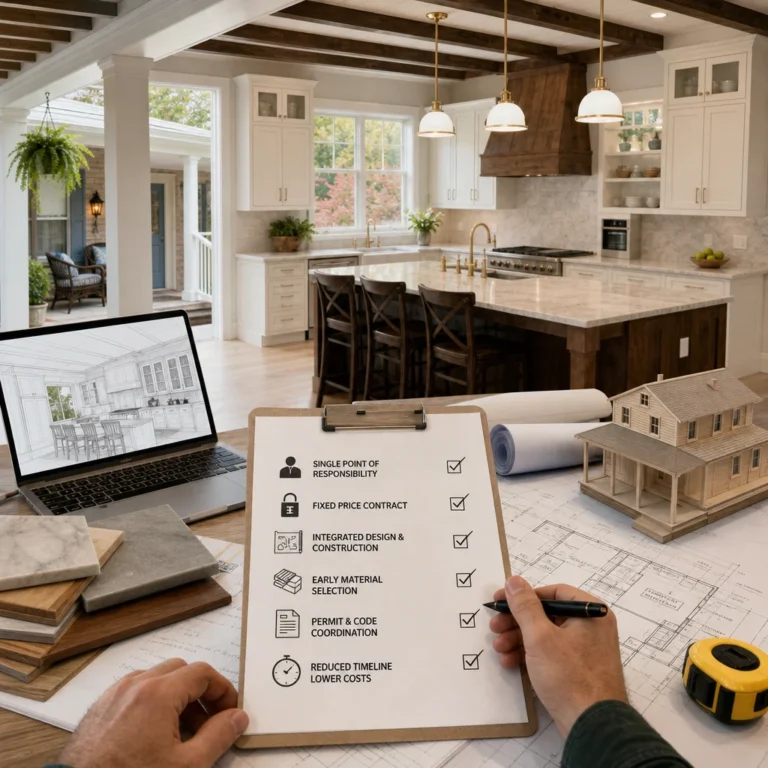
Our design-build model means you have one point of contact, one coordinated team, and complete transparency throughout. Our designers understand construction realities because they work directly with our builders. Our builders have influence over the design because they know what’s practical and cost-effective. Permits are prepared by people who understand exactly how we’ll construct the project, so changes and clarifications are rare.
We also invest heavily in relationships with Fairfax County building officials, material suppliers, and subcontractors. We understand the current permitting process intimately. We have established lead-time agreements with material suppliers. We have reliable crews who understand our quality standards and schedule expectations.
The result is a Fairfax home addition timeline that’s realistic, manageable, and typically delivered on schedule and within budget. Homeowners working with us experience less stress, fewer surprises, and a clearer path from concept to completion.
If you’re considering a home addition, kitchen remodel, basement finishing, or other significant renovation in Northern Virginia, we’d welcome the opportunity to discuss your project. Contact us for a free pre-design consultation and site assessment. We’ll evaluate your specific situation, provide an honest timeline estimate, and explain exactly how we’d approach your project. There’s no obligation, and you’ll gain clarity on what’s realistic for your home and your goals.
For further reading: Room additions Fairfax VA.
Contact us Today For a Free Estimate !
Frequently Asked Questions (FAQ)
How long does a typical home addition project take from start to finish in Fairfax County?
We typically complete a home addition within 4 to 6 months, though timelines vary based on project scope, permit processing times, and complexity. Our design-build process consolidates planning and construction, which helps us move efficiently through each phase. We’ll provide you with a detailed timeline during your initial consultation so you know exactly what to expect.
What permits do we need for a home addition in Fairfax County, and how long does approval take?
We handle all permit coordination for you, which includes building permits, electrical permits, and any required variance applications through Fairfax County. Permit approval typically takes 4 to 8 weeks depending on the county’s current workload and the specifics of your design. Our team knows the local requirements inside out, so we prepare your submissions correctly the first time to avoid delays.
Can we start construction while waiting for permits?
No, we cannot begin any construction work until we receive final permit approval from Fairfax County. However, we use the permit waiting period productively by finalizing material selections, scheduling our crew, and preparing the job site so we’re ready to mobilize immediately once permits are in hand. This approach keeps your project moving forward and maintains our on-time delivery commitment.