Table of Contents
- 1. Quartz Countertops: The Durable Foundation Every Family Kitchen Needs
- 2. Commercial-Grade Stainless Steel: Why Professional-Quality Appliances Matter for Busy Homes
- 3. Luxury Vinyl Plank Flooring: Waterproof Protection That Handles Spills and Paws
- 4. Porcelain Tile Backsplashes: Maintenance-Free Style That Resists Splashes and Stains
- 5. Soft-Close Cabinetry Hardware: Safety Features That Protect Little Fingers and Keep Kitchens Quiet
- 6. Sealed Hardwood or Engineered Wood Flooring: Beauty with Built-In Water and Scratch Protection
- 7. High-Performance Paint and Finishes: Wall Coatings Designed for Heavy-Traffic Family Spaces
- Frequently Asked Questions (FAQ)
1. Quartz Countertops: The Durable Foundation Every Family Kitchen Needs
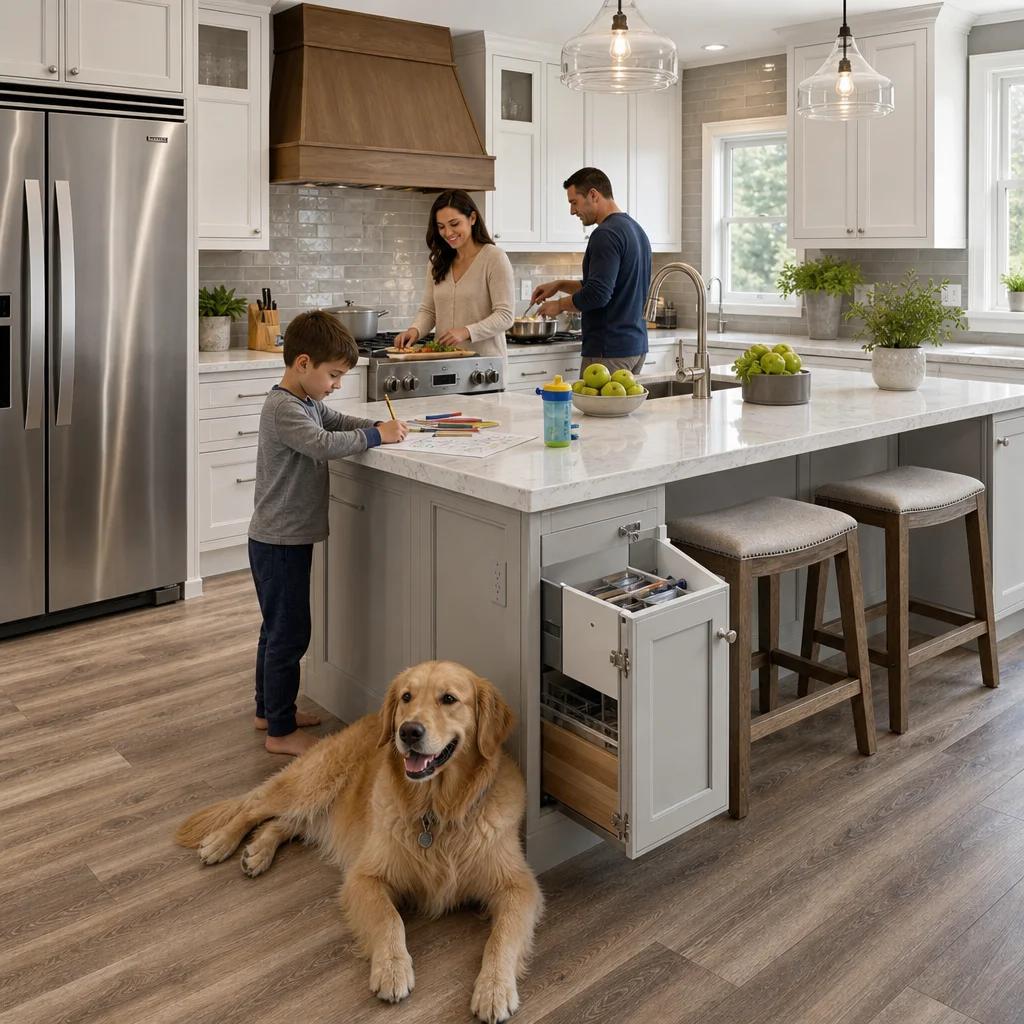
When you’re juggling homework schedules, pet playtime, and meal prep all in your kitchen, durability isn’t a luxury feature—it’s a necessity. We’ve worked with hundreds of Fairfax County families who learned the hard way that choosing the right finishes saves money, stress, and your sanity down the road. Spilled juice, scratched counters, muddy paw prints, and cabinet door slams are part of family life, and your kitchen should handle it all without looking worn out after six months.
Selecting durable kitchen finishes means thinking beyond aesthetics. You need materials that resist staining, withstand moisture, handle impact, and stay easy to clean. The good news: today’s premium materials deliver on all fronts while looking beautiful and feeling sophisticated. We’ve put together a practical guide to the seven best durable finishes for active households, drawn from our experience designing and building kitchens throughout Northern Virginia.
Quartz has become our top recommendation for family kitchens, and there’s solid reasoning behind it. Unlike natural stone, engineered quartz combines crushed quartz with resin binders, creating a non-porous surface that resists staining far better than granite or marble. Spilled red wine, pasta sauce, or coffee won’t penetrate the surface if you wipe it up reasonably promptly.
The scratch resistance matters too. While quartz isn’t indestructible, it holds up dramatically better to knife slips, pet claws, and the general chaos of a busy kitchen. We typically recommend a matte or honed finish over high-gloss for active households, as it hides fingerprints and minor scratches more effectively.
Here’s what families appreciate most: quartz requires zero sealing and minimal maintenance. Just soap, water, and a soft cloth keep it looking new for years. For households with young kids and pets, that simplicity is worth its weight in gold. You’re never worried about whether you sealed it correctly last year or whether acidic cleaners damaged the surface.
Next step: Request quartz samples in your preferred finish and live with them on your countertop for a few days. This helps you see how they respond to your kitchen’s natural light and your actual daily use.
2. Commercial-Grade Stainless Steel: Why Professional-Quality Appliances Matter for Busy Homes
Professional-grade stainless steel appliances bring more than just restaurant vibes to your kitchen—they deliver durability designed for heavy use. These units feature thicker gauge steel, more robust hinges, and components built to withstand 15-20 years of continuous operation in commercial settings.
For families, that means your refrigerator holds up under constant opening and closing, your range’s burners ignite reliably year after year, and your dishwasher survives the onslaught of muddy plates and pet bowls without struggling. Stainless steel resists fingerprints (especially with brushed finishes), cleans easily, and doesn’t harbor bacteria like plastic handles or porous coatings.
One honest caveat: true commercial equipment is built for durability, not necessarily for residential aesthetics. However, residential stainless steel appliances engineered with durability-first design principles give you both resilience and style. Look for models with reinforced door hinges, sealed control panels, and heavy-duty compressors.
Actionable insight: When comparing appliances, prioritize warranty length and replacement parts availability. Brands that offer 5-year or longer warranties typically engineer for longevity, not just initial appeal.
3. Luxury Vinyl Plank Flooring: Waterproof Protection That Handles Spills and Paws
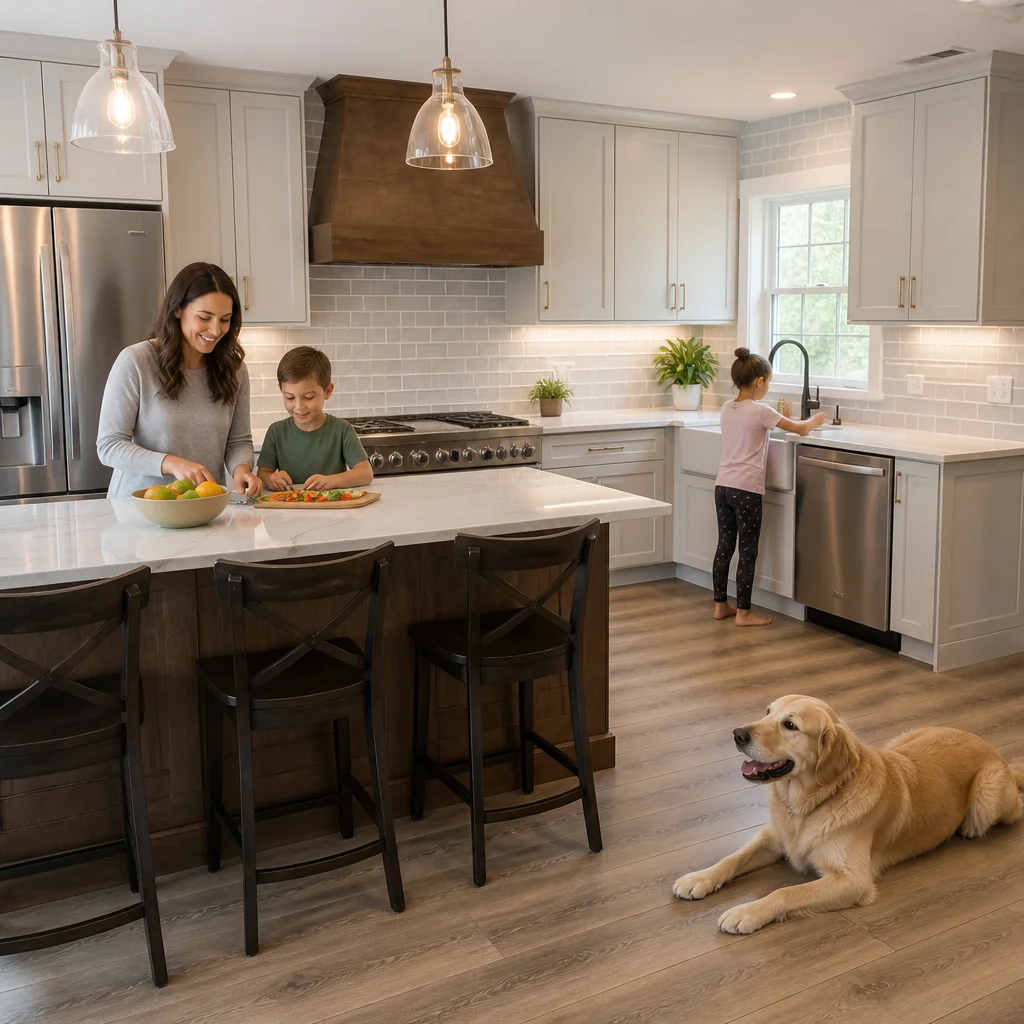
Luxury vinyl plank (LVP) flooring has evolved dramatically over the past decade. It’s no longer the thin, flimsy material of the 2000s—today’s premium LVP features thick wear layers, realistic wood or stone visuals, and 100% waterproof cores. This matters enormously for families with pets and young children.
Accidents happen: water from overflowing sinks, spilled juice glasses, wet paws tracked through the kitchen. LVP shrugs all of it off. The waterproof construction means spills won’t seep through and cause subfloor damage, unlike real hardwood. It also doesn’t expand or contract with humidity changes the way natural wood does, so you won’t see gaps opening up in winter or buckling in summer.
The durability numbers are impressive. Premium LVP typically carries a wear layer rated for 20+ years of residential use. Scratches from pet claws and dropped utensils are far less visible on textured finishes than on polished surfaces, and minor scuffs can often be buffed out with a soft cloth.
Installation flexibility adds another layer of appeal. LVP can be installed over existing subfloors, concrete, or radiant heating systems, which simplifies renovations and reduces installation time and costs compared to traditional hardwood.
What to do next: Request waterproof-rated LVP samples with varied finishes. Walk on them, spill water on them in the showroom, and see which texture and color most resemble the aesthetic you want without showing every footprint.
4. Porcelain Tile Backsplashes: Maintenance-Free Style That Resists Splashes and Stains
Your backsplash takes direct hits from splattering food, grease vapor, and hard water spray. Porcelain tile handles all of it without absorbing stains or requiring ongoing maintenance. Unlike ceramic tile, porcelain is fired at higher temperatures, creating a denser, harder surface with lower water absorption.
The visual options are nearly limitless. Porcelain can replicate stone, wood, subway aesthetics, or bold geometric patterns. For busy kitchens, we gravitate toward finishes with subtle texture or matte surfaces, which hide water spots and fingerprints better than high-gloss finishes.
Grouting is the variable to manage. Traditional grout can stain and harbor bacteria if not sealed properly. We recommend porcelain tiles with large format dimensions (fewer grout lines), or better yet, use epoxy grout instead of cement-based grout. Epoxy resists staining, doesn’t require sealing, and lasts significantly longer.
Practical consideration: When designing your backsplash layout, think about your lifestyle. Open shelving above the backsplash looks beautiful but gives grease and dust a home. Closed cabinetry keeps your backsplash cleaner and your kitchen more streamlined.
5. Soft-Close Cabinetry Hardware: Safety Features That Protect Little Fingers and Keep Kitchens Quiet
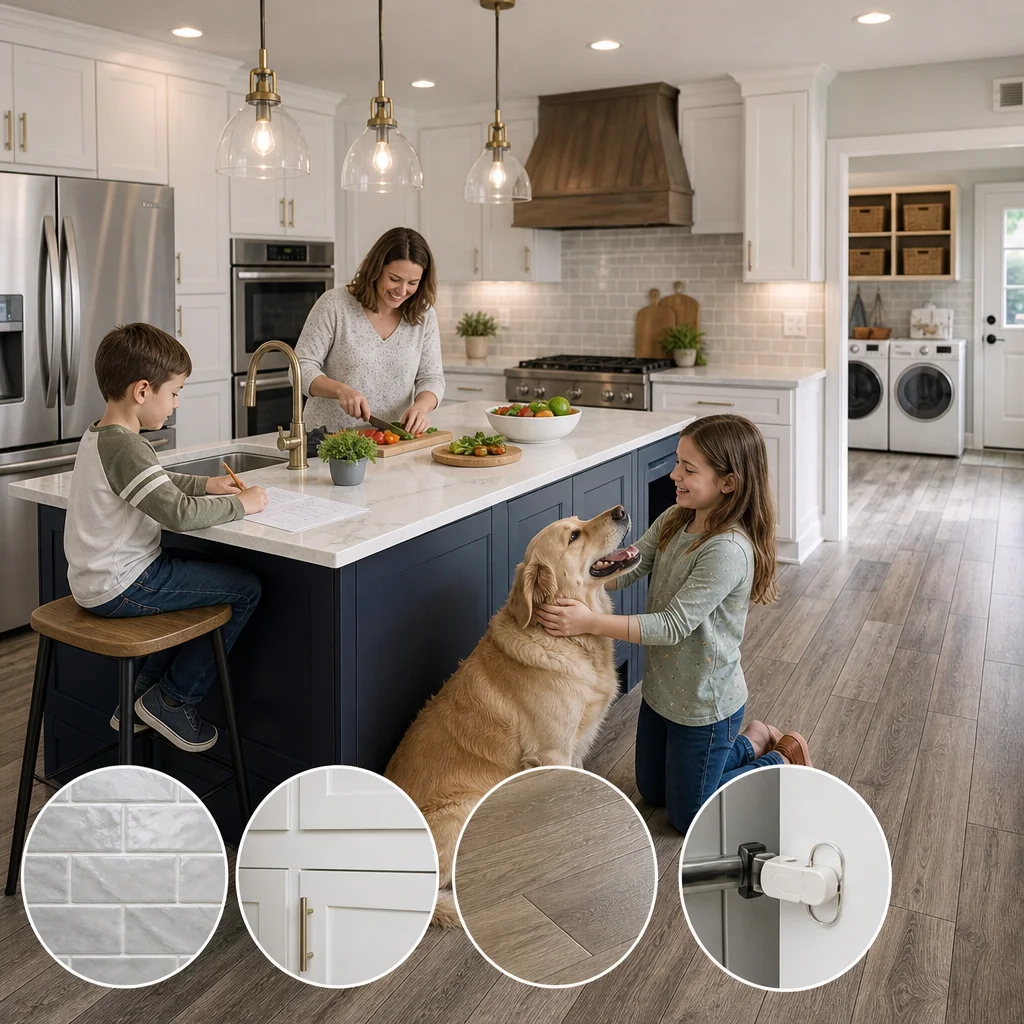
This might seem minor, but soft-close hinges and drawer slides transform the actual experience of living in your kitchen, especially with young children. Doors and drawers glide to a gentle close rather than slamming, which means no pinched fingers, no startling crashes when kids swing a cabinet door, and a kitchen that feels noticeably quieter and more refined.
From a durability standpoint, soft-close hardware is built to last. The internal dampers and springs are engineered to function smoothly through tens of thousands of open-close cycles. This translates to hardware that performs reliably for 15+ years without the typical loosening, squeaking, or hard-slamming deterioration you might see with basic hinges.
We’ve noticed that soft-close hardware also encourages better kitchen habits. Without the satisfying slam, people are more mindful about closing cabinets gently, which reduces stress on the entire cabinet box over time.
Next step: When selecting cabinetry for your kitchen remodel, insist on soft-close hardware as a standard feature, not an upgrade. The modest upfront cost difference pays dividends in safety, longevity, and daily quality of life.
6. Sealed Hardwood or Engineered Wood Flooring: Beauty with Built-In Water and Scratch Protection
If solid hardwood’s warmth and character appeal to you, sealed hardwood or engineered wood flooring gives you that aesthetic with significantly better protection against moisture and scratches. Engineered hardwood features a thin layer of real hardwood glued to a plywood base, making it more dimensionally stable than solid hardwood when humidity fluctuates.
Modern protective sealants have revolutionized wood flooring durability. Water-based polyurethane finishes or aluminum oxide surface treatments create a hard, scratch-resistant barrier that can handle pet claws, dropped utensils, and spilled liquids far better than traditional finishes. Some premium options include UV-resistant coatings that prevent fading from natural light.
The key is ensuring the finish is properly applied and adequately protective for a busy household. Not all sealed wood is created equal. Look for manufacturers specifying high-traffic commercial-grade durability ratings, typically involving multiple coats of durable finish and specialized application techniques.
Maintenance requires slightly more attention than vinyl or tile: dust mopping weekly, prompt cleanup of spills, and occasional professional recoating every 5-7 years depending on traffic levels. For families who love the aesthetic of real wood and don’t mind minimal upkeep, this investment delivers warmth and character that vinyl can’t quite replicate.
Consider this: Matte or satin finishes on sealed hardwood hide scratches and footprints far better than glossy finishes, making them the smarter choice for active households.
7. High-Performance Paint and Finishes: Wall Coatings Designed for Heavy-Traffic Family Spaces
Kitchen walls deserve more than standard interior paint. High-performance paints formulated for kitchens and bathrooms incorporate advanced resins and mildew inhibitors that resist moisture, grease buildup, and mold growth. These paints also deliver superior stain resistance and cleanability compared to conventional latex paint.
We recommend semi-gloss or satin finishes for kitchen walls rather than flat finishes. The sheen makes the surface more wipeable and stain-resistant, which is essential when you’re dealing with cooking splatters and sticky handprints. Semi-gloss finishes particularly excel at repelling moisture and humidity without looking overly shiny in most kitchen lighting.
Premium kitchen-specific paints also resist fading, which matters if your kitchen receives significant natural light. Some brands incorporate anti-microbial additives that actively inhibit bacteria and mold growth on the painted surface—a genuine benefit in a moisture-prone environment like a kitchen.
Color psychology matters too: lighter, neutral tones make cleanup visible and kitchens feel more spacious, while darker tones can create an elegant backdrop for white cabinetry without showing every smudge. Whatever palette you choose, invest in paint designed to perform in active family environments, not budget brands that chip, stain, or fade within a few years.
Action item: Ask your paint supplier specifically for kitchen-rated, semi-gloss or satin-finish options with mildew resistance and enhanced stain-fighting properties. The upgrade cost is modest but the longevity improvement is substantial.
—
These seven finishes represent the best of what modern materials science delivers for busy households. Individually, each solves a specific durability challenge. Together, they create a kitchen environment that performs reliably through the messy reality of family life and looks beautiful while doing it.
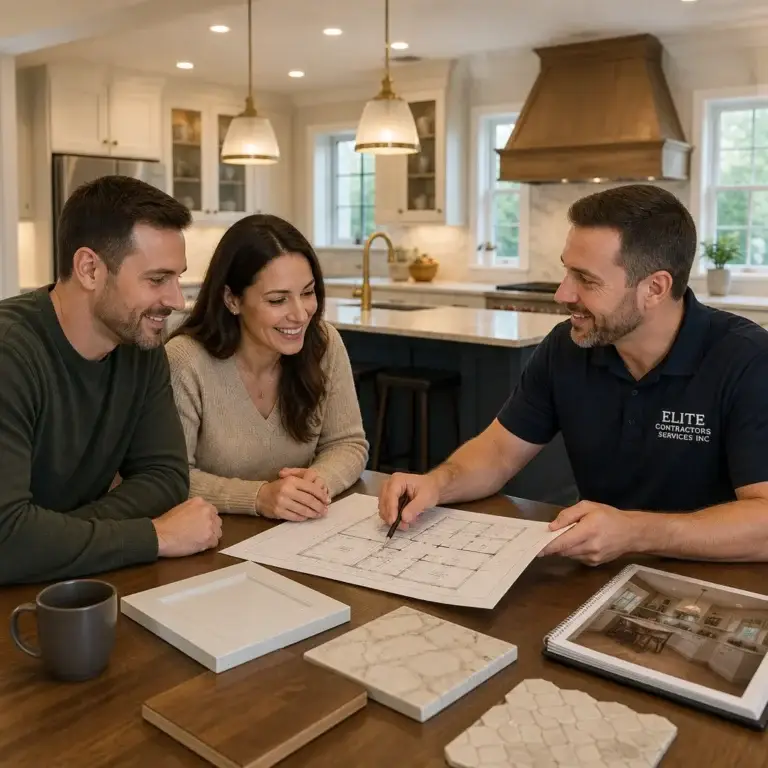
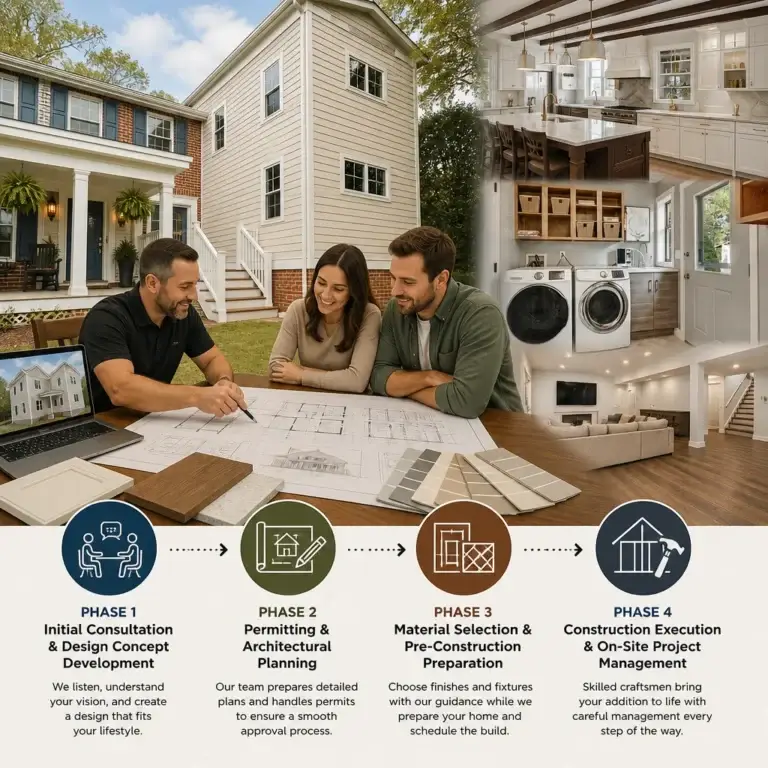
At Elite Contractors Services, we’ve guided hundreds of Fairfax County families through material selection for their kitchen renovations and remodels. We’ve seen firsthand which choices hold up and which ones disappoint. Our design-build kitchen remodeling approach integrates thoughtful material selection with expert craftsmanship and project management, so your kitchen not only uses the right finishes but installs them correctly for maximum longevity.
When you’re planning a kitchen renovation in Northern Virginia, we encourage you to think beyond initial aesthetics. Consider how these finishes will perform in your specific household, what your maintenance comfort level is, and what trade-offs matter most to you. A consultation with experienced remodelers helps clarify those choices and ensures your kitchen investment pays dividends for years.
Contact us Today For a Free Estimate !
Frequently Asked Questions (FAQ)
Which durable kitchen finishes do we recommend most often for families with pets?
We typically recommend quartz countertops, luxury vinyl plank flooring, and commercial-grade stainless steel appliances as our top trio for pet-friendly kitchens. These materials resist scratches, stains, and water damage while staying easy to clean when accidents happen. We’ve found that combining quartz with LVP flooring gives families the best balance of durability and maintenance ease.
How do we help homeowners choose the right finishes for their specific lifestyle?
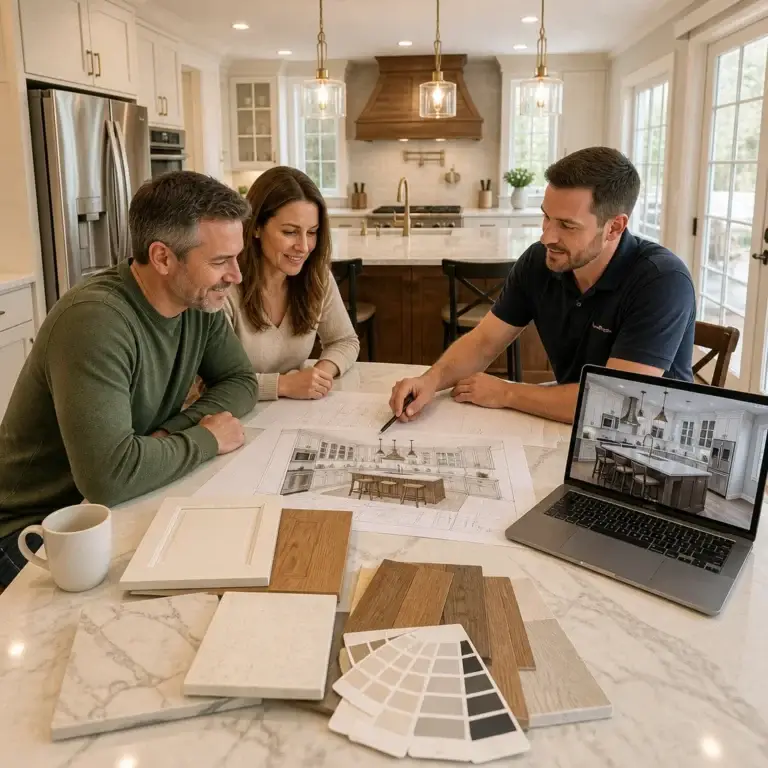
During our design phase, we discuss your family’s daily routines, traffic patterns, and the specific challenges you face in your current kitchen. We then match durable materials to those real-world needs rather than just recommending what looks best. Our team walks you through samples and explains how each finish performs with kids, pets, and everyday wear so you can make informed decisions with confidence.
What’s included in our kitchen remodeling process to ensure these finishes are properly installed?
We handle everything from material selection through professional installation as part of our design-build service. Our team coordinates permits, manages timelines, and oversees quality craftsmanship at every stage. We provide you with a detailed upfront contract that protects your investment and ensures your new kitchen finishes are built to last.