Table of Contents
- 1. Integrated Design-Build Project Management From Start to Finish
- 2. Transparent Upfront Pricing and Detailed Contracts
- 3. Faster Timeline and On-Budget Delivery
- 4. Local Expertise in Northern Virginia Building Codes and Permits
- 5. Personalized Design Consultation and Material Selection
- 6. Dedicated Project Manager Throughout Construction
- 7. Comprehensive Warranty and Post-Completion Support
1. Integrated Design-Build Project Management From Start to Finish
Planning a home addition is one of the biggest decisions a homeowner can make. You’re investing significant resources to expand the comfort, functionality, and value of your home. Yet many homeowners in Northern Virginia struggle with the process itself: conflicting advice from architects and contractors, unexpected cost overruns, project delays, and poor communication that leaves you wondering what’s happening in your own home.
The right partner makes all the difference. We’ve spent years refining our approach to home additions, and we’ve learned what truly matters to families in Fairfax County and throughout Northern Virginia. This guide walks you through the seven core features that define how we work and why homeowners choose us again and again.
The traditional approach to home additions splits the work: an architect designs, a contractor estimates, permits are handled separately, materials are sourced independently. This fragmentation creates gaps where miscommunications happen, assumptions conflict, and timelines slip.
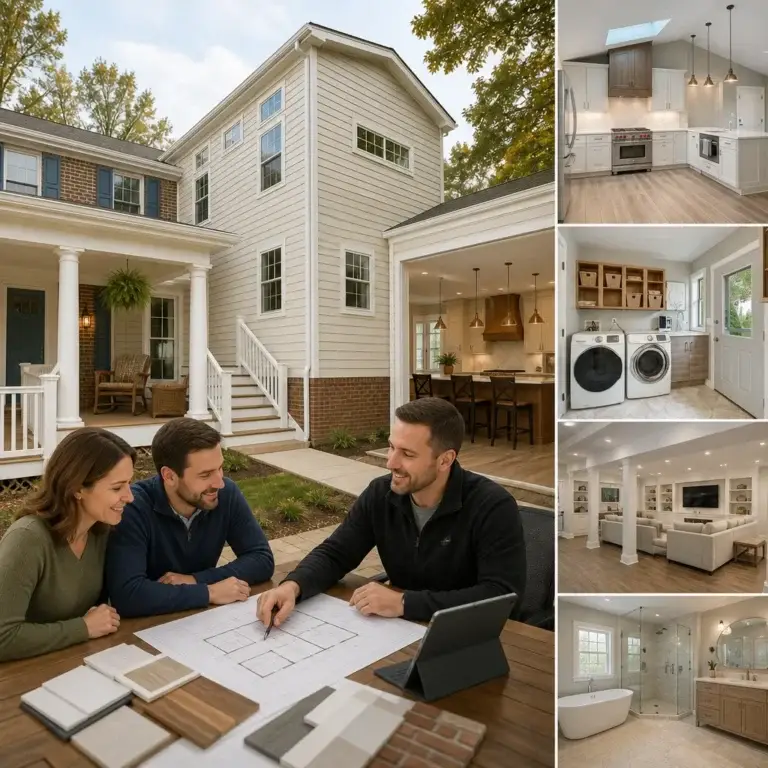
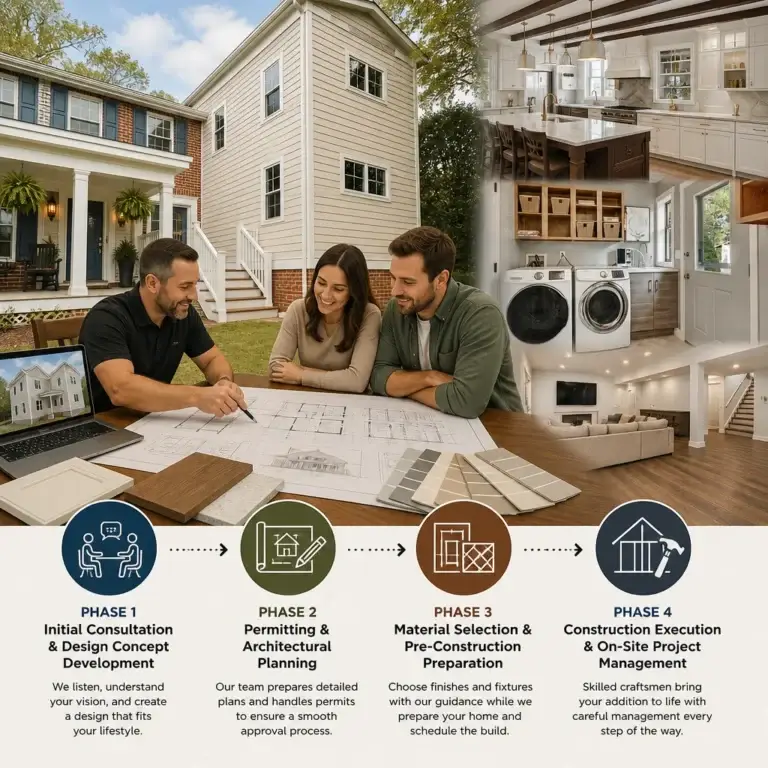
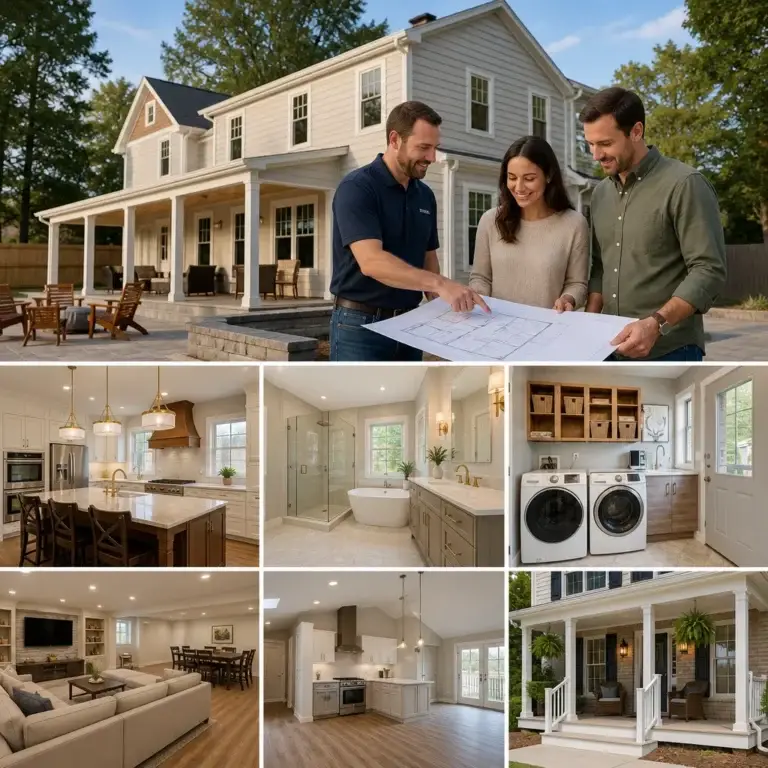
Our design-build model brings everything together under one roof. We combine architectural expertise, construction knowledge, permit coordination, and project management into a single cohesive team. This means the person designing your addition understands exactly how it will be built and what it will cost. There’s no “throw it over the fence” moment where the design team hands off work and walks away.
Here’s what this looks like in practice: When a family in McLean wanted to add a 400-square-foot master suite, our design team created a plan that worked within their budget and their home’s structural realities. Because our architects and builders worked together from day one, we identified a foundation detail early that saved $8,000 in unnecessary reinforcement. That kind of integrated problem-solving only happens when design and construction are genuinely connected.
You also benefit from continuity of communication. The same team that listened to your vision at the first meeting is the same team that guides you through material selections, manages the permit process, and oversees construction. You’re not repeating your story to five different vendors and hoping they all understand your goals.
Actionable takeaway: When evaluating contractors, ask whether the same team handles both design and construction. If design is outsourced or handled by a separate department, you lose the integrated advantage that prevents costly mistakes and delays.
2. Transparent Upfront Pricing and Detailed Contracts
Cost surprises destroy trust. A homeowner told us her previous contractor started with a “rough estimate” of $85,000, then presented a final bill of $127,000 once walls were opened. She never got a detailed breakdown and felt powerless to question the increases.
We operate differently. Before a single nail is driven, you receive a detailed, itemized contract that specifies exactly what’s included, material quality grades, labor scope, timeline, and price. This contract is built from our integrated design-build process, meaning we’re not guessing. We’ve already coordinated with our design team, assessed your site, and confirmed exactly what needs to happen.
Our pricing covers the full scope: architectural design, permitting fees, construction labor, materials, inspections, and project management. There are no hidden allowances that mysteriously increase later. If conditions change during construction (a cracked foundation, unexpected plumbing, code-required upgrades), we document the change in writing, explain the cost impact, and get your approval before proceeding. Change orders are clear, justified, and rare.
We also break down what quality levels you’re investing in. Are we using standard drywall or fire-rated drywall? What insulation value? Which flooring grade? You see the cost difference for each choice, so you make decisions that match your budget and priorities, not decisions made by someone else.
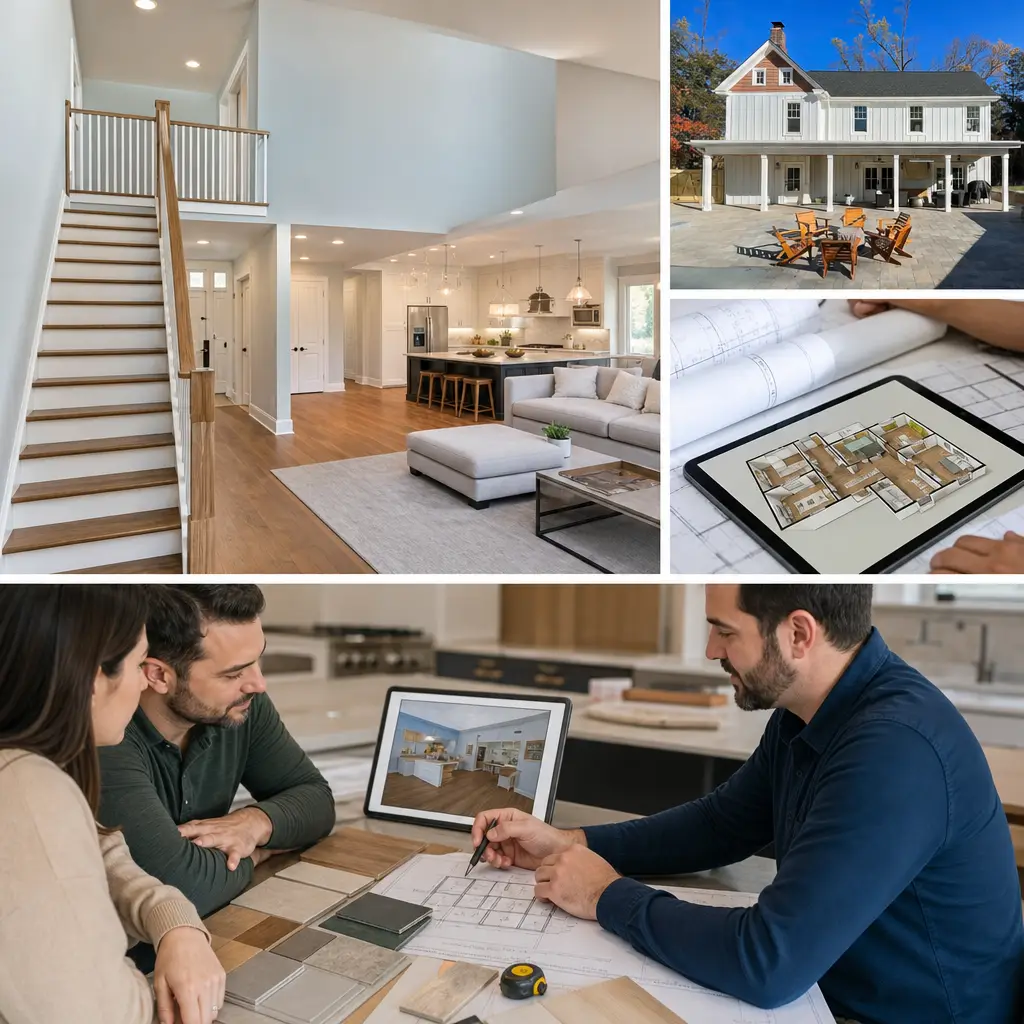
One Reston family appreciated that our contract spelled out exactly which rooms would be protected with plastic sheeting during construction and which cleanup services were included at each phase. They could compare our quote apples-to-apples with other proposals because everything was transparent.
Actionable takeaway: Request a line-item breakdown from any contractor you’re considering. If they can’t or won’t provide detail before signing a contract, that’s a red flag that cost surprises may follow.
3. Faster Timeline and On-Budget Delivery
Most homeowners underestimate how disruptive construction can be. Dust settles on everything. Noise starts early. Parking becomes impossible. The longer your project runs, the longer your family lives in chaos.
Our design-build approach compresses timelines because there’s no waiting between phases. Design and permitting happen in parallel rather than sequentially. We don’t wait for permits to finalize before ordering materials; instead, we coordinate strategically so materials arrive when we need them. Our team has deep relationships with local inspectors and permit offices, so we navigate the approval process efficiently.
For a typical kitchen remodel and home addition in Arlington, we work to a 12 to 16-week schedule from permit approval to completion. Traditional projects with separated design, permitting, and construction phases often stretch to 22 to 28 weeks. That difference means your family gets back to normal life months sooner.
Being on budget is equally important. Because we’ve planned comprehensively upfront and our design team works hand-in-hand with construction, we encounter fewer surprises. We’ve already solved problems on paper rather than discovering them mid-project. Our crews work efficiently because they’re not improvising on designs they didn’t help create.
We track every project against the contract timeline and budget. If an issue arises, our project manager alerts you immediately with options and implications, rather than letting problems compound silently. In the rare instance where a legitimate site condition requires a change order, you know about it before it impacts your final cost.
Actionable takeaway: Ask contractors for references on timeline performance, not just final quality. Ask those homeowners whether the project finished on the promised date or slipped multiple times. Consistent on-time delivery requires planning discipline and integrated teamwork.
4. Local Expertise in Northern Virginia Building Codes and Permits
Building codes in Fairfax County, Arlington, Falls Church, and throughout Northern Virginia have local quirks that matter enormously. Setback requirements, foundation depth rules, energy code requirements, and permit approval criteria vary. A contractor unfamiliar with these specifics might design a beautiful addition that can’t be permitted, or worse, gets rejected mid-construction.
We’ve been serving Northern Virginia communities for years and know the permit landscape intimately. We understand Fairfax County’s specific requirements for additions, the difference between Arlington’s guidelines and Falls Church’s, and which jurisdictions are strict about energy efficiency upgrades. This expertise is embedded in our design process from the start.
When a homeowner in Great Falls wanted an ADU construction project for a multigenerational setup, our team immediately knew which Fairfax County regulations applied to accessory dwelling units. We designed the unit to exceed minimum requirements, which sped permit approval and future-proofed the investment.
Our relationships with local building inspectors and permit offices also matter. When we submit drawings, officials know us and take our work seriously. We’ve earned reputations for clarity and accuracy, so permits move faster. We’re not the contractor who submits incomplete paperwork and causes delays.
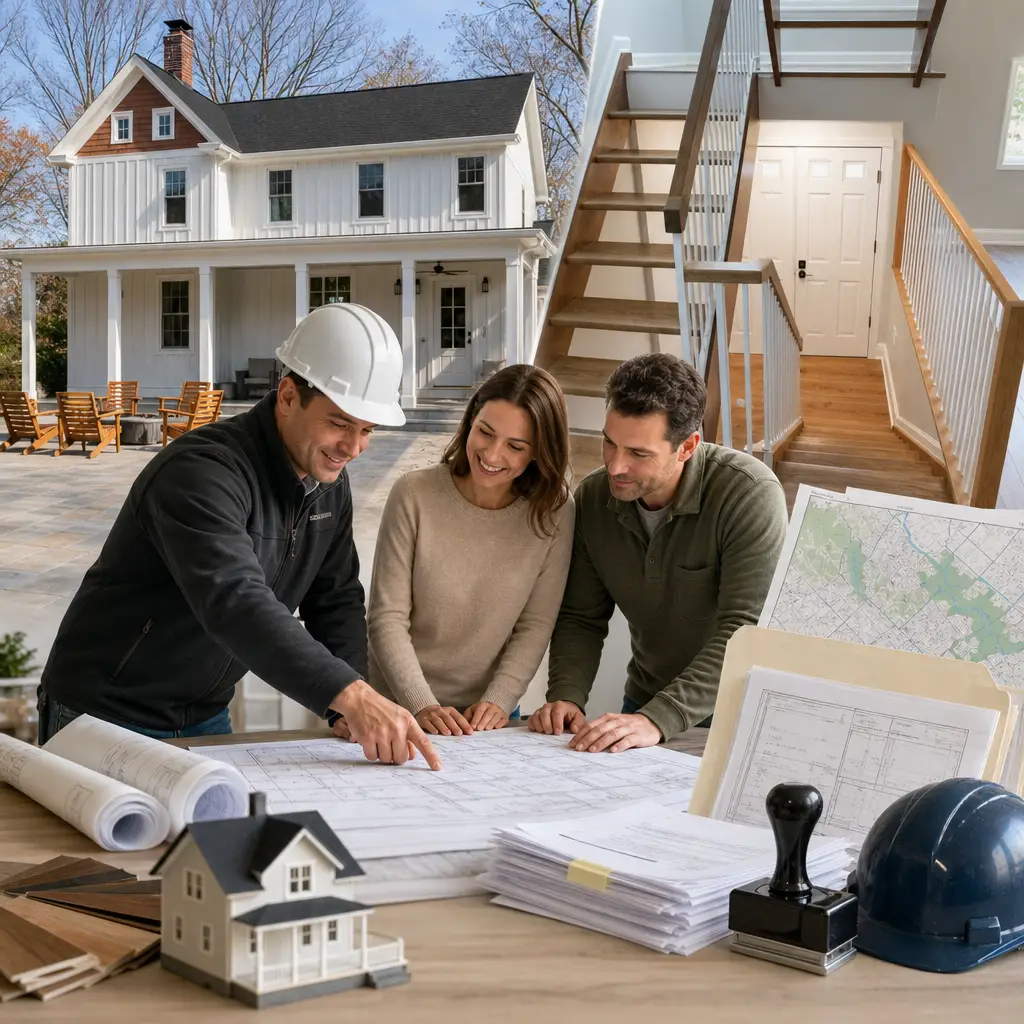
We also stay current on code changes. When Northern Virginia adopts updated energy codes, we’re designing homes to meet them from day one. You get compliant, efficient homes without scrambling to retrofit systems at the last minute.
Actionable takeaway: Ask any contractor about local code specifics for your jurisdiction. If they give vague answers or seem to treat all Northern Virginia jurisdictions the same, they lack local expertise that will likely cost you time and money.
5. Personalized Design Consultation and Material Selection
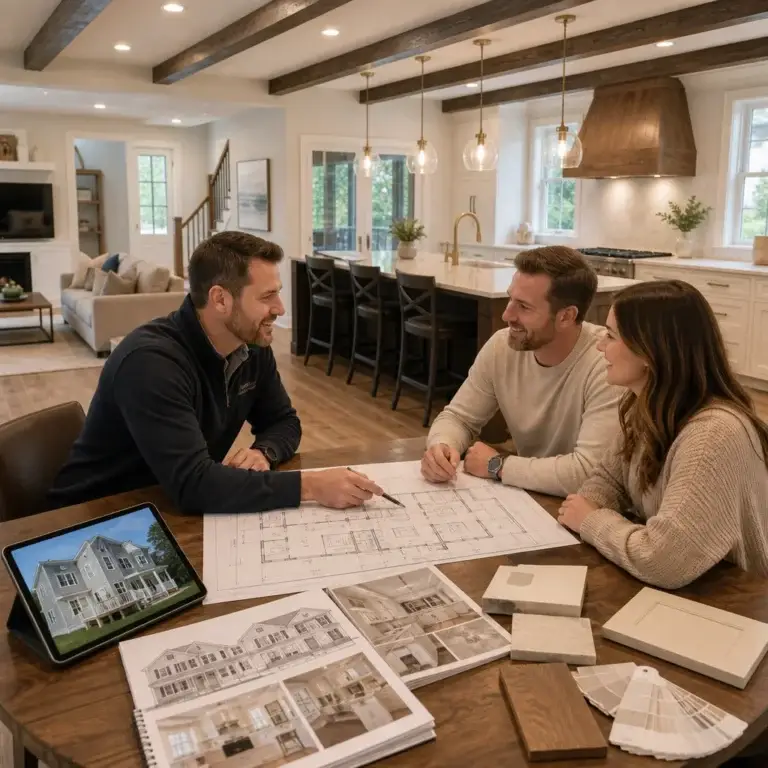
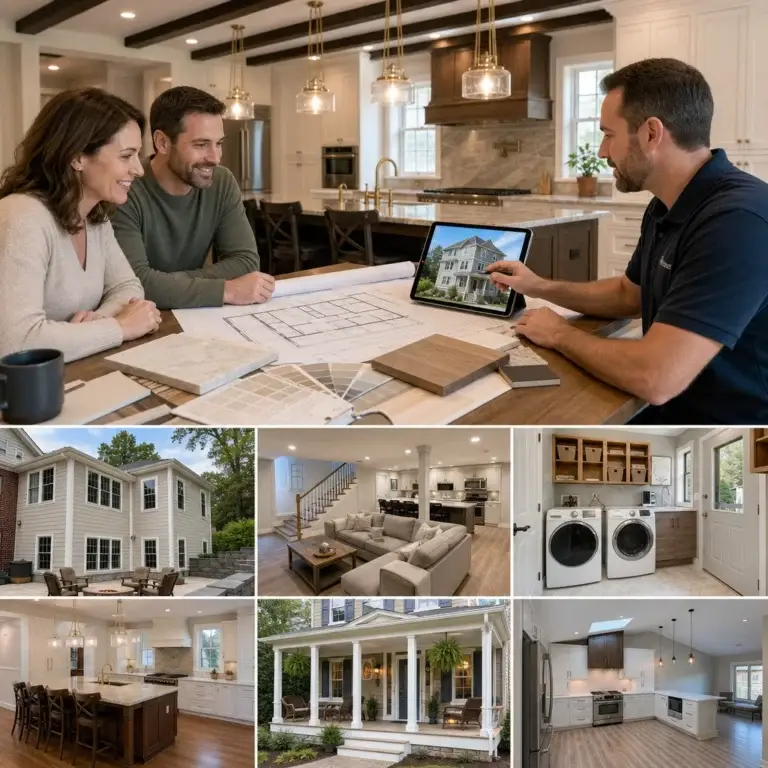
The gap between “what you want” and “what the contractor thought you wanted” causes endless frustration. We solve this by treating design consultation as a collaborative conversation, not a one-time meeting where we sketch something and hand it back to you.
Our process starts with understanding your lifestyle. Are you cooking elaborate meals or grabbing quick breakfasts? Do you entertain large groups or prefer intimate gatherings? Are you growing your family, creating space for aging parents, or downsizing a portfolio? These questions shape everything from room layout to material choices.
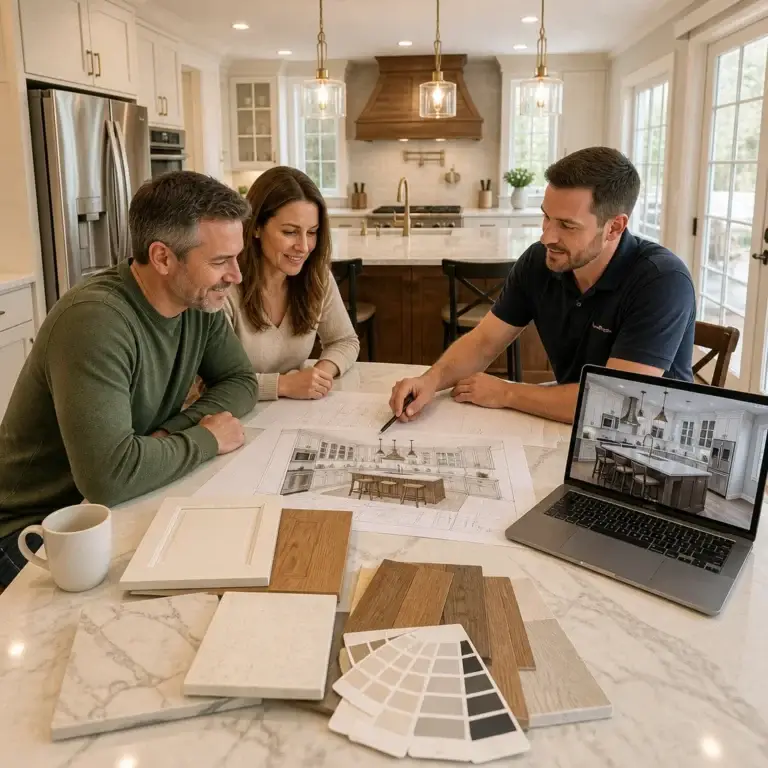
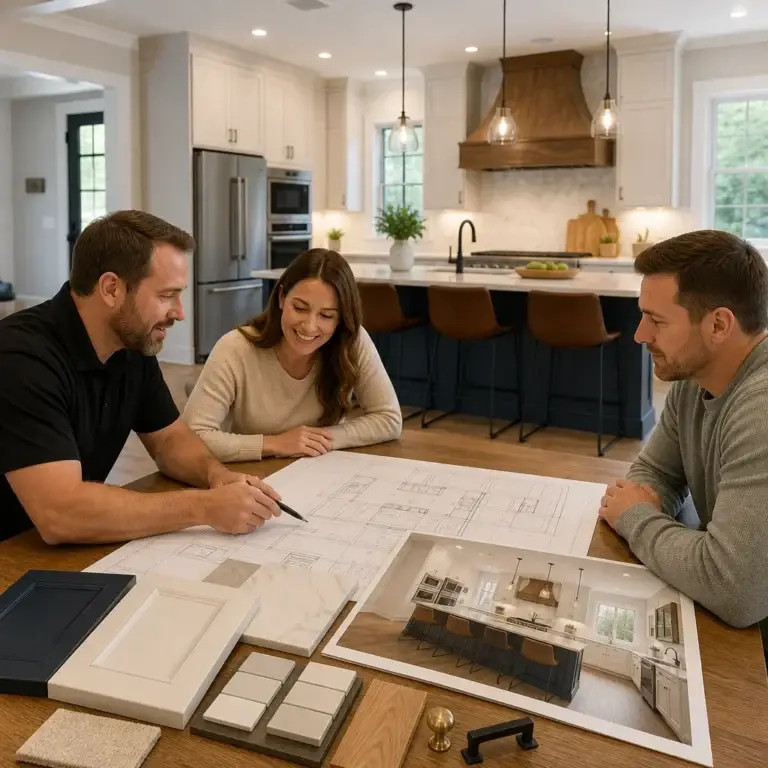
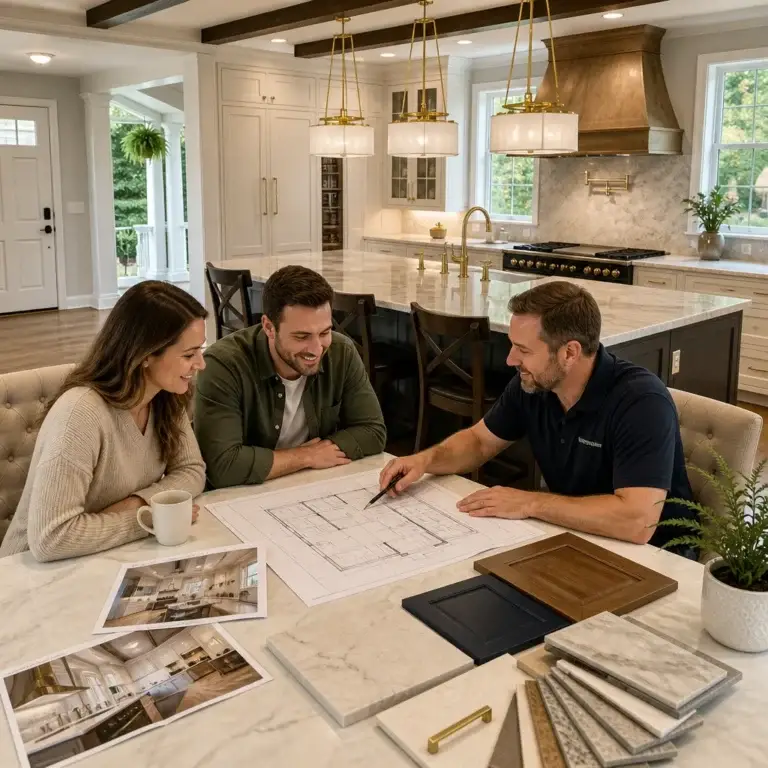
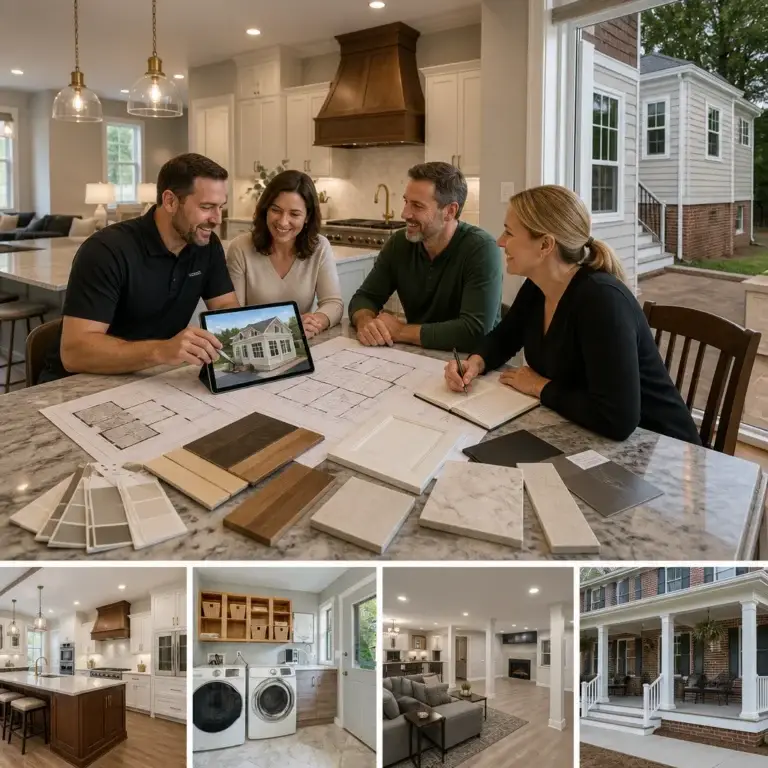
We walk you through material selections with samples you can live with for a week. Color looks different in your actual light than in a showroom. Granite feels different under your hand than in a photo. By selecting materials in your space, with your natural lighting, you make confident decisions rather than relying on pictures or store displays.
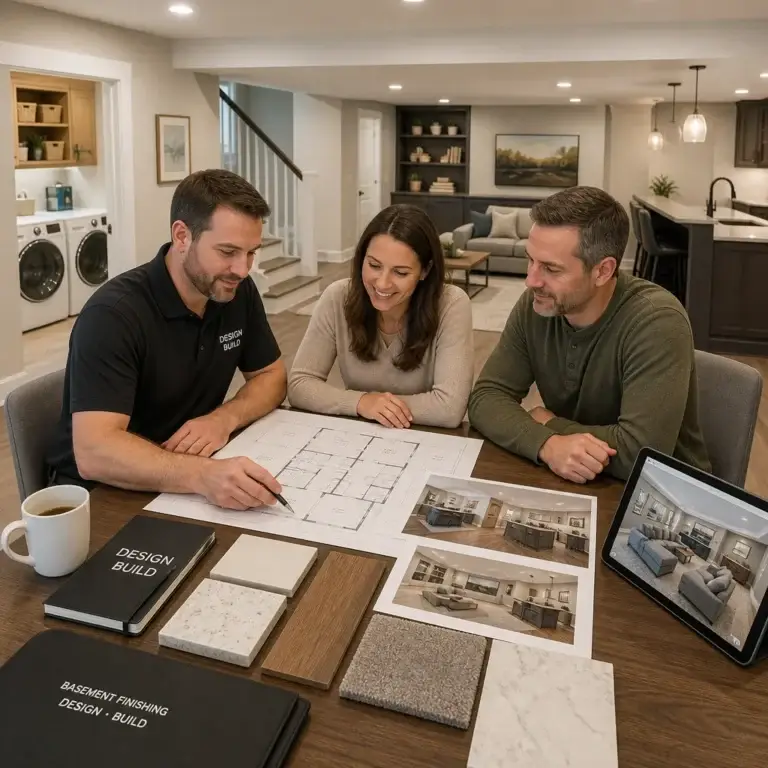
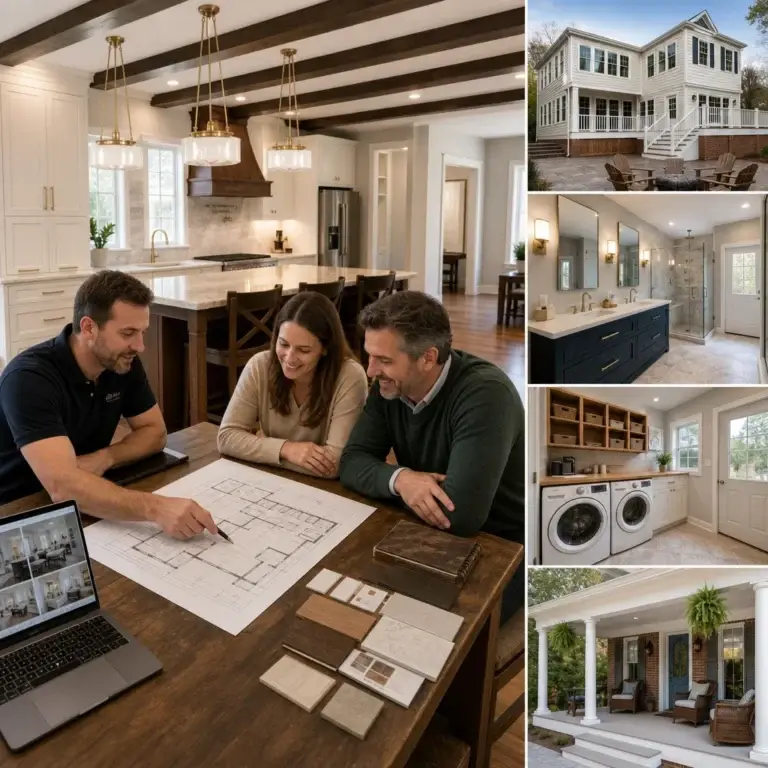
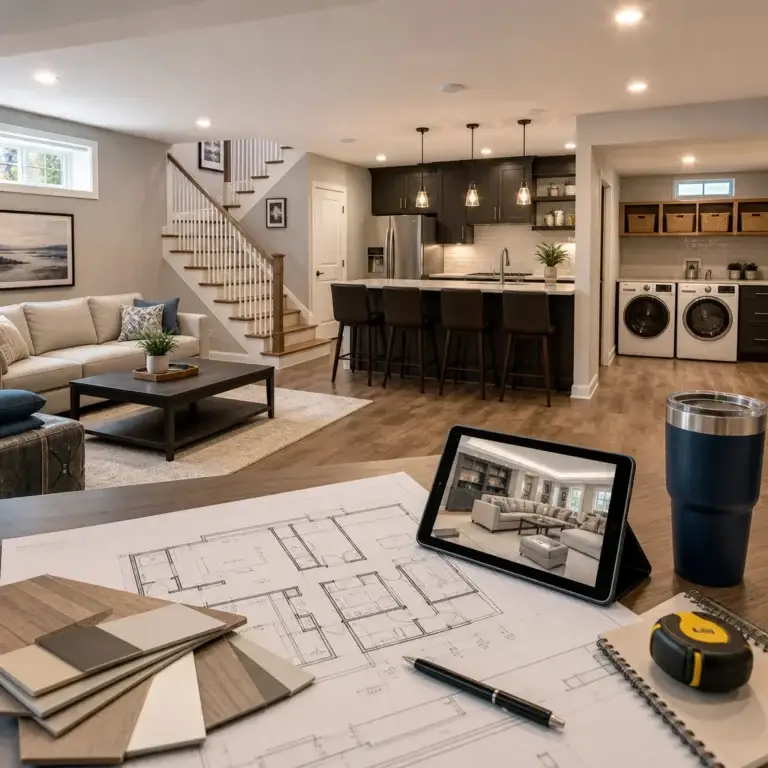
For a room addition in Fairfax, we might present three design directions: a clean modern layout, a craftsman-inspired approach, or a transitional hybrid. You see floor plans, elevation drawings, and finish palettes for each option. Then we refine the option you prefer with your specific feedback.
Our designers also help you think ahead. If you’re adding a home office, we design with future flexibility in mind. Technology needs change, work-from-home arrangements evolve, and kids’ needs shift. Good design accommodates these transitions without major renovation.
Material selections are guided by value, not just price. We’ll explain why one cabinet system justifies its cost through durability and finish options, while another offers great value at a lower price point. You’re making informed choices aligned with your budget and priorities.
Actionable takeaway: Request sample renderings of past projects in designs similar to what you’re considering. Ask how the contractor involves homeowners in material selection. The best partners show you multiple options and make time for collaborative decisions.
6. Dedicated Project Manager Throughout Construction
Once construction begins, your project deserves focused attention every single day. A dedicated project manager is the command center who coordinates trades, manages schedules, solves problems, and keeps you informed.
Our project managers are trained builders with years of on-site experience. They’re not administrative assistants running a calendar; they’re experienced construction professionals who understand exactly what’s happening at every moment and why. They can make intelligent decisions about sequencing, materials, and problem-solving because they’ve built homes themselves.
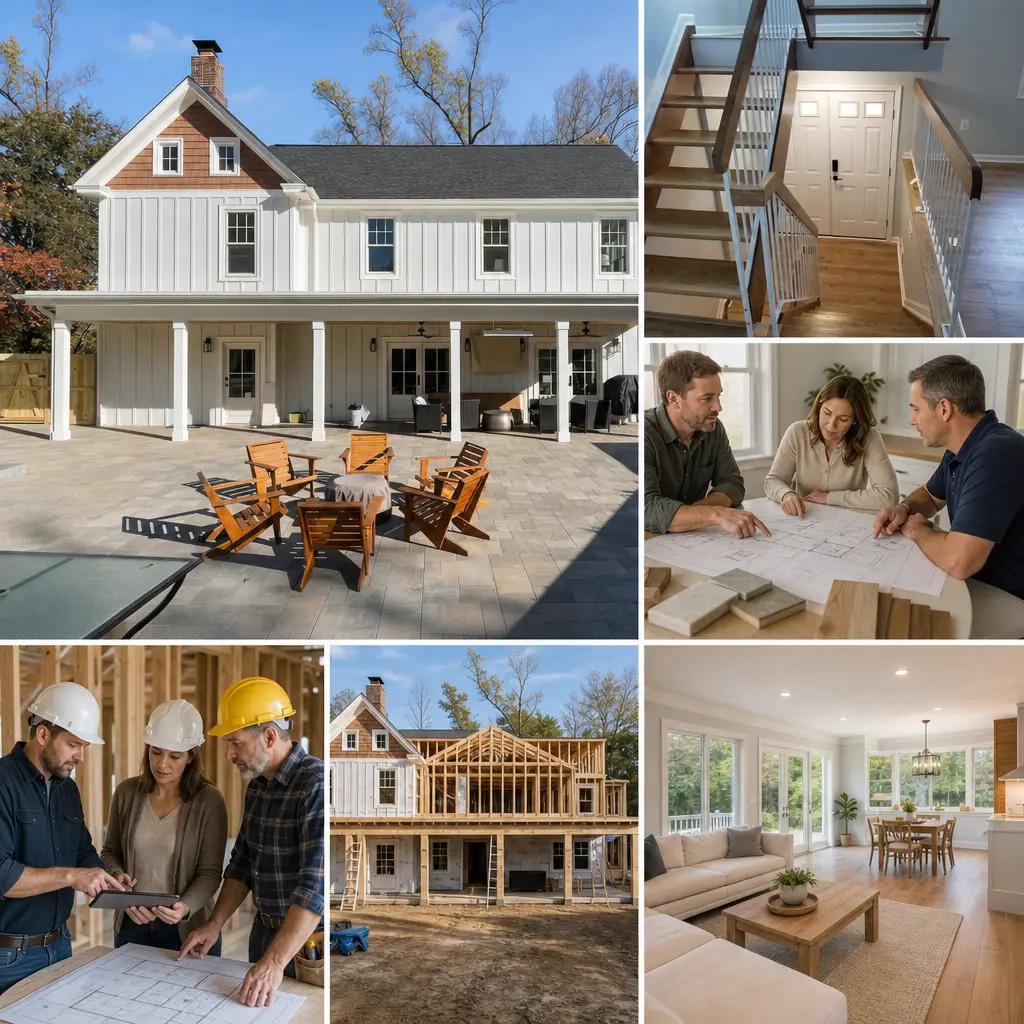
Here’s what dedicated project management means in reality: Your project manager arrives before trade crews to review the day’s scope and confirm materials are on-site. If a heating contractor and drywall crew are scheduled for the same room, they’re sequenced to work together efficiently, not back-to-back creating rework. When a supplier delivers wrong material, the project manager coordinates the replacement immediately rather than causing a week delay.
You receive consistent communication. A weekly email and photo update shows progress, upcoming phases, and what to expect next week. If weather delays exterior work or an inspection issue needs addressing, you hear about it directly with context and next steps, not rumor or assumption.
Our project managers also protect your home. Temporary barriers keep dust contained. Parking is managed respectfully. Material staging doesn’t block your driveway. Work hours respect neighborhood quiet. These details seem small, but they’re the difference between construction that’s tolerable and construction that feels invasive.
If a question or concern arises, you contact your project manager directly. You’re not leaving voicemails with a general office line hoping someone eventually gets back to you. Your manager knows your project intimately and can address issues immediately.
Actionable takeaway: Insist on meeting your project manager before starting work. Ask about their background and experience. Request contact information for a past client so you can ask about their responsiveness and problem-solving during construction.
7. Comprehensive Warranty and Post-Completion Support
Your addition should perform flawlessly for decades. Yet some contractors treat completion as goodbye. If a window leaks in year two or drywall cracks appear in year three, you’re on your own finding someone to address it.
We stand behind our work with comprehensive warranties on both materials and craftsmanship. Manufacturer warranties cover appliances, fixtures, and product components for their specified terms. Our construction warranty covers workmanship for one year from completion, addressing any defects in framing, carpentry, finishing, or installation that aren’t caused by homeowner misuse.
More importantly, we remain accessible and responsive after completion. If an issue emerges in month four, you contact us. We inspect, diagnose, and remedy it. We’re not defensive or evasive; we’re confident in our work and happy to address anything that didn’t perform as designed.
Our warranty documentation is clear and straightforward. You receive a comprehensive manual covering all systems in your addition: HVAC, plumbing, electrical, appliances, and materials. We explain maintenance requirements, seasonal tasks, and when to schedule service. A well-maintained home addition lasts indefinitely; neglected systems degrade quickly. We set you up for success.
We also schedule a post-completion walkthrough before you take possession. Your project manager walks every detail with you, explains systems, demonstrates how to operate new fixtures, and confirms everything functions as designed. This isn’t a checklist meeting; it’s a training session ensuring you’re fully confident in your new space.
Finally, we’re here for questions. Months after completion, if you wonder about a system, want maintenance recommendations, or need a referral for related work, you can reach out. You’re not a transaction we closed; you’re part of our community of satisfied homeowners we’ve served throughout Northern Virginia.
Actionable takeaway: Request a contractor’s standard warranty document before signing a contract. Ask specifically how post-completion issues are addressed and who you contact. Vague warranty language or reluctance to discuss support after completion suggests the contractor prioritizes closing deals over standing behind work.
For further reading: Room Additions Fairfax VA.