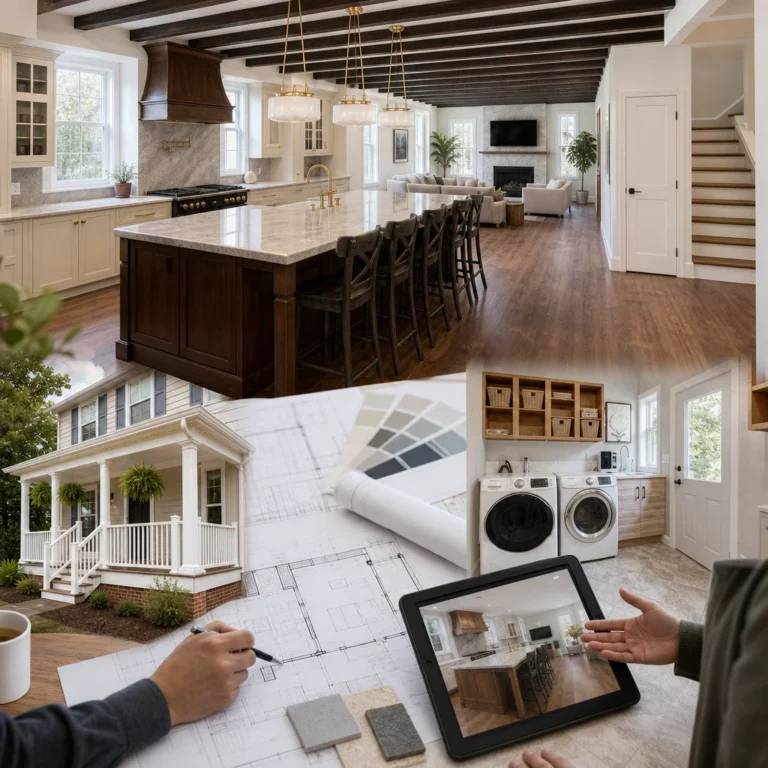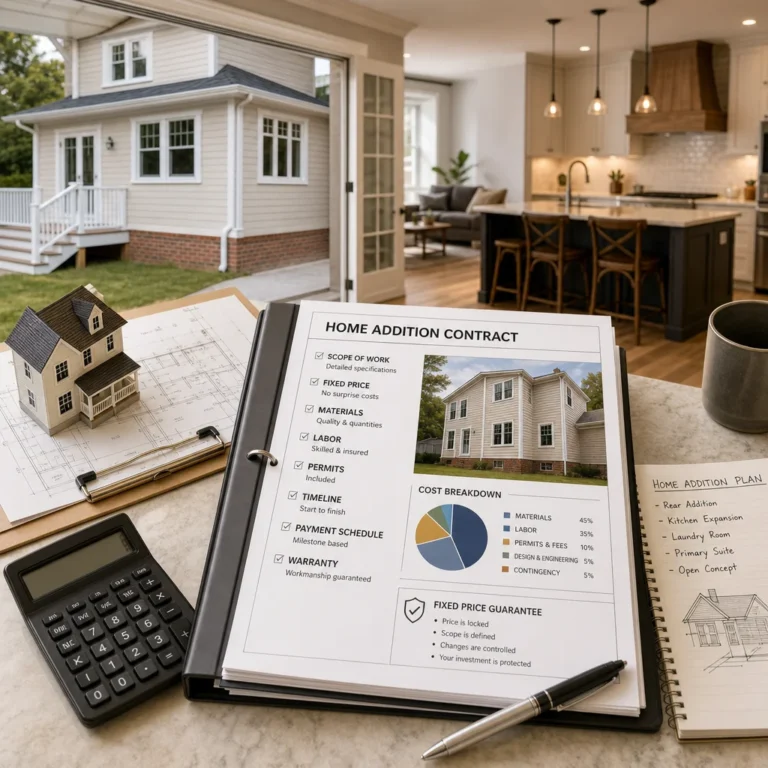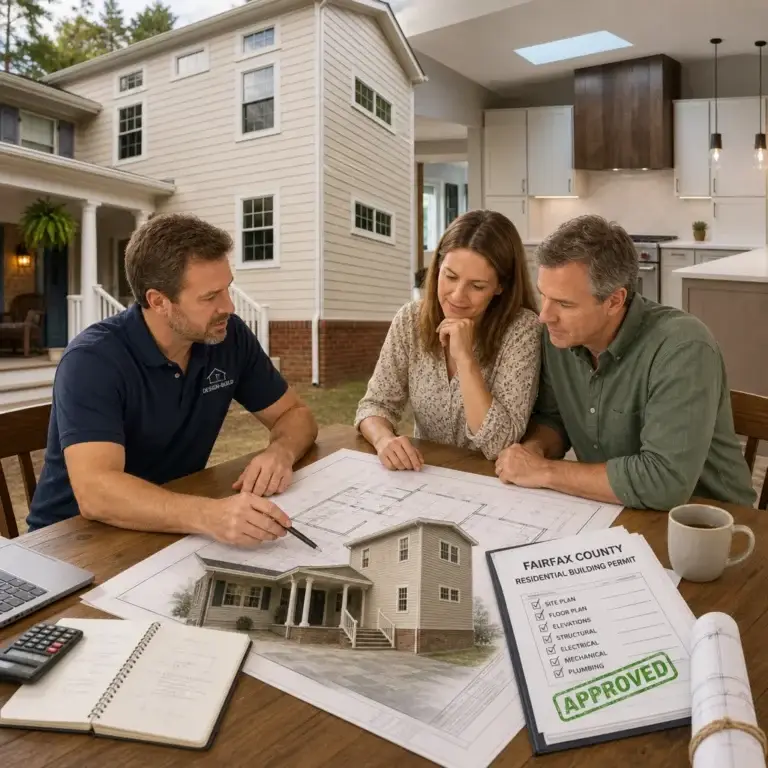
In the high-stakes Northern Virginia real estate market, a standard three-season room often fails to return its investment, yet a strategically designed four-season addition can recoup up to 80% of its cost. If you are wondering how much does a sunroom add to home value, the answer depends almost entirely on whether the space qualifies as official, habitable square footage. You’ve likely seen additions that look like glass boxes glued to the back of a home; they feel drafty, look cheap, and rarely help at appraisal time. It’s natural to feel anxious that your project might end up as an expensive, underutilized porch rather than a seamless extension of your living space.
This 2026 guide explores the specific ROI of sunroom additions in Alexandria, Arlington, and McLean, highlighting how a professional design-build approach protects your financial interest. We will break down the critical differences between a simple amenity and a fully conditioned living area. You’ll discover how to ensure your new space meets the latest Virginia building standards for year-round comfort while maximizing your home’s total resale value and architectural integrity.
Key Takeaways
- Understand why a four-season addition in Northern Virginia can recoup up to 80% of its cost compared to lower national averages.
- Learn how the “Gross Living Area” classification determines how much does a sunroom add to home value during a professional appraisal.
- Discover why custom, stick-built construction outpaces prefabricated kits in high-end markets like McLean and Alexandria.
- See how the design-build model prevents the “tacked-on” look and ensures your addition integrates seamlessly with your home’s existing architecture.
- Get a clear roadmap for navigating Northern Virginia’s rigorous zoning and permitting requirements to protect your investment.
Understanding Sunroom ROI in the Northern Virginia Market
In the competitive Northern Virginia real estate market, the question of how much does a sunroom add to home value isn’t just about adding a room; it’s about maximizing your property’s footprint in a high-demand region. Technically defined as a glass-enclosed structure (see: What is a Sunroom?), these additions bridge the gap between indoor comfort and outdoor views. Unlike a standard porch or deck, a modern sunroom functions as a year-round sanctuary. In 2026, property values in Fairfax and Arlington counties continue to climb, meaning every square foot of finished, climate-controlled space carries a much higher premium than the national average.
For 2026, high-end custom sunrooms in the NOVA area are seeing recoupment rates of up to 80%. This is significantly higher than the national average of 49% to 55% reported in broader industry studies. The difference lies in local land scarcity. When you add a seamless, professionally integrated room, you aren’t just adding an amenity; you’re expanding the primary living envelope of the home. This distinction is vital for homeowners who want their investment to be reflected in a formal appraisal.
Beyond the strict financial data, there’s a “lifestyle ROI” that resonates with local buyers. Post-pandemic design trends have solidified the need for light-filled home offices and wellness spaces. A sunroom provides the mental tranquility of being outdoors without the humidity, pollen, or insects typical of a Virginia summer. For many, the peace of mind that comes from a high-quality, weather-protected space is worth as much as the eventual resale price.
Market Dynamics: Alexandria to McLean
In neighborhoods like Alexandria and McLean, buyer expectations are exceptionally high. They look for architectural harmony rather than “tacked-on” additions that feel like an afterthought. Because lot sizes are often constrained in Arlington, homeowners must make every square foot count toward the home’s official value. Based on 2026 market trends, a professionally integrated four-season addition in Northern Virginia typically yields a 65% to 80% return on investment.
Sunroom vs. Traditional Home Addition
When comparing costs, a four-season sunroom often ranges between $350 and $550 per square foot in our region. This is often more cost-effective than a traditional home addition, which may require more intensive structural changes to the existing roofline or exterior walls. While a kitchen remodel might offer a high raw ROI, sunrooms frequently help a home sell faster. The emotional appeal of a bright, airy space often becomes the deciding factor for families touring multiple properties in competitive NOVA zip codes.
Three-Season vs. Four-Season: The ‘Gross Living Area’ Distinction
Understanding the technical definition of Gross Living Area (GLA) is essential when calculating how much does a sunroom add to home value. GLA refers to the total area of finished, above-grade residential space that is consistently habitable. For an appraiser to include a sunroom in this total, it must be climate-controlled and built to the same architectural standards as the rest of the house. National data often suggests a modest return on investment for sunrooms, but those figures frequently conflate unheated three-season rooms with fully integrated four-season additions.
Three-season rooms are typically viewed by lenders and appraisers as “amenities” rather than “living space,” much like a high-end deck or patio. While they provide excellent utility during the spring and fall, their lack of permanent heating means they don’t count toward your home’s official square footage. In contrast, a four-season room is a legitimate home addition. By incorporating insulation, high-efficiency glass, and HVAC integration, you transform a porch-like area into a primary living space that Fannie Mae and other major lenders recognize as part of the home’s core value.
The Cost of Climate Control
True climate control requires more than just a plug-in heater. To maximize value, the space should be integrated into your home’s central HVAC system or utilize a dedicated, permanent mini-split system. Modern Virginia building codes in 2026 also place a heavy emphasis on thermal performance. Using Low-E (low-emissivity) double-pane glass prevents the room from becoming a “heat sink” that strains your utility bills. Without these features, the space can become uncomfortable during a humid Northern Virginia July, which ultimately devalues the property in the eyes of savvy buyers.
Appraisal Checklist for Sunrooms
To ensure your project moves the needle on your home’s valuation, it must pass a specific appraisal checklist. First, it requires a permanent, hard-wired heating source; portable space heaters or temporary cooling units do not satisfy appraisal standards. Second, the interior must be finished with walls, flooring, and ceilings that match the quality and aesthetic of the main house. Finally, the room must be accessible year-round through a standard entryway from the main living area. Navigating these rules is the only way to accurately predict how much does a sunroom add to home value before you break ground. If you’re unsure if your current plans meet these rigorous standards, our team can help you evaluate the feasibility of your Fairfax VA remodeling project to ensure every dollar spent builds actual equity.
Key Factors That Maximize Your Sunroom’s Resale Value
When assessing how much does a sunroom add to home value, construction quality is the most significant variable. In luxury markets like McLean or Alexandria, a prefabricated aluminum kit often feels out of place. These structures usually lack the architectural weight of the main house, creating a visual disconnect that savvy buyers notice immediately. Instead, custom stick-built additions use traditional framing and matching materials. This approach ensures the room looks like it was part of the original blueprint, which is essential for capturing high ROI in Northern Virginia.
Privacy is a primary concern in dense neighborhoods. In Arlington or Falls Church, where homes are often situated close together, strategic placement is vital. You want to maximize natural light without sacrificing your sense of seclusion. Buyers pay a premium for biophilic design, which emphasizes a strong connection to the outdoors. A well-placed sunroom that offers views of a private garden or wooded lot creates a wellness-focused sanctuary that commands a higher price than a standard enclosed porch.
Continuity is another subtle but powerful value driver. If you have to step down into the sunroom or if the flooring changes abruptly from hardwood to low-grade tile, the space feels like an afterthought. Matching the floor level and material to the adjacent living area creates a seamless flow. This visual consistency makes the entire home feel larger and more cohesive, which directly impacts how much does a sunroom add to home value during a final walkthrough.
Architectural Integration and Style
Achieving a high-end look requires meticulous attention to the home’s existing roofline and exterior siding. A mismatched roof pitch is a red flag for appraisers and buyers alike. High-quality windows and doors are equally important for maintaining the home’s thermal envelope and aesthetic integrity. Our Guide to Home Additions in Northern VA details how professional design-build services ensure these elements work together to protect your investment.
Permitting and Legal Compliance
Skipping the permitting process is a recipe for financial disaster. In Northern Virginia, unpermitted work can lead to a zero-tolerance response from local authorities. Fairfax and Arlington counties are particularly rigorous about zoning laws and setback requirements. If you try to sell a home with an unpermitted addition, the buyer’s lender will likely stall the sale. This often results in expensive retrofits or even demolition, turning a potential asset into a significant liability that devalues the entire property.

Avoiding the ‘Tacked-On’ Look: The Design-Build Advantage
The “tacked-on” look is the single biggest threat to your property’s appraisal. When an addition looks like a glass box bolted to a brick colonial, it signals a lack of quality to both buyers and appraisers. This visual disconnect can lead to a valuation that is lower than the actual cost of construction, effectively erasing your equity. To truly understand how much does a sunroom add to home value, you have to look at architectural harmony. A sunroom should feel like an original part of the home’s footprint, not a temporary structure or an afterthought.
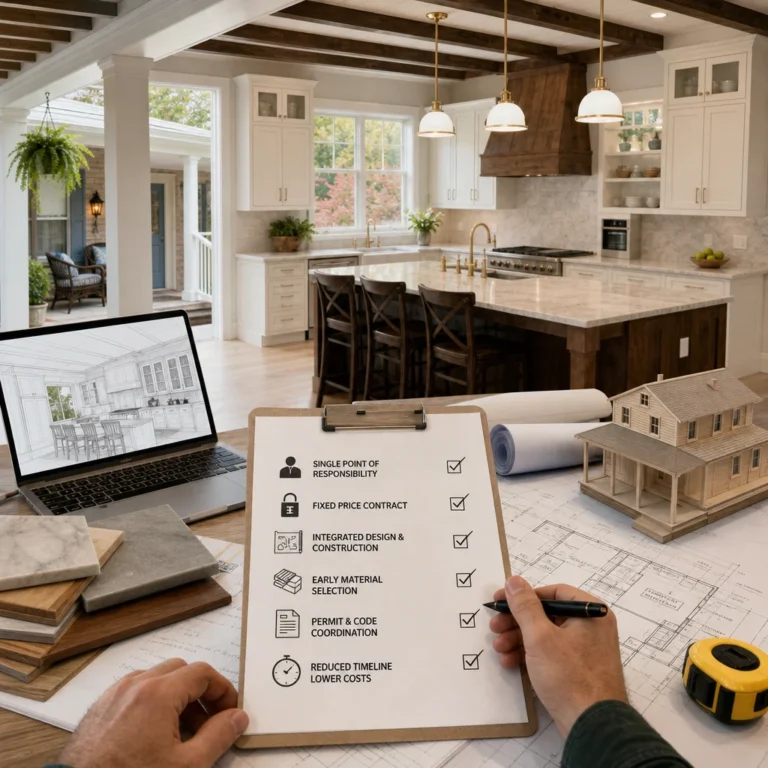
Elite Contractor Services utilizes a design-build model to solve this specific problem. Instead of hiring an architect and then searching for a separate contractor, you work with one cohesive team from start to finish. This single point of responsibility ensures that the final build matches the initial vision perfectly. We manage every detail of the transition from your existing structure to the new sunroom, ensuring that rooflines, siding, and trim work are perfectly synchronized with your home’s original character.
Why Design-Build Wins for Additions
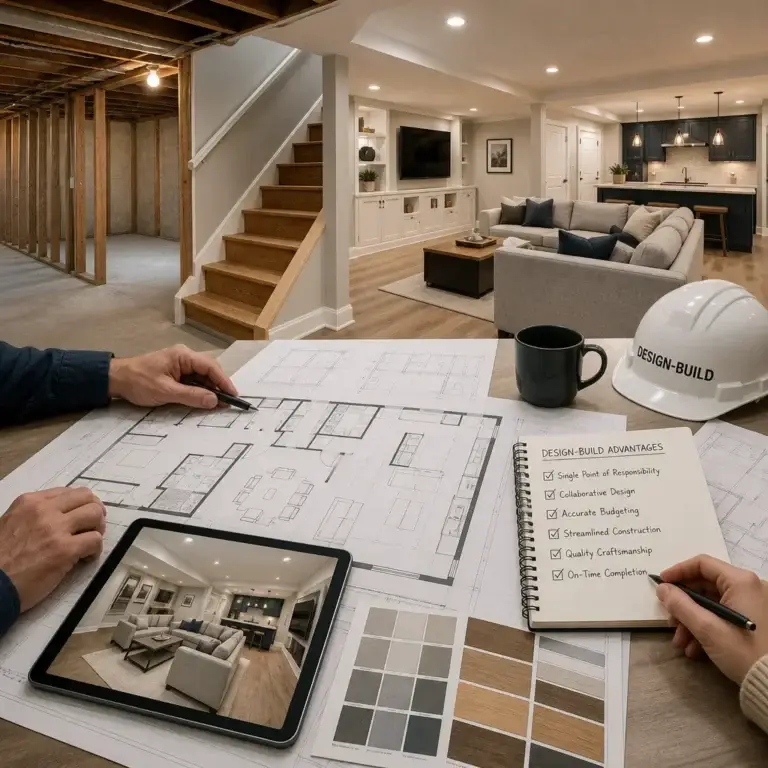
Traditional remodeling often suffers from a communication gap between the person drawing the plans and the person swinging the hammer. The Design-Build Advantage lies in its ability to eliminate this friction. By unifying the design and construction phases under one roof, the model identifies potential structural hurdles early in the planning stage. This proactive approach prevents the expensive mid-project budget creep that often plagues homeowners who hire separate entities for design and labor.
Case Study: Seamless Northern Virginia Integration
Consider a recent project in McLean where we added a four-season sunroom to a luxury estate. By using matching masonry and custom-milled trim work, we were able to increase the home’s official Gross Living Area without disrupting its high-end aesthetic. The result was a space that looked original to the property but offered 2026 levels of energy efficiency and comfort. This level of detail is what allows a project to maximize how much does a sunroom add to home value during a professional appraisal.
Managing a home addition while the family is still living in the house requires a meticulous, professional workflow. We focus on minimizing disruption through clear communication and strict site management. Our goal is to provide mental tranquility throughout the process, ensuring your project is completed on time and within the established financial constraints. If you’re ready to expand your home with a partner who prioritizes architectural integrity, contact our Fairfax VA remodeling team to begin your conceptual design phase.
Planning Your High-End Sunroom Addition with Elite
Moving from the theoretical return on investment to a physical structure requires a meticulous roadmap. Because Northern Virginia is known for its rigorous permitting and zoning requirements, a haphazard approach can lead to costly delays or legal issues that devalue your property. Our team acts as your consultant, guiding you through a structured workflow designed to maximize how much does a sunroom add to home value while minimizing the stress of a major renovation. We understand that the transition from your current home to an expanded living space should be a supportive journey, not a source of anxiety.
- Step 1: Feasibility and Zoning. We begin with a deep dive into your specific lot in Alexandria or Arlington. This includes checking setback requirements and lot coverage limits to ensure your project is fully compliant with the 2021 Virginia Residential Code, which remains the standard for safety and structural integrity in 2026.
- Step 2: Conceptual Design. This is where we balance your lifestyle needs with resale ROI. We focus on architectural continuity to ensure the addition feels like a natural extension of your home’s original footprint rather than a separate unit.
- Step 3: Material Selection. In 2026, energy efficiency is a primary concern for appraisers. We help you select thermal-resistant frames and Low-E glass that meet modern Virginia building standards, ensuring the space remains comfortable and cost-effective year-round.
- Step 4: Transparent Budgeting. We provide detailed documentation and fixed pricing to eliminate the fear of financial mismanagement. Our goal is to establish a clear timeline that respects your family’s daily routine and minimizes life disruption.
Customizing for Your Lifestyle
A high-end sunroom is one of the most versatile home additions you can build. Whether you envision a sun-drenched home office for remote work or a formal conservatory for entertaining, the design must reflect your home’s specific architectural style. We specialize in tailoring additions to match the classic lines of a Northern Virginia Colonial or the detailed woodwork of a local Craftsman. By focusing on these aesthetic details, we ensure the project meets the high expectations of buyers in McLean and surrounding areas, which is the most effective way to secure your long-term investment.
Ready to Expand Your Home?
The decision to expand your living space shouldn’t be accompanied by stress. At Elite Contractor Services, we provide a protective, collaborative environment that prioritizes your mental tranquility. We understand that you aren’t just building a room; you’re investing in your family’s future and your home’s equity. Our Fairfax, VA remodeling services are built on a foundation of ethical standards and professional oversight, ensuring your results are delivered within specific financial and temporal constraints.
Don’t leave the value of your largest asset to chance. If you’re ready to see exactly how much does a sunroom add to home value for your specific property, the first step is a professional evaluation. Schedule a design consultation for your sunroom addition today to begin your journey toward a seamless, high-value home extension.
Secure Your Home’s Future with Architectural Integrity
Investing in a sunroom is a strategic move to expand your home’s official footprint in a competitive market. The final answer to how much does a sunroom add to home value depends on the distinction between a simple unheated amenity and a fully integrated, four-season addition. By ensuring your project meets Gross Living Area standards and utilizes a design-build model, you protect your equity from the financial risk of a “tacked-on” appearance. Meticulous attention to architectural continuity ensures your new space remains a high-value asset for decades.
Our expert design-build team specializes in the unique requirements of Alexandria, Arlington, and McLean. We have a proven track record of delivering high-end home additions on time and within established financial constraints. You don’t have to navigate the complexities of Northern Virginia zoning and construction alone. We’re here to provide a streamlined, high-quality experience that turns your vision into a seamless reality.
Start Your Stress-Free Sunroom Addition Today and take the first step toward a more spacious, light-filled lifestyle.
Frequently Asked Questions
Does a sunroom count as square footage in Virginia?
A sunroom counts toward your home’s official square footage in Virginia only if it’s a fully conditioned, four-season space. To be included in the Gross Living Area (GLA) during an appraisal, the room must have a permanent heating source and be finished to the same architectural standards as the main house. Three-season rooms or unheated porches are generally excluded from square footage totals and are valued as amenities instead.
What is the average ROI of a sunroom addition in 2026?
In the Northern Virginia market, a professionally designed four-season sunroom can yield a return on investment of up to 80%. This figure is significantly higher than the national average because of the local premium on finished square footage in Fairfax and Arlington counties. When homeowners ask how much does a sunroom add to home value, they should focus on custom, stick-built additions that integrate seamlessly with the existing structure for maximum resale impact.
Is a 4-season sunroom worth the extra cost over a 3-season room?
A four-season sunroom is almost always worth the additional investment because it transforms the space into a primary living area. While a three-season room is a pleasant seasonal amenity, it doesn’t count toward your home’s total square footage. The extra cost for insulation, HVAC integration, and high-efficiency glass pays for itself through higher appraisal values and the utility of having a comfortable space during Virginia’s humid summers and cold winters.
How much does it cost to build a high-end sunroom in Northern Virginia?
Industry data for 2026 indicates that high-quality four-season sunrooms in Northern Virginia typically range from $350 to $550 per square foot. Total project costs often fall between $60,000 and $130,000 depending on the complexity of the architectural integration and material choices. These costs reflect the local labor market and the rigorous building codes required to ensure the addition adds permanent value to your property without looking like a temporary kit.
Do I need a permit for a sunroom in Fairfax or Arlington County?
Yes, a building permit is mandatory for all sunroom additions in Fairfax, Arlington, and surrounding Northern Virginia jurisdictions. These counties require compliance with the 2021 Virginia Residential Code to ensure structural safety and energy efficiency. Failing to secure the proper permits can lead to legal penalties and significant complications when you try to sell your home. Understanding these regulations is vital when calculating how much does a sunroom add to home value accurately.
Can I use my sunroom as a year-round home office?
You can absolutely use a four-season sunroom as a year-round home office if it includes permanent climate control and proper insulation. Modern biophilic design makes these spaces ideal for productivity by providing ample natural light and views of nature. To ensure it’s functional during peak summer and winter, you must use high-performance Low-E glass to regulate temperatures and prevent the room from becoming too bright or drafty for computer work.
What is the difference between a sunroom and a solarium?
The primary difference lies in the roof construction. A solarium is typically a structure made entirely of glass, including the roof, which offers a true conservatory feel but can be difficult to heat and cool. A sunroom usually features a traditional shingled or metal roof that matches the rest of the house, with large glass walls. Most homeowners in Northern Virginia prefer sunrooms because they offer better thermal performance and easier architectural integration with existing luxury homes.
Will adding a sunroom increase my property taxes?
Adding a sunroom will likely increase your property taxes because it increases the overall assessed value of your home. Since a four-season addition adds habitable square footage, local tax assessors in jurisdictions like Fairfax or Arlington will adjust your property’s valuation accordingly. However, this tax increase is a direct reflection of the equity you’ve built. The long-term gain in resale value typically outweighs the annual tax adjustment, making it a sound financial decision.