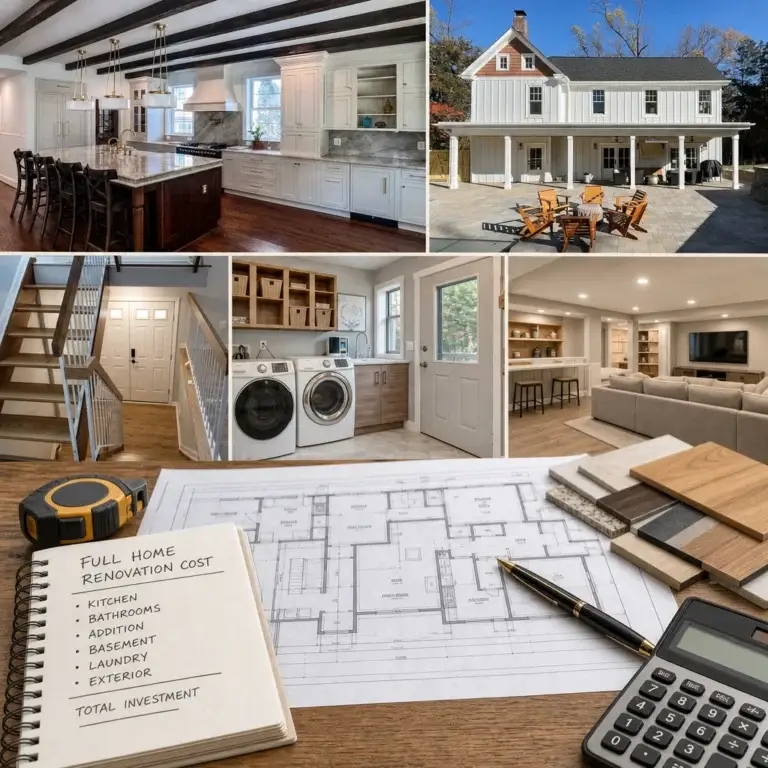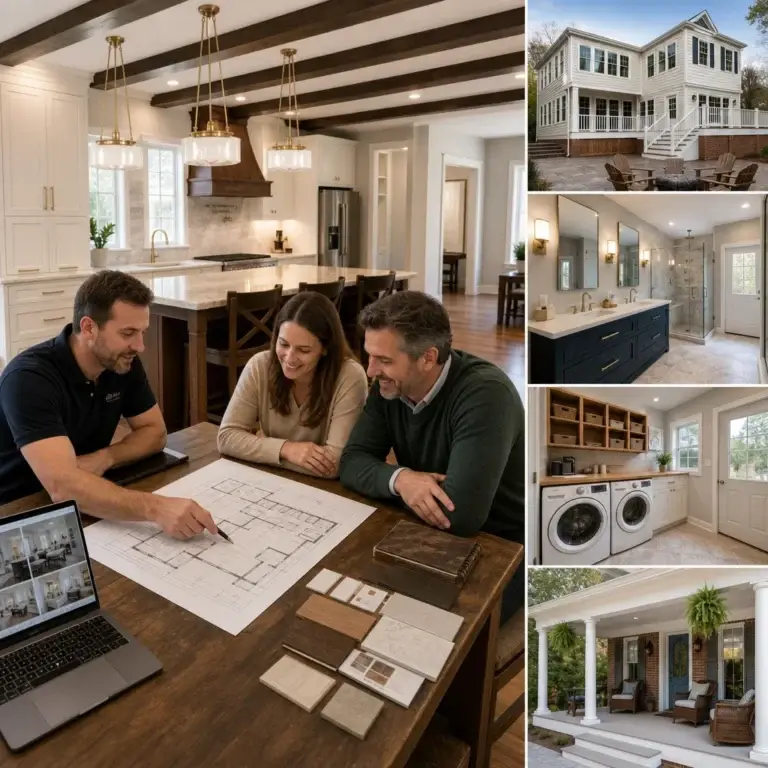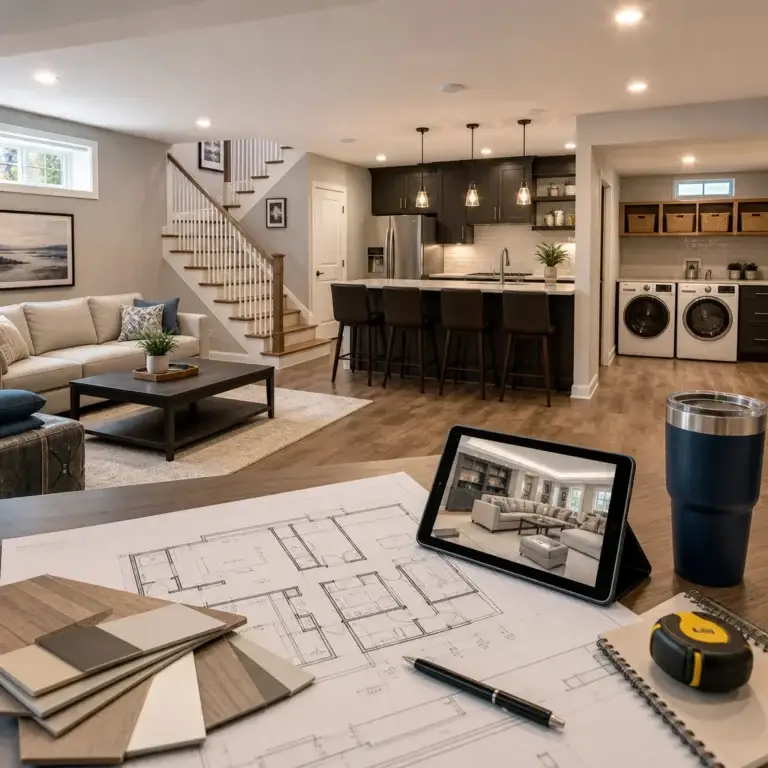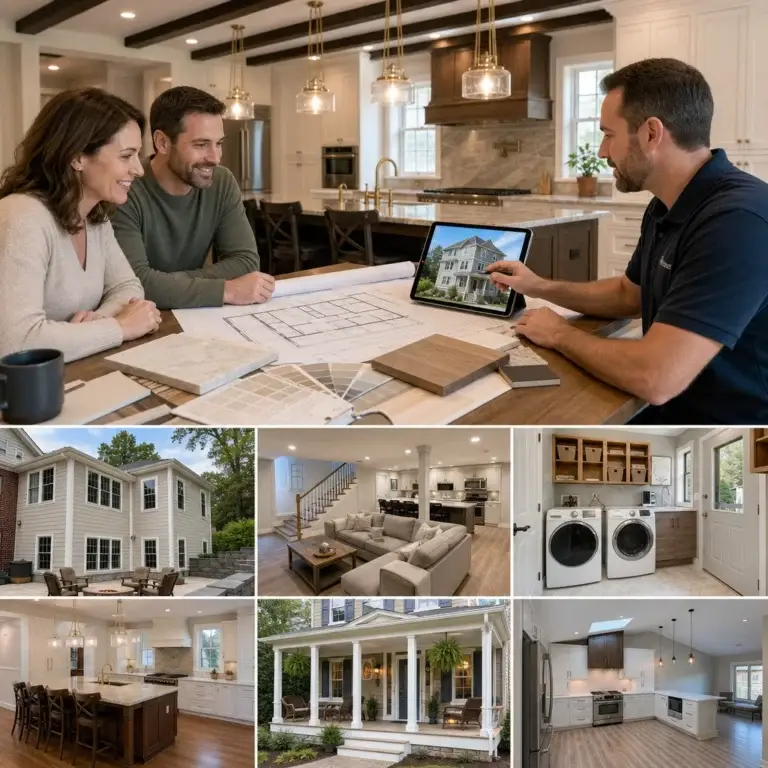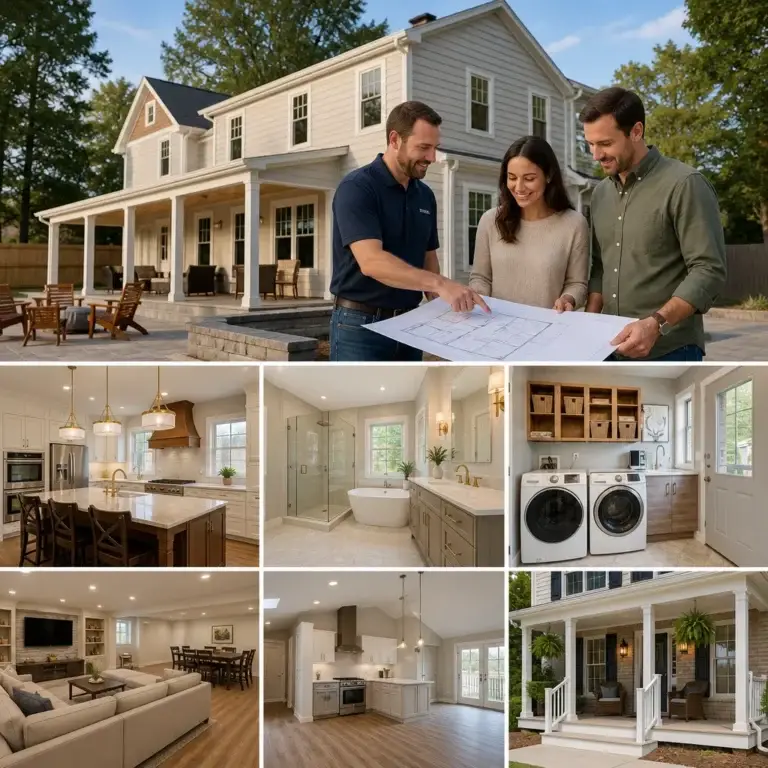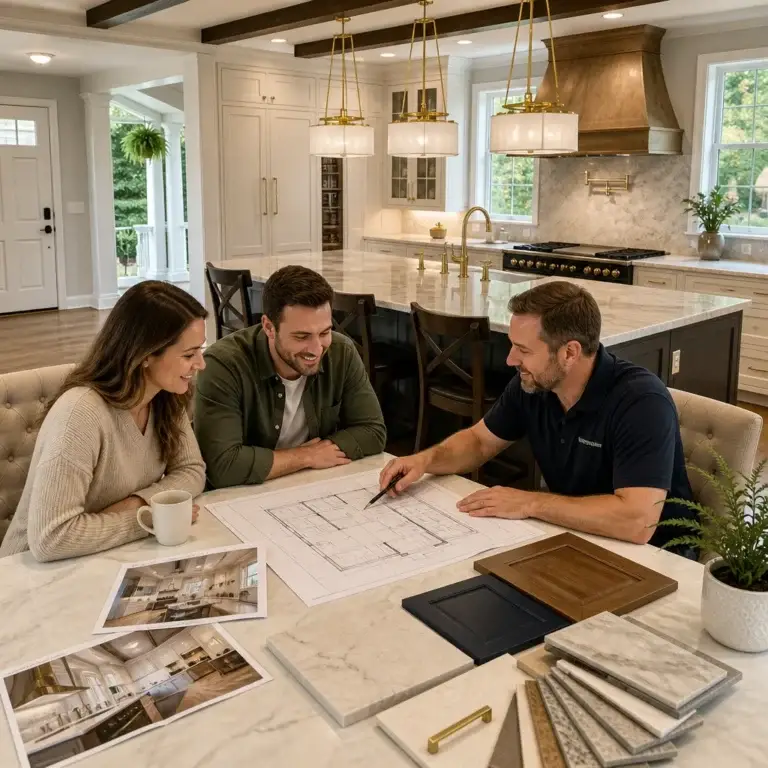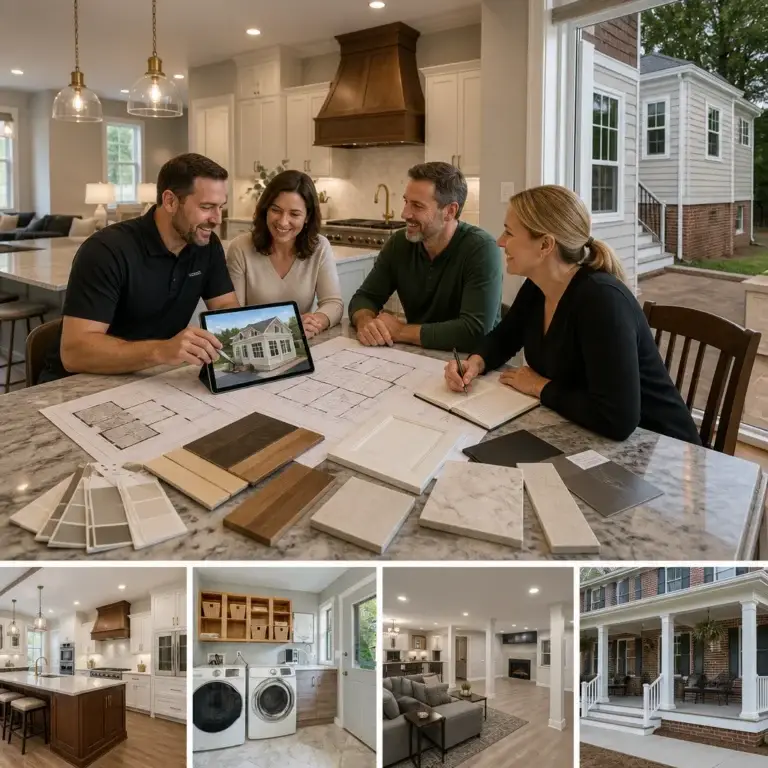
Deciding to move in Northern Virginia today often comes with a “transactional tax” of up to $100,000 in commissions and closing costs. For many families, that’s a high price to pay just for an extra bedroom or a modern kitchen. You likely recognize that staying put and expanding is the smarter financial move, but the 2026 market introduces its own set of anxieties regarding home addition financing options Virginia. Between fluctuating interest rates and the complex choice between HELOCs and construction loans, the path to a luxury remodel can feel overwhelming.
We understand that financial clarity is the foundation of any successful project. This guide simplifies your funding journey by providing expert insights into current loan structures and equity strategies. You’ll learn how to align your budget with a design-build roadmap that minimizes risk and maximizes your home’s value. We’ll compare the most effective financing vehicles available today, from renovation loans to equity lines, so you can move forward with a partner who values your peace of mind as much as the final build.
Key Takeaways
- Learn how to evaluate the significant ROI potential of high-end expansions in Northern Virginia’s most competitive markets like McLean and Arlington.
- Discover the most effective home addition financing options Virginia homeowners can use to leverage their equity, from flexible HELOCs to fixed-rate equity loans.
- Understand the specific advantages of VA renovation loans and construction-to-permanent financing for complex, large-scale luxury projects.
- See why lenders favor the design-build model and how professional architectural plans facilitate more accurate property appraisals and smoother approvals.
- Master the essential steps to prepare your financial profile and project documentation before you approach a lender for your remodel.
Understanding Home Addition Costs and ROI in Northern Virginia
Viewing a luxury home addition as a simple expense is a missed opportunity. In the current market, a well-executed expansion acts as a strategic investment in your most valuable asset. Markets like McLean and Arlington continue to show resilience, justifying larger capital outlays because property values in these corridors consistently outpace national averages. When you explore home addition financing options Virginia lenders provide, it’s vital to look beyond the immediate interest rate. The 2026 property outlook remains strong due to a persistent lack of inventory in premium neighborhoods.
Lenders in Northern Virginia are increasingly comfortable with the concept of “future value” appraisals. Instead of basing your loan strictly on your home’s current market price, many financing packages consider what the property will be worth once the luxury remodel is finished. This forward-looking approach allows you to borrow against the equity you’re actively creating. It bridges the gap between your current lifestyle and the high-end space you envision, ensuring your financing structure supports your long-term financial health.
Why Northern Virginia Homeowners Choose Additions Over Moving
Moving within Fairfax or Loudoun counties has become a logistical and financial hurdle. Inventory remains remarkably tight, often forcing buyers into bidding wars for homes that still require updates. The “transactional tax” of moving, which includes real estate commissions, closing costs, and moving fees, can easily exceed $80,000 to $100,000 for a median-priced home in our area. By choosing to stay, you avoid these sunken costs and keep your family in established communities like Great Falls or Vienna.
There’s also a significant tax benefit to improving your current residence. Virginia property tax structures often make it more advantageous to increase the value of an existing home rather than purchasing a new one at a higher assessment and a potentially higher interest rate. Staying put allows you to maintain your community ties and school districts while customizing your environment to your exact specifications.
The ROI of High-End Additions in 2026
In 2026, homeowners in Northern Virginia can expect an average ROI of 55% to 72% for home additions. While every project is unique, high-utility spaces typically yield the most reliable financial returns. Gourmet kitchen expansions and family room additions are particularly strong, with family room projects often seeing returns between 60% and 70%. These spaces address the modern demand for open-concept living and high-end entertaining areas.
Understanding the fundamentals of Home Equity Loans and HELOCs is a necessary step in unlocking this potential. While increasing your home’s square footage will naturally impact your local property tax assessment, the equity gain usually far outweighs the incremental tax increase. For those considering a project that transforms the entire footprint of their home, our Whole House Remodel guide offers deeper insights into managing such a significant undertaking. A professional design-build approach ensures that your investment is protected through meticulous planning and transparent financial oversight.
The Most Common Financing Options for Virginia Homeowners
Selecting the right vehicle for your project is as critical as the architectural design itself. In 2026, the variety of home addition financing options Virginia homeowners can access provides flexibility, but it requires a clear understanding of your long-term financial goals. Whether you’re planning a multi-phase expansion or a single kitchen remodel, the structure of your debt will dictate your project’s total cost over time. It’s about finding a balance between immediate cash flow and total interest paid.
HELOC vs. Home Equity Loan: Which Fits Your Project?
Choosing between a Home Equity Line of Credit (HELOC) and a Home Equity Loan (HEL) often depends on your project’s timeline. A HELOC works like a credit card tied to your home’s value. It’s perfect for multi-phase additions because you only pay interest on the money you actually spend during the draw period. As of early June 2026, national HELOC rates average 7.43%, though some Virginia lenders offer lower introductory periods. This flexibility allows you to manage cash flow as construction milestones are met.
Conversely, a Home Equity Loan provides a lump sum with a fixed interest rate. In 2026, these rates typically range from 6.41% to 8.12%. This is the safer choice for a project with a fixed, one-time budget. It protects you from future rate hikes and ensures your monthly payment never changes. Before applying, ensure you meet these common requirements:
- Equity: Most lenders require you to keep at least 10% to 20% equity in your home.
- Credit Score: A minimum score of 620 is standard, though higher scores secure better rates.
- DTI Ratio: Your debt-to-income ratio should generally remain below 43%.
Cash-Out Refinancing in the 2026 Environment
Refinancing in 2026 is a complex decision. If you currently hold a legacy mortgage with an exceptionally low rate, a cash-out refinance might not be the most economical choice. You’d be replacing your entire mortgage with a new, potentially higher-rate loan. However, for massive home additions where the total cost is significant, consolidating all debt into one mortgage can simplify your finances. You’ll need to account for Virginia-specific closing costs and appraisal fees, which can add several thousand dollars to the total.
For veterans in Northern Virginia, VA-backed home loans offer specialized paths that often bypass the need for traditional equity. If you’re unsure which path fits your vision, our team can help you understand how design-build planning clarifies these financial decisions. Smaller expansions may even be covered by personal home improvement loans, which don’t require your home as collateral but often carry higher interest rates.
Specialized Financing: VA Renovation and Construction Loans
Beyond standard equity lines, several specialized home addition financing options Virginia residents can utilize are designed for specific property types or demographic needs. In high-cost areas like Alexandria and Fairfax, where FHA loan limits are adjusted for the 2026 market, the FHA 203(k) loan is an excellent tool for transforming older properties into modern estates. These loans combine the purchase price and construction costs into one mortgage. This structure is increasingly popular for building an Accessory Living Unit (ALU). Adding an ALU not only provides space for family but also creates rental potential to help manage your long-term debt. You can review the Commonwealth of Virginia’s guide to financing home improvements for a broader look at these state-specific resources.
VA Renovation Loans for Northern Virginia Veterans
Northern Virginia’s high concentration of military personnel in Arlington and Springfield makes VA Renovation Loans a cornerstone of the local remodeling market. Active duty and retired military members can often secure funding with a 0% down payment, even when combining purchase and renovation costs. For 2026, VA construction loan rates typically sit about 0.25% to 1% higher than standard purchase rates, which ranged between 5.75% and 6.518% in mid-June. These programs are ideal for non-structural improvements and certain footprint expansions. They offer a level of financial security and predictability that traditional private loans don’t always match, providing a supportive journey for those who’ve served.
Construction Loans for Major Structural Expansions
Major home additions that involve significant structural changes usually require a construction-to-permanent loan. Lenders view these projects through the lens of “as-completed” value. Instead of looking at what your home is worth today, the bank uses our detailed architectural plans to determine the property’s value after the build. This allows you to access more capital than a standard equity loan might permit. The process involves a strict draw schedule where the bank releases funds only after passing specific inspections. It’s a methodical approach that protects your investment by ensuring every dollar spent correlates with tangible progress on your site. This oversight reduces the risk of project failure and provides the mental tranquility you need during a large-scale remodel.

How Design-Build Services Help You Secure Better Financing
Banks prioritize predictability when they review applications for construction funding. The single-point-of-contact design-build model is often a lender’s preferred choice because it eliminates the communication gaps that plague traditional remodeling. When you present home addition financing options Virginia banks offer, having a unified team behind your proposal suggests a lower risk of project failure. A design-build firm manages the architecture, engineering, and construction under one roof; this ensures that the initial budget remains grounded in reality and reduces the likelihood of administrative errors during the loan draw process.
The Importance of Accurate Estimates for Loan Approval
Lenders are particularly wary of “scope creep,” where unforeseen changes inflate the project cost mid-build. This phenomenon can break a financing plan and leave a homeowner with an unfinished structure. We prevent this by providing the precise, itemized documentation that underwriters require for final approval. Our methodology ensures that every material choice and labor hour is accounted for before the first shovel hits the ground. To understand why this integrated approach is the gold standard for high-end projects, explore our Design-Build Advantage pillar. This level of detail gives banks the confidence they need to release funds, knowing the project has been vetted for financial feasibility.
Streamlining the Appraisal Process
Securing a loan often hinges on a successful “as-completed” appraisal. Appraisers sometimes struggle to quantify the value of a luxury expansion without seeing the finished product. We solve this by providing high-resolution design renderings and detailed specifications that help appraisers visualize the final result. For example, a sophisticated kitchen design with premium cabinetry and integrated appliances adds quantifiable value that a generic estimate might miss. These professional visuals ensure your loan amount reflects the true caliber of the finishes your home deserves.
Fixed-price contracts are another cornerstone of the design-build model that appeals to financial institutions. By capping the construction costs, we provide the bank with a clear upper limit on their exposure. This transparency, combined with rigorous project management, prevents the costly delays that can jeopardize your financing terms. If you’re ready to see how a professional roadmap can simplify your path to approval, connect with our Fairfax team to start your design consultation.
Preparing for Your Northern Virginia Home Addition
Transitioning from the research phase to active construction requires a partner who understands both the architectural vision and the financial stakes. Achieving the extra square footage you need shouldn’t come at the cost of your peace of mind. By organizing your documentation early and selecting a local expert who understands the nuances of Fairfax and Arlington property values, you set the stage for a predictable experience. Managing the various home addition financing options Virginia lenders provide is much simpler when you have a clear, professionally vetted project scope in hand.
Your Pre-Financing Checklist
Before you approach a lender, taking a few proactive steps can significantly speed up your approval process. Lenders in 2026 are meticulous about debt-to-income ratios and credit history; having a clear picture of your financial health is essential. We recommend starting with these key actions:
- Verify Your Credit Health: Ensure your credit score meets the typical 620 minimum for equity loans, though a higher score often unlocks more favorable 2026 rates.
- Calculate Your DTI: Aim for a debt-to-income ratio below 43% to maximize your borrowing power.
- Gather Essential Documents: Have your most recent mortgage statement, tax returns, and any recent property appraisals ready for review.
- Establish a Preliminary Budget: Consult with a Fairfax VA remodeling contractor to get a realistic sense of construction costs before you finalize your loan amount.
This preparation prevents the anxiety of being underfunded mid-project. It ensures that the loan you secure actually covers the high-end finishes and structural integrity your home requires. Having these details organized projects a sense of calm competence to your bank, which can facilitate a smoother approval journey.
Why Elite Contractor Services is Your Financial Construction Partner
We don’t act as simple service providers; we are consultants who guide you through every phase of your project’s lifecycle. Our extensive experience with luxury builds in Vienna, McLean, and Great Falls has taught us that financial clarity is the foundation of mental tranquility. We’re committed to delivering exceptional results within your specific financial and temporal constraints, using a methodical workflow that eliminates the surprises common in the remodeling industry.
Our team provides the formal documentation and transparent pricing structures that banks need to see. This collaborative approach turns a complex transaction into a supportive journey. If you’re ready to explore how we can bring your vision to life while protecting your investment, visit our service areas page to see where we build. Contact us today to schedule your design consultation and take the first step toward a beautifully expanded home.
Transform Your Home with Financial Confidence
Securing the right funding is just as vital as the architectural blueprints. By understanding the home addition financing options Virginia homeowners have at their disposal, you’ve already taken the first step toward a successful luxury remodel. Whether you leverage a flexible HELOC for a multi-phase project or utilize specialized VA construction loans, the key is aligning your debt structure with your long-term lifestyle goals. A well-planned financial foundation ensures your project remains a source of joy rather than a source of stress.
Our design-build efficiency is specifically engineered to reduce financial surprises through transparent pricing and meticulous planning. We bring years of expertise to the Northern Virginia luxury market, providing award-winning project management that protects your investment from start to finish. You don’t have to navigate this complex landscape alone. Our methodology is designed to turn a potentially stressful experience into a supportive journey with clear milestones and organizational oversight.
We invite you to Schedule Your Design-Build Consultation with Elite Contractor Services to discuss your vision. Our team is ready to provide the administrative clarity and professional expertise you need to move forward with absolute mental tranquility. Let’s build something exceptional together.
Frequently Asked Questions
Can I finance a home addition with no equity in my Virginia home?
Yes, you can utilize unsecured personal loans or government-backed programs like the FHA 203(k) or VA Renovation loans. These specialized home addition financing options Virginia lenders offer focus on the “as-completed” value rather than your current equity. This approach allows you to borrow against the future worth of your luxury remodel, making it possible to start your project even if you’ve recently purchased your home.
What is the average interest rate for a home improvement loan in 2026?
As of June 2026, national average rates for home equity loans range between 6.41% and 8.12%. HELOC interest rates are averaging around 7.43%, though some local Virginia credit unions provide introductory rates as low as 5.49% for the first 12 months. Your actual rate depends on your credit score, with most lenders requiring a minimum of 620 to qualify for competitive terms.
How long does the financing approval process take for a major addition?
The approval process typically takes between 30 and 60 days from the date of application. Simple home equity lines can sometimes close faster, but construction-to-permanent loans require extra time for the bank to review architectural plans and conduct an “as-completed” appraisal. Providing a detailed design-build roadmap early in the process helps the lender move through the underwriting phase with more confidence.
Are home addition loan interest payments tax-deductible in Virginia?
Interest payments on home improvement loans are generally tax-deductible if the funds are used to substantially improve the residence that secures the debt. This includes structural expansions, primary suite additions, and kitchen remodeling. Because tax laws can change, it’s vital to consult with a qualified tax advisor to confirm how these federal and state deductions apply to your specific financial situation for the 2026 tax year.
Do I need a construction loan or a HELOC for a second-story addition?
A construction-to-permanent loan is usually the safer choice for a second-story addition because these projects often exceed the limits of a standard HELOC. In Northern Virginia, second-story work can range from $350 to $600 per square foot. Construction loans allow you to borrow based on the projected value of the finished home, which is essential when the project cost is higher than your current available equity.
What happens if the construction costs exceed my approved loan amount?
You’re responsible for any costs that go beyond the original loan limit, which is why we emphasize fixed-price contracts and meticulous planning. We recommend building a 10% to 15% contingency fund into your initial financing plan to cover unforeseen structural requirements. Our design-build methodology focuses on administrative clarity and organizational oversight to keep your project within the financial constraints established at the start.
Can I use a VA Renovation loan for an Accessory Living Unit (ALU)?
Yes, you can use a VA Renovation loan to build an ALU if the unit is attached to the primary residence or part of the existing structure. This is an excellent way for veterans in Northern Virginia to create multi-generational living spaces or rental potential with a 0% down payment. These loans provide a supportive journey for military families looking to maximize the utility and value of their property.