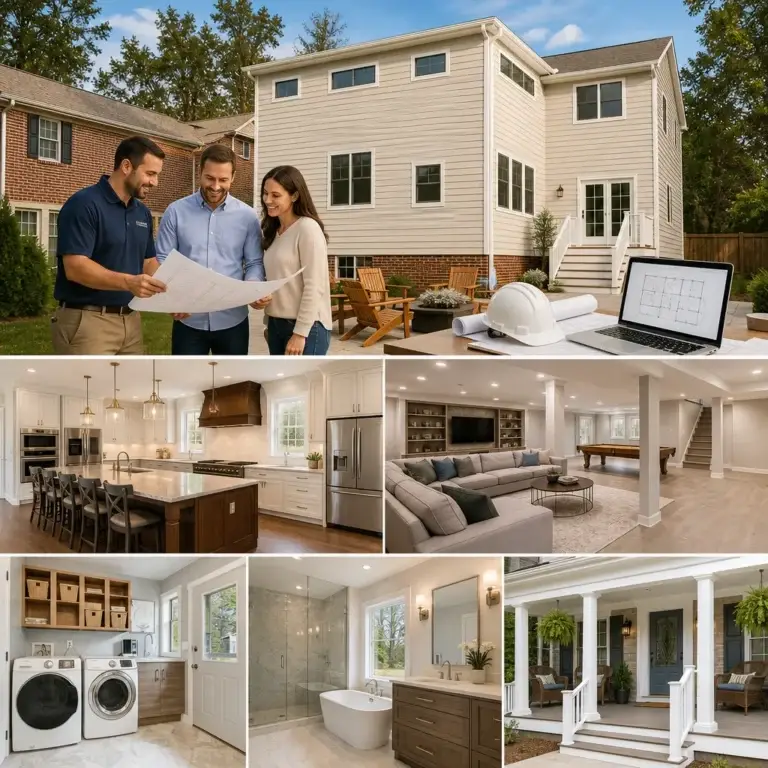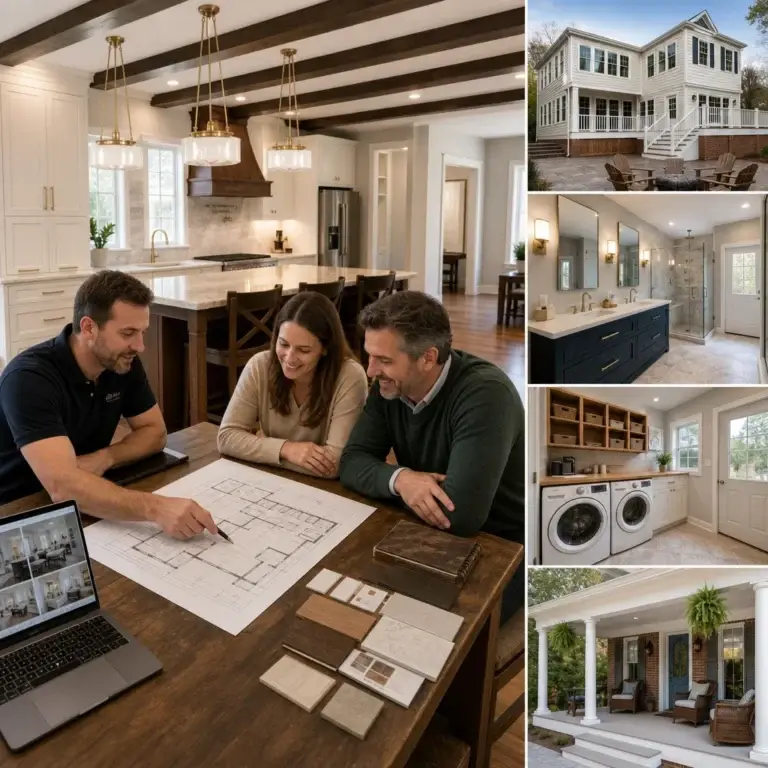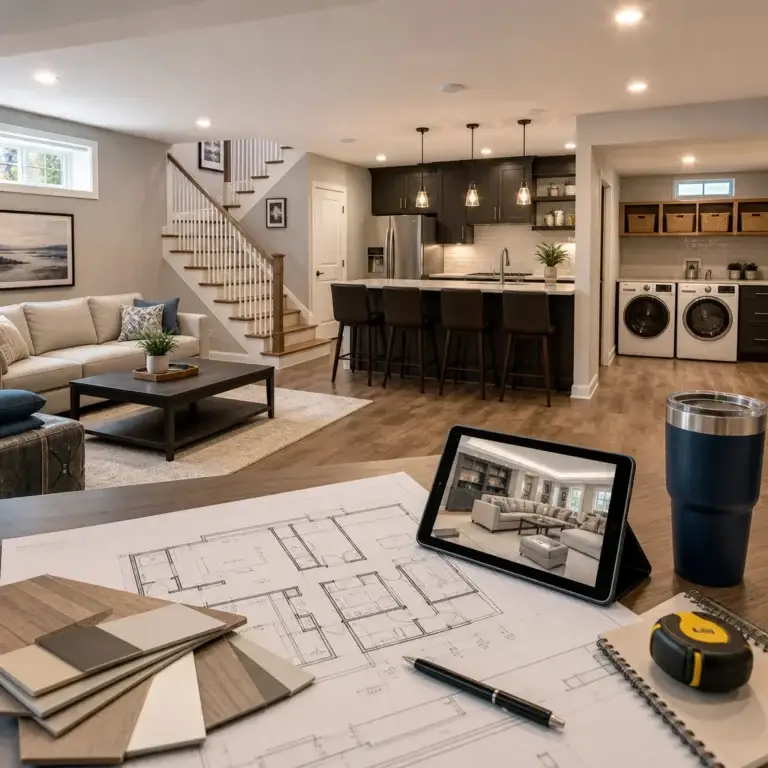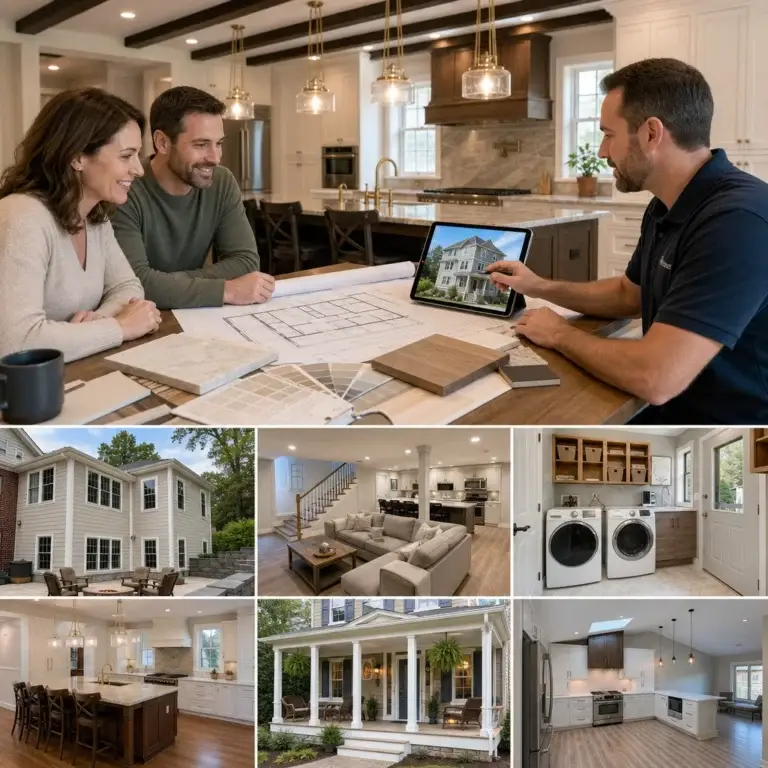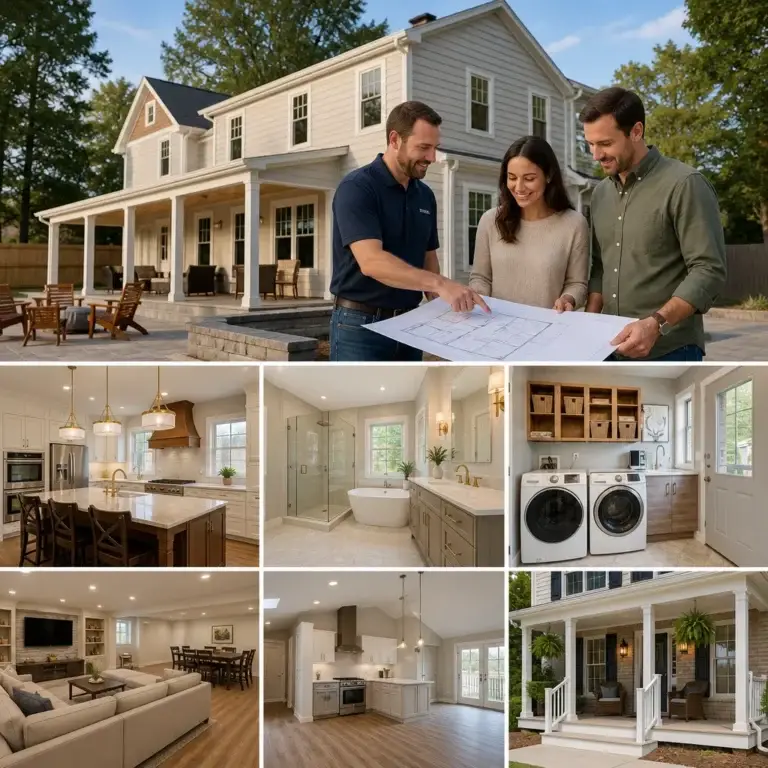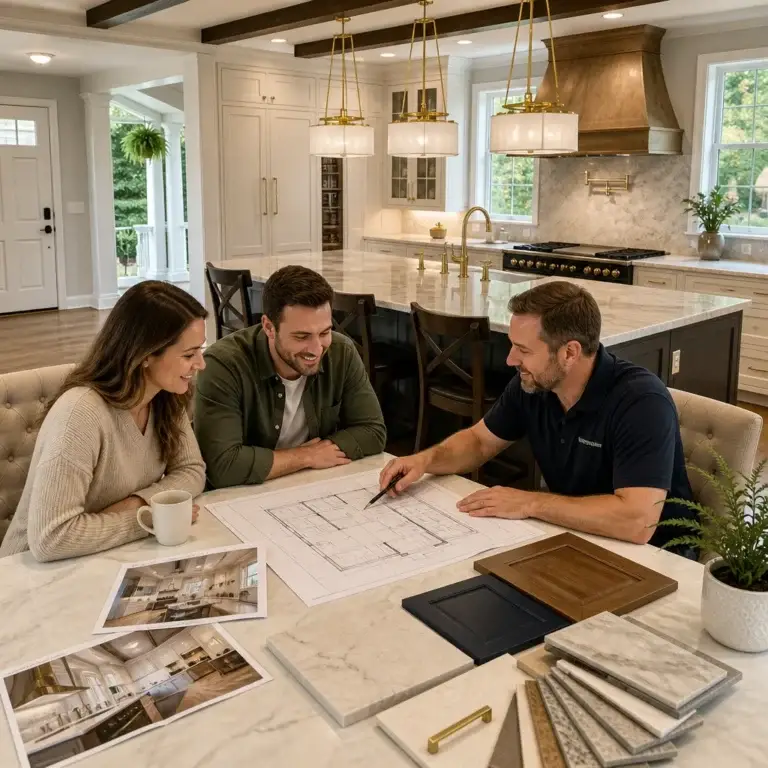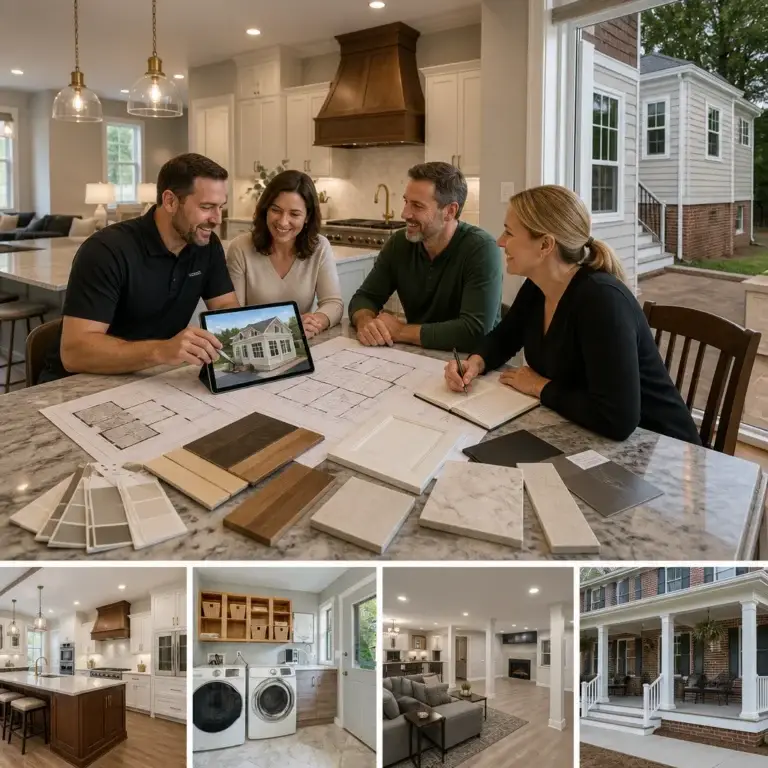
If you are considering selling your Arlington home just to get an extra bedroom, you might be throwing away nearly $100,000 in transactional taxes like agent commissions and moving fees. Most homeowners in Alexandria would rather stay put, but the fear of structural damage or a project that never ends keeps them stuck in cramped spaces. It’s completely normal to feel anxious about the potential for cost overruns or the confusion of whether to call an architect or a builder first.
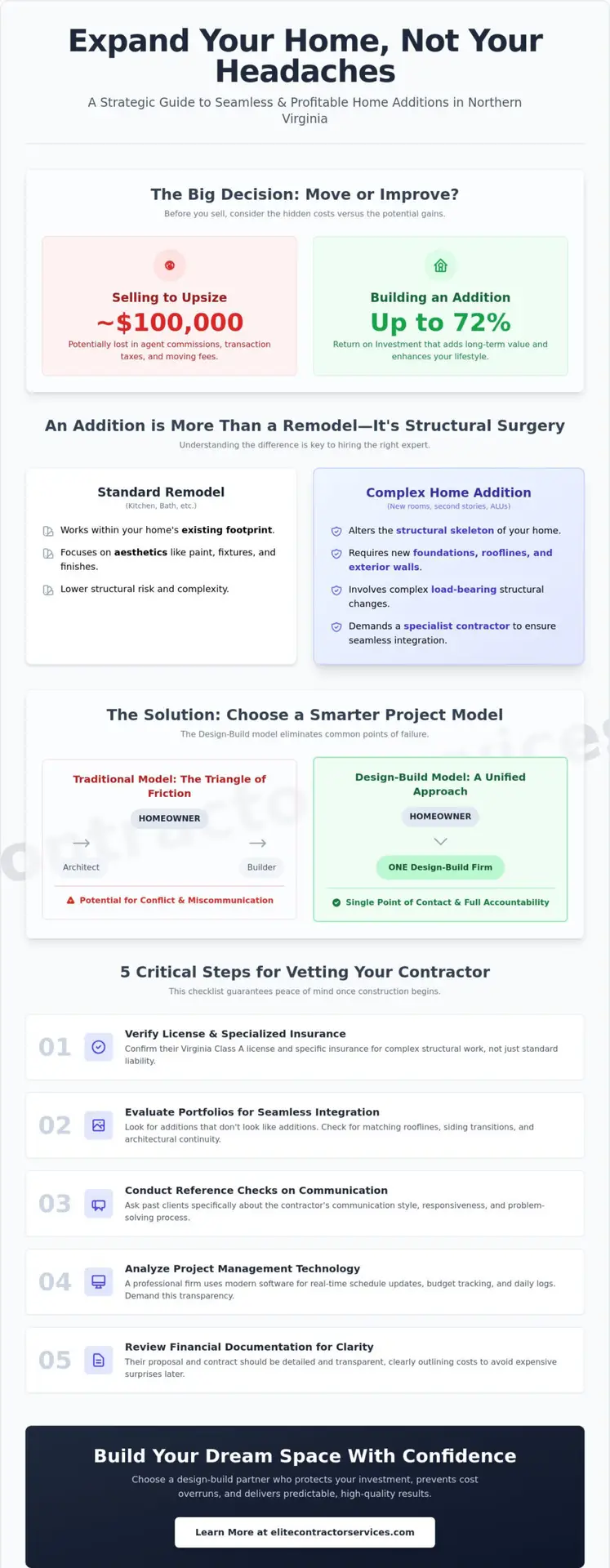
The secret to a seamless expansion lies in hiring-a-contractor-for-home-addition who acts as a meticulous partner rather than just a service provider. You deserve a process that protects your investment and delivers a high-quality result within a predictable timeline. This guide will show you exactly how to vet local experts, navigate complex zoning requirements, and choose a design-build approach that ensures your new space blends perfectly with the original structure. We’ll also explore how a well-executed addition can provide a return on investment of up to 72% while giving you the lifestyle you’ve been dreaming of.
Key Takeaways
- Understand why home additions are considered structural surgery and why you need a partner who specializes in complex integration rather than simple renovations.
- Master the vetting process when hiring-a-contractor-for-home-addition by verifying specialized structural insurance and evaluating portfolios for seamless aesthetic transitions.
- Discover why the design-build model provides a single point of contact that eliminates the typical friction between architects and builders.
- Learn to navigate specific Northern Virginia logistics, including Arlington and Alexandria zoning codes, setbacks, and permit office requirements.
- Gain the confidence to expand your living space with a methodology designed to prevent cost overruns and construction delays.
Why Home Additions Require a Higher Level of Contractor Expertise
Think of a home addition as structural surgery on your most valuable asset. Unlike a simple kitchen refresh or a basement paint job, an addition involves altering the literal skeleton of your property. When you’re hiring-a-contractor-for-home-addition, you aren’t just looking for someone to manage a crew. You’re looking for a specialist who understands how to marry a new foundation to an old one without creating catastrophic settlement issues down the road. This level of work requires a deep understanding of load-bearing transitions, where the weight of your existing roof and walls must be redistributed safely to accommodate the new space.
One of the greatest anxieties homeowners face is the “tacked-on” look. This occurs when the new structure doesn’t align with the original architectural lines, or when the materials don’t quite match. A What is a General Contractor? is responsible for the overall coordination of a project, but for high-end additions in Arlington and Alexandria, you need a partner who prioritizes unified design and construction. The design-build model has become the gold standard for luxury expansions because it ensures the aesthetic and structural elements are planned together from the very first sketch.
The Difference Between Remodeling and Adding Square Footage
Identifying Your Specific Addition Needs
Not every expansion is the same, and your contractor’s experience should match your specific goals. You might be looking for a simple “bump-out” to expand a kitchen, a complex second-story addition that requires reinforcing the first-floor walls, or even Accessory Living Units (ALUs) for multi-generational living. High-end projects in historic districts like Old Town Alexandria require meticulous administrative and organizational oversight to ensure every detail matches the local architectural character. When hiring-a-contractor-for-home-addition, ensure they have a proven track record with the specific type of square footage you intend to add.
5 Critical Steps for Vetting Home Addition Contractors in Northern Virginia
Vetting is the most labor-intensive part of your journey; however, it’s the only way to guarantee mental tranquility once construction begins. When you’re hiring-a-contractor-for-home-addition, you’re looking for five specific markers of excellence. First, verify their Virginia Class A license and specialized insurance for structural work. Standard liability isn’t enough when you’re removing load-bearing walls. Industry standards for these complex projects are often defined by the National Association of Home Builders, which provides a framework for professional conduct and technical benchmarks. Second, evaluate their portfolio for seamless integration. Third, conduct reference checks that focus on communication. Fourth, analyze their project management tech. Finally, review the transparency of their financial documentation to avoid hidden costs.
A contractor who uses modern project management software provides a level of transparency that paper-based builders simply cannot match. You should be able to see your schedule, budget updates, and daily logs in real time. This administrative clarity is a hallmark of a professional firm that respects your time and investment. If a builder cannot show you how they track logistical disruptions or material lead times, they aren’t prepared for the complexity of a Northern Virginia expansion.
Reviewing Portfolios for Aesthetic Continuity
Look for additions that don’t look like additions. You want to see matching rooflines, perfect siding transitions, and window placements that align with the original architecture. Design-build portfolios often show more cohesive results because the architectural vision and the construction reality are unified from day one. In contrast, “bid-build” projects often suffer from disconnects where the builder tries to cut corners on the architect’s specific aesthetic details.
Asking the Right Questions During the Interview
The interview is your chance to see how a partner handles pressure. Ask specifically how they manage unforeseen structural issues once a wall is opened. You also need to know their process for minimizing dust and disruption for your family. Most importantly, ask if they can provide a detailed timeline that includes the permitting phase in Fairfax or Arlington. Understanding the local nuances of permit offices is what separates a seasoned expert from a generalist. If you want to see how a professional team manages these complexities, you can explore our approach to structural integration.
Comparing Project Models: Why Design-Build Often Wins for Complex Additions
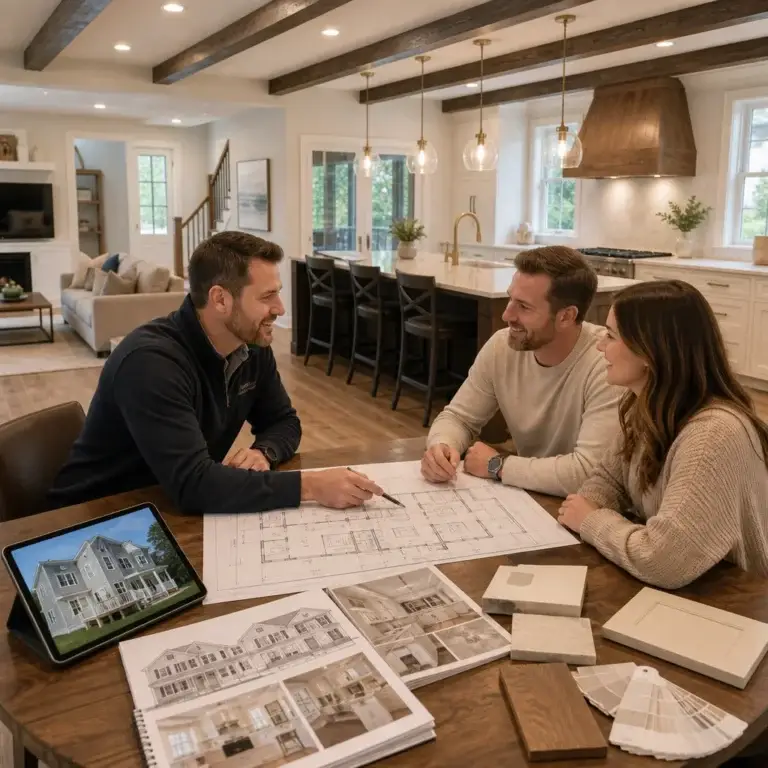
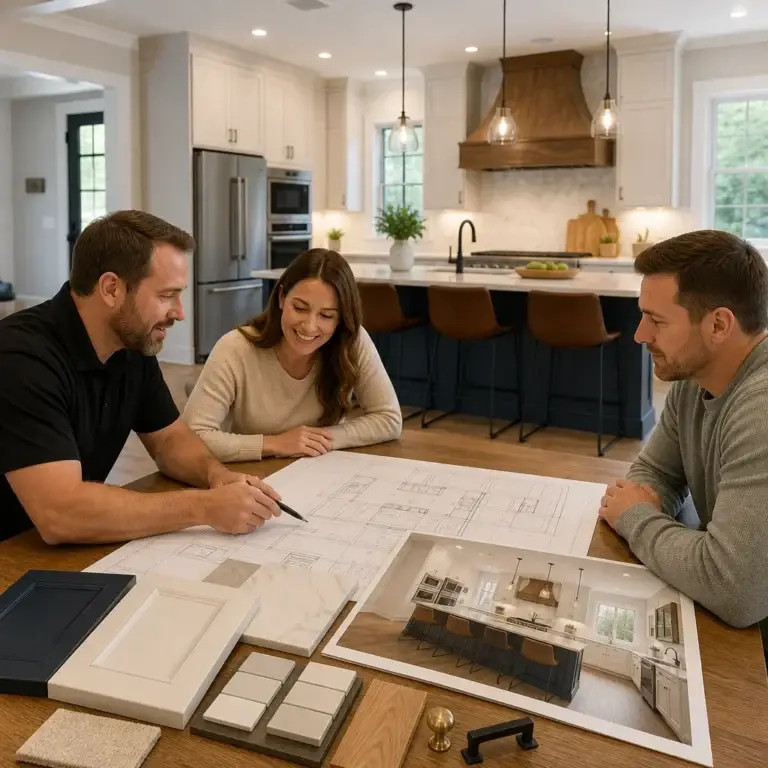
When you begin the process of hiring-a-contractor-for-home-addition, you’ll quickly realize there are two distinct paths forward. You can either hire an architect to draw the plans and then bid those plans out to various builders, or you can choose a unified design-build firm. For complex structural expansions in Northern Virginia, the design-build model has become the preferred choice for homeowners who value mental tranquility and financial predictability. This approach integrates every phase of the journey into a single, collaborative relationship, ensuring that the person who designs the space is the same person responsible for building it.
Construction is inherently complex. You don’t need the added stress of managing multiple contracts or mediating disputes between separate entities. By choosing a unified model, you’re investing in a streamlined experience where organizational oversight is the top priority. This methodology acts as a direct antidote to the common industry failures that lead to project delays and budget overruns.
The Traditional Model (Architect + GC)
In the traditional “bid-build” model, you essentially hire two separate companies. While this sounds thorough, it often places the homeowner in the stressful position of acting as a middleman between a designer’s vision and a builder’s reality. A common failure in this model is the budget gap. This happens when an architect creates a beautiful plan that costs significantly more to build than the homeowner’s stated budget. Because the builder wasn’t involved in the design phase, there’s no one to provide real-time cost feedback. This mismatch often leads to expensive redesigns and months of lost time before the first shovel even hits the ground.
The Design-Build Advantage for Northern Virginia Homeowners
Design-build is specifically designed to eliminate the friction found in traditional construction. By hiring-a-contractor-for-home-addition that handles both design and execution, you ensure that value engineering happens from day one. The team designs to your specific budget, not a theoretical one. This transparency builds trust and ensures the project moves smoothly through the permitting phases.
This collaborative relationship is particularly beneficial when the addition includes complex interior updates, such as Kitchen Design & Remodeling. Since the same team oversees the new foundation and the intricate cabinet installation, the transitions are seamless. You have a single point of contact for every question, from the structural shoring to the final backsplash tile. This level of accountability is what creates a predictable, high-quality experience and protects the long-term value of your home.
Navigating the Logistics: Permitting, Zoning, and Managing Disruption
Arlington and Alexandria present unique logistical hurdles that can derail a project before the first nail is driven. Many properties in these historic and densely populated areas were built before modern setback requirements, meaning even a small expansion might require a zoning variance. When hiring-a-contractor-for-home-addition, you need a partner who views administrative filings as a core responsibility, not a secondary task. A seasoned expert understands that a project disturbing more than 2,500 square feet of land in Arlington requires specific civil engineering plans and drainage systems to comply with local environmental codes. This level of technical oversight is what prevents expensive legal delays and ensures your project starts on a solid foundation.
Local Zoning and Permitting Nuances
The regulatory landscape in Northern Virginia is constantly evolving. If you’re planning an Accessory Living Unit (ALU), you must adhere to strict size limitations, such as the 560-square-foot cap currently enforced in Arlington County. These projects also face rigorous setback requirements, often mandating at least 5-foot rear and side-yard clearances for interior lots. Your contractor should handle every aspect of these administrative filings to ensure legal compliance. This oversight prevents work stoppages and ensures that inspections occur on schedule without halting your project’s momentum.
Minimizing Disruption to Your Daily Life
Design-Build firms excel at this because they synchronize the construction schedule with your family’s daily needs. By establishing clear “construction-free” zones, your team ensures that your home remains a sanctuary even during a major expansion. This methodical approach to site management is essential when hiring-a-contractor-for-home-addition if you want to maintain your mental tranquility throughout the journey. If you’re ready to discuss how we can streamline your project’s logistics and protect your daily routine, contact us today to start your consultation.
Elevating Your Home with Elite Contractor Services’ Design-Build Approach
At Elite Contractor Services, we recognize that a home expansion is a deeply personal journey. Our methodology is rooted in a promise of calm competence, aiming to replace the typical anxiety of construction with a sense of mental tranquility. We don’t act as simple service providers. Instead, we position ourselves as consultants and partners who guide you through every structural and aesthetic decision. When you’re hiring-a-contractor-for-home-addition, you’re entrusting someone with the safety and value of your property. We take that responsibility seriously by focusing on high-end remodeling and seamless structural integration that respects the original character of your home.
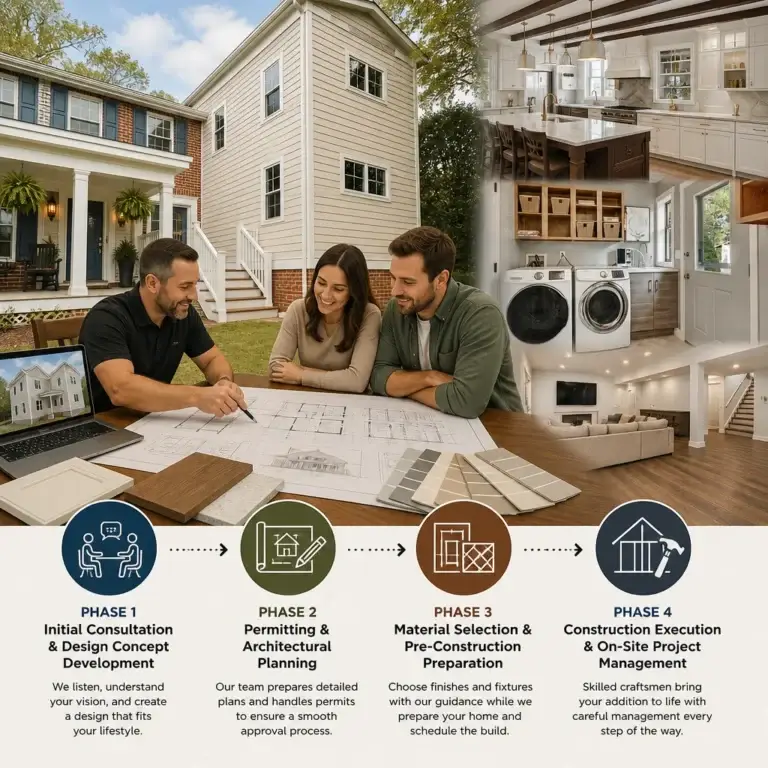
Our multi-step workflow is specifically engineered to eliminate the common industry failures that lead to logistical disruptions and financial mismanagement. By maintaining a single point of contact and providing rigorous organizational oversight, we ensure that your project moves forward with professional precision. We handle the heavy lifting of administrative clarity and technical coordination so that you can focus on the excitement of your new living space. This seasoned approach allows us to provide a smooth, predictable experience that is rare in the construction world.
A Methodology Built on Trust and Transparency
Financial anxiety is often the biggest hurdle in large-scale home improvement. We counter this with formal documentation and transparent pricing models that leave no room for hidden costs or surprises mid-project. Our team brings extensive expertise to every project, whether you’re seeking a targeted expansion or a comprehensive Whole House Remodeling. We’re committed to delivering excellence within the temporal and financial constraints we establish together, ensuring that your investment is protected by ethical standards and superior quality.
Start Your Journey to a More Spacious Home
A successful luxury addition starts with a collaborative relationship. We invite you to a consultation where we can explore your goals and address your specific concerns about structural integrity or local zoning. We pride ourselves on guiding our clients through every phase of the process, from the first design sketch to the final coat of paint. Our goal is to provide a predictable experience that results in a home that perfectly reflects your lifestyle and aesthetic preferences.
If you’re ready to expand your footprint without the stress of typical construction delays, it’s time to partner with a team that prioritizes your peace of mind. Every project we undertake is a supportive journey designed to deliver a high-tier result that matches your vision. Schedule your Home Addition consultation with Elite Contractor Services to begin the transformation of your Arlington or Alexandria property.
Secure Your Home’s Future with a Meticulous Expansion
Expanding your living space shouldn’t feel like a gamble with your home’s structural integrity or your family’s daily peace. You now have the tools to identify a partner who prioritizes seamless aesthetic integration and rigorous site management. By choosing a unified design-build model, you eliminate the common friction between designers and builders while ensuring your project stays within specific financial and temporal constraints. The process of hiring-a-contractor-for-home-addition is ultimately about finding a consultant who handles the complex administrative and technical hurdles of Northern Virginia zoning on your behalf.
As specialists in high-end Northern Virginia remodeling, we’re dedicated to delivering mental tranquility through our proven multi-step workflow. Whether you’re navigating ALU regulations or planning a complex second-story expansion, our team provides the administrative clarity and craftsmanship your home deserves. It’s time to move beyond the stress of typical construction delays and toward a collaborative relationship built on trust. Start Your Seamless Home Addition Journey with Elite Contractor Services today. We look forward to helping you create a space that perfectly reflects your lifestyle and enhances your property’s long-term value.
Frequently Asked Questions
How do I know if I should hire an architect or a design-build contractor first?
You should hire a design-build contractor first if you want to ensure your architectural vision aligns with your actual construction budget from day one. This approach prevents the common industry failure where a homeowner pays for expensive plans that are financially impossible to build. A unified team handles both the creative and technical phases, providing a more predictable and streamlined experience.
What are the biggest red flags when interviewing home addition contractors?
The most significant red flag is a lack of a Virginia Class A license or specialized structural insurance. Other warnings include a contractor who cannot provide a detailed project schedule or one who offers a vague, “ballpark” estimate without a formal site assessment. Professionalism in administrative clarity and documentation is usually a direct reflection of the quality you’ll see on the job site.
How long does a typical home addition take from design to completion in 2026?
A typical home addition in 2026 generally takes between six to twelve months to complete. This window includes approximately two to three months for the design and permitting phases in Arlington or Alexandria, followed by four to nine months of active construction. Complex projects, such as second-story expansions, often fall toward the longer end of this spectrum due to structural requirements.
Do I need to move out of my house during a second-story addition?
Moving out is strongly recommended for second-story additions because the project involves removing the existing roof and exposing the home’s interior. The noise, dust, and frequent utility shut-offs make living on-site extremely difficult for most families. While a ground-level bump-out might be manageable while living at home, the structural “surgery” of a new level requires a vacant site for safety and efficiency.
What is the difference between a general contractor and a design-build firm?
A general contractor typically executes plans created by an outside architect, while a design-build firm manages the entire process from the initial sketch to the final walkthrough. When hiring-a-contractor-for-home-addition, the design-build model is often preferred for complex projects. It provides a single point of contact and eliminates the “blame game” that often occurs between separate designers and builders during construction.
Are permits required for a small bump-out addition in Fairfax County?
Yes, permits are legally required for any addition in Fairfax County that changes the footprint or structural skeleton of your home. Even a small kitchen bump-out involves foundation work and electrical updates that must comply with the Virginia Residential Code 2021. Your contractor should handle all administrative filings to ensure your project meets local safety standards and zoning requirements.
How does a contractor ensure the addition matches the existing architecture?
Contractors achieve a seamless match by replicating the original roof pitches, trim profiles, and window proportions of the existing structure. A meticulous partner will also source materials that match your current siding or brickwork as closely as possible. This level of detail prevents the “tacked-on” look and ensures that the new square footage looks like it was part of the original house design.
What happens if we find structural issues after the construction has started?
If an unforeseen issue is discovered once a wall is opened, a professional team will immediately conduct a site assessment to determine the best technical solution. They will provide a formal document outlining the necessary repairs and any impact on the timeline or budget. This transparent approach to problem-solving is a hallmark of hiring-a-contractor-for-home-addition who prioritizes your home’s long-term integrity and your peace of mind.