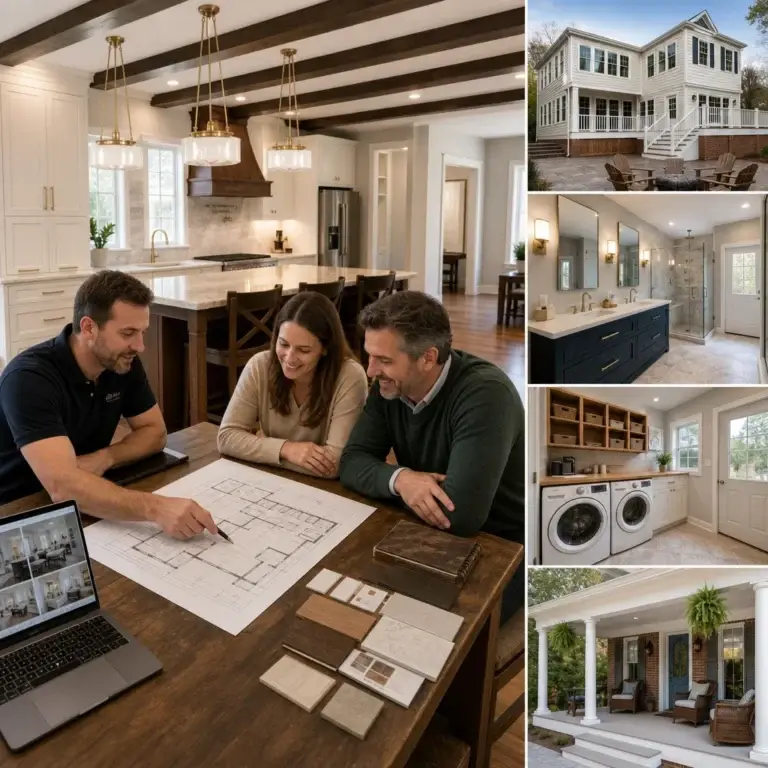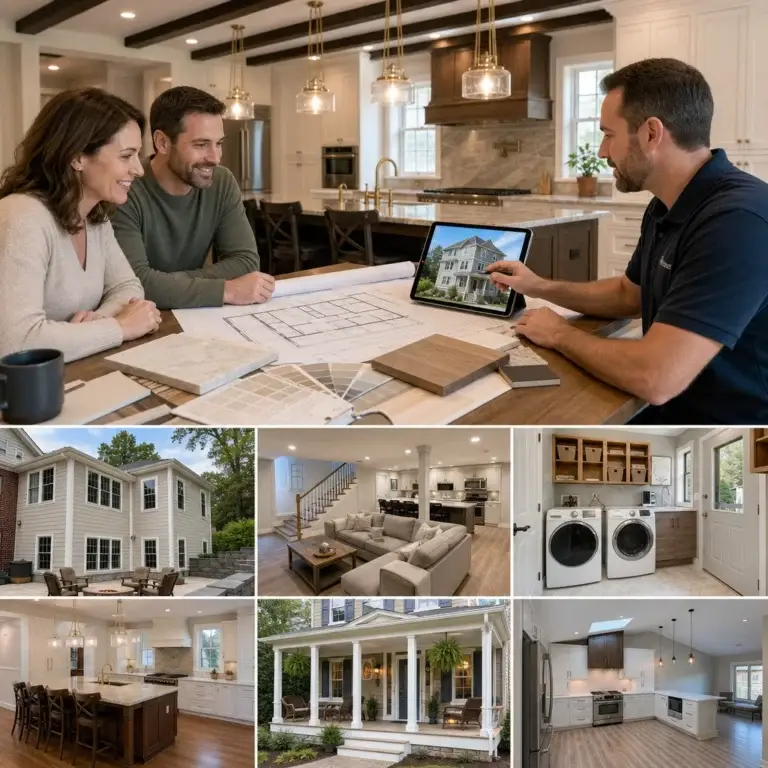
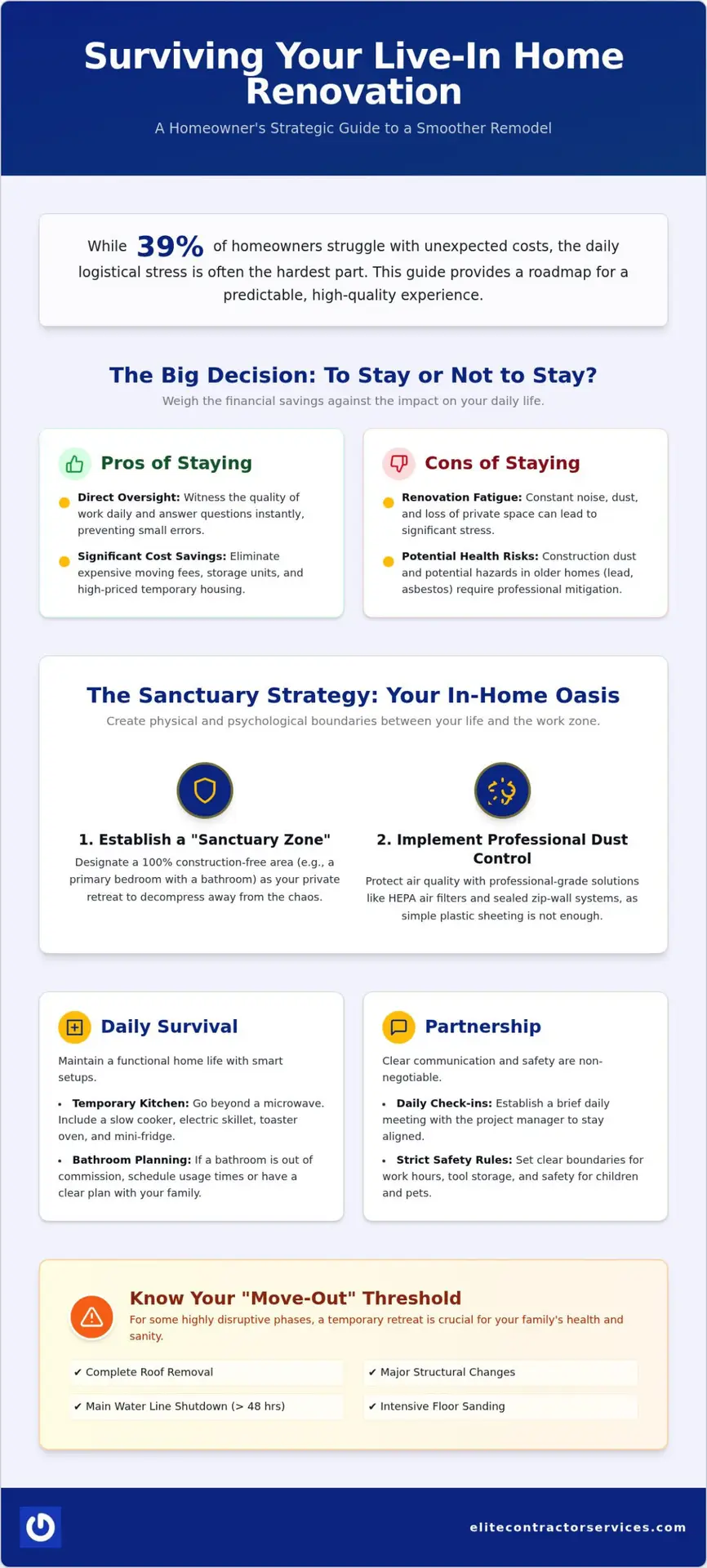
Living in your home during a major renovation doesn’t have to feel like an endless camping trip in a dust-filled construction zone. It’s completely normal to feel overwhelmed by the thought of losing your kitchen or sharing your morning coffee with a construction crew. While 39% of homeowners struggle with unexpected costs during these projects, the logistical stress of daily life is often the hardest part to navigate. You deserve a process that respects your privacy and your peace of mind while your vision comes to life.
This guide will show you how to master the logistics of managing a home remodel while living in the house using professional strategies for dust control and temporary living. We’ll provide you with a clear roadmap to maintain your mental sanity through every phase of the project. You’ll learn how to establish a dedicated Sanctuary Zone, implement professional-grade noise mitigation, and prepare for the most disruptive milestones with a realistic timeline. We’re here to ensure your renovation is a predictable, high-quality experience rather than a source of constant disruption.
Key Takeaways
- Evaluate the financial and emotional reality of staying on-site by balancing significant rental savings against potential project timelines.
- Learn how to protect your air quality and living space by establishing a 100% construction-free “Sanctuary Zone” using professional-grade HEPA filters and zip-walls.
- Discover practical strategies for maintaining a functional home life, including setting up a temporary kitchen that goes far beyond a simple microwave setup.
- Master the logistics of managing a home remodel while living in the house by implementing daily communication protocols and strict safety standards for your family and pets.
- Understand how a design-build partnership streamlines the renovation process through meticulous planning and expert navigation of local building permits.
Is Living in Your House During a Remodel Right for You?
Deciding to stay put during a major renovation is a significant choice that impacts your budget, your schedule, and your family’s daily peace. It is a balance between the convenience of avoiding a move and the logistical challenge of sharing your space with a construction crew. Successfully managing a home remodel while living in the house starts with a realistic assessment of your family’s needs and the scope of the work ahead. While the idea of staying on-site is appealing, it requires a strategic partnership between you and your design-build team to ensure the process remains predictable and professional.
The financial logic is often the primary driver for staying. In Northern Virginia, where short-term rentals can be exceptionally expensive, avoiding a secondary lease can save you thousands of dollars. However, you must weigh these savings against the potential for minor project delays. When crews have to work around furniture, pets, and daily household activities, the pace can slow slightly. A kitchen remodeling project might be manageable with a temporary setup, but a whole-house renovation often pushes the psychological threshold of even the most patient homeowners.
For those who find the disruption of a major project too taxing and prefer to explore a move to a move-in-ready luxury property in a premier market like Florida instead, you can visit Leslie Smith to view premium real estate listings.
The Pros and Cons of Staying On-Site
Living through the construction provides a level of direct oversight that many homeowners find reassuring. You are there to answer quick questions about outlet placement or trim details, which can prevent small errors from becoming permanent. Here are the primary factors to consider:
- Pro: Direct Oversight. You can witness the quality of the work daily and maintain a close collaborative relationship with the project manager.
- Pro: Cost Savings. You eliminate the need for moving fees, storage units, and high-priced temporary housing.
- Con: Renovation Fatigue. The constant hum of power tools and the loss of private space can lead to significant stress over several months.
- Con: Health Risks. Even with the best mitigation, construction creates dust. Older homes in areas like Arlington or Alexandria may also involve lead paint or asbestos that requires professional abatement before you can safely stay on-site.
Determining Your “Move-Out” Threshold
There are certain phases where leaving the home is not just a preference, but a necessity for safety and health. If your project involves a home addition that requires a complete roof removal or a total shutdown of the main water line for more than 48 hours, you should plan to be elsewhere. Vulnerable family members, including infants, the elderly, and sensitive pets, often struggle with the air quality and noise levels inherent in active zones. We recommend creating a “Plan B” for the most intensive weeks, such as during floor sanding or major structural changes, to preserve your family’s well-being while the most disruptive work is completed.
The Sanctuary Strategy: Preparing Your Home for Construction
Successful live-in renovations depend on more than just patience; they require a technical, zone-based framework. Transitioning from a normal household to an active job site is a significant shift that demands physical and psychological boundaries. Managing a home remodel while living in the house is most effective when you treat your home as two distinct entities: the “Work Zone” and the “Sanctuary Zone.” By establishing these borders before the first sledgehammer swings, you protect your family’s routine and ensure the project remains a professional collaboration rather than a source of chaos.
Creating Your Construction-Free Sanctuary
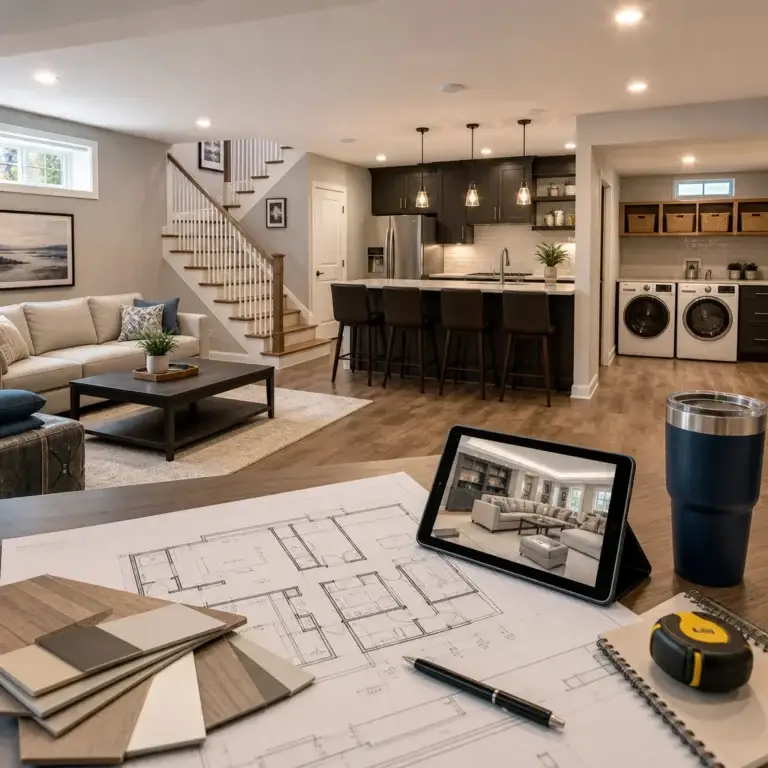
Your sanctuary is a designated area that remains 100% construction-free throughout the project. Ideally, this should be a primary bedroom or a finished basement with its own exterior exit and a private bathroom. This allows you to retreat from the visual and auditory reminders of the renovation. Equipping this space with high-quality air purifiers, noise-canceling headphones, and your favorite comfort items is essential for maintaining your mental well-being. We recommend establishing strict “No-Go” rules for the construction crew to ensure this area remains a private retreat where you can truly decompress at the end of the day.
Professional Dust and Debris Control
Standard plastic sheeting and blue painter’s tape are rarely enough to contain the fine particulates generated during a whole house remodel. Drywall and masonry dust are notorious for traveling through the smallest gaps and infiltrating every corner of a home. To combat this, we utilize professional zip-walls and negative air pressure systems. These systems use high-efficiency particulate air (HEPA) scrubbers to pull air out of the work zone, preventing dust from migrating into your living quarters. It’s also vital to seal all HVAC returns in the active zone to protect your furnace and ductwork from expensive, long-term damage.
Before construction begins, we suggest a period of strategic packing. Any non-essential items, especially family heirlooms or delicate electronics, should be moved to off-site storage or a secure, un-impacted room. This reduces clutter and minimizes the risk of accidental damage. Finally, establish a “Communal Hub” in a safe area of the house. This serves as your temporary command center for cooking and dining while your main kitchen is offline. By taking these methodical steps, you create a predictable environment that supports both the construction team’s efficiency and your family’s comfort. If you are feeling uncertain about the logistics, consulting with a professional design-build partner can help you visualize a site management plan tailored to your specific layout.
Daily Survival: Managing Kitchen and Bathroom Logistics
Losing access to your primary kitchen or master bathroom is often the moment when “renovation fatigue” begins to feel real. These are the spaces where your daily routines are anchored, and their absence can quickly disrupt your family’s sense of order. Successfully managing a home remodel while living in the house requires a transition from traditional living to a strategic, “camp-in” mindset. By planning for these logistical gaps before construction begins, you can maintain a high quality of life even while your home is in a state of transformation.
Utilities are the lifeblood of your home. During a major project, there will be scheduled windows where water, electricity, or gas must be disconnected to allow for safe installations. A professional design-build team will provide you with advance notice of these outages, allowing you to plan your laundry and meal prep accordingly. In Northern Virginia, many homeowners pivot to their outdoor living spaces during these phases. Utilizing a deck or patio for grilling and dining can provide a much-needed breath of fresh air and a break from the indoor work zone.
The Temporary Kitchen Master Plan
A successful kitchen remodeling project often lasts several months, making a microwave-only diet unsustainable. We recommend setting up a comprehensive temporary kitchen in your designated communal hub. This setup should include an induction cooktop, an air fryer, and a slow cooker to provide variety in your meals. One of the biggest challenges is dishwashing. Avoid using your bathroom sinks, as food debris can quickly clog smaller drains. Instead, set up a two-bin washing station in a laundry room utility sink or use a dedicated tub system that can be easily emptied outdoors or in a basement drain. Preparing and freezing meals before the cabinets are removed can also prevent “takeout burnout” and keep your budget on track.
Managing Personal Hygiene and Privacy
When your master suite is under construction, the “one working bathroom” rule becomes your new reality. This requires meticulous scheduling, especially for larger families. Establish a morning and evening rotation to ensure everyone has the time and privacy they need. If you have a local gym membership, consider using their facilities for your primary showers; it feels less like a compromise and more like a luxury when your own home is a job site. Maintaining a consistent routine is the best antidote to the stress of construction. Even if you are brushing your teeth in a temporary setup, keeping your favorite products organized and accessible helps preserve a sense of normalcy. Managing a home remodel while living in the house is a marathon, not a sprint, and protecting these small daily rituals is essential for your long-term comfort.
Communication and Safety: The Contractor-Homeowner Partnership
Managing a home remodel while living in the house requires a mental shift from viewing contractors as “guests” to seeing them as professional partners. This relationship is anchored by a dedicated Project Manager who serves as your single point of contact. Instead of managing individual trades, you collaborate with one leader who understands your family’s schedule and privacy needs. Establishing clear work hours, typically between 8:00 AM and 5:00 PM, ensures you have the evenings and weekends to reclaim your space without the intrusion of active construction. A professional partner respects these boundaries, ensuring your home life remains as predictable as possible during the transformation.
The Daily Communication Loop
Efficiency in 2026 relies on digital transparency. We use integrated project management tools to provide real-time updates on schedules, material deliveries, and upcoming milestones. A formal “Check-In” every morning and a “Check-Out” every afternoon prevents misunderstandings and keeps the project moving forward. If an “on-the-fly” change order is needed, having a documented process allows for calm, logical decision-making rather than stressful, split-second choices. Design-Build communication in 2026 means having the designer and the builder on the same team, ensuring every technical detail aligns perfectly with your aesthetic vision.
Site Safety and Professionalism
Safety is paramount when children and pets remain on-site. We implement temporary fencing and clear signage to mark active zones as restricted areas, keeping your loved ones away from potential hazards. Every evening, our crews follow a strict “broom clean” protocol to remove debris and secure tools. Home security is handled through managed lockboxes or smart access codes, ensuring your home remains protected throughout the day. During a home addition, we take extra care to protect your landscaping and exterior finishes from heavy equipment. This meticulous approach to site management is what separates a professional firm from a standard contractor. If you are ready for a more organized renovation experience, explore our service areas to see how we maintain these professional standards on every local job site.
Managing a home remodel while living in the house is a collaborative journey. By setting clear expectations for work hours and weekend access, you eliminate the friction that often plagues less organized projects. Your Project Manager acts as a consultant, guiding you through every phase with administrative clarity and organizational oversight. This partnership ensures that the quality of the experience matches the quality of the final result.
The Design-Build Advantage for Live-In Renovations in Northern VA
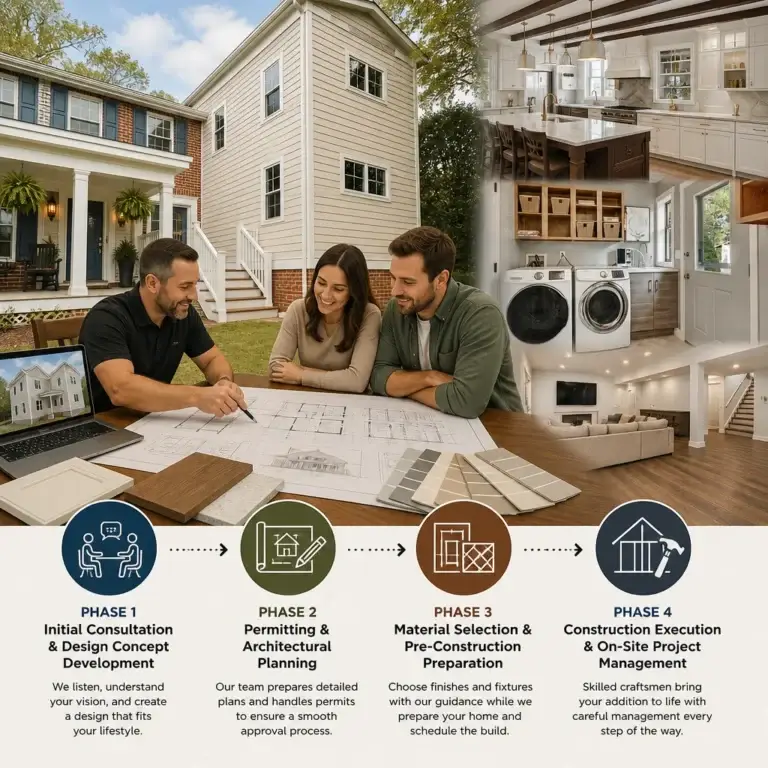
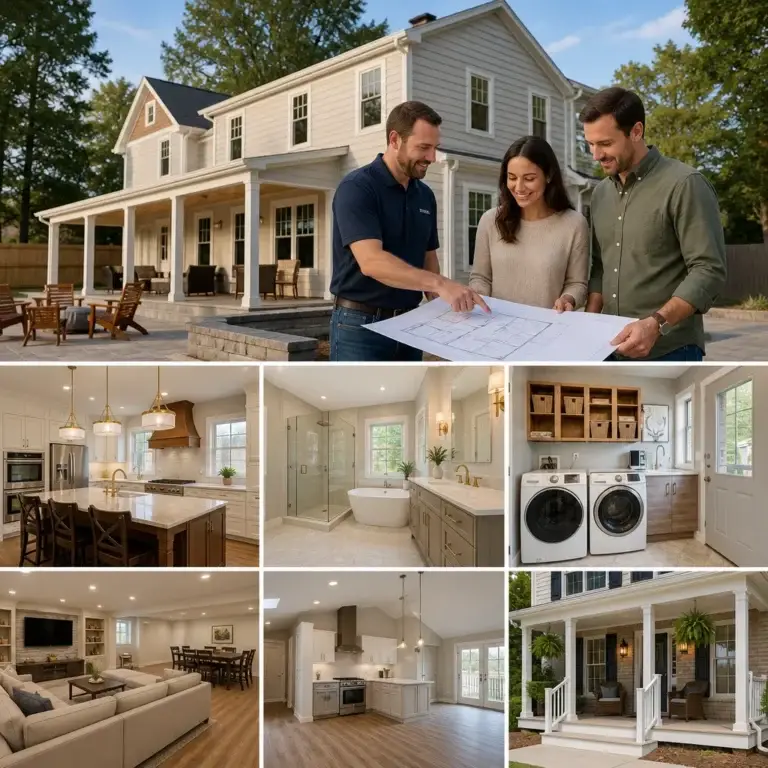
Managing a home remodel while living in the house is a complex undertaking, but it is a process we have perfected through years of meticulous site management and client-focused planning. The traditional “design-bid-build” model often leaves homeowners caught between an architect’s vision and a contractor’s technical limitations, leading to delays that extend your time in a construction zone. Our design-build approach eliminates this friction. By integrating the design and construction phases into a single, cohesive team, we provide a streamlined experience that prioritizes your family’s comfort and mental tranquility from the first consultation to the final walkthrough.
One of the primary benefits of this model is customized scheduling. Instead of a chaotic, house-wide demolition, we phase our work to keep essential sections of your home habitable. While earlier sections of this guide discussed the “one working bathroom rule,” our role as your partner is to architect a schedule that makes these rotations seamless. This “Single Point of Contact” model saves your sanity by providing a dedicated project manager who handles every administrative detail, including the specific permit requirements and zoning regulations in Fairfax County and Arlington. We manage the logistics so you can focus on your daily life.
Tailored Solutions for Northern Virginia Homes
Northern Virginia presents a unique landscape of architectural styles and regulatory requirements. Our team possesses the local expertise needed to navigate the strict historic district guidelines in Alexandria as effectively as the modern structural demands of builds in Tyson Corner or Great Falls. When performing Fairfax VA remodeling, we stay ahead of local building codes in areas like Vienna and McLean to prevent mid-project delays. We are already navigating the latest fee schedules for the upcoming fiscal year, ensuring your project remains on track and within its financial constraints.
The Elite Promise: Delivering Results with Mental Tranquility
Our collaborative process is designed to turn a potentially stressful project into a supportive journey. We understand the anxiety that comes with large-scale home improvement, which is why our “Clean-Site” policy is a core signature of our brand identity. We don’t just clear away debris; we implement the professional-grade mitigation strategies discussed earlier to protect your air quality and privacy. We act as consultants and partners who are fully equipped to provide a smooth, predictable, and high-quality experience that respects your home as a sanctuary.
Ready to transform your home without the typical industry headaches? Schedule a consultation with Elite Contractor Services today and discover how our meticulous planning makes live-in renovations a reality.
Transform Your Vision into Reality with Confidence
Successful renovation is a journey of collaboration and meticulous planning. By establishing a dedicated Sanctuary Zone and mastering the daily logistics of your temporary kitchen, you can maintain your lifestyle while your home evolves. Managing a home remodel while living in the house doesn’t have to be a source of constant stress when you have an experienced partner guiding every phase. You’ve learned how to mitigate dust, schedule disruptions, and utilize a professional design-build framework to keep your project on track.
At Elite Contractor Services, we specialize in high-end Northern Virginia Design-Build projects tailored to your specific needs. Our dedicated Project Managers oversee every site, ensuring our proven “Clean-Site” protocols protect your family’s health and privacy throughout the build. We’re committed to providing administrative clarity and organizational oversight so you can enjoy the transformation process without the typical industry headaches.
Start Your Stress-Free Remodel with Elite Contractor Services. We’re ready to help you create a space that reflects your personal style with the professional care and mental tranquility you deserve.
Frequently Asked Questions
Is it cheaper to live in the house during a remodel?
Yes, staying on-site is typically more cost-effective because you eliminate the significant expense of short-term rentals and moving fees. In Northern Virginia, where monthly lease rates are high, these savings can be substantial. However, you must weigh these financial gains against the potential for slightly longer project timelines, as crews often need to adjust their pace to work around your daily household activities.
How do you handle dust when living in a renovation?
Professional dust mitigation involves using zip-walls to create airtight seals and HEPA air scrubbers to maintain negative air pressure. This setup pulls fine particulates away from your living areas and exhausts them outside. It’s also vital to seal your HVAC returns in the work zone. This prevents drywall and masonry dust from entering your ductwork and circulating through the rest of your home.
What is the most difficult part of living through a kitchen remodel?
The most challenging aspect is usually the loss of a functional dishwashing station and the emotional drain of “takeout burnout.” While a microwave provides basic heating, the inability to easily clean fresh produce or wash large pots makes daily life feel disorganized. Establishing a dedicated utility sink area or a two-bin washing system in another part of the house is essential for maintaining a sense of order.
How do I keep my pets safe during a home addition project?
Keeping pets safe requires physical barriers like temporary fencing and a consistent daily routine. Use clear signage to ensure the construction crew knows where pets are located and which gates must remain closed. Since loud noises cause significant stress, consider boarding your pets or scheduling day-care during the most disruptive phases, such as structural framing or the use of heavy machinery near the home.
Can I stay in my house if the roof is being replaced?
You can typically stay in the home, but you should prepare for intense noise and constant vibration throughout the day. Roof replacements involve heavy activity directly overhead, which can be distressing for those working from home or for young children. If you choose to stay, plan to spend the most active hours in a basement or away from the house to avoid the persistent disruption.
What should I include in a temporary kitchen setup?
A functional temporary kitchen should include an induction cooktop, a slow cooker, and a high-quality air fryer to provide meal variety. Managing a home remodel while living in the house is much easier when you also have a dedicated coffee station and a small refrigerator for essentials. Using disposable plates for the most intensive weeks can also reduce the stress of not having a traditional dishwasher.
How do I maintain my privacy with construction crews in the house?
Privacy is maintained through strict work-hour boundaries and clearly defined “No-Go” zones for the crew. Professional teams respect a set schedule, typically working from 8:00 AM to 5:00 PM, which allows you to reclaim your space every evening. Using digital project management tools to track daily schedules ensures you always know who is on-site and what to expect when you are home.
What are the health risks of living in a construction zone?
The primary health risks involve respiratory irritation from fine dust and the psychological impact of chronic noise stress. Managing a home remodel while living in the house requires professional HEPA filtration to protect your indoor air quality. In older Northern Virginia homes, it’s also vital to have professional lead and asbestos testing before demolition begins to ensure no hazardous materials are released into your living environment.