Table of Contents
- Why Northern Virginia Homeowners Are Building ADUs on Their Properties
- The Challenge of Finding a Trustworthy ADU Design-Build Partner
- Our Design-Build Approach Simplifies the ADU Process
- From Concept to Permit: How We Manage Your ADU Project
- Kitchen, Bathroom, and Living Space Design for ADUs
- Material Selection and Customization for Your ADU
- Timeline and Budget: What You Can Expect
- Multigenerational Living and ADU Benefits for Fairfax County Families
- Quality Craftsmanship and On-Time, On-Budget Delivery
- Getting Started with Your Northern Virginia ADU Project
- Frequently Asked Questions (FAQ)
Why Northern Virginia Homeowners Are Building ADUs on Their Properties
Northern Virginia’s real estate market has transformed the way families think about growing at home. Instead of selling and relocating, more homeowners in Fairfax County, Annandale, Arlington, and surrounding communities are choosing to build accessory dwelling units, or ADUs, on their existing properties.
The reasons are compelling. An ADU gives your family room to breathe without abandoning the neighborhood you’ve built a life in. Your kids attend established schools, you know your neighbors, and your commute is predictable. Building an ADU on your land preserves all of that while solving immediate housing needs.
For many families, an ADU serves a specific purpose. Empty nesters use them to welcome adult children and grandchildren back home. Growing families add space for aging parents or extended relatives without the expense and hassle of moving to a larger property. Some homeowners generate supplemental income by renting an ADU, though that’s never our primary focus. The core appeal is flexibility: you’re customizing your property to match your life as it evolves.
Northern Virginia’s property values also make ADU construction financially smart. Adding a well-designed, properly built accessory unit increases your home’s overall value while keeping you in place. Local zoning has become more permissive in recent years, opening opportunities that didn’t exist five or ten years ago.
What to do next: Assess whether an ADU fits your family’s needs. Consider who would use the space, for how long, and what daily functions matter most (sleeping, cooking, bathing, gathering). This clarity will guide every design and construction decision.
The Challenge of Finding a Trustworthy ADU Design-Build Partner
Building an ADU is more complex than a simple home renovation. It involves zoning compliance, setback requirements, utility coordination, architectural design, permit navigation, and construction sequencing. One misstep in any of these areas can delay your project, inflate costs, or create legal complications.
Many homeowners start by asking friends for referrals or searching online for “ADU builders near me.” What they often find is fragmented service. One contractor handles framing, another manages plumbing, a third firm does design. Communication falls through cracks. Timelines slip. Costs exceed estimates. When problems arise, it’s unclear who’s responsible for fixing them.
The alternative, hiring separate architects, designers, and builders, multiplies complexity. Each vendor has different standards, schedules, and priorities. Coordination becomes your responsibility as the homeowner. You’re managing multiple contracts, multiple timelines, and multiple points of contact.
There’s also the trust issue. Building on your property is deeply personal. You need someone who listens carefully to your vision, explains options clearly, and protects your interests every step of the way. Not every contractor has that commitment to transparency and communication.
What to do next: When vetting potential ADU partners, ask how they handle design, permitting, and construction under one roof. Ask for references from recent ADU projects. Request a sample contract to see how they define scope, timeline, and warranty. These questions reveal whether a firm is truly set up for seamless, accountable service.
Our Design-Build Approach Simplifies the ADU Process
We’ve designed our practice around a single principle: one team, one vision, one clear path from your initial concept to a finished, permitted, and beautifully built ADU.
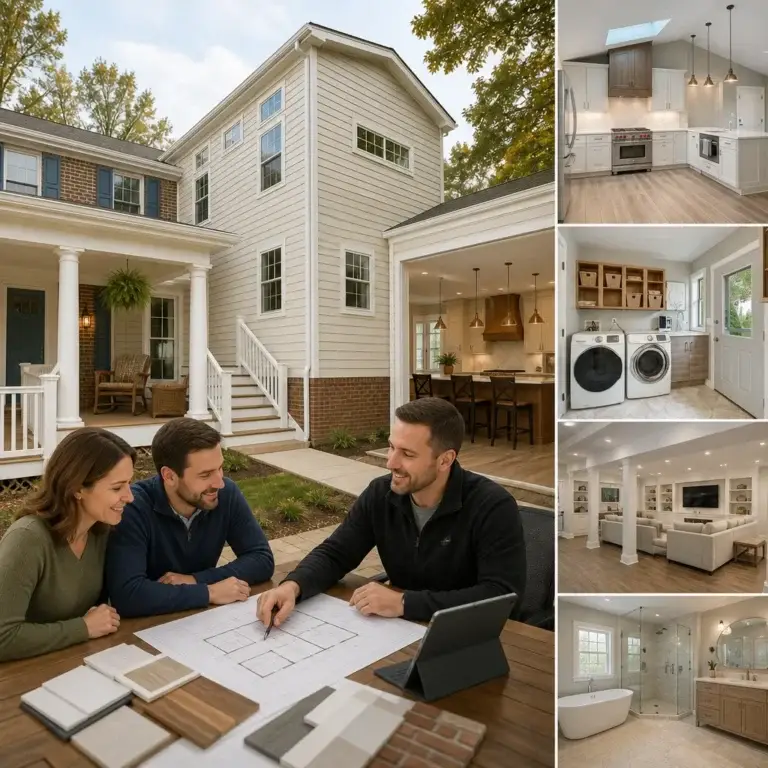
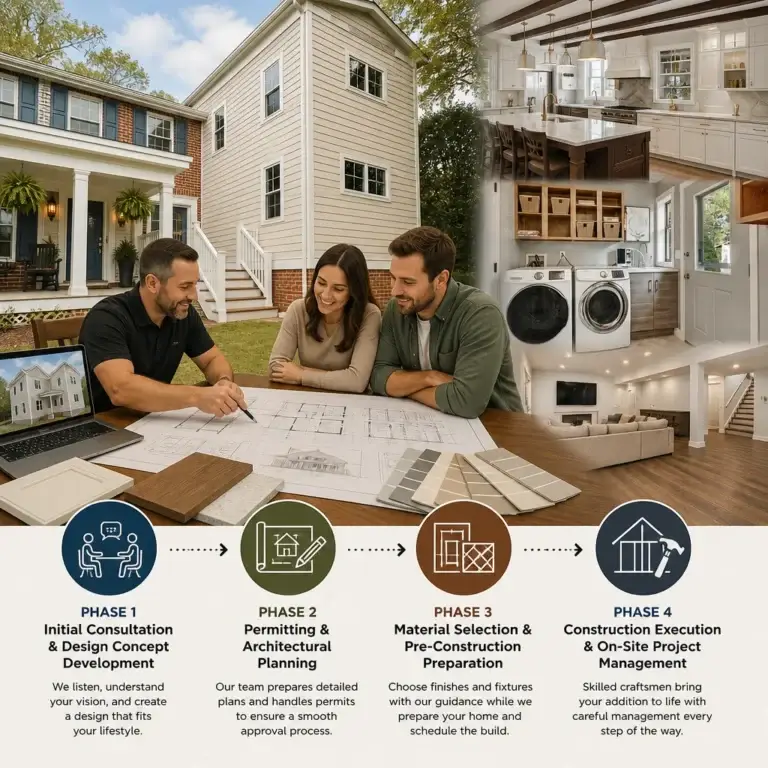
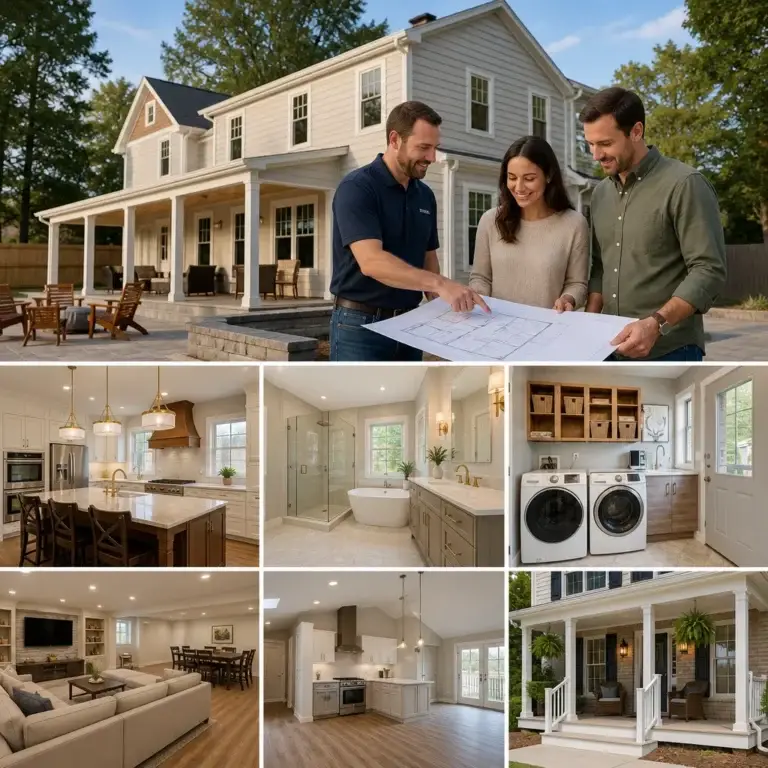
Our design-build approach merges architectural expertise, permitting knowledge, construction mastery, and project management into a unified process. When you work with us, you’re not juggling separate vendors. You’re partnering with a single, accountable team that owns every phase of your project.
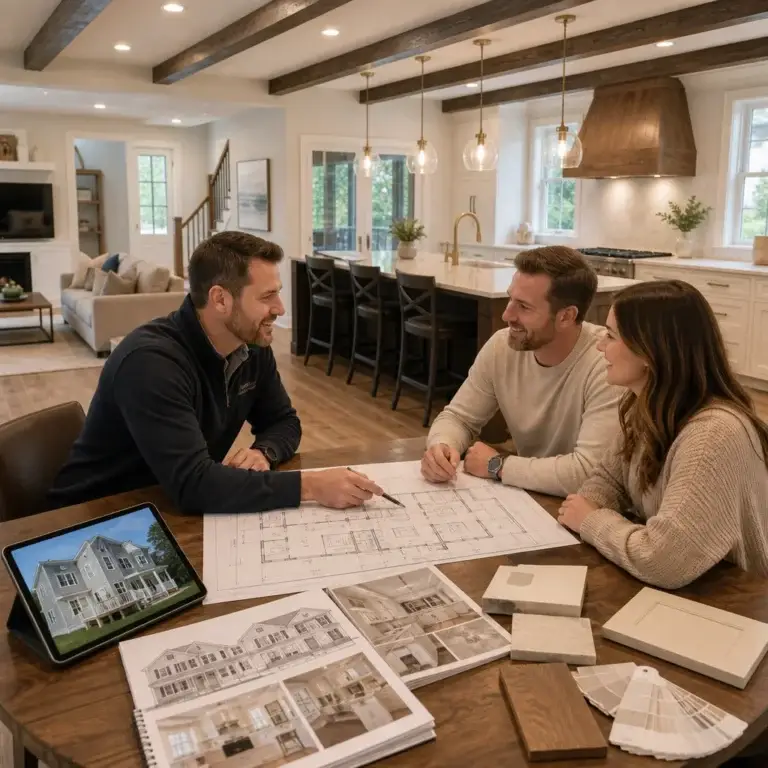
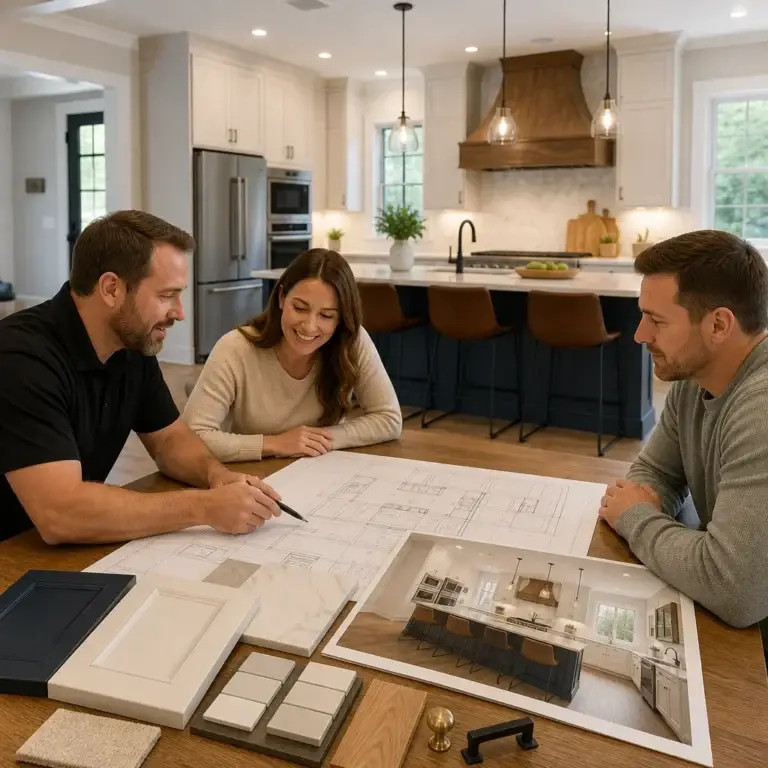
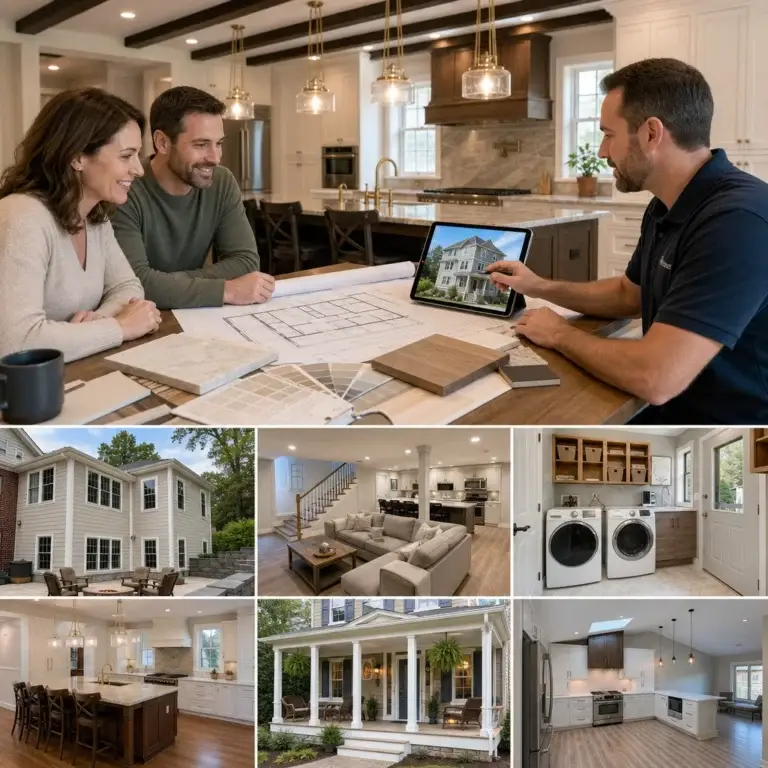
Here’s what that means in practice. Our lead designer sits with you early to understand your priorities, budget, and timeline. They translate those conversations into detailed plans. As those plans take shape, our permitting specialist reviews them for zoning compliance and begins pre-permit coordination with local authorities. Our construction team reviews the designs with an eye toward buildability and cost efficiency. Our project manager creates a realistic schedule that accounts for permit timelines, material lead times, and weather.
This overlap catches issues before they become expensive problems. If a design feature doesn’t align with local setback requirements, we identify it during design, not after permits are submitted. If a material choice creates a scheduling conflict, we solve it before ordering. If a structural condition emerges during construction, we already know our team and can adapt quickly.
You benefit from continuity. The designer who listened to your vision is checking in during construction. The project manager who committed to your timeline is monitoring daily progress. The lead carpenter building your ADU is the same person who reviewed your plans months earlier.
What to do next: Ask prospective builders whether their design and construction teams collaborate during the planning phase. Separate teams create gaps; integrated teams create accountability.
From Concept to Permit: How We Manage Your ADU Project
Our process has seven distinct stages, each with clear deliverables and communication checkpoints.
Stage 1: Discovery and Feasibility. We visit your property, measure your lot, discuss zoning constraints, and review local ADU regulations. We identify buildable areas, utility access, driveway and parking configurations, and any site challenges. After this visit, we provide a feasibility assessment that tells you whether an ADU is practical and what general size and layout options exist.
Stage 2: Preliminary Design. Once you’ve confirmed you want to move forward, our designer creates 2D floor plans and exterior elevations. These show room sizes, ceiling heights, placement of windows and doors, kitchen and bathroom layouts, and how the ADU relates to your primary home and lot. You review these plans and request revisions until the layout reflects your needs.
Stage 3: Design Development. We refine preliminary designs with architectural detail, structural considerations, finishes, and material selections. This stage produces detailed construction documents that contractors, engineers, and building inspectors can work from.
Stage 4: Permit Applications. Our team prepares and submits all required permits and applications to Fairfax County or your local jurisdiction. We coordinate with the building department, respond to questions, and work through the approval process. We keep you updated on timeline and any issues that arise.
Stage 5: Pre-Construction Planning. Before we break ground, we finalize the construction schedule, coordinate utility connections, arrange inspections, and confirm material orders. We hold a pre-construction meeting with you to review the plan, confirm start dates, and establish communication protocols.
Stage 6: Construction. Our team builds according to approved plans and local codes. We conduct required inspections at framing, rough-in, and final stages. You receive regular progress updates, and we welcome site visits. Quality control is daily, not occasional.
Stage 7: Final Inspection and Closeout. Once construction is complete, the building department conducts a final inspection. We address any punch-list items and provide you with all warranties, permits, and documentation. You get a fully approved, permitted ADU and peace of mind.
What to do next: Ask potential builders how they manage permit timelines. Some delays are unavoidable, but experienced teams build realistic schedules and communicate when challenges emerge.
Kitchen, Bathroom, and Living Space Design for ADUs
An ADU’s success depends on smart spatial design. Every square foot needs to work hard, especially in smaller units.
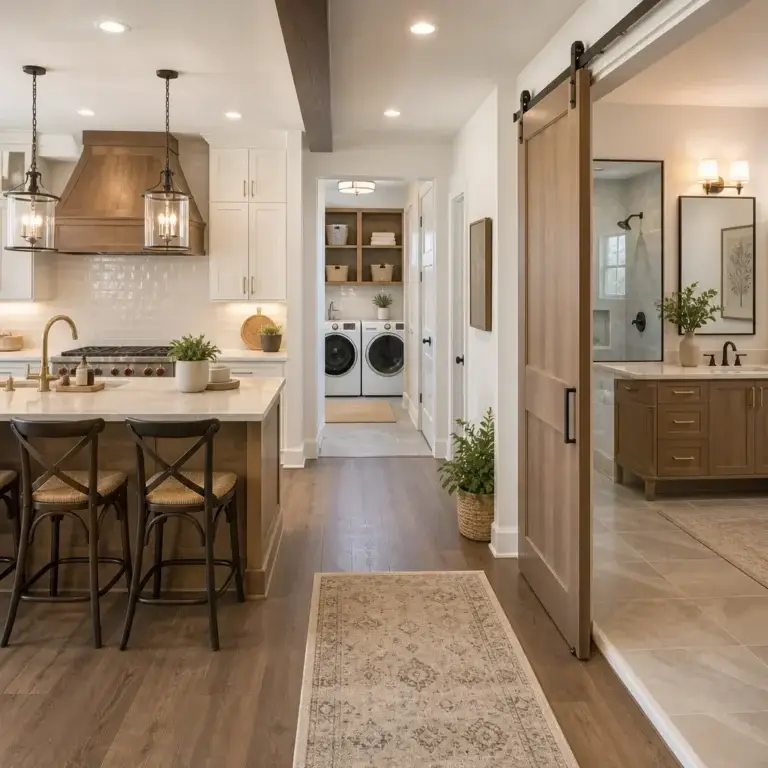
We typically design ADU kitchens as open galley layouts that maximize counter and storage space without eating into living areas. We specify quality appliances scaled appropriately for the unit’s size. Most ADUs we build use a compact refrigerator, a two-burner cooktop with a small oven, and a washer-dryer unit. These choices free up square footage for a functional dining or living area.
Bathrooms in ADUs are efficient without feeling cramped. We often use a single full bathroom with a walk-in shower rather than a separate tub, reclaiming square footage. Tile, lighting, and fixtures are selected to feel spacious and premium. A well-designed ADU bathroom feels like it belongs in a quality independent residence, not an afterthought.
Living spaces in ADUs benefit from open planning, abundant natural light, and careful furniture placement. Many ADUs function as studio or one-bedroom units, so the living room may also serve as a sleeping area. High ceilings, skylights, and large windows make small spaces feel generous. Built-in storage (shelving, closets, cabinetry) adds functionality without visual clutter.
Bedrooms, when they exist as separate rooms, are sized appropriately for sleeping and minimal movement. We typically avoid tiny bedrooms that feel suffocating; a modest but comfortable 10-by-12 space works far better than a 9-by-9 closet.
The principle across all spaces is intentional design. Nothing is arbitrary. Every feature serves a purpose and enhances daily living.
What to do next: Walk through your proposed ADU layout and imagine a typical day. Can you move comfortably from kitchen to bedroom to bathroom? Can you work or relax in the living area without feeling cramped? If the layout doesn’t support your daily rhythm, request revisions early.
Material Selection and Customization for Your ADU
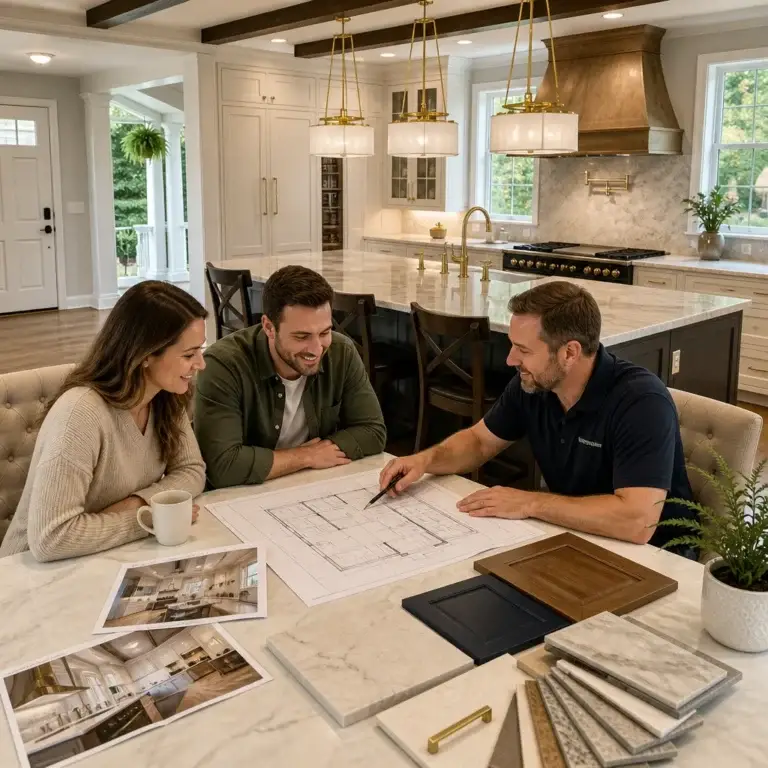
The materials you choose directly affect how your ADU looks, performs, and wears over time. We guide you through selections that balance aesthetic appeal, durability, maintenance, and budget.
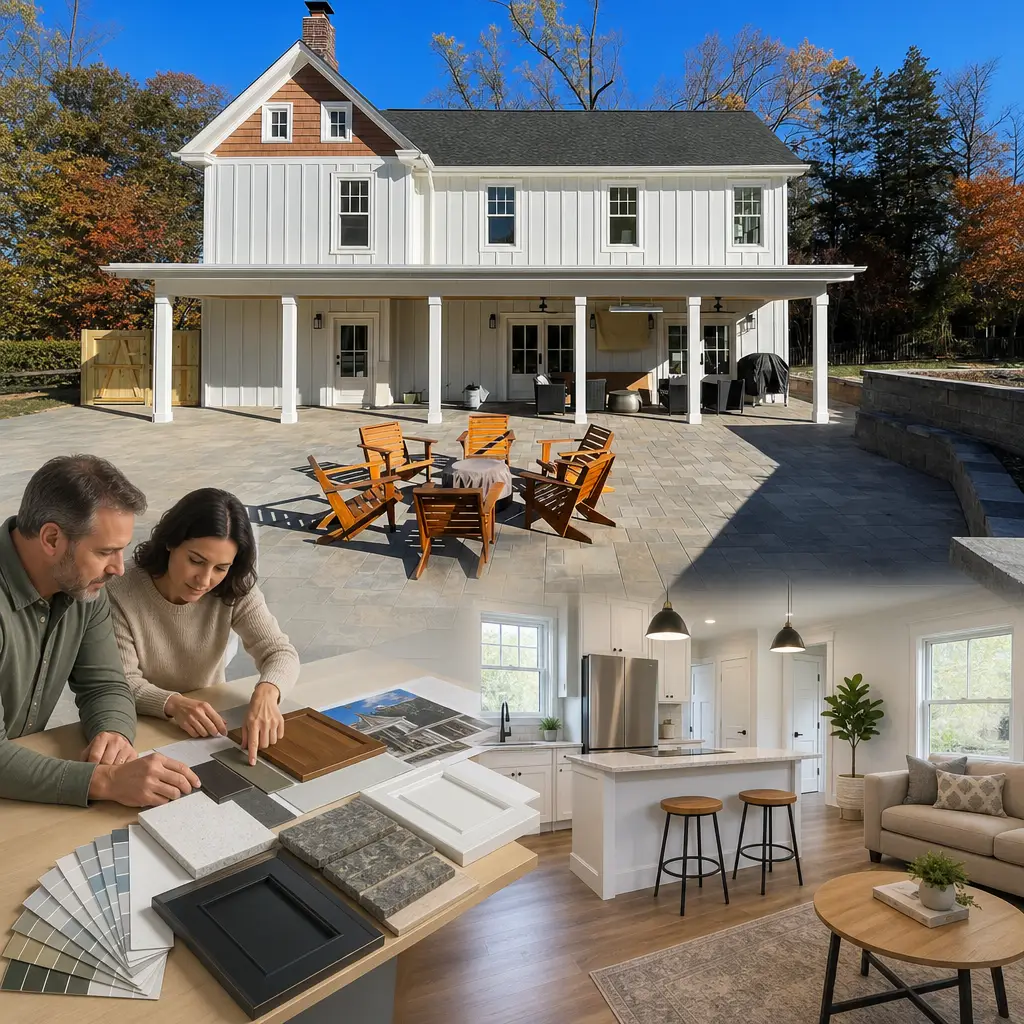
Exterior materials set the tone. We typically recommend finishes that complement your primary home or enhance it. That might mean matching siding, coordinating roofing, or selecting complementary materials that feel intentional rather than piecemeal. Quality vinyl, fiber-cement board, or brick all work well; the goal is cohesion and longevity.
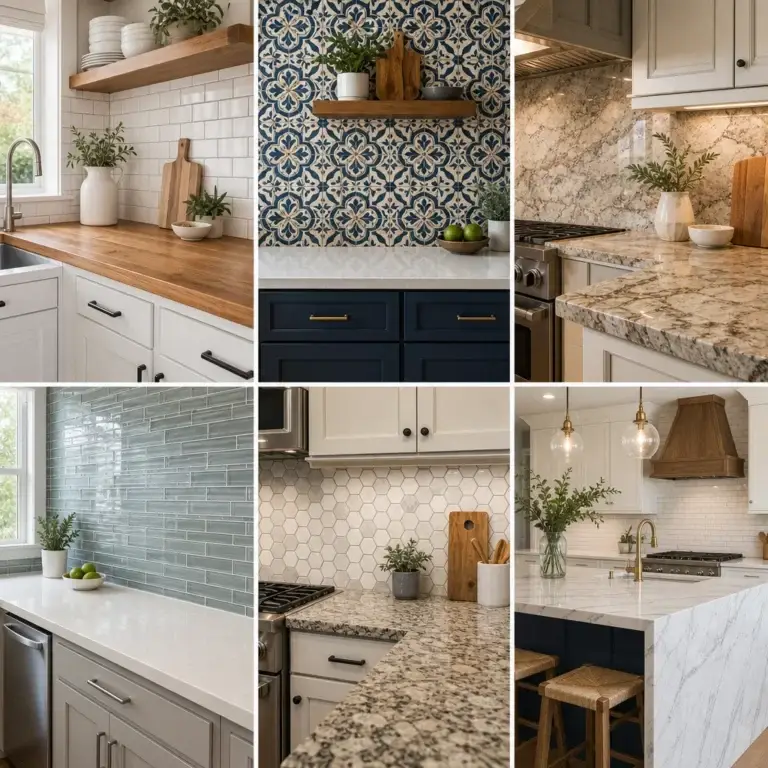
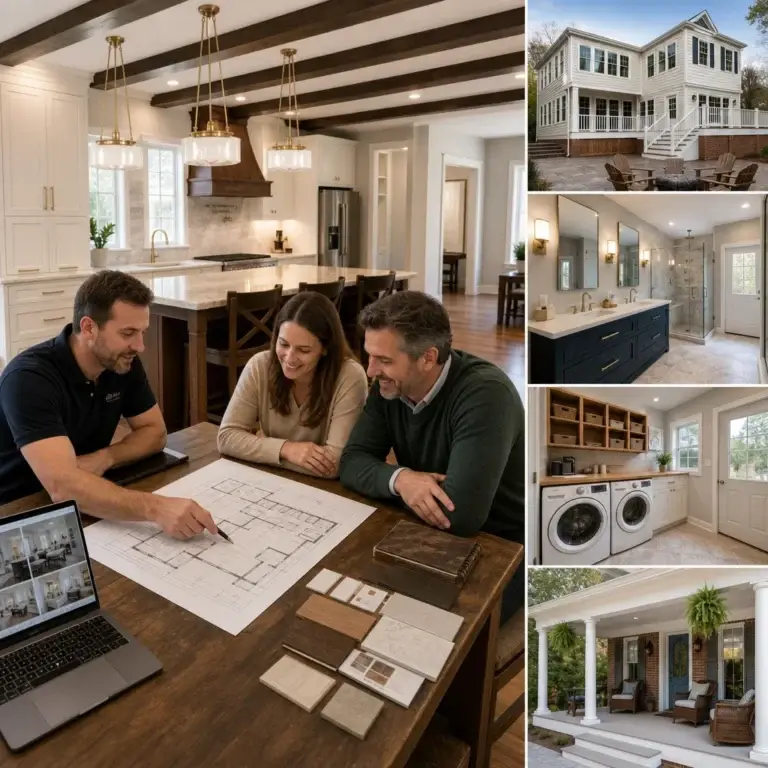
Interior finishes reflect the same philosophy. Flooring is usually durable but warm: luxury vinyl plank, engineered hardwood, or quality tile that suits your climate and lifestyle. Kitchens get quality countertops (quartz is popular for its durability and low maintenance) and mid-range cabinetry that looks custom-built. Bathrooms receive tile work, lighting, and fixtures that feel elevated without stretching your budget unnecessarily.
Paint colors, hardware, and details matter more than many homeowners realize. Warm, neutral interior colors make small spaces feel larger and more inviting. Good lighting (a mix of ambient, task, and accent) transforms a basic room into a comfortable retreat.
We don’t push you toward the most expensive option in every category. Instead, we recommend strategic splurges and smart savings. Visible surfaces (kitchen counters, flooring, bathroom tile) benefit from quality investment. Structural elements behind walls don’t need premium finishes. This approach delivers a premium feel without premium costs on every item.
What to do next: Create a Pinterest board or magazine collection of images showing kitchens, bathrooms, and interiors you love. Share these references with your designer early. Visual communication prevents misunderstandings about finishes and style.
Timeline and Budget: What You Can Expect
Honesty about timelines and costs separates trustworthy builders from those making unrealistic promises.
A typical ADU project takes 5-7 months from design kickoff to move-in, assuming straightforward permitting and no major construction surprises. That includes design (4-6 weeks), permitting (4-8 weeks depending on your jurisdiction), and construction (8-12 weeks depending on size and complexity). If your local government moves slowly or requires multiple permit revisions, add 2-4 weeks.
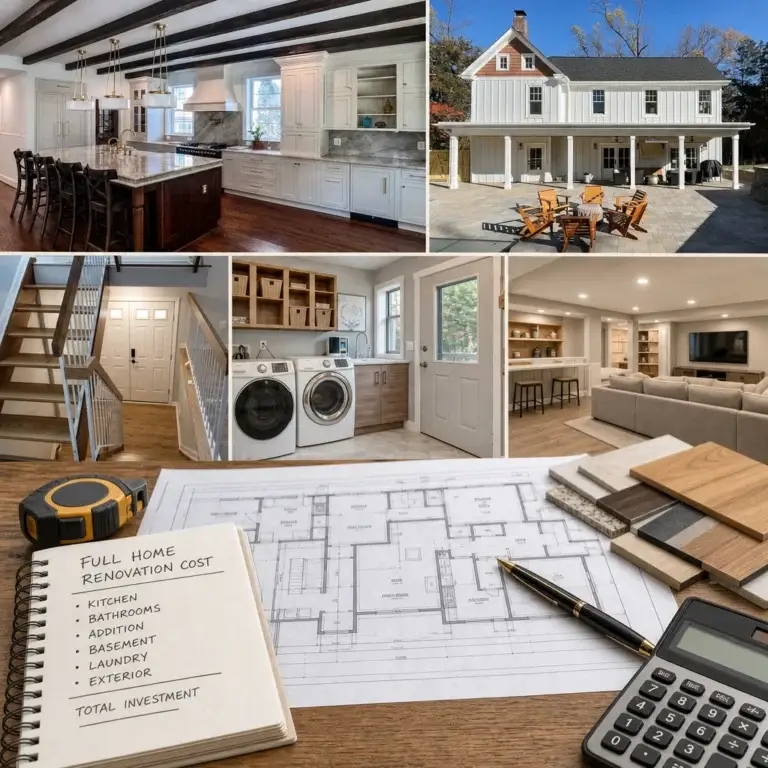
Costs for a new ADU in Northern Virginia typically range from $150,000 to $300,000, depending on size, finishes, and site complexity. A modest 600-square-foot unit with standard finishes and straightforward construction might cost $150,000-$180,000. A 900-square-foot unit with premium finishes or site challenges could reach $250,000-$300,000.
These are rough ranges because every property and vision is different. We provide detailed cost estimates only after we’ve completed preliminary designs and permit review. That estimate becomes your contract price, and we build within it.
What impacts timeline and cost? Several factors stand out. Site conditions matter: if your property has poor soil or requires significant grading, costs rise. Utility distances affect trenching and connection costs. Local permit requirements vary by jurisdiction; some towns move faster than others. Weather affects construction scheduling; winter projects typically take longer than summer builds.
We structure our contracts to protect you. You know upfront what the project costs, when it starts, and when you can expect completion. We build in realistic contingency for inspection findings or minor site discoveries, but we don’t hide costs or timelines in vague language.
What to do next: Budget 10-15% contingency beyond our estimate for unforeseen conditions. This safety margin prevents stress if soil testing or inspections reveal something unexpected. Request a detailed cost breakdown so you understand where every dollar is allocated.
Multigenerational Living and ADU Benefits for Fairfax County Families
An accessory living unit solves specific family challenges that traditional moves can’t address.
Many Fairfax County families face this scenario: parents need care or want to be near grandchildren, but moving in with adult children disrupts everyone’s privacy and independence. An ADU on your property allows three generations to live in proximity without sacrificing boundaries. Grandparents have their own entrance, kitchen, and bathroom. They’re close enough to help with childcare or receive support as they age, but independent enough to maintain their identity and space.
We’ve built ADUs for families navigating aging parents, grown children returning home temporarily or long-term, and multigenerational households building wealth together. Each situation is different, but the underlying benefit is consistent: you stay in your community, you’re together when it matters, and you’re separate when you need to be.
ADUs also benefit empty nesters who want to downsize their primary home but can’t leave their property or neighborhood. Imagine keeping your family home’s main structure and downsizing your daily living to an ADU while renting or selling the larger house. This approach combines community continuity with lower maintenance and operating costs.
From a financial perspective, an ADU increases your home’s overall value. If you eventually sell, the property’s larger footprint and flexibility appeal to future buyers. If you keep it long-term, the ADU accommodates life changes without requiring a move. Either way, it’s an investment that adapts to your needs.
What to do next: Clarify the primary purpose of your ADU. Is it for aging parents, grown children, rental income, or flexibility as your family evolves? This clarity drives design, finishes, and rental potential if applicable.
Quality Craftsmanship and On-Time, On-Budget Delivery
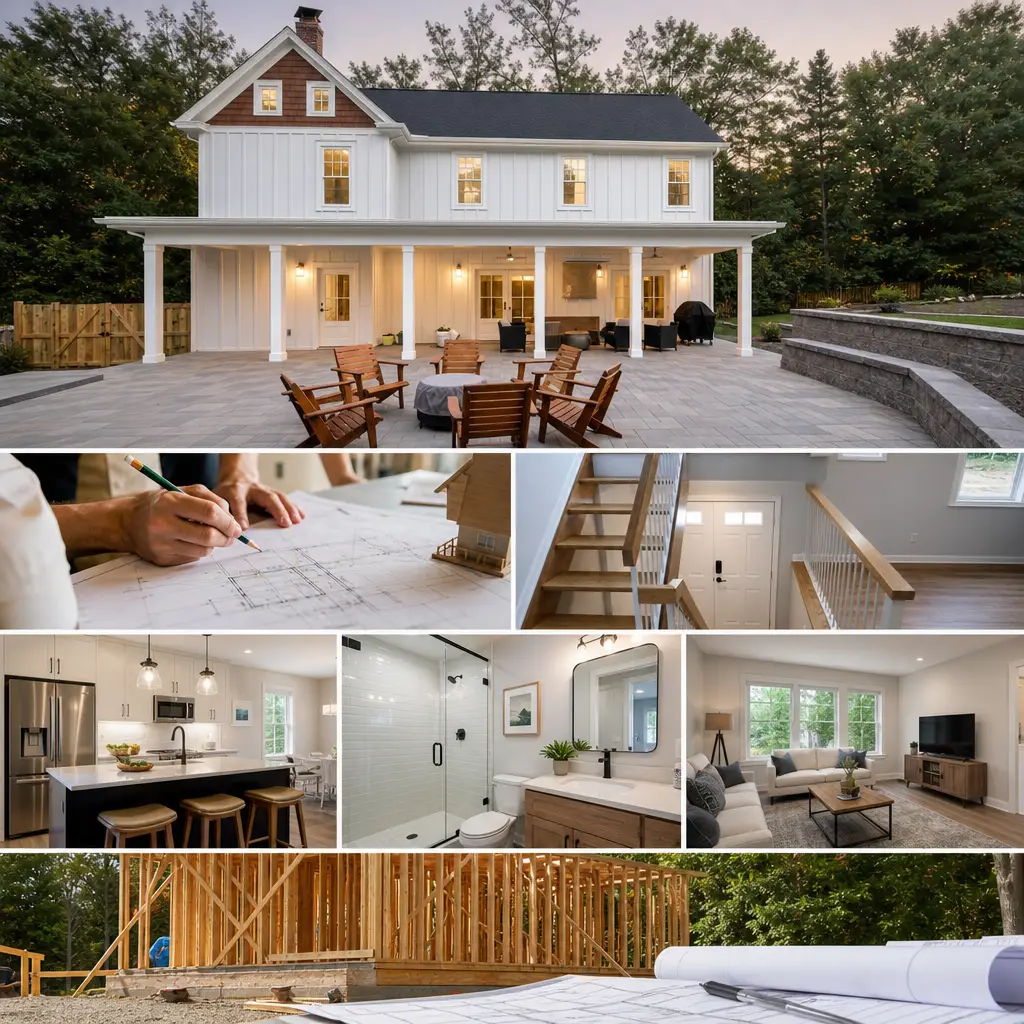
We commit to delivering your ADU exactly as designed, on the timeline promised, and at the contract price agreed upon.
This commitment rests on three practices. First, we hire experienced craftspeople and hold them to exacting standards. Our electricians, plumbers, carpenters, and finishers are licensed professionals with years of ADU and residential construction experience. They’re not learning on your project. Second, we conduct quality inspections daily, not just at formal checkpoints. We catch and correct small issues before they compound. Third, we manage timelines and budgets actively. Our project manager monitors progress against schedule weekly and reviews cost reports constantly. If we see potential delays or overruns, we identify solutions immediately rather than hoping they’ll resolve themselves.
Weather, permit delays, and material shortages can still affect schedules. When these external factors impact your timeline, we communicate the changes clearly and provide revised schedules as soon as we know. You’re never left guessing.
On-budget delivery requires similar discipline. We order materials carefully, manage waste, and sequence trades efficiently. We don’t change scope mid-project without your approval and a clear change order documenting the cost impact. Surprises are rare because we’ve designed thoroughly and coordinated with your local building department before we start.
Our reputation in Northern Virginia is built on reliability. Families recommend us to their friends because we delivered what we promised when we promised it. That reputation is more valuable to us than any single project, so we protect it fiercely.
What to do next: Request references from recent ADU projects, particularly those completed in the last 12 months. Contact homeowners and ask whether the project stayed on schedule and budget, whether communication was clear, and whether they’d hire the builder again. Those conversations reveal character more than any marketing material.
Getting Started with Your Northern Virginia ADU Project
If you’re ready to explore an ADU for your Northern Virginia property, the next step is straightforward.
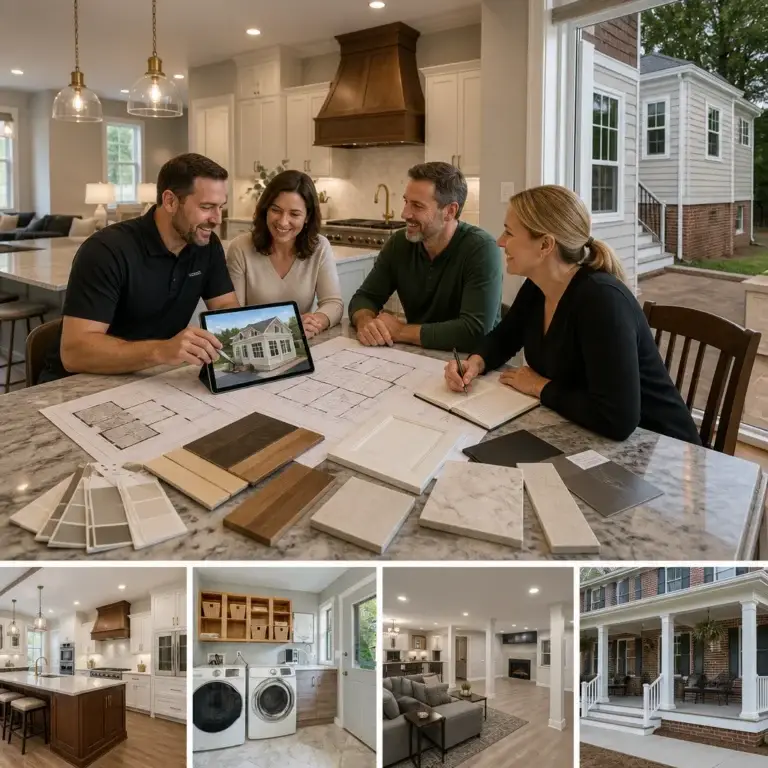
Contact us for a no-obligation site visit and feasibility assessment. We’ll spend time at your property, ask questions about your vision and timeline, and give you an honest assessment of what’s practical and what challenges exist. We’ll explain local zoning, discuss permit likelihood, and outline a realistic path forward. This conversation costs nothing and commits you to nothing. It simply gives you the clarity you need to decide whether an ADU makes sense.
If it does, we’ll schedule a more detailed design consultation, during which we dive into floor plans, finishes, and budget. We’ll produce preliminary designs and a cost estimate. You’ll know what your project looks like and what it costs before you commit to anything beyond design.
Our goal is simple: to become the trusted partner guiding your ADU from initial vision to a finished, beautiful, properly permitted living space. We take that responsibility seriously, and we’d be honored to help your Northern Virginia family build the space you need.
Reach out today to start the conversation. Your future ADU is waiting.
Contact us Today For a Free Estimate !
Frequently Asked Questions (FAQ)
What areas do you serve for ADU design and construction?
We proudly serve homeowners throughout Fairfax County and Northern Virginia, including Alexandria, Annandale, Arlington, Burke, Falls Church, Fairfax, Great Falls, Lorton, Mantua, McLean, Merrifield, Mount Vernon, Oakton, Reston, Springfield, Tysons, and Vienna. If you’re unsure whether your property falls within our service area, we encourage you to reach out directly so we can confirm we’re the right fit for your project.
How does your design-build approach save us time and stress?
Our design-build process consolidates architectural planning, permit coordination, material selections, and construction under one experienced team rather than juggling multiple contractors. This unified approach means clearer communication, streamlined decision-making, and consistent project management from your initial concept through final completion. We handle the complexity so you can focus on envisioning your new living space.
Can you work within a specific budget and timeline for our ADU project?
We absolutely can, and we’re committed to delivering on-time and on-budget results. We provide detailed upfront contracts and transparent pricing so you know exactly what to expect before construction begins. During our initial consultation, we’ll discuss your timeline and budget constraints and work with you to create a realistic plan that meets your needs.