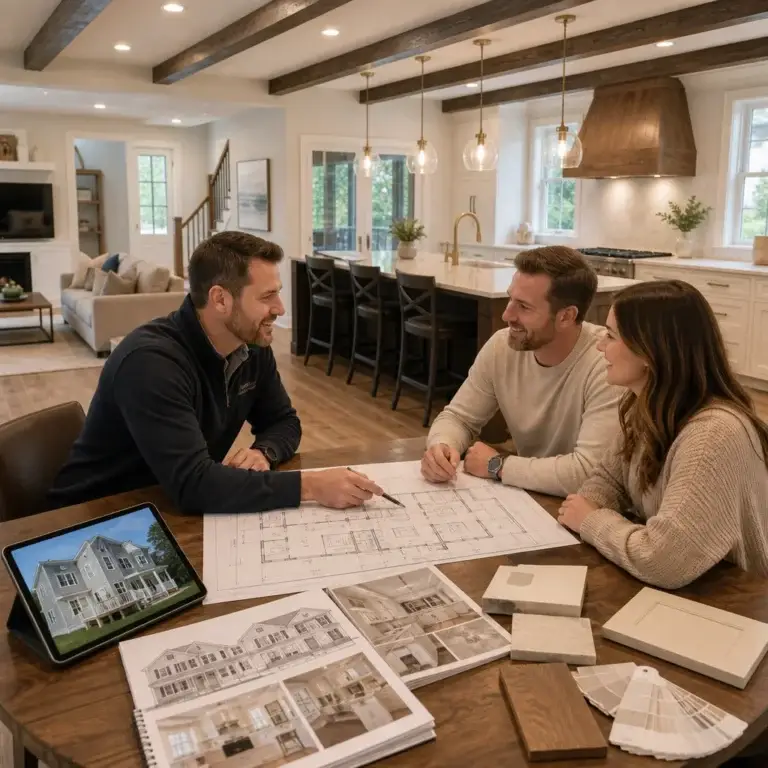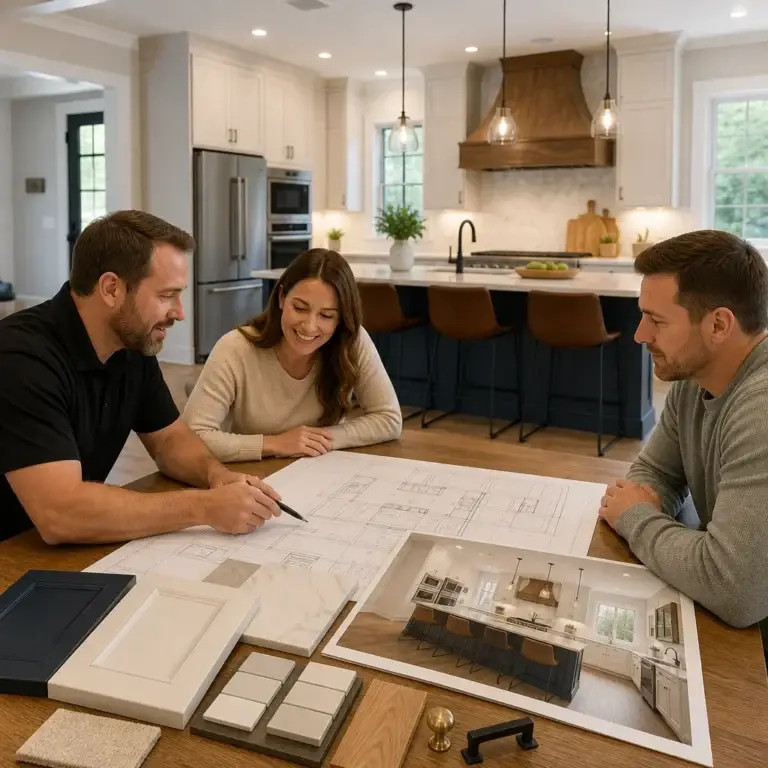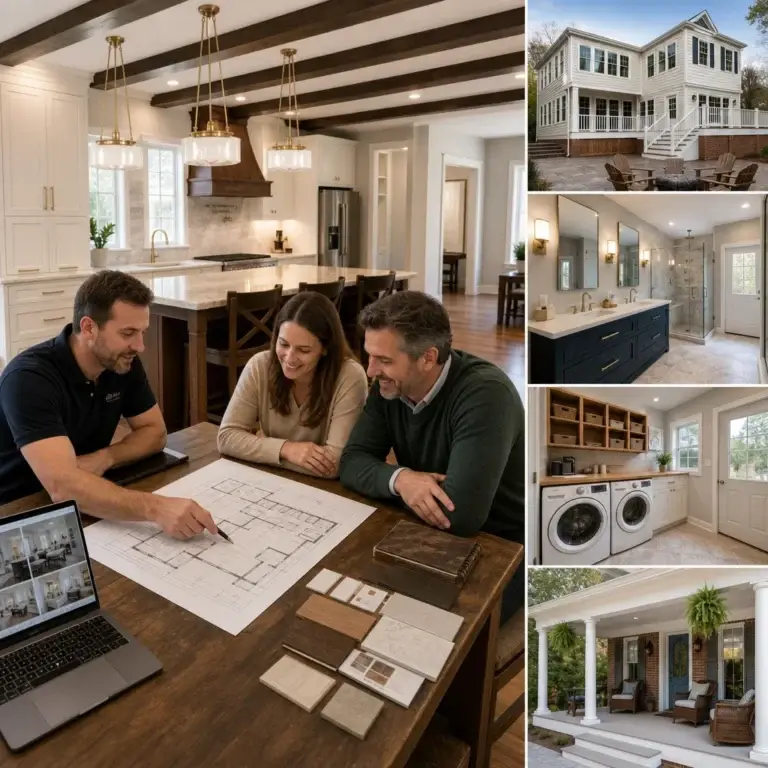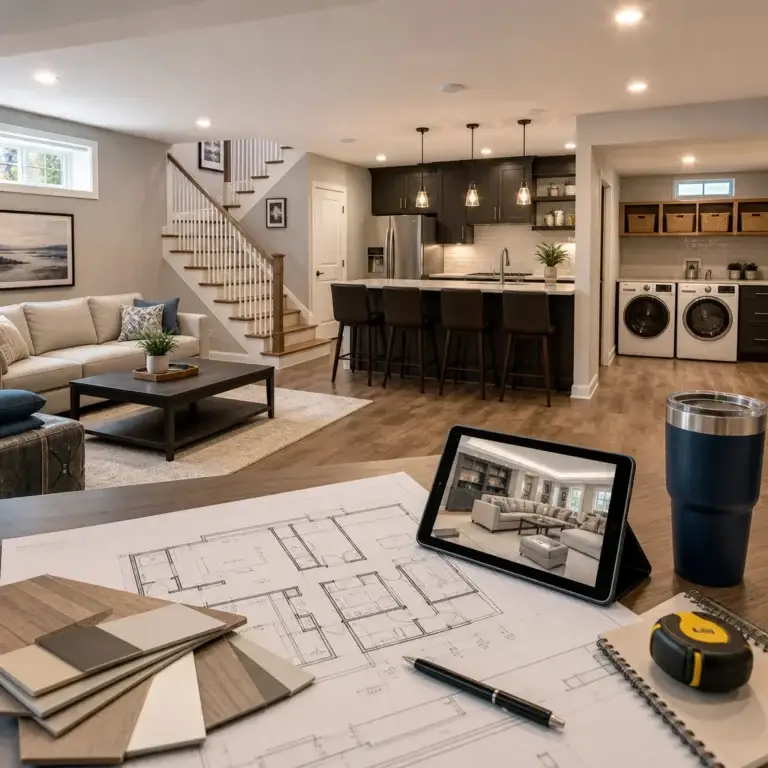
The most expensive mistake you can make in the 2026 Northern Virginia housing market isn’t buying the wrong house; it’s selling the right one. If you’re currently enjoying a 3% mortgage rate, trading it for the current 6.5% average while losing nearly 10% of your equity to commissions and taxes can be a difficult pill to swallow. When you analyze the cost of moving vs remodeling in Northern Virginia, the decision is no longer just about floor plans. It’s about protecting your financial foundation in a landscape where inventory in top school districts like Arlington and Fairfax remains incredibly tight.
We know the frustration of a home that no longer fits your daily life, and the desire for a fresh start is completely natural. However, you don’t have to relocate to get the premium features and extra space your family needs. This guide will help you discover the true financial impact of relocating versus renovating so you can make the smartest investment for your future. We’ll provide a clear ROI comparison, explain how to navigate the “mortgage lock-in” effect, and show you how a strategic design-build addition can deliver your dream lifestyle without the high cost of starting over.
Key Takeaways
- Understand how the 2026 “mortgage lock-in” effect makes keeping your current interest rate a powerful strategy for long-term wealth preservation.
- Identify the hidden transactional fees, including commissions and grantor taxes, that typically consume 7% to 10% of a home’s sale price in Northern Virginia.
- Evaluate the total cost of moving vs remodeling in Northern Virginia to determine which path offers the highest return on your family’s daily lifestyle.
- Explore how whole-house remodeling and home additions serve as the ultimate alternative to searching for limited inventory in competitive school districts.
- Learn why the design-build model is the most reliable way to ensure your project stays on budget while minimizing the stress of construction.
The 2026 Northern Virginia Housing Dilemma: Stay or Go?
The 2026 Northern Virginia real estate market presents a unique challenge for established families. While home sales increased by nearly 4% this year, inventory remains stubbornly low at just under two months of supply. This scarcity keeps prices high, with median values in Arlington and Fairfax County hovering between $780,000 and $861,000 as of June 2026. For many, the calculation of the cost of moving vs remodeling in Northern Virginia has shifted from a matter of preference to a critical financial strategy. Choosing the wrong path can result in a loss of six figures in equity once transactional fees and interest adjustments are tallied.
The “Mortgage Rate Gap” Explained
The most significant hurdle for homeowners today is the “mortgage lock-in” effect. If you secured a legacy rate of 3% or lower, trading it for a 2026 market rate of approximately 6.5% creates a massive financial deficit. On a $1,000,000 home in NoVA, this rate jump can increase your monthly principal and interest payment by over $2,000. It’s a heavy price to pay for a house that might only offer a slightly better layout. Staying in your current home allows you to keep that low-interest debt while investing in the economic effects of renovation to increase your property’s value. It’s a way to grow your equity without resetting your amortization schedule or losing your borrowing power to higher interest costs.
Inventory Scarcity in Top NoVA School Districts
Finding a move-in ready home in elite enclaves like McLean, Great Falls, or Vienna is increasingly difficult. Most available inventory consists of older builds that require the same updates you’re already considering. Buying a “fixer-upper” at a premium price in these areas results in a double financial hit: high acquisition costs plus the immediate need for a remodel. This is why many families are turning to Fairfax County remodeling experts to transform their existing spaces instead of joining a competitive bidding war.
Beyond the purchase price, staying in your current neighborhood preserves your grandfathered property tax assessment. Moving to a similarly valued home often triggers a reassessment that significantly raises your annual tax bill. When you factor in the emotional weight of leaving established community ties, staying put becomes the more stable option. Choosing a home addition or whole-house renovation allows you to keep your roots while modernizing your lifestyle to meet 2026 standards. It’s about making your current house the home you need for the next decade.
The True Cost of Moving in Northern Virginia
Moving is frequently marketed as a seamless transition to a better life, but for Northern Virginia homeowners, the entry price for that transition is exceptionally high. When evaluating the cost of moving vs remodeling in Northern Virginia, you must first look at the equity that disappears the moment a “For Sale” sign hits the lawn. In a market where home values in Arlington and Fairfax often exceed $800,000, the transactional drain is substantial.
In 2026, the average total real estate commission in Virginia remains between 5.50% and 5.58%. When you combine this with the Virginia Grantor’s Tax (0.25% for Northern Virginia) and other seller closing costs, you’re likely facing a 7% to 10% reduction in your home’s sale price. On a $1 million property, that represents a $100,000 “sunk cost” that never contributes to the value of your next home. It’s simply the price of admission to leave.
Closing Costs and Realtor Commissions
These transactional fees are just the beginning of the financial leak. To secure top dollar in a competitive market, most sellers must invest in “pre-sale” repairs, professional staging, and curb appeal updates. Unlike a kitchen remodeling project that increases your long-term comfort and property value, these expenses are purely functional for the sake of the sale. They are designed to please the next owner, not to serve your family’s needs.
Perhaps the most overlooked expense is the “Compromise Cost.” Industry trends suggest that approximately 70% of buyers end up performing significant renovations within 24 months of moving into a new property. They move to find more space, only to realize the layout doesn’t fit their lifestyle or the finishes are outdated. This leads to a second round of spending on top of the moving costs and the higher mortgage rate. Ultimately, calculating the cost of moving vs remodeling in Northern Virginia requires looking beyond the sticker price of a new house and seeing the total equity drain.
The Hidden Cost of Lifestyle Disruption
The financial impact extends beyond the bank statement. Moving further out to find a larger home often results in a “commute tax”—the literal cost of vehicle maintenance and gas, plus the lost time with family. If the new school district doesn’t meet the standards of your current neighborhood, you might face private school tuition fees, which can easily exceed $30,000 per child annually. Re-establishing a local network is another soft cost. Leaving your trusted doctors, childcare providers, and local pros creates a logistical vacuum that takes years to fill. If you’re weighing these burdens against your current home’s potential, you might find that partnering with a professional remodeling team to upgrade your existing space is the more conservative financial move.
For a detailed look at how these investments compare to potential resale, consult the Cost vs. Value Report for the D.C. area.
The Investment of Remodeling: Value vs. Lifestyle
Remodeling your existing property is a strategic move that preserves your equity while tailoring your environment to your current needs. When you analyze the cost of moving vs remodeling in Northern Virginia, the renovation path allows you to bypass the massive transactional losses discussed earlier. Instead of paying for a relocation that adds zero value to your net worth, you’re reinvesting those funds directly into your primary asset. This approach creates a “new” home experience on your existing lot, often for a lower total investment than purchasing a comparable property at 2026 prices.
The decision to stay and renovate also offers a unique emotional return. You’re not just buying square footage; you’re gaining “lifestyle joy” by fixing the specific pain points that disrupt your daily routine. In high-value markets like Alexandria and Arlington, a whole-house remodel can modernize an aging structure to meet the standards of a premium new build, all while maintaining your established community ties.
Kitchen and Basement Transformations
High-impact zones like the kitchen and basement offer the most reliable returns on investment. A professional kitchen remodeling project remains the gold standard for ROI in Fairfax County because it serves as the home’s social and functional heart. Modernizing this space increases your home’s marketability and daily utility simultaneously.
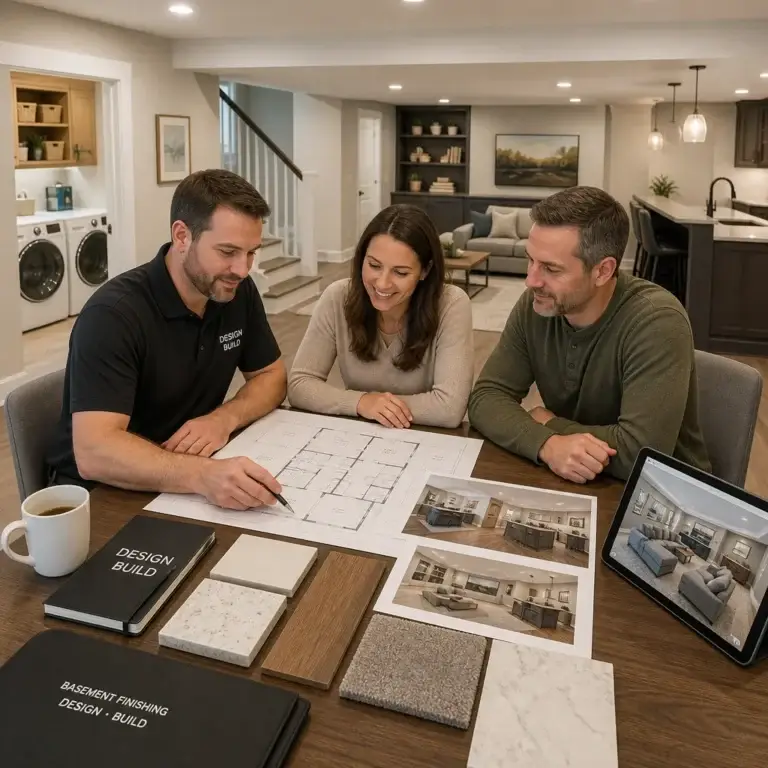
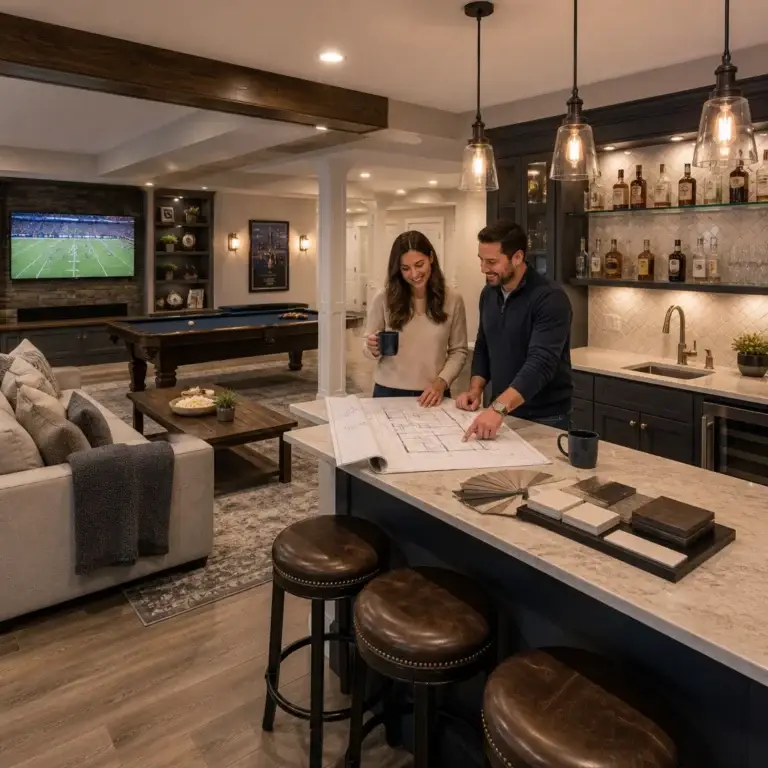
Similarly, basement finishing has evolved. Many homeowners are now transforming these lower levels into fully functional guest suites or Accessory Living Units (ALUs). This adds versatile living space that can accommodate multi-generational families or provide a dedicated, professional home office environment. For a deeper look at these possibilities, see our Basement Finishing in Northern Virginia Guide.
Home Additions: The “Stay” Alternative to a Larger House
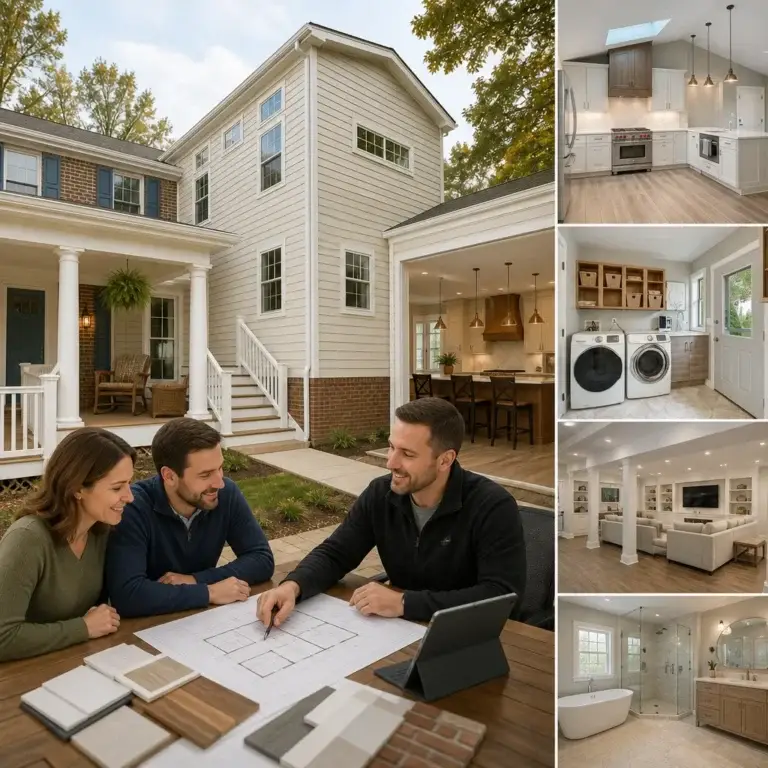
If your primary motivation for moving is a lack of space, a strategic addition is often the most cost-effective solution. Comparing the cost per square foot of Home Additions in Northern Virginia against the price of buying a larger home reveals a clear winner. When you buy a larger house, you’re paying a premium for every square foot, including the land and the existing structure’s flaws. When you build an addition, you’re only paying for the new, high-quality space you actually need.
Common projects that solve the “growing family” dilemma include:
- Master suite extensions to create a private sanctuary.
- Second-story additions that double your living area without expanding the footprint.
- Kitchen bump-outs that create an open-concept flow for entertaining.
Financing these projects is also more accessible in today’s market. With home values at record highs in Northern Virginia, most homeowners have significant equity to draw upon. Using a home equity line or a construction loan allows you to fund your transformation while keeping your original, low-interest mortgage intact. It’s a methodical way to build the lifestyle you want without the financial volatility of a new real estate purchase.

Remodel vs. Move: The 2026 Decision Framework
Deciding between a new address and a new floor plan requires a methodical approach that looks beyond simple aesthetics. In 2026, the cost of moving vs remodeling in Northern Virginia isn’t just a line item; it’s a multi-year financial trajectory. One of the most effective filters is the “5-mile rule.” If your current home is within five miles of your workplace or your children’s preferred school, moving often introduces a commute burden that no amount of extra square footage can offset. In a region where traffic patterns dictate quality of life, preserving a prime location is often more valuable than the house itself.
You must also evaluate your lot potential. Many older properties in Arlington or Fairfax sit on generous lots that can easily accommodate a footprint expansion. If your property has the “bones” for an addition, you’re sitting on untapped equity. Conversely, if the transactional costs of selling, combined with pre-sale repairs, exceed 15% of your total home equity, you’re likely overpaying for the privilege of relocating. With the average days on market in Northern Virginia sitting at just 19 days as of June 2026, the selling process is fast, but the search for a replacement can take months of deliberation and multiple failed bids.
When Remodeling is the Smarter Move
Remodeling is the superior choice when you have a deep connection to your neighborhood but your current layout feels restrictive. If you’ve secured a low fixed-rate mortgage from years past, staying put is a defensive financial move that protects your monthly cash flow. In these cases, a home addition or a total interior reconfiguration can solve your space issues without the 6.5% interest rate shock. For a step-by-step approach to this process, consult our Planning a Whole House Remodel Guide.
When Moving is the Only Option
If your location is perfect but your home is not, contact our design-build experts to see how we can transform your current space into a home that fits your 2026 lifestyle.
Maximizing ROI with the Design-Build Model
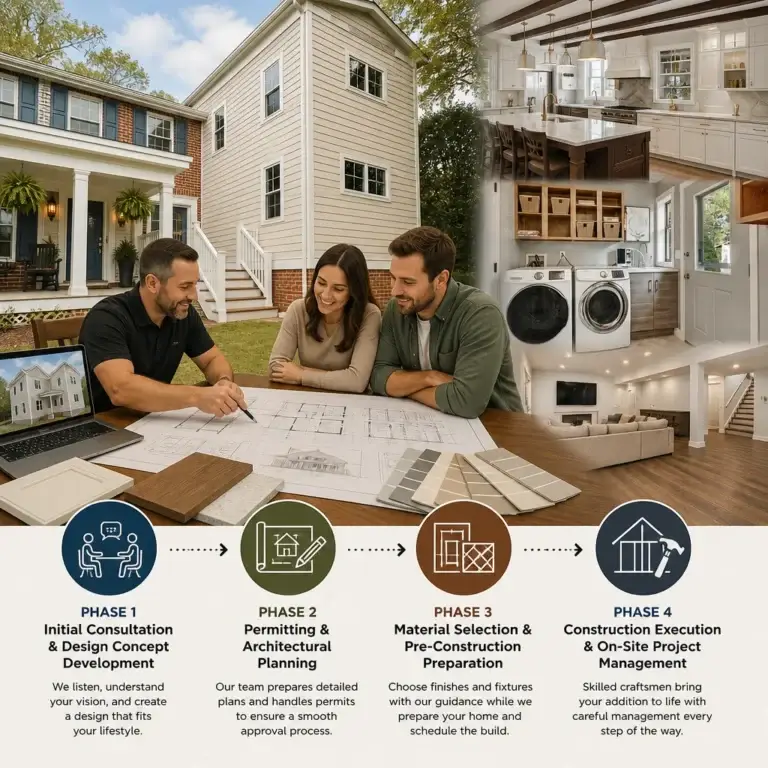
Choosing to renovate is a major financial commitment, and it’s natural to feel a sense of trepidation regarding the process. When you weigh the cost of moving vs remodeling in Northern Virginia, the renovation path only succeeds if the project remains on schedule and within your established budget. This is where the design-build model serves as a vital financial risk mitigation tool. Unlike the traditional “bid-build” approach, which often leads to misaligned expectations between designers and builders, design-build integrates every phase of your project under one roof. This unified methodology is the direct antidote to the common industry failures that cause homeowners stress.
The brand’s professional methodology ensures that your project is not just a construction site, but a supportive journey toward a better lifestyle. By consolidating the architectural and construction phases, you eliminate the risk of “designing beyond the budget.” This is particularly important in 2026, where material costs and labor availability require precise planning to avoid the financial leaks associated with traditional remodeling models.
Single-Source Responsibility
The primary benefit for busy professionals in Arlington and Alexandria is the elimination of “finger-pointing.” In a traditional model, if a design is too expensive to build, the architect blames the contractor’s pricing, and the contractor blames the architect’s complexity. With Elite Contractor Services, you have a single point of contact responsible for both the creative vision and the structural execution. We handle the intricate permit processes in complex NoVA jurisdictions, ensuring your project meets local regulations without unnecessary delays. This streamlined communication provides the mental tranquility you need while managing your career and family life.
Budget certainty is the cornerstone of our approach. We align your design with financial reality early in the process, preventing the “sticker shock” that often occurs when a finished set of plans is sent out for bidding. By knowing the construction costs during the design phase, you can make informed decisions about materials and scope that preserve your equity. Our meticulous site management also focuses on minimizing disruption. We understand that many families “stay in place” during a Fairfax County remodeling project, so we maintain a clean, organized, and professional environment to protect your daily routine.
Your Next Steps: The Feasibility Study
The journey toward a modernized home begins with a professional evaluation. Rather than guessing at the potential of your property, a feasibility study provides a realistic 2026 budget and a clear roadmap for your transformation. We analyze your lot’s zoning limits, structural “bones,” and your specific lifestyle goals to ensure the investment makes sense. This data-driven start removes the guesswork and empowers you to move forward with confidence.
If you’re ready to explore the possibilities of your current home, view our Elite Contractor Services Areas to see how we help families across Northern Virginia upgrade their lifestyles without leaving the neighborhoods they love. Let’s collaborate to build a home that serves your family for the next decade and beyond.
Investing in Your Northern Virginia Future
Choosing between a new address and a new layout is one of the most significant financial decisions your family will face in 2026. The transactional costs of selling often consume up to 10% of your equity while forcing you into a higher mortgage rate. By contrast, a strategic whole-house remodel or addition preserves your financial foundation while delivering the modern lifestyle you deserve. You’ve worked hard to build roots in your community; you shouldn’t have to leave them behind to get the home you need.
When you weigh the total cost of moving vs remodeling in Northern Virginia, the path of renovation offers far more than just a lower price tag. It provides the opportunity to stay in the neighborhood you love while creating a space tailored exactly to your needs. Our meticulous project management and integrated design-build model ensure that your transformation is handled with professional care. We bring design and construction under one roof to eliminate the typical stress of large-scale projects and provide expertise in high-end NoVA renovations.
Ready to see what’s possible for your current home? Schedule your Design-Build consultation with Elite Contractor Services today. We look forward to helping you build a home that serves your family for years to come.
Frequently Asked Questions
Is it cheaper to remodel or move in Northern Virginia in 2026?
Remodeling is typically the more financially sound choice in 2026. High transactional costs, such as the 7% to 10% lost in selling fees, often outweigh the investment of a renovation. Additionally, staying in your current home preserves your legacy mortgage rate, which is significantly lower than the current 6.5% market average. When you analyze the cost of moving vs remodeling in Northern Virginia, you’ll find that renovation reinvests your equity directly into your asset.
What is the average cost of a whole house remodel in Fairfax County?
The investment for a whole house remodel varies significantly based on the square footage, age of the home, and selected finishes. Because every project in Fairfax County is unique, we focus on providing a clear budget through a detailed feasibility study. This approach ensures your design aligns with your financial goals before construction begins. Factors like structural changes and high-end material choices will ultimately dictate the final investment required for your specific property.
How much equity do I lose in realtor fees when selling my home?
Selling a home in Northern Virginia typically results in a 7% to 10% loss of your total home equity. This includes the average real estate commission of 5.50% to 5.58%, plus the regional grantor’s tax of 0.25%. On an $800,000 home, these transactional fees can easily exceed $60,000. These are sunk costs that don’t contribute to the purchase price or value of your next property.
Can I stay in my home during a large-scale renovation?
You can often remain in your residence during a large-scale renovation with the right site management. We prioritize minimizing disruption by maintaining clean workspaces and establishing clear logistical boundaries. For projects like kitchen remodeling or whole house updates, we plan the phases carefully to keep your home functional. If the project involves major structural changes to every living area, we help you determine the best timeline for a temporary transition.
How does a home addition affect my property taxes in Virginia?
A home addition will likely increase your property taxes because it raises the assessed value of your home. In Virginia, your tax bill is based on the fair market value determined by the local assessor. While the new square footage adds to the total value, you still benefit from the grandfathered assessment on the original structure. This is often more economical than buying a new home, which triggers a full reassessment at the current, higher purchase price.
What is the “Design-Build” process and how does it save money?
The design-build process integrates architectural design and construction under a single point of responsibility. This model saves money by aligning the design with your budget from the very beginning, which significantly reduces the risk of expensive change orders later. By fostering a collaborative relationship between designers and builders, we ensure the project is feasible and efficient. This unified approach provides the budget predictability and mental tranquility that traditional methods often lack.
How long does a typical home addition take to complete?
A typical home addition can take several months to complete, depending on the complexity of the design and the size of the expansion. The process includes a design phase, a permitting period in jurisdictions like Arlington or Fairfax, and the actual construction. While permit times vary, our meticulous project management ensures that each phase moves as quickly as possible. We focus on delivering high-quality results within a predictable schedule to minimize the impact on your family’s routine.
Will a major remodel increase my home’s resale value enough to justify the cost?
Major remodels, particularly kitchen updates and master suite additions, traditionally offer strong returns on investment in the Northern Virginia market. Beyond the potential increase in resale value, these projects serve as a form of equity preservation. You’re modernizing your home to meet 2026 standards, which keeps your property competitive with newer builds. When you consider the cost of moving vs remodeling in Northern Virginia, the long-term appreciation of a renovated home often justifies the initial investment.