Table of Contents
- Understanding Your Fairfax County Renovation Budget
- Why Renovation Costs Vary Across Northern Virginia
- Kitchen Remodeling Costs You Should Expect
- Basement Finishing and Home Addition Expenses
- How Design-Build Approach Protects Your Budget
- Getting Accurate Upfront Pricing and Contracts
- Timeline Impact on Your Project Costs
- Quality Materials and Long-Term Value
- Avoiding Hidden Costs Through Professional Planning
- Your Next Step: Planning Your Renovation
- Frequently Asked Questions (FAQ)
Understanding Your Fairfax County Renovation Budget
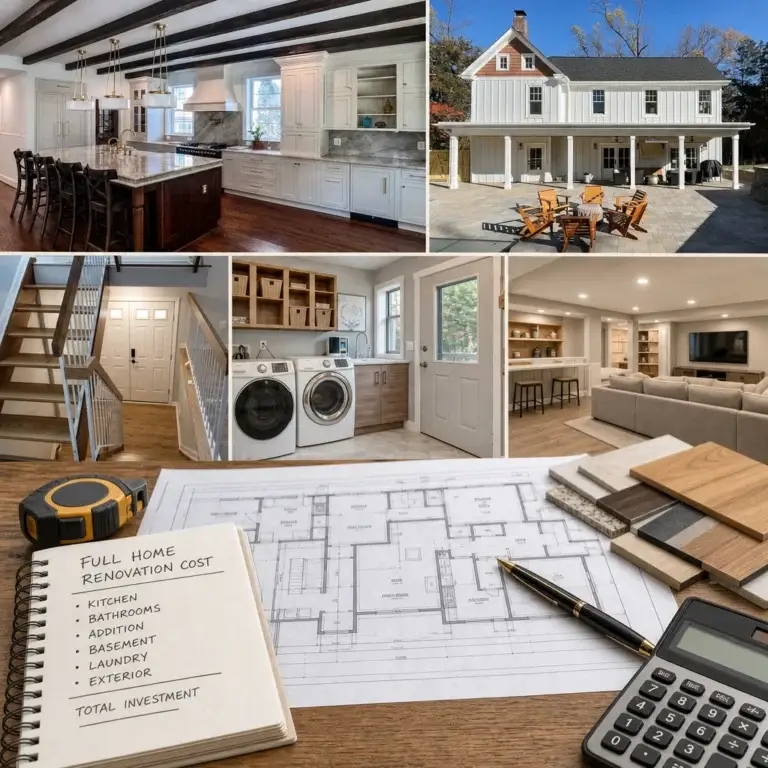
Renovating your home in Fairfax County is a significant investment, and getting the budget right from the start sets the tone for your entire project. Whether you’re expanding for a growing family, upgrading an outdated kitchen, or finishing a basement, understanding what your renovation will actually cost helps you make confident decisions and avoid surprises down the road.
We work with homeowners across Northern Virginia every day, and one thing we’ve learned is that renovation budgets don’t follow a one-size-fits-all formula. Your costs depend on your specific project scope, material choices, local market conditions, and how thoroughly you plan before breaking ground. In this guide, we’ll walk you through realistic pricing for common renovation projects in the Fairfax County area and show you how strategic planning protects your investment.
Your renovation budget is more than just a number; it’s a roadmap that shapes every decision from design through completion. In Fairfax County, where property values are among the highest in Northern Virginia, renovation costs reflect both the premium labor market and the quality standards homeowners expect.
The best budgets start with three components: hard costs (labor and materials), soft costs (permits, design, and engineering), and contingency (typically 10-15% for unexpected issues). Most homeowners are familiar with hard costs but underestimate the importance of soft costs, which often account for 15-25% of your total project budget in this region.
Here’s what we recommend for your initial planning:
- Define your project scope clearly: Are you doing a full kitchen remodel, or just updating finishes?
- Get multiple reference points: Talk to neighbors, consult online resources, and speak with contractors who understand local conditions.
- Factor in location premiums: Fairfax County renovation costs run higher than rural Virginia, and neighborhoods within Fairfax vary significantly.
- Set aside contingency funds: Even well-planned projects encounter unforeseen conditions, especially in older homes.
The single most valuable thing you can do upfront is invest time in thorough planning. This prevents costly mid-project changes and keeps you aligned with realistic timelines and expenses.
Why Renovation Costs Vary Across Northern Virginia
If you’ve called three contractors and received three different estimates, you’ve discovered that renovation pricing isn’t straightforward. Several factors drive this variation, and understanding them helps you evaluate quotes accurately.
Local labor costs in Fairfax County and Arlington are notably higher than in outer Northern Virginia areas like Burke or Springfield. A skilled tradesperson in Annandale typically costs more than the same professional in Fauquier County. Additionally, older homes require different work than newer construction; a 1970s colonial in Falls Church might have hidden structural issues, plumbing surprises, or outdated framing that adds complexity and cost.
Material availability and supply chain effects also influence pricing. Specialty items, custom finishes, and high-end fixtures require longer lead times and higher costs. Your design choices matter enormously: a kitchen remodel using builder-grade cabinets costs fundamentally differently than one with custom cabinetry and hand-selected hardware.
Permit and compliance requirements vary too. Some municipalities in our service area (Fairfax, Falls Church, Arlington) have stricter building codes or require additional inspections, which increases soft costs. We navigate these requirements as part of our design-build process, so you’re never blindsided by unexpected permit fees.
Understanding these variables means you can compare apples to apples when evaluating contractor proposals. A lower estimate might reflect different scope, material quality, or timeline assumptions, not necessarily better value.
Kitchen Remodeling Costs You Should Expect
Kitchens are typically the highest-value renovation in a home, and they’re also the most complex to budget. A kitchen remodel in Fairfax County ranges widely depending on scope and finishes.
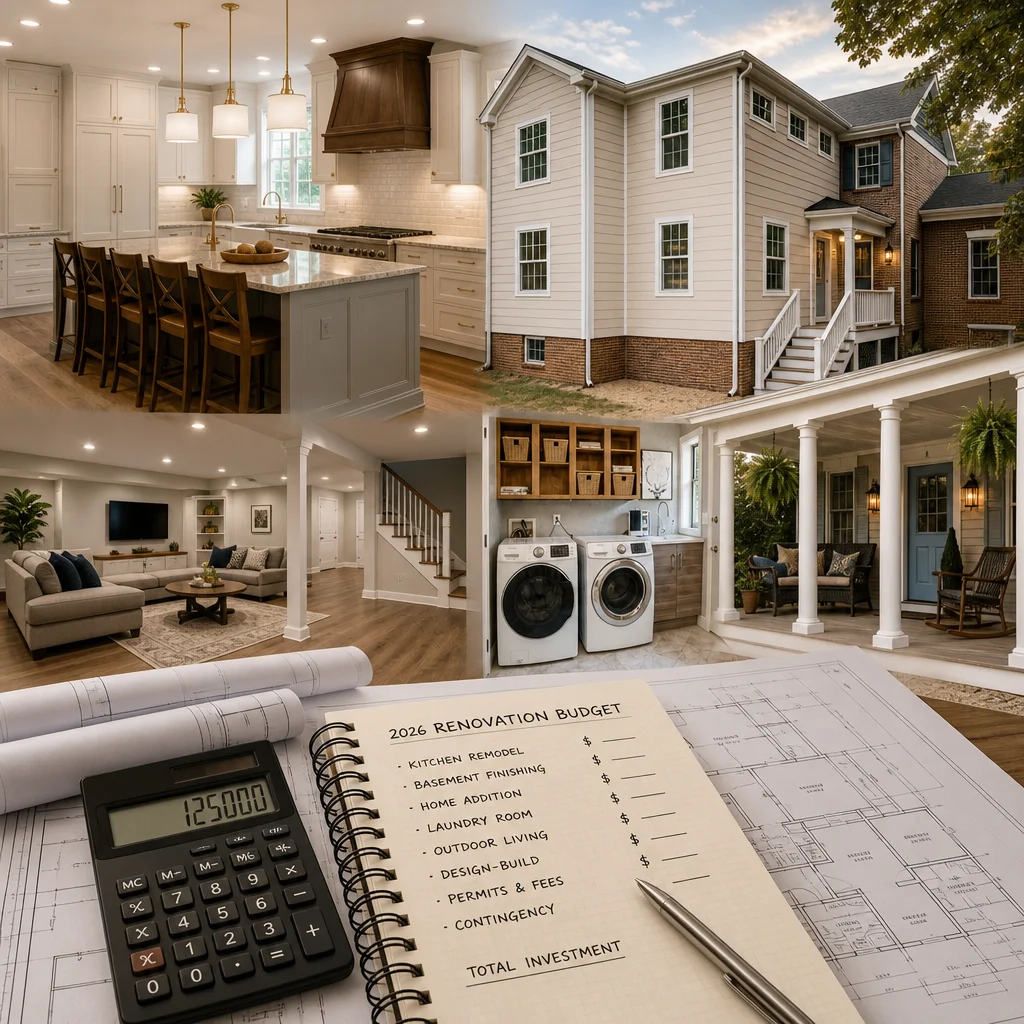
For a mid-range remodel (new cabinets, countertops, appliances, and updated lighting), expect $50,000 to $90,000. This includes quality materials and professional installation but doesn’t involve structural changes or high-end custom finishes. An upscale kitchen with custom cabinetry, premium countertop materials, and top-tier appliances typically runs $90,000 to $150,000 or more.
The variables that impact your kitchen cost most directly are:
- Cabinetry type (stock, semi-custom, or fully custom)
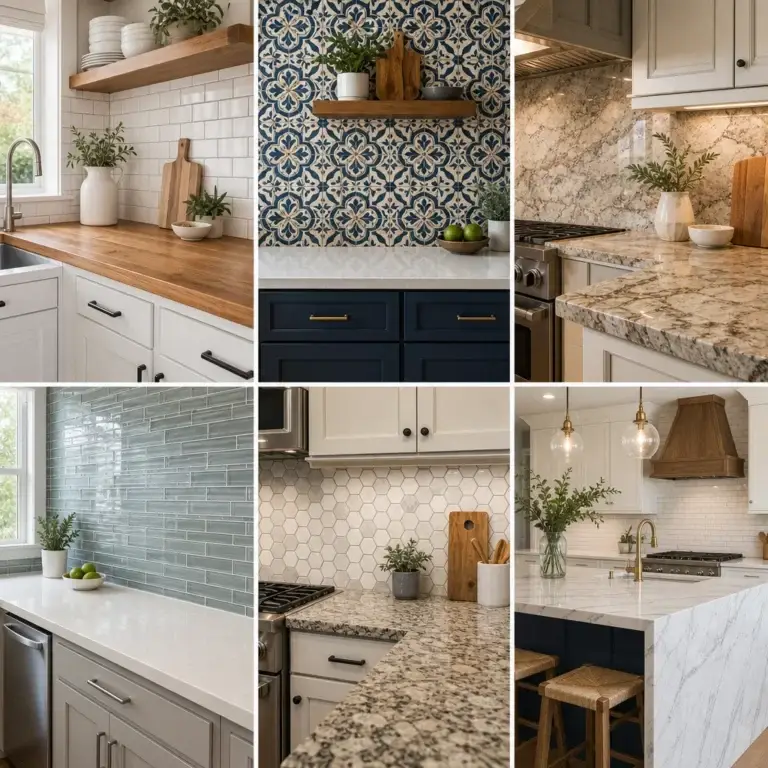
- Countertop material (laminate, quartz, granite, or specialty options)
- Appliance selection and brands
- Electrical and plumbing relocations
- Structural changes (removing walls, adding an island, reconfiguring layout)
- Finishes and hardware quality
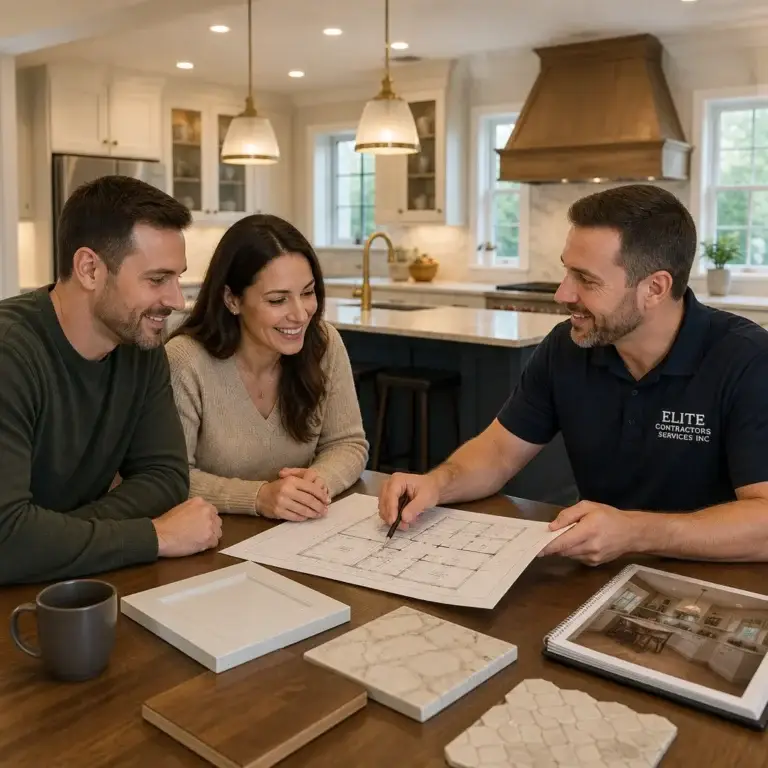
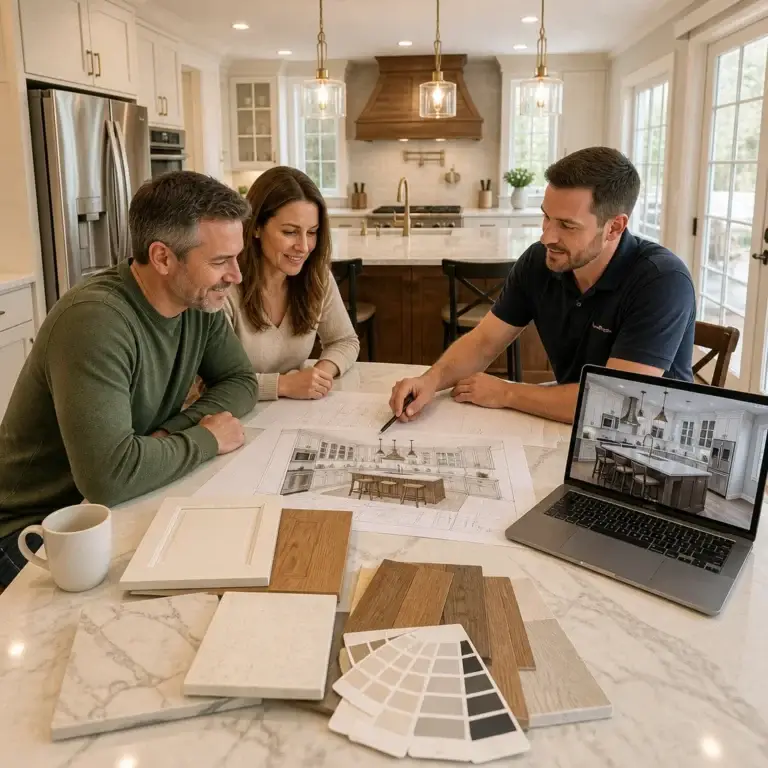
We work with you to align your kitchen vision with your budget, prioritizing investments that deliver both functionality and lasting value. If you’re exploring this project, our design-build kitchen remodeling process walks you through exactly how we manage scope, materials, and timeline to protect your investment.
Basement Finishing and Home Addition Expenses
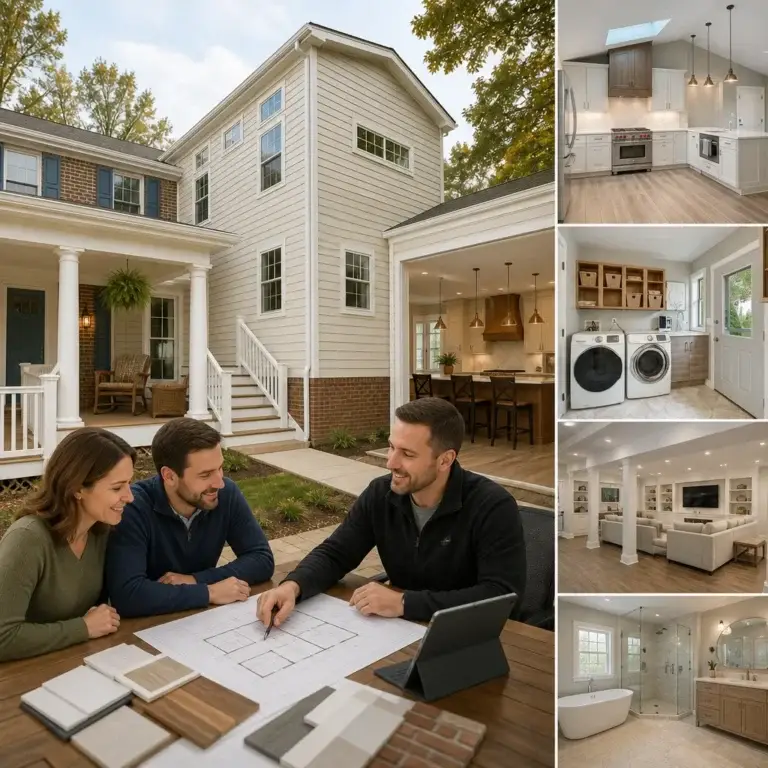
Basement finishing and home additions represent major budget categories because they involve creating livable space from the ground up. Both projects demand proper structural engineering, code compliance, and skilled trades coordination.
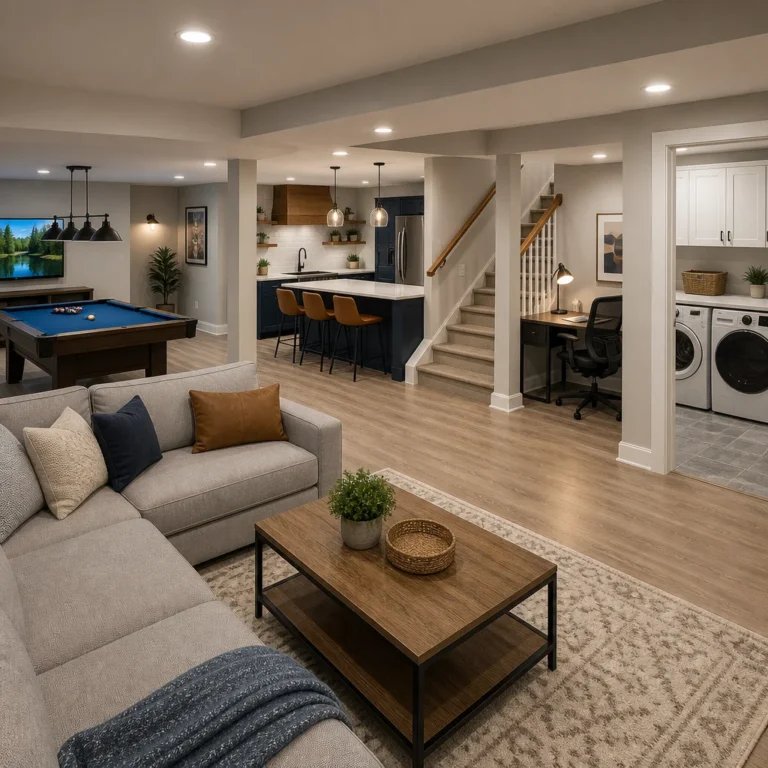
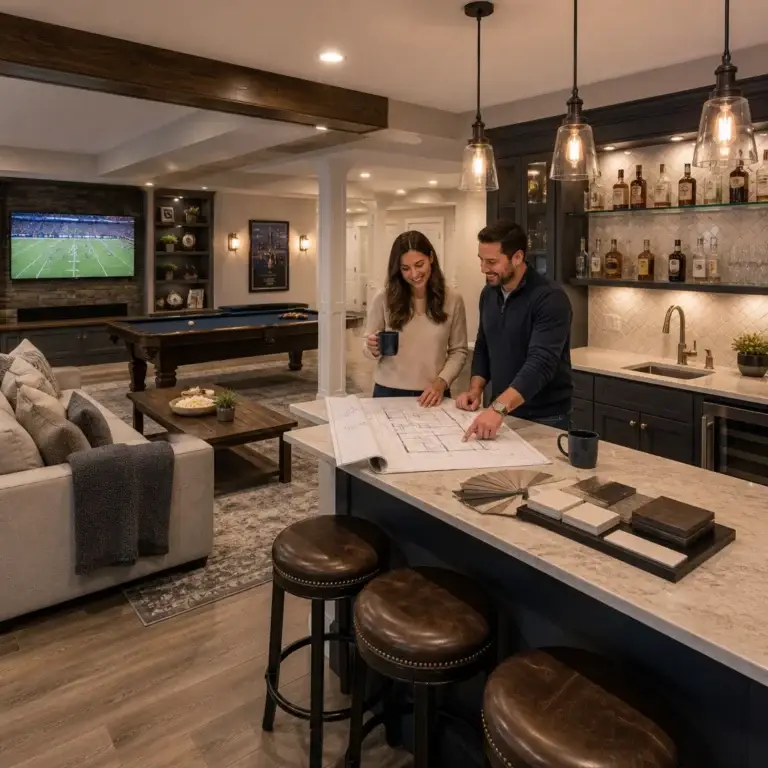
A finished basement in Fairfax County typically costs $100 to $200 per square foot, depending on whether you’re adding a bathroom, building a wet bar, or incorporating mechanical systems. A 1,000-square-foot basement finishing project might range from $100,000 to $200,000. This accounts for framing, insulation, drywall, flooring, lighting, HVAC extensions, and specialized systems like egress windows for bedrooms.
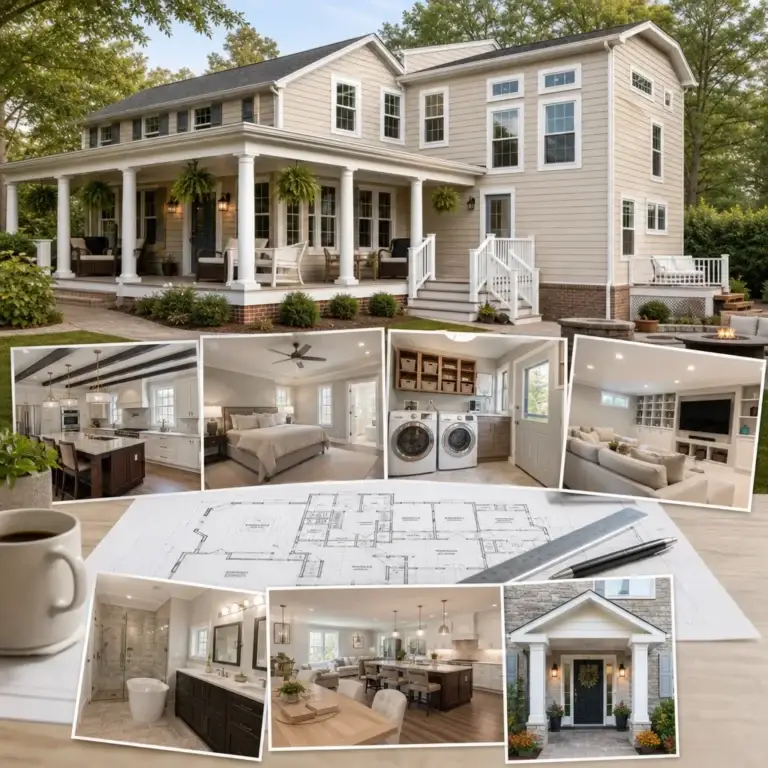
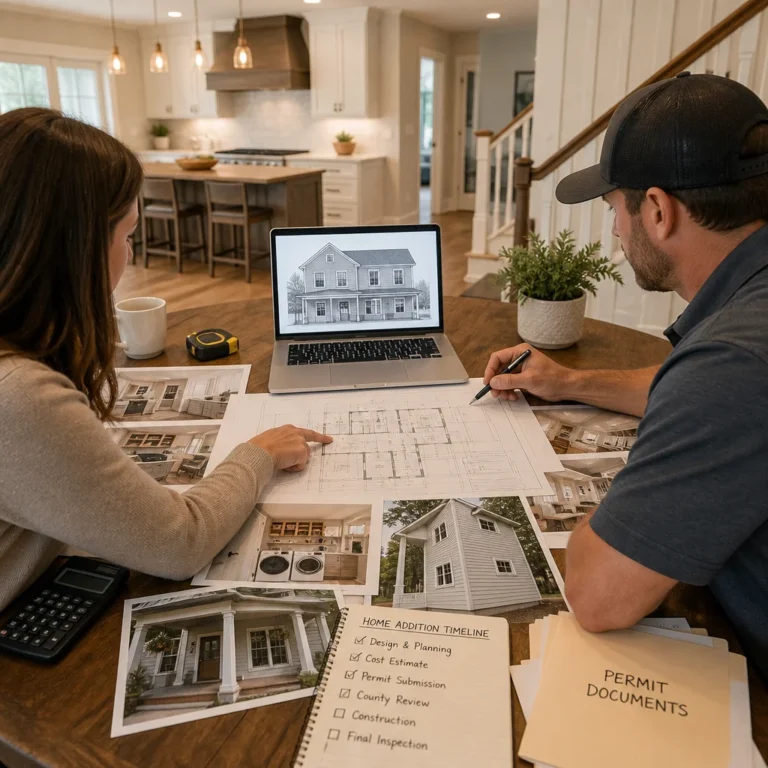
Home additions follow similar per-square-foot logic but often run higher due to roof work, exterior walls, and full mechanical integration. A 400-square-foot addition (like a master suite or expanded living area) typically costs $120 to $250 per square foot, resulting in $50,000 to $100,000+. Two-story additions and complex roof lines cost more; simple single-story expansions cost less.
Additional factors that influence basement and addition costs:
- Existing foundation and grading conditions
- Whether you’re adding full bathrooms (plumbing significantly increases cost)
- Ceiling height and headroom constraints
- Integration with existing HVAC, electrical, and structural systems
- Site access and staging constraints
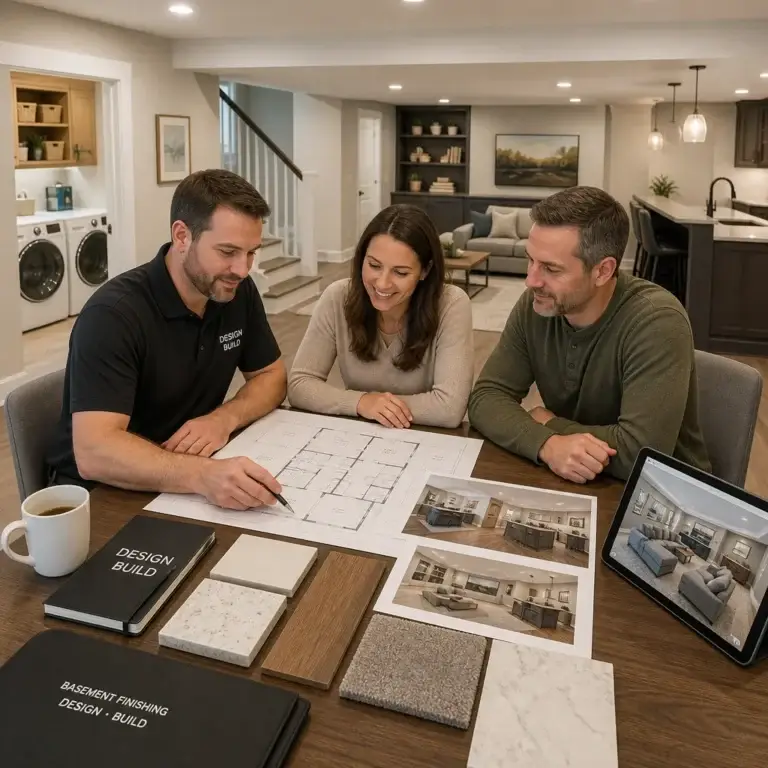
Our team brings experience finishing basements and designing additions across Fairfax County, understanding local soil conditions, building code specifics, and neighborhood character. We’ve detailed this process in our basement finishing guide, which walks through design options and typical investment ranges.
How Design-Build Approach Protects Your Budget
The traditional approach to renovation splits design from construction: you hire an architect, they draw plans, you bid those plans to contractors, and construction begins. This creates natural friction points where miscommunication happens and costs creep upward.
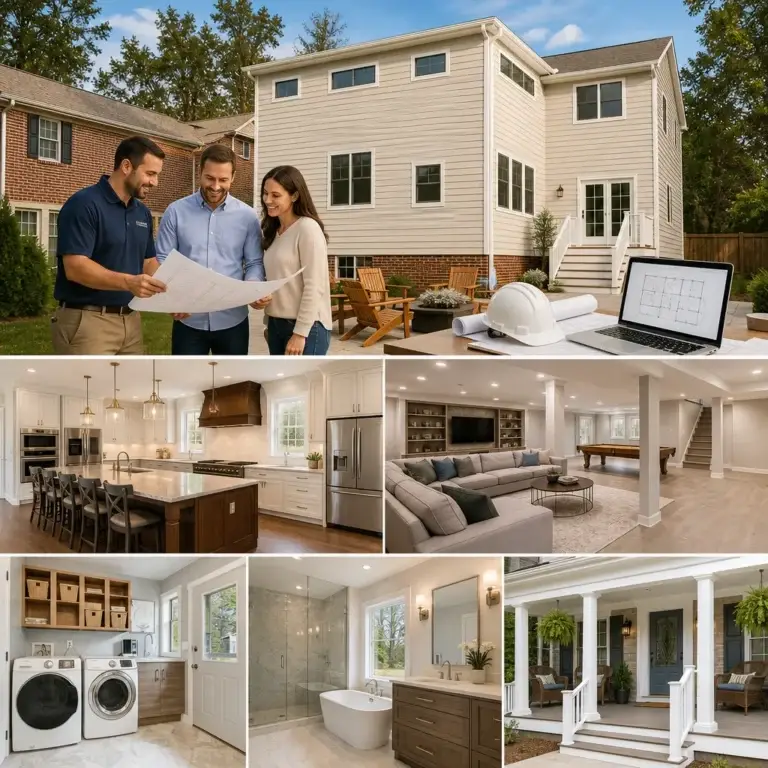
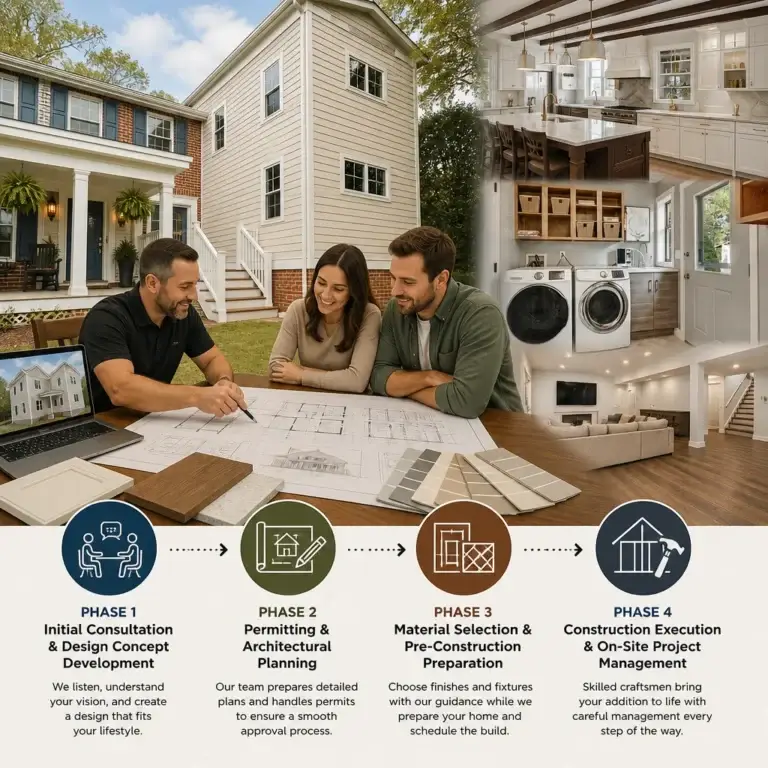
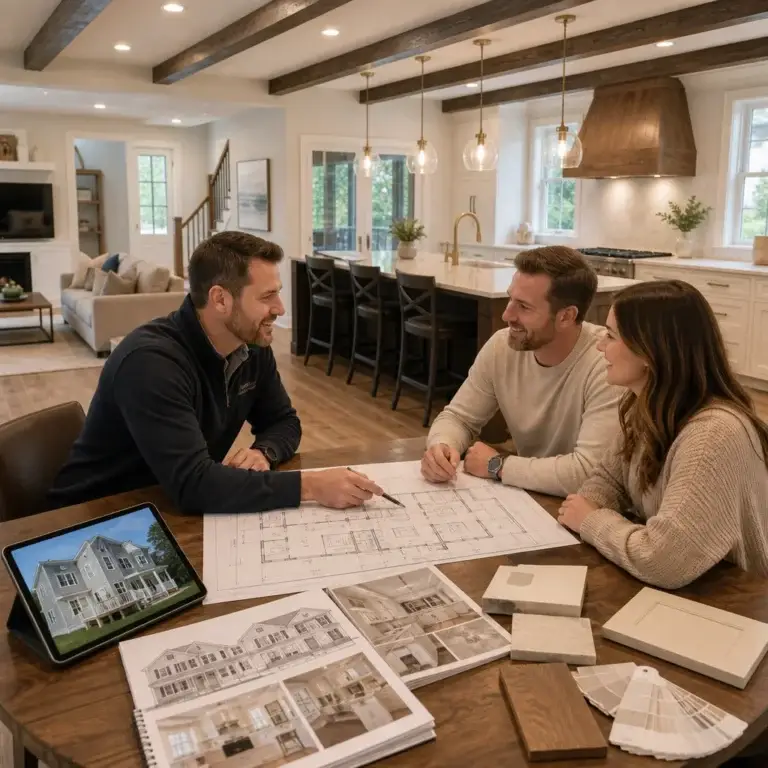
Our design-build model brings together architectural planning, permit coordination, material selection, and construction as one integrated team. This approach protects your budget in several critical ways.
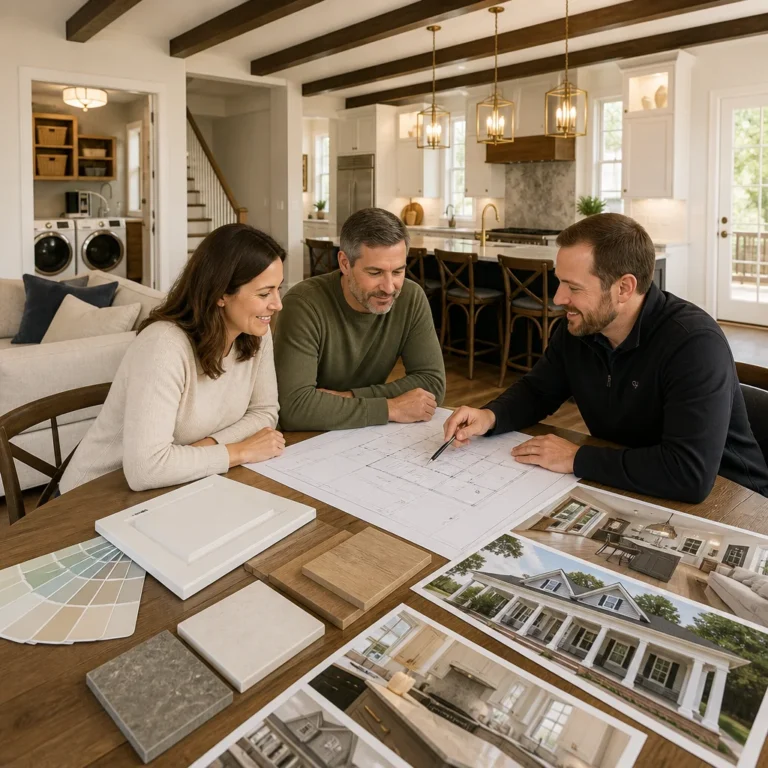
First, we identify cost implications during design, not after construction has started. When your designer and builder work together from day one, we can suggest material alternatives, layout adjustments, or phasing strategies that deliver your vision within budget. You’re not locked into a design that’s unaffordable to build.
Second, our team coordinates trades efficiently, reducing scheduling conflicts and rework. When the plumber, electrician, and framing crew communicate through one project manager, work flows smoothly and labor costs stay predictable.
Third, you benefit from value engineering without compromising quality. We recommend where to invest for long-term returns (quality kitchen fixtures, durable flooring) and where to be efficient (standard wall finishes, basic hardware). This maximizes your home’s improvement without waste.
A fixed-price design-build contract also means you know your total cost upfront, with clear contingency processes for any changes. You’re not wondering whether the estimate covers everything or if surprise costs are coming.
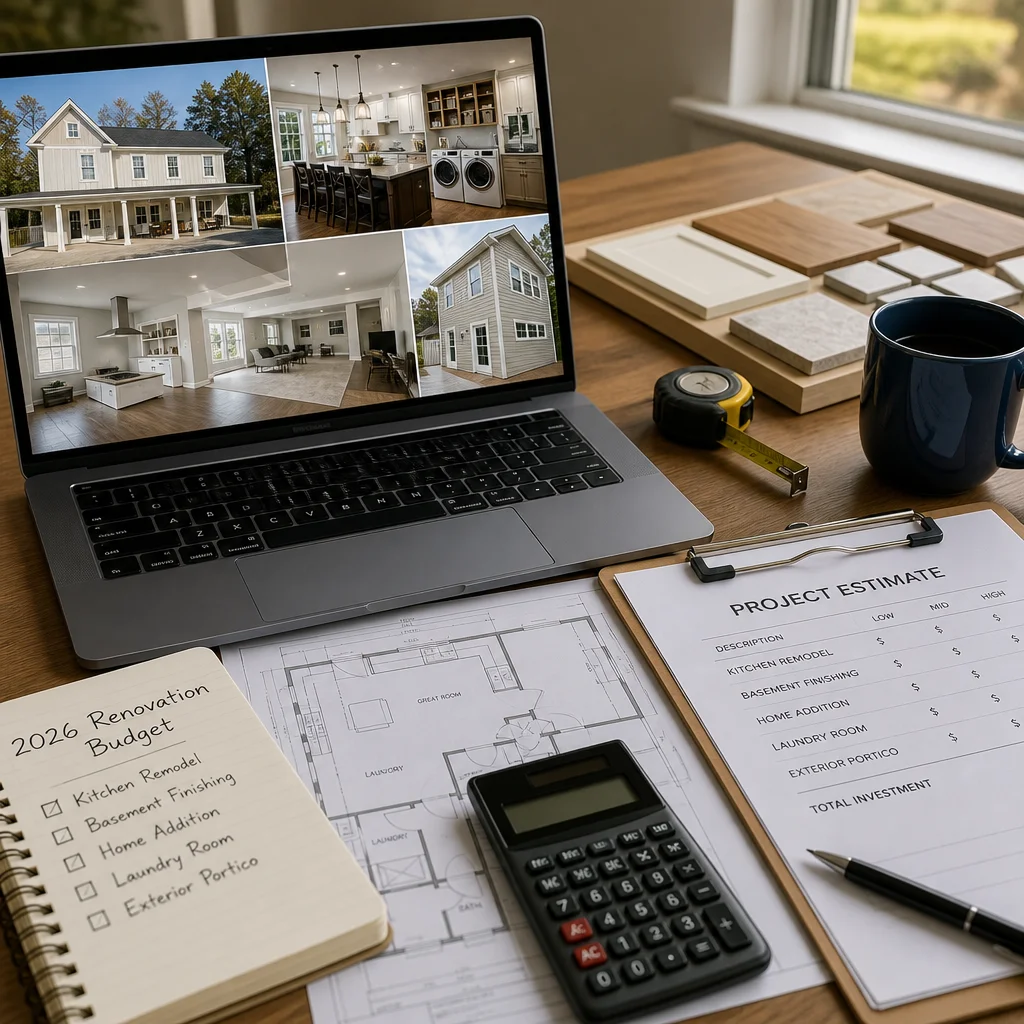
Getting Accurate Upfront Pricing and Contracts
Accurate pricing starts with detailed specifications. We require thorough scope documentation before quoting: exact dimensions, material selections, system specifications, and site conditions. Vague quotes lead to vague outcomes and budget surprises.
Our approach includes a detailed site assessment and itemized contract that spells out exactly what’s included, what’s excluded, and how we handle changes. You’ll see line items for labor, materials, permits, and contingency. We’re transparent about what drives cost and where flexibility exists.
We also walk you through payment scheduling that aligns with project phases. Typically this involves an initial deposit, progress payments tied to milestones, and a final payment upon completion. This structure protects both you and our team while keeping cash flow predictable.
One element many homeowners overlook: ask your contractor about their contingency process. How are changes handled? What if we encounter unexpected structural issues? A professional contract addresses these scenarios upfront, preventing disputes later.
Before signing, we recommend you verify contractor licensing, insurance, and references. Cheapest isn’t best; you’re looking for fair pricing paired with proven reliability and craftsmanship.
Timeline Impact on Your Project Costs
Project duration directly affects your renovation budget. A kitchen remodel that stretches six months instead of three typically costs more due to extended labor overhead, longer equipment rentals, and repeated mobilization of trades.
Several factors influence timeline and therefore cost:
- Permit processing times (typically 2-6 weeks in Fairfax County, depending on complexity)
- Material lead times (custom cabinets might require 8-12 weeks)
- Seasonal weather constraints (foundation work and exterior additions are weather-dependent)
- Scope complexity (structural changes take longer than cosmetic updates)
- Phasing strategy (doing everything at once costs less than staged approaches, though phasing sometimes makes sense for occupied homes)
We build realistic timelines into every estimate. A rush timeline costs more because we’re prioritizing your project above others and potentially paying premium labor rates. Conversely, allowing reasonable lead times for materials and scheduling flexibility helps us control costs.
If you’re living in your home during renovation (as many of our clients do), timeline also affects your quality of life. We design schedules that minimize disruption by completing phases in logical order and maintaining clean work zones.
Quality Materials and Long-Term Value
The lowest-cost renovation is often the one that disappoints most quickly. Budget fixtures wear out, bargain materials fail, and cheap finishes require replacement sooner than premium alternatives.
In Fairfax County’s real estate market, your renovation should enhance both comfort and resale value. This means investing wisely in components that affect daily function and longevity.
High-impact investments typically include:
- Kitchen and bathroom fixtures (they’re used constantly and visible daily)
- Flooring in primary living areas (durability and appearance matter long-term)
- Exterior additions and windows (they protect your home and influence curb appeal)
- HVAC and mechanical systems (these affect comfort and energy efficiency year-round)
Budget-friendly areas where you can be efficient include interior paint colors, basic wall finishes, standard trim and hardware, and temporary finishes you might update later.
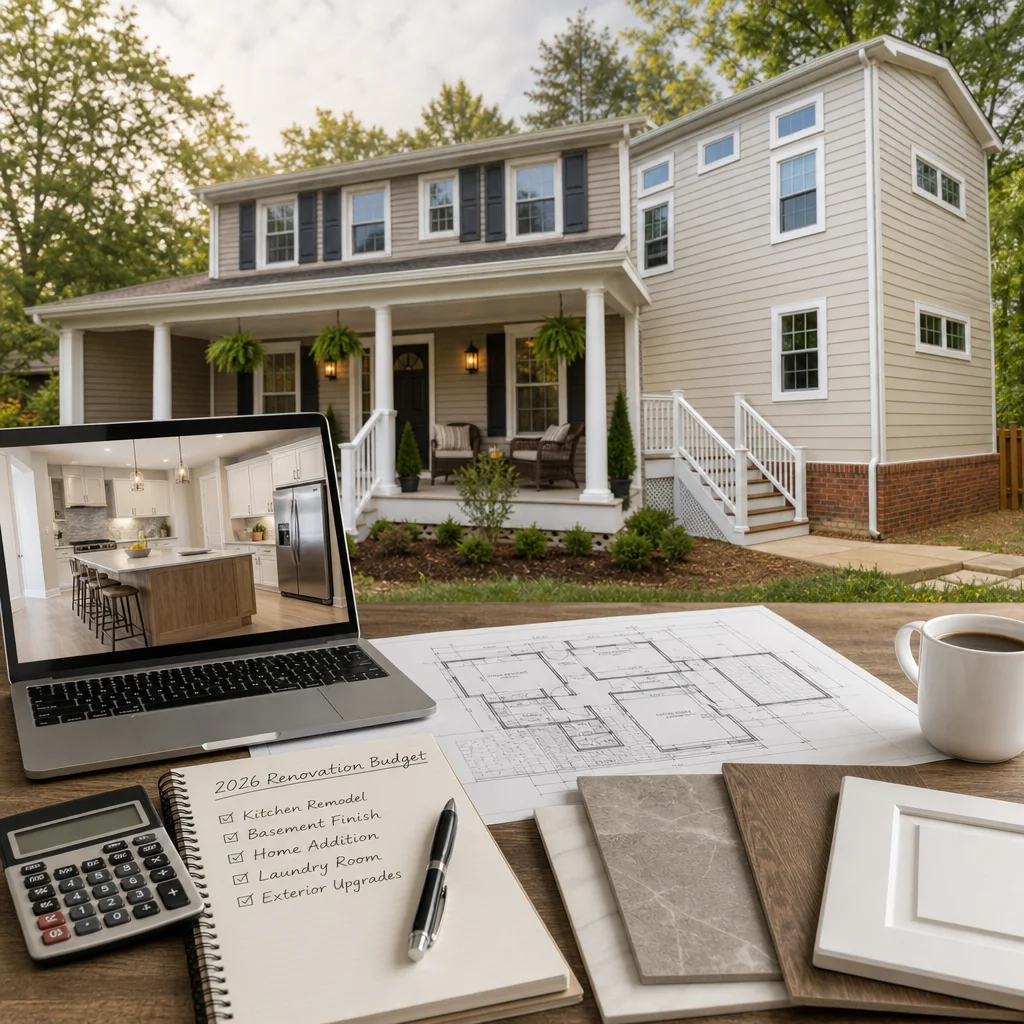
We help you make these trade-offs strategically. We’re not here to upsell you into gold-plated fixtures, but we do recommend investing in quality where it matters most for your lifestyle and home value.
Avoiding Hidden Costs Through Professional Planning
Hidden costs typically emerge from three sources: incomplete planning, site surprises, and scope creep during construction.
Incomplete planning happens when homeowners skip the detailed design phase, assuming they’ll figure details out once work begins. This always costs more. We invest time upfront in thorough specifications, 3D visualization, and decision-making so surprises are minimal during construction.
Site surprises include hidden structural damage, outdated utilities, soil conditions, or building code compliance issues that weren’t apparent during initial inspection. In older Northern Virginia homes, this is common. A solid contingency reserve (10-15% of your budget) accounts for these. We also conduct detailed site assessment and testing before finalizing estimates, catching major issues early.
Scope creep is the gradual expansion of project scope: “While you’re already in the wall, can you also…” These additions are often essential once work begins, but they become expensive if not planned systematically. Our detailed contracts and change order process document these decisions, so you understand the cost impact when you approve changes.
Professional planning prevents these issues by establishing clear expectations, conducting thorough site assessment, and maintaining rigorous project documentation throughout construction.
Your Next Step: Planning Your Renovation
The most valuable step you can take right now is to clearly define your project goals and gather preliminary pricing information. This means articulating what you want to accomplish (more living space, updated kitchen, completed basement), identifying which rooms matter most, and understanding the rough investment range.
Contact us for a consultation where we’ll walk through your vision, discuss your budget, and explain how our design-build approach streamlines planning and construction. We serve throughout Northern Virginia, including Fairfax, Annandale, Arlington, Falls Church, and surrounding communities. We’ll be honest about what your project likely costs and how we can deliver value.
Homeowners who invest in thorough upfront planning consistently report better outcomes, fewer surprises, and projects that complete on time and on budget. Let’s start that conversation with you.
Contact us Today For a Free Estimate !
Frequently Asked Questions (FAQ)
What’s included in your upfront pricing, and why don’t hidden costs appear later in our projects?
We provide detailed contracts that outline all labor, materials, permits, and contingencies before we break ground. Our design-build approach means we coordinate every phase in advance, from architectural specifications to material selections, so unexpected expenses rarely emerge. We stand behind fixed pricing on scope items, and any changes you request are presented clearly with separate cost adjustments before work begins.
How does our design-build process help us deliver projects on time and on budget?
We integrate design, permits, and construction under one experienced team instead of juggling separate contractors and architects. This coordination eliminates communication gaps and rework delays that typically inflate timelines and costs. We’ve built relationships with local Fairfax County permit offices and suppliers, which helps us navigate approvals efficiently and source materials at predictable costs.
Which Fairfax County and Northern Virginia areas do we serve?
We work throughout Fairfax County and the surrounding region, including Annandale, Alexandria, Arlington, Burke, Falls Church, Great Falls, McLean, Reston, Springfield, Tysons, Vienna, and several other communities. If you’re uncertain whether your address falls within our service area, we encourage you to contact us directly so we can confirm we’re the right fit for your project.