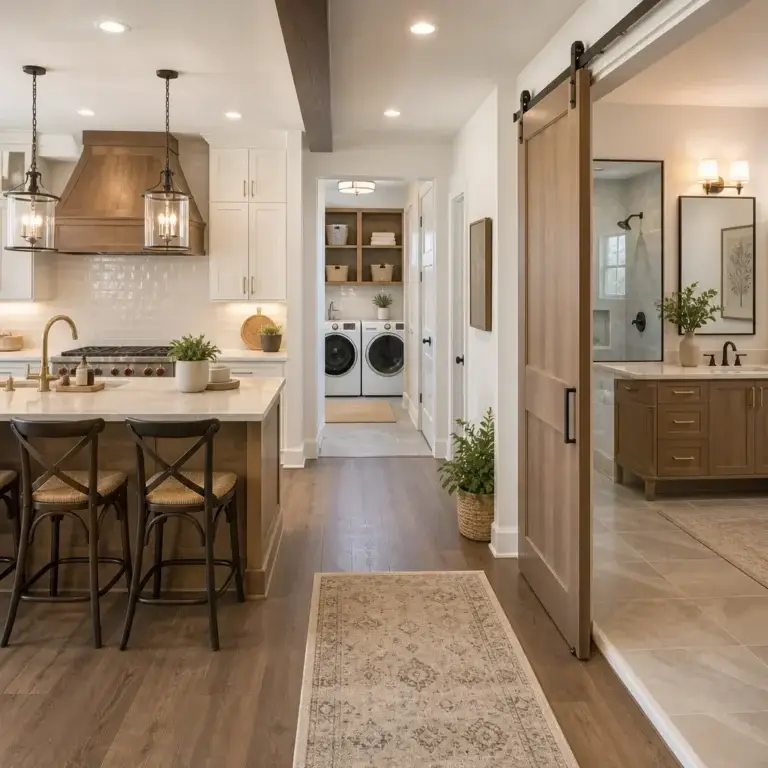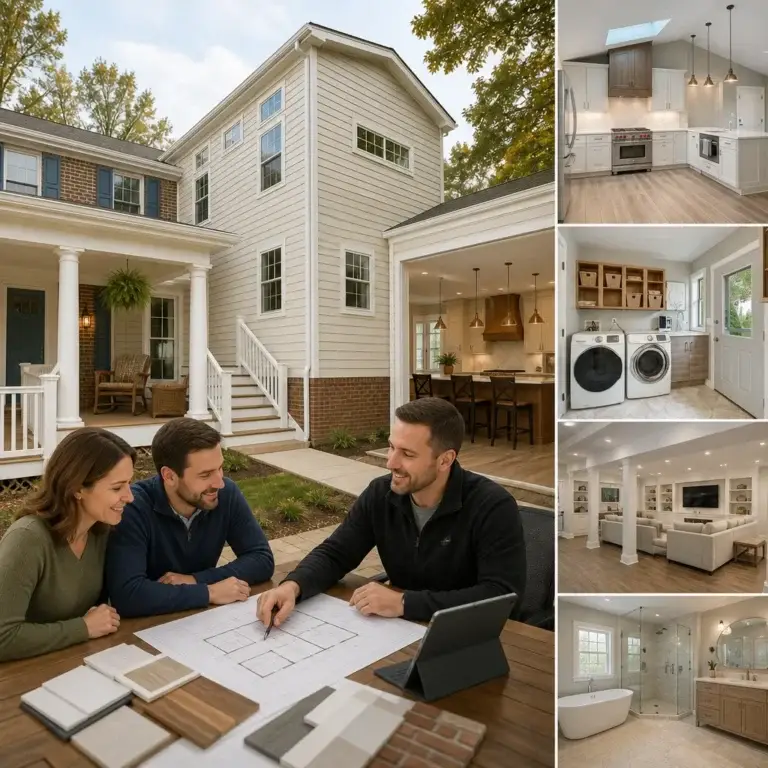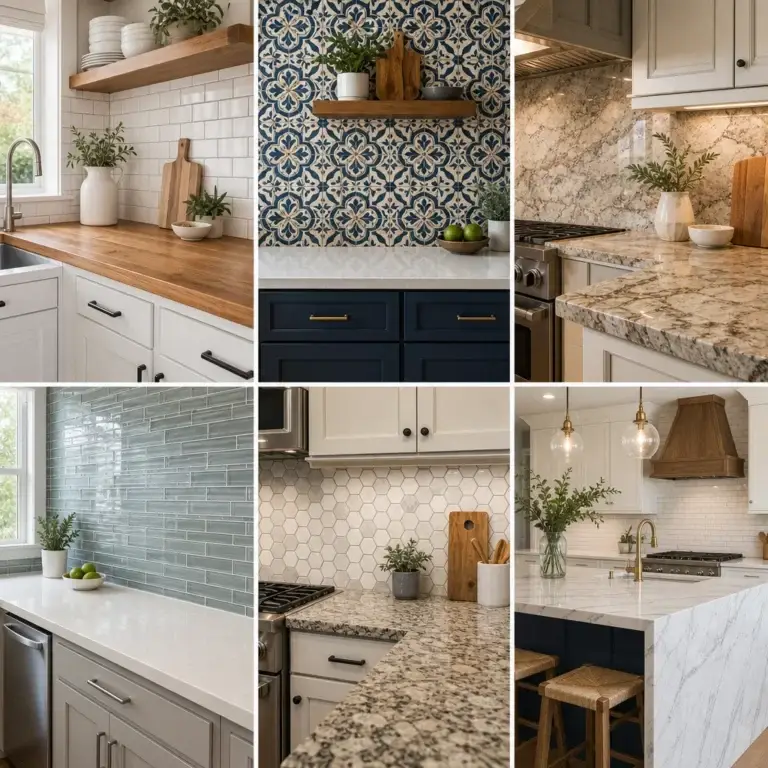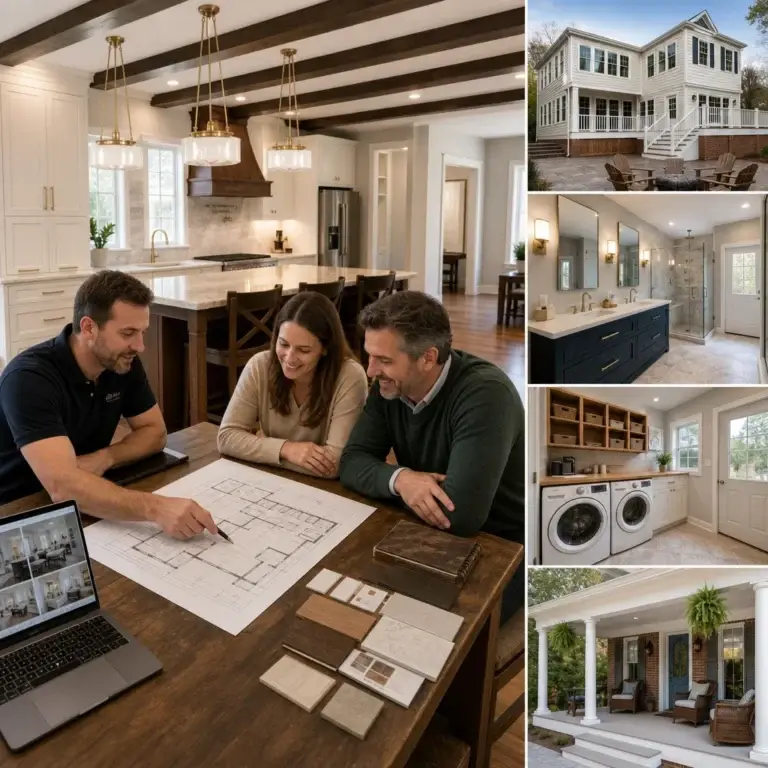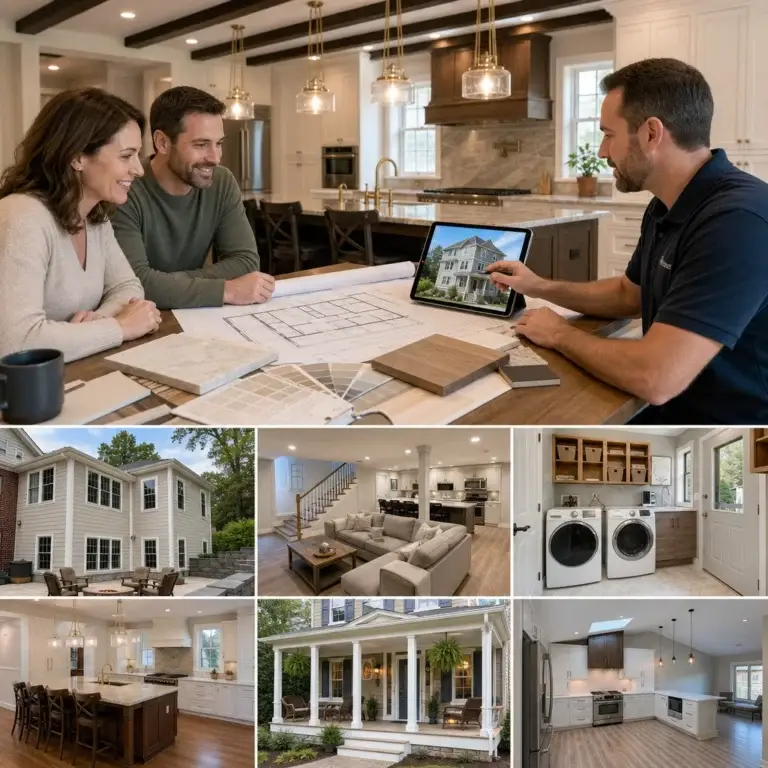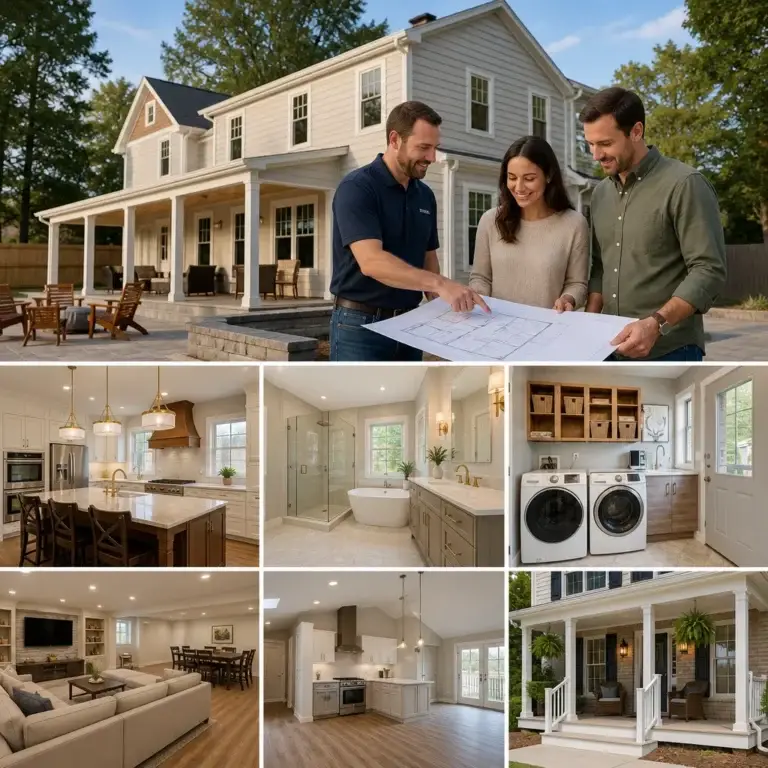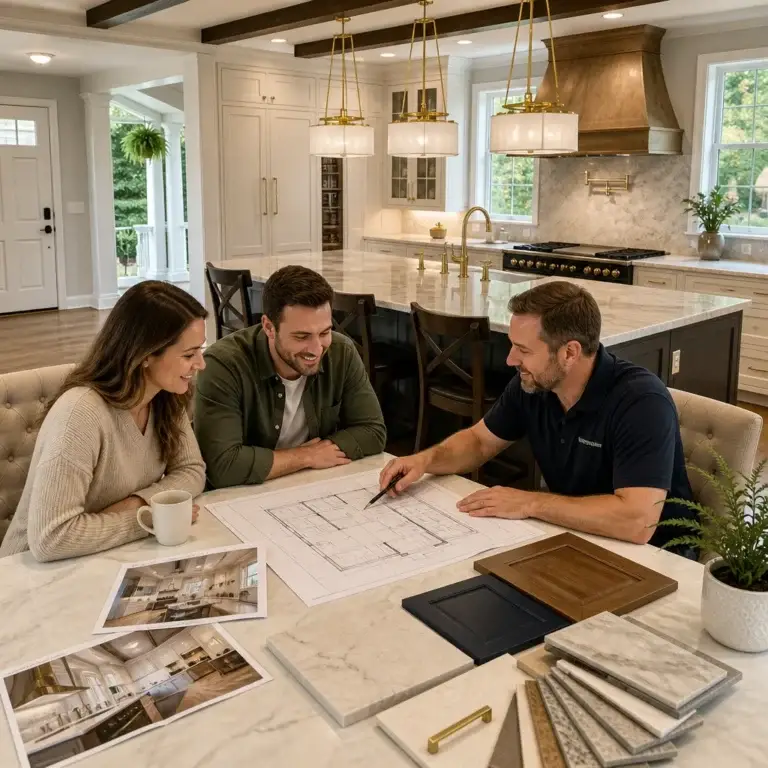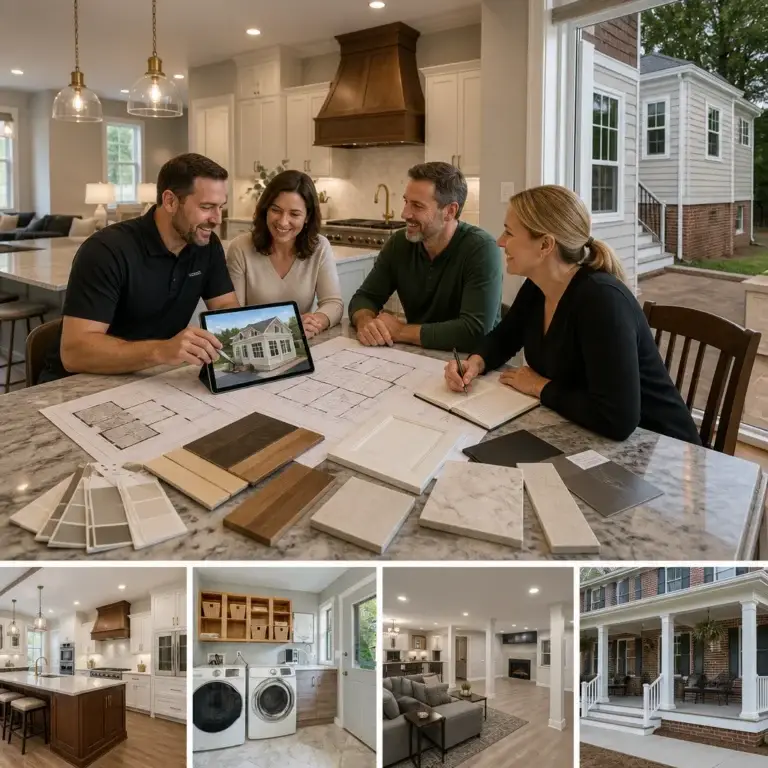
What if the “forever” countertop you’ve envisioned for your Northern Virginia kitchen becomes your biggest source of anxiety within just a few years? It’s a common concern for homeowners who want to balance high-end aesthetics with practical longevity. You want a space that reflects your style, yet the ongoing debate of granite vs quartz often leads to more confusion than clarity. You might worry about the porous nature of natural stone or feel skeptical about the long-term performance of engineered surfaces in a busy household.
We understand that a luxury remodel is a significant investment in your home’s future and your daily peace of mind. This 2026 guide is designed to replace that uncertainty with a clear, professional decision-making framework. You’ll discover the definitive differences between these surfaces, including how recent silica safety regulations impact fabrication timelines and which material truly aligns with your maintenance expectations for the next decade. We’ll explore everything from current Northern Virginia market trends to the specific durability trade-offs that will help you select the perfect foundation for your new kitchen with total confidence.
Key Takeaways
- Learn the fundamental composition differences in the granite vs quartz debate to ensure your selection aligns with both your lifestyle and high-end aesthetic goals.
- Compare critical performance factors like heat resistance and porosity to eliminate the fear of staining or damaging your investment over the next decade.
- Explore 2026 Northern Virginia design trends that prioritize “livable luxury” and understand how specific material choices impact your home’s future resale value.
- Gain clarity on the professional installation timeline, specifically how a design-build partnership manages the complex logistics between templating and final placement.
- Apply a practical five-question framework to determine whether a natural or engineered surface provides the mental tranquility and functionality you deserve.
Granite vs. Quartz: Decoding the Fundamentals of Luxury Surfaces
Choosing a countertop is the most tactile decision you’ll make during a kitchen design and remodeling project. It’s the surface where you’ll host holiday gatherings and prepare daily meals for years to come. The granite vs quartz debate continues to dominate luxury renovations in 2026 because both materials offer exceptional beauty but serve very different lifestyle needs. Granite represents the raw, unyielding power of nature. Quartz represents the pinnacle of human engineering and predictable performance. Our team at Elite Contractor Services views these materials not just as building supplies, but as the foundation of your home’s aesthetic and functional harmony.
The persistence of this choice in high-end Northern Virginia homes stems from a desire for “livable luxury.” You want a kitchen that looks like a showroom but functions like a workspace. While granite offers the prestige of natural stone, quartz provides a level of uniformity and stain resistance that appeals to busy families. Understanding the fundamental science behind these surfaces allows you to move past marketing hype and make a choice based on technical reality. Your daily habits, from how often you cook to your tolerance for maintenance, will ultimately dictate which material wins the spot in your home.
The Anatomy of a Granite Slab
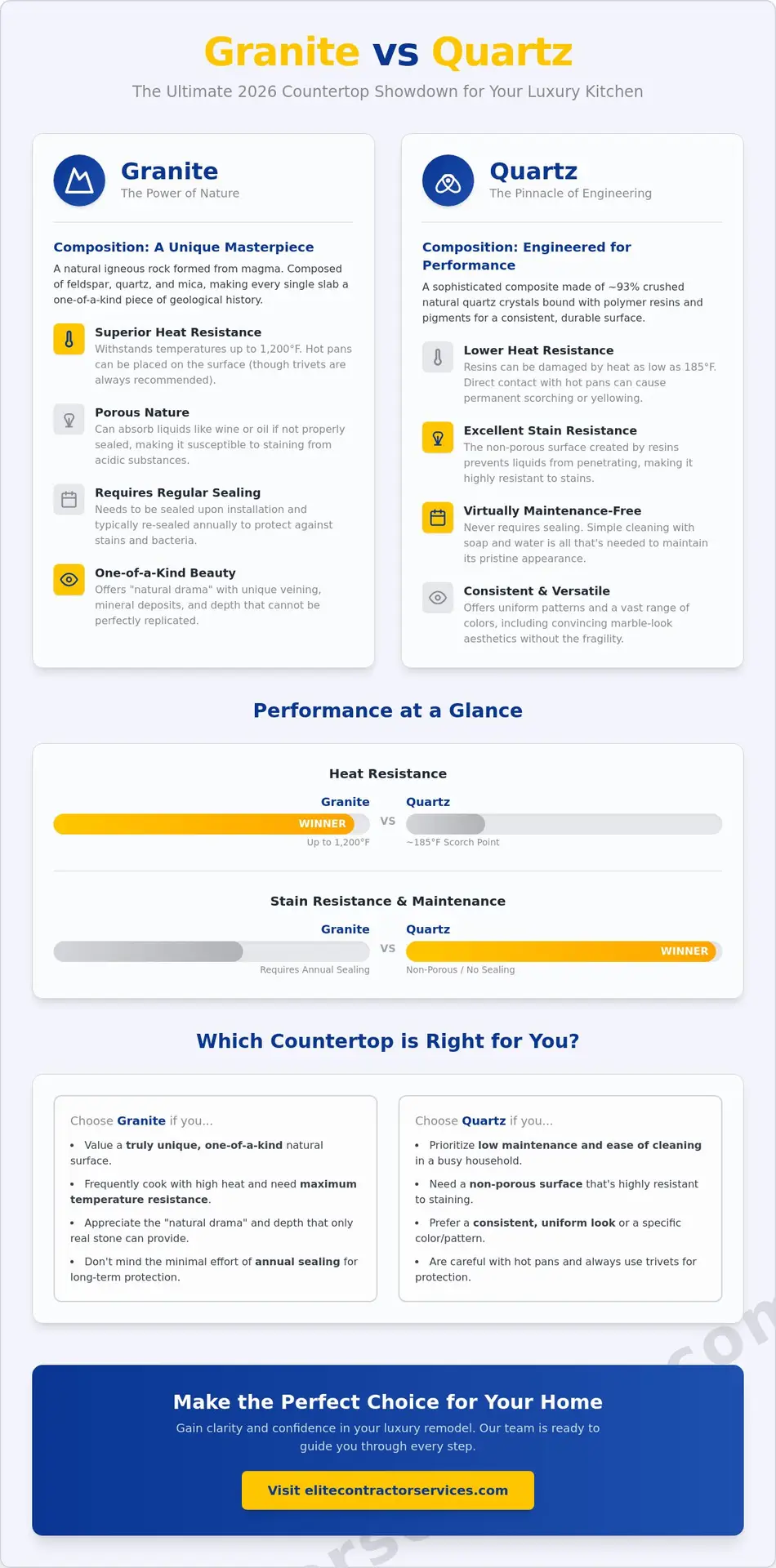
Granite is a natural igneous rock formed from the slow crystallization of magma below the Earth’s surface. Its incredible strength comes from a specific mineral composition of feldspar, quartz, and mica. Understanding the geology of granite helps homeowners appreciate why every slab is a unique masterpiece. No two pieces are identical. When you select a slab for your kitchen island, you’re choosing a piece of history that took millions of years to create. This “one-of-a-kind” appeal is why many homeowners in Fairfax and Alexandria still prefer natural stone for their statement islands. The variations in mineral deposits create depth and “natural drama” that engineered products struggle to replicate perfectly.
The Engineering Behind Modern Quartz
Modern quartz is a sophisticated composite material. Manufacturers combine approximately 90% to 93% crushed natural quartz crystals with high-performance polymer resins and pigments. These resin binders create a non-porous surface that doesn’t require the annual sealing associated with natural stone. In 2026, manufacturing technology has advanced to create incredibly convincing “marble-look” aesthetics. These slabs offer the delicate veining of Calacatta marble without the extreme fragility or staining risks. It’s important to distinguish this from “Quartzite,” which is a separate, naturally occurring metamorphic rock. While quartz is engineered for consistency and durability, quartzite is a natural stone that behaves more like granite. Knowing this distinction prevents the common confusion that often leads to maintenance surprises later on.
Durability and Maintenance: Which Surface Survives Daily Life?
Every homeowner fears the moment a guest sets a red wine glass on a pale counter or a child drags a heavy pot across the island. The reality of granite vs quartz is that while both are incredibly durable, they handle “kitchen chaos” in fundamentally different ways. You don’t want a surface that requires a manual to use. You want a surface that supports your lifestyle without adding to your mental load. Understanding these technical trade-offs is the only way to ensure your investment remains pristine for the next decade.
Heat resistance is where the two materials diverge most sharply. Granite is a champion of temperature, capable of withstanding up to 1,200 degrees Fahrenheit. You can technically set a hot pan directly on its surface, though we always recommend a trivet to avoid thermal shock, which can cause the stone to crack. Quartz is different. Because it contains polymer resins, it’s susceptible to scorching at temperatures as low as 185 degrees Fahrenheit. If you place a boiling pot on a quartz counter, the resin can permanently yellow or “scorch,” a mistake that is notoriously difficult to fix.
The Truth About Heat and Stains
Staining is the primary anxiety for natural stone owners. Granite is porous, meaning it can absorb liquids like lemon juice, vinegar, or wine if left sitting. This is why a high-quality sealant is essential. Most modern sealants only require a simple five-minute application once a year. Quartz, however, is completely non-porous. It’s virtually immune to acidic spills and doesn’t require sealing. If you prefer a “set it and forget it” approach to maintenance, quartz is the logical choice for your kitchen remodeling in Northern Virginia.
Repairability: Fixing Chips and Scratches
Life happens. If you drop a heavy cast-iron pan and chip your counter, granite is surprisingly forgiving. A professional can fill the chip with color-matched epoxy, making the repair nearly invisible. Quartz is much harder to repair. Because the pattern is engineered and consistent, a patch often stands out against the surrounding surface. To determine which material fits your home, consider these factors:
- Cooking Style: Do you move hot pans quickly without thinking? Granite offers more peace of mind.
- Cleaning Habits: Do you want to wipe and walk away? Quartz requires only mild soap and water.
- Visual Tolerance: Does the idea of a tiny, professional repair bother you more than the idea of a permanent scorch mark?
Neither material is indestructible, but choosing the right one means you won’t have to worry every time someone starts cooking. Our team focuses on providing this level of clarity so your project results in a space that feels as good as it looks.
Design Trends and Resale Value in Northern Virginia Homes
The visual harmony of your kitchen depends on matching your material to your cabinetry. Transitional styles, which remain the most popular choice in our region, often favor the consistent patterns of engineered stone. Modern kitchens with flat-panel doors lean toward the crisp, minimalist look of white quartz. Traditional homes, however, often benefit from the warmth and organic texture that only natural stone can provide. We focus on helping you find the material that complements your architectural style while protecting your home’s long-term value.
Aesthetic Versatility: Choosing Your Look
In contemporary McLean homes, we see a massive shift toward “veined” quartz that mimics Calacatta or Carrara marble. This material provides the bright, airy feel of a high-end bistro without the maintenance headaches of real marble. It pairs perfectly with the sleek, transitional cabinetry common in Kitchen Design & Remodeling projects throughout the region. Conversely, exotic granite slabs are making a comeback as “statement islands.” Homeowners choose a slab with heavy movement and rare mineral colors to serve as a focal point. They often pair this with more subdued quartz on the perimeter counters to balance the visual energy of the room.
Investment Value for Northern Virginia Homeowners
When it comes to appraisals in Arlington, both materials are considered premium upgrades. A mid-range kitchen renovation in our area typically recoups between 60% and 75% of its cost at resale, according to industry data. To maximize this return, we often advise clients to lean toward “timelessness” over “trendiness.” While a bold, high-contrast granite slab might be a personal favorite, a neutral, high-quality quartz often appeals to a broader range of potential buyers. They see a move-in ready surface that won’t require immediate care or replacement. However, in the ultra-luxury tier, the unique story of a rare granite slab can still be the “wow factor” that closes a deal. We help you navigate these nuances to ensure your choice adds both lifestyle enjoyment and tangible equity to your property.
The Installation Process: Managing Timelines and Logistics
The transition from bare cabinet frames to a finished kitchen is the most critical phase of any remodel. This period often creates the most anxiety for homeowners because the kitchen remains unusable while the stone is fabricated. Whether you’ve settled the granite vs quartz debate or are still weighing your options, the logistical path to a perfect fit requires meticulous coordination. Our design-build approach eliminates the stress of managing multiple vendors. We handle the communication between the cabinet installers and the stone fabricators to ensure every measurement is precise before the first cut is made.
A common misconception is that the stone arrives the day after cabinets are installed. In reality, there’s a standard “gap” of one to two weeks. This time is necessary for digital templating and off-site fabrication. Because engineered quartz can contain over 90% silica, professional fabrication must happen in controlled environments that meet the 2026 OSHA permissible exposure limit of 50 micrograms per cubic meter. This off-site precision ensures that when the slabs arrive at your home, the installation is swift, clean, and exact. Working with experienced kitchen remodel contractors in Northern Virginia who own the entire process from design through installation is the most reliable way to prevent costly delays during this critical phase.
Sourcing and Fabrication Logistics
When selecting natural stone, viewing the actual slab is non-negotiable. Samples only show a tiny fraction of the stone’s character, and the “natural drama” of a full granite slab can vary wildly from one end to the other. For quartz, while samples are more representative, we still recommend reviewing current lead times for premium brands like Caesarstone or Cambria. Our relationships with local fabricators in Fairfax, VA allow us to monitor these timelines closely, ensuring your project stays on schedule and meets our high standards for craftsmanship.
Structural Integrity and Site Prep
The weight of a luxury countertop is a significant structural consideration. A standard 3cm stone slab can weigh between 15 and 20 pounds per square foot. Large, statement islands require reinforced cabinet boxes and, occasionally, additional floor support to prevent sagging or shifting over time. This is especially relevant if you’re expanding your kitchen footprint through home additions. We use digital templating technology to create a perfect map of your cabinet layout, accounting for wall angles and sink placements. This level of detail ensures that seams are minimized and patterns flow naturally across the surface.
Ready to see how a professional design-build team can streamline your kitchen transformation? Schedule a consultation with our experts today to begin planning your high-end remodel.
Making the Final Choice: Your Kitchen Remodeling Roadmap
Deciding between granite vs quartz is the final hurdle before your vision begins to take physical shape. This choice shouldn’t feel like a gamble. It should be a calculated decision based on how you actually live in your kitchen. We’ve helped hundreds of homeowners in Northern Virginia move past the “analysis paralysis” of material selection by focusing on daily habits rather than just showroom aesthetics. The right material, when paired with a meticulous design-build team, ensures your remodel remains a source of pride rather than a maintenance burden.
To find your perfect match, take this brief lifestyle test. If you answer “yes” to more than three of these questions, quartz is likely your ideal surface. If you answer “no” to most, granite’s natural resilience is the better fit for your home.
- Do you prefer a surface that never needs to be sealed or conditioned?
- Is a consistent, predictable pattern more important to you than natural variation?
- Do you often worry about acidic spills like wine or vinegar sitting on the counter?
- Are you looking for a specific “bright white” or marble-veined aesthetic?
- Is ease of daily cleaning with just soap and water your top priority?
Choosing the right material is only half the battle. The success of your project depends on a unified process that prevents costly ordering errors and material waste. Our design-build methodology integrates material selection into the architectural planning phase, a rigorous approach similar to that of Powerpillar Ltd, the house extension specialists London homeowners turn to for complex builds. This means we account for slab sizes, seam placements, and structural reinforcements long before the stone arrives at the fabrication shop. It’s a level of oversight that provides the mental tranquility you deserve during a major home improvement project.
The Elite Decision Framework
We summarize the granite vs quartz comparison through three critical pillars: performance, aesthetics, and long-term investment. Granite offers unmatched heat resistance and unique natural drama. Quartz provides superior stain resistance and modern design flexibility. Both materials represent a premium choice that will enhance your home’s value when installed correctly. For deeper insights into specific project requirements, our Kitchen Design Service provides answers to the most common technical questions homeowners face today.
Next Steps for Your Remodel
Your journey toward a luxury kitchen starts with a professional consultation. We believe in a collaborative relationship where we act as your consultants rather than just service providers. During our initial meeting, we’ll review your goals, assess your space, and provide a clear roadmap for your transformation. We take pride in our ability to deliver exceptional results within a fixed-price and fixed-timeline agreement; this protects you from the common financial and logistical pitfalls of the construction industry. Explore our Service Areas page to see where we’re currently building and schedule your design discovery session today.
Build Your Dream Kitchen with Confidence
Choosing between granite vs quartz is a significant step toward creating a kitchen that truly serves your lifestyle. Whether you prioritize the heat-resistant, one-of-a-kind beauty of natural stone or the non-porous, uniform elegance of engineered quartz, your decision should lead to a space of tranquility and pride. The most successful luxury remodels in Northern Virginia don’t happen by accident; they’re the result of meticulous planning and professional oversight.
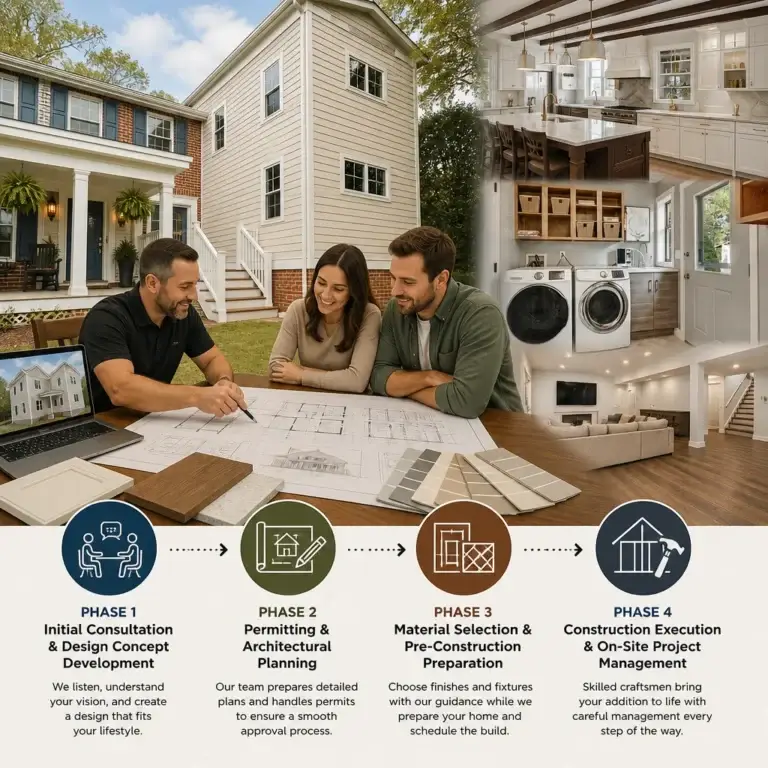
At Elite Contractor Services, we understand that the technical details of stone fabrication and structural site prep can feel overwhelming. As Northern Virginia design-build experts, we’re here to guide you through every phase with our streamlined 5-step project workflow. You won’t have to worry about hidden costs or shifting timelines. We provide fixed-price remodeling agreements to ensure your peace of mind from the first template to the final installation.
Your journey toward a more beautiful, functional home is just one conversation away. Schedule Your Design-Build Consultation Today and let us help you select the perfect foundation for your new kitchen. We look forward to building something extraordinary together.
Frequently Asked Questions
Is quartz more expensive than granite in 2026?
Premium quartz often carries a higher entry price than mid-range granite, though the costs overlap significantly at the luxury end of the market. While basic granite varieties can be more budget-friendly, exotic natural slabs with rare mineral patterns often reach or exceed the costs of high-end engineered brands. You should also consider the long-term value; quartz requires less ongoing maintenance spending, while unique granite can command a higher premium during home resale in Northern Virginia.
Does granite really need to be sealed every year?
Annual sealing is a standard professional recommendation for most granite varieties, but the actual frequency depends on the specific stone’s porosity and your daily usage. Darker, denser granites might only require attention every two or three years. You can perform a simple “water test” by leaving a few drops on the surface; if the water beads, your seal is still intact. This minor maintenance task takes less than ten minutes and effectively protects your investment for decades.
Can I cut directly on a quartz countertop?
You should avoid cutting directly on quartz because metal blades can leave “metal marks” or fine scratches on the resin surface. While the material is incredibly hard and durable, the friction from a knife can dull your cutlery and eventually damage the finish. Using a cutting board is a simple way to preserve the pristine look of your counters. This habit ensures the engineered surface remains free of micro-scratches that could harbor bacteria or dull the factory shine.
Which material is better for a kitchen island with a waterfall edge?
Quartz is generally the preferred choice for waterfall edges because its engineered consistency allows for nearly invisible seams at the joints. When you want the pattern to flow perfectly from the horizontal surface down to the floor, the uniform veining of quartz makes this transition much smoother. Granite can be used for waterfall designs, but the natural variations in the stone make it much harder to match the grain perfectly at a mitered edge. This choice often defines the modern aesthetic in high-end remodels.
What happens if I drop a heavy pot on a granite countertop?
Dropping a heavy object on granite can result in a chip, particularly along the edges or near the sink cutout. Because granite is a natural crystalline structure, it’s brittle under high-impact force. If a chip occurs, don’t panic. A professional can typically repair the area using a color-matched epoxy that blends into the stone’s natural pattern. This repairability is one reason why the granite vs quartz debate favors natural stone for some high-traffic households that prioritize longevity.
Does quartz fade if it is near a sunny kitchen window?
Long-term exposure to direct sunlight can cause the polymer resins in quartz to fade or discolor over several years. This is particularly noticeable in darker colors or slabs with high pigment concentrations. If your kitchen features large, south-facing windows, you might consider granite, which is UV-stable and won’t change color under the sun. Our team evaluates your kitchen’s natural light levels during the planning phase to ensure your material choice remains vibrant for the life of your home.
Are there eco-friendly options for granite and quartz?
Both materials offer sustainable paths, such as choosing domestically quarried granite to reduce transportation emissions or selecting quartz brands that use recycled glass and mirrors. Many premium quartz manufacturers now prioritize low-VOC resins and closed-loop water recycling systems during production. In Northern Virginia, we see an increasing number of homeowners asking about the environmental footprint of their materials. We help you source from suppliers who maintain high ethical and environmental standards throughout their supply chain.
How do I know if my cabinets can support the weight of a new stone countertop?
Your cabinets must be level and structurally sound to support the weight of 3cm stone, which typically weighs about 15 to 20 pounds per square foot. During our 5-step project workflow, we perform a detailed structural assessment of your existing or new cabinetry. If we find any weakness, we reinforce the boxes with additional blocking or supports. This meticulous preparation prevents the stone from cracking due to shifting or sagging over time, ensuring a stable and long-lasting granite vs quartz installation.