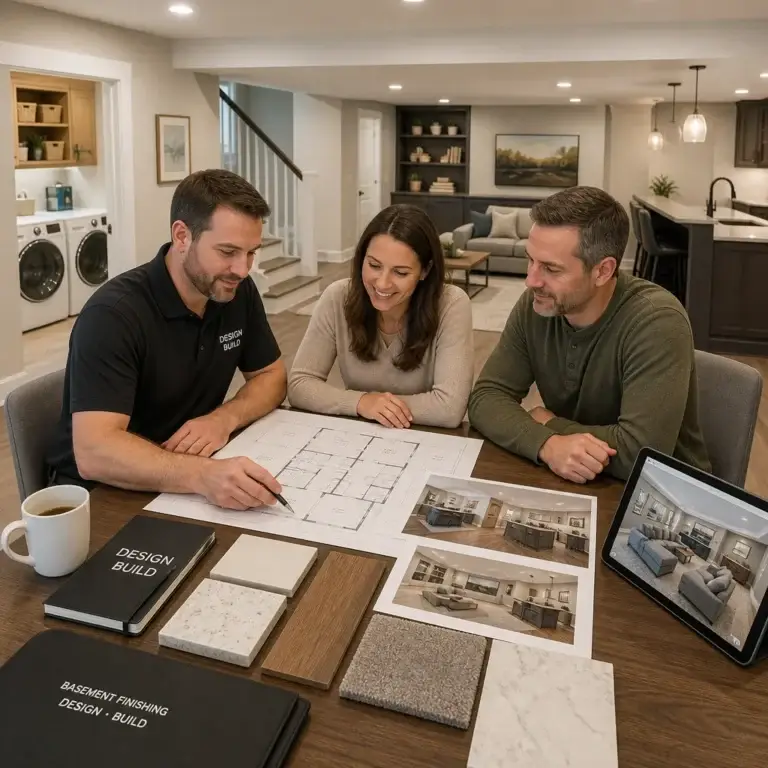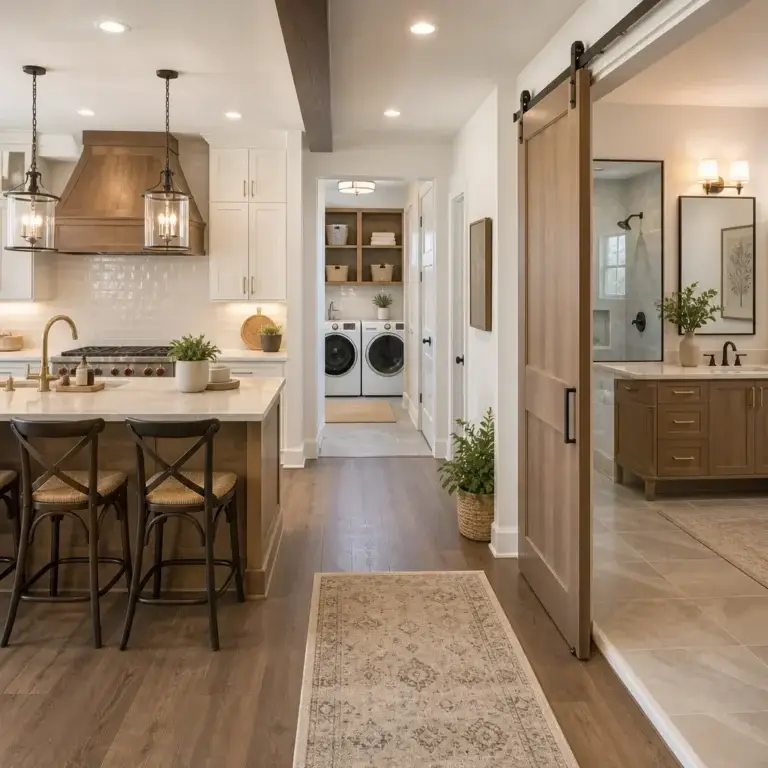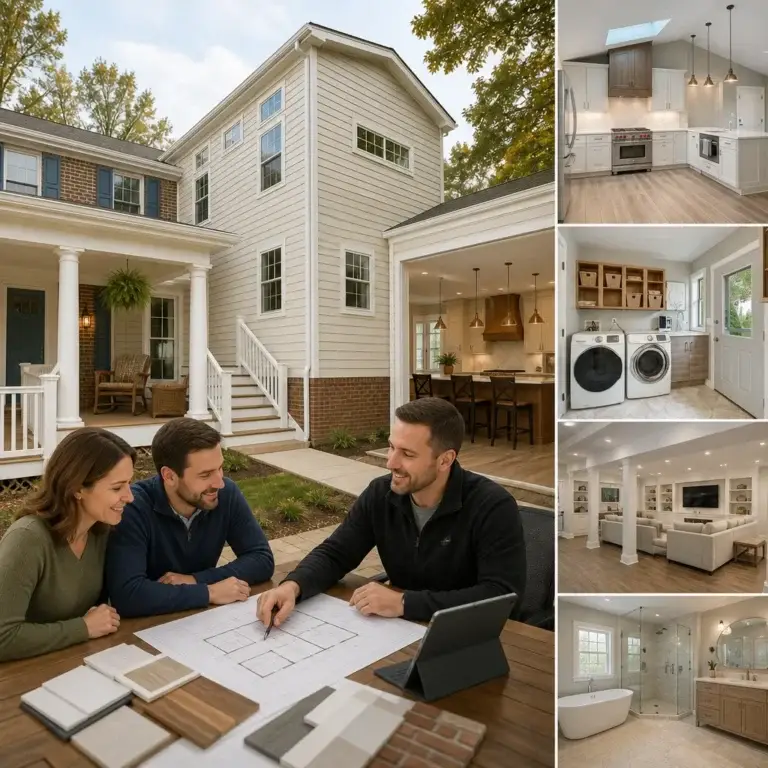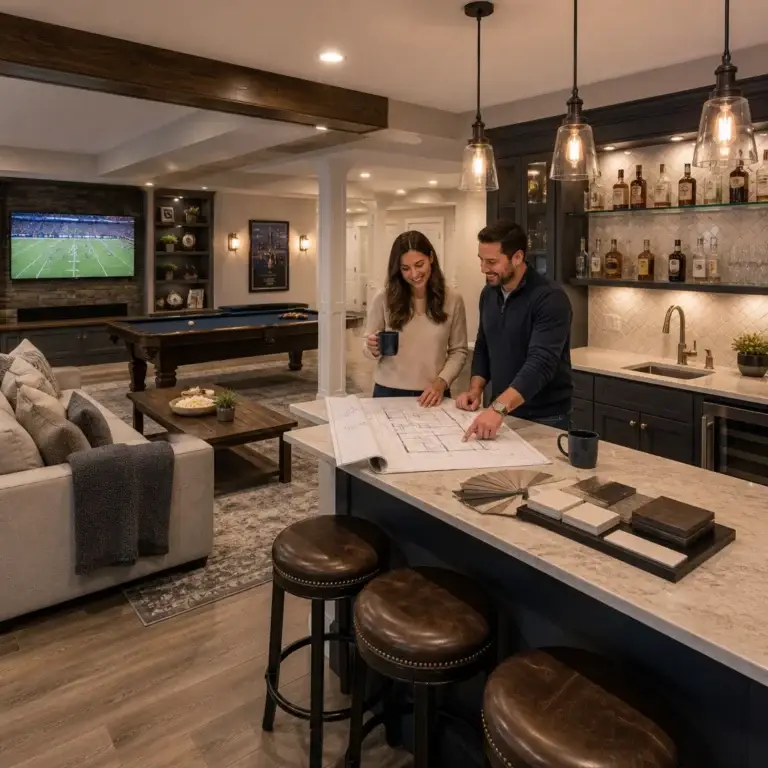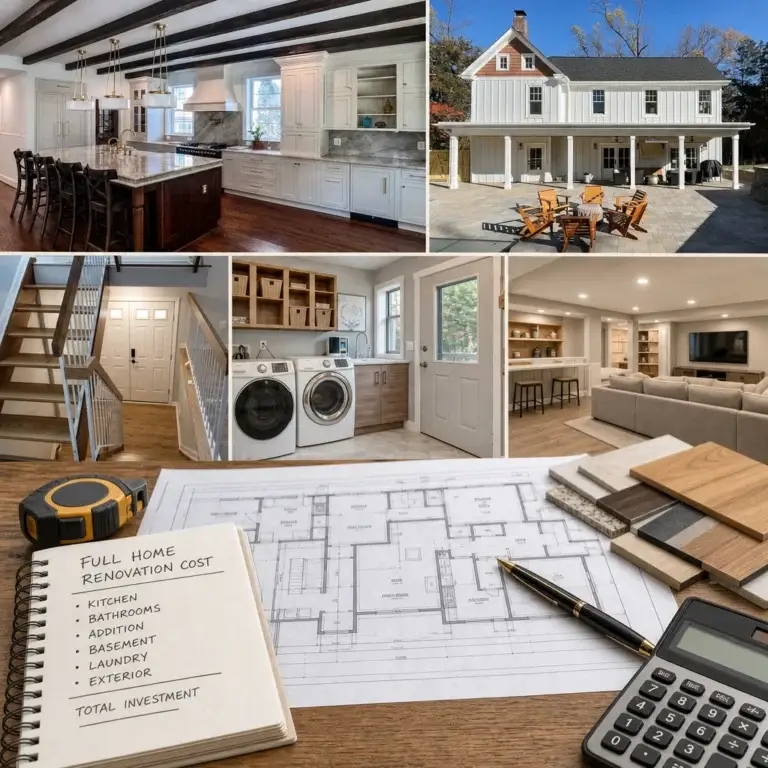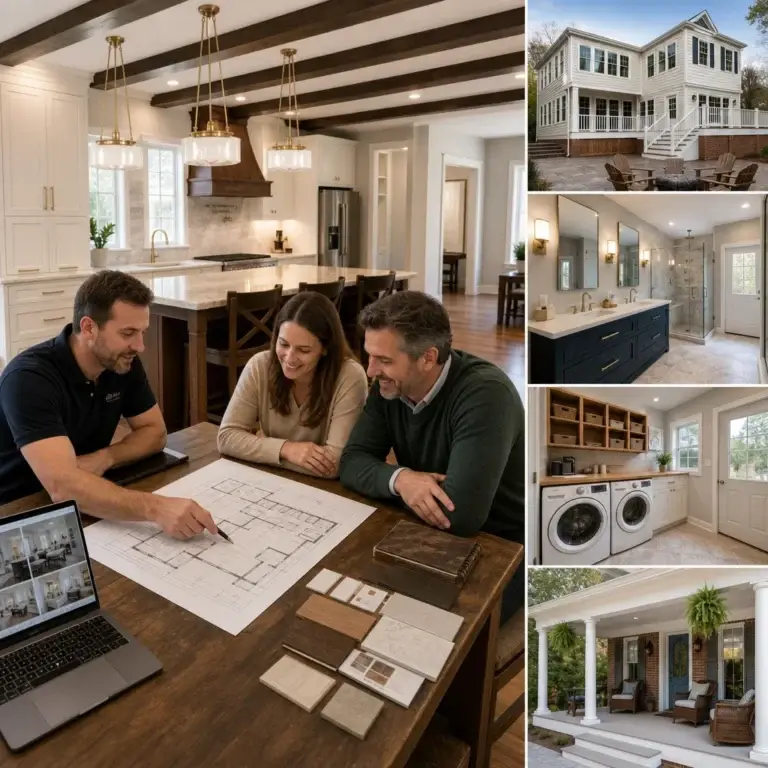
What if your dream renovation turned into a financial nightmare? Many homeowners in Northern Virginia find themselves grappling with unexpected costs and delays, leaving them feeling overwhelmed and anxious. Understanding the home renovation budget mistakes to avoid is crucial for a smooth remodeling experience. You’re not alone if you’ve ever worried about projects taking twice as long and costing twice as much. In this article, we’ll help you navigate the financial complexities of high-end remodeling in Northern Virginia. You’ll learn how to sidestep the costly pitfalls that derail most projects, ensuring you achieve a predictable, high-end renovation experience. From clarifying permitting fees in Fairfax and Arlington to making informed decisions about contractors, we’ll provide you with the insights you need for maximum ROI on your property and how to secure a fixed-price contract that prevents mid-project surprises.
Key Takeaways
-
Understand the unique financial landscape of Northern Virginia to set a realistic home renovation budget for 2026.
-
Avoid underestimating "invisible" costs like plumbing and electrical work—these can significantly impact your overall budget.
-
Learn the top home renovation budget mistakes to avoid, including the critical need for a 20% contingency fund for unforeseen expenses.
-
Navigate local permitting requirements and compliance costs to keep your project on track and within budget.
-
Utilize a comprehensive Design-Build budgeting checklist to ensure all aspects of your project are covered and clearly defined.
Table of Contents
-
The Top 5 Financial Home Renovation Budget Mistakes to Avoid
-
Navigating Local Logistics: Alexandria, Fairfax, and Arlington
-
Elite Contractor Services: Eliminating Remodeling Nightmares
The Reality of Home Renovation Budgets in Northern Virginia
Creating a home renovation budget in Northern Virginia for 2026 requires a detailed understanding of local market conditions and property values. As the region continues to grow, particularly in affluent areas like McLean and Great Falls, homeowners must align their remodeling budgets with the higher investment levels expected in these neighborhoods. Property values in these areas often demand renovations that enhance both aesthetics and functionality, leading many to make common home renovation budget mistakes to avoid.
One critical pitfall is falling into the "Low-Bid Trap." Homeowners often choose the cheapest estimate, thinking they are saving money. However, this approach frequently results in unforeseen costs that can escalate the overall budget. Quality materials and skilled labor come at a premium, and compromising on either can lead to costly repairs or a lack of satisfaction with the final outcome.
Understanding the difference between "cost" and "value" is paramount in high-end remodeling. While the initial costs may seem higher, investing in quality craftsmanship and materials often results in increased property value and improved functionality. This distinction is particularly relevant in Northern Virginia, where renovations can significantly impact a home’s resale potential.
Market Factors Affecting Northern VA in 2026
The construction landscape in Northern Virginia is influenced by several market factors. As of 2026, labor shortages in the Fairfax and Arlington construction sectors have driven up labor costs, making it essential to account for these increases in your budget. Additionally, material lead times have lengthened due to ongoing supply chain issues, which can inflate carrying costs for homeowners. Consequently, planning for a more robust contingency fund is crucial to avoid financial strain during your renovation project.
Identifying Your Remodeling Priorities
To avoid common home renovation budget mistakes to avoid, it’s vital to differentiate between "must-haves" and "nice-to-haves" when planning your remodel. This prioritization helps ensure that your investment yields a strong return on investment (ROI). Aligning your vision with the architectural footprint of your home can also prevent costly alterations down the line. Lastly, consider how your renovation will impact your lifestyle; a thoughtful design can enhance your everyday living experience and justify your financial investment.
The Top 5 Financial Home Renovation Budget Mistakes to Avoid
When planning a home renovation in Northern Virginia, avoiding common home renovation budget mistakes to avoid is crucial for staying on track financially. Here are the top five pitfalls that can derail your budget:
Mistake 1: Underestimating "Invisible" Costs
Home renovations often reveal hidden costs related to plumbing, electrical work, and HVAC systems. For example, an old home may require updates to its wiring to meet current safety standards, which can add thousands to your project unexpectedly. Always conduct a thorough inspection before starting any renovations to identify potential issues that may require additional investment.
Mistake 2: Failing to Build a 20% Contingency Fund
Unexpected expenses are a fact of life in renovations. Homeowners should set aside at least 20% of their total budget as a contingency fund. In a $150,000 renovation project, that means preparing an extra $30,000. This safety net protects against unforeseen circumstances, ensuring your project doesn’t stall due to budget overruns.
Mistake 3: Over-Improving for the Neighborhood
Investing in high-end finishes can be tempting, but it’s essential to consider your neighborhood’s market. If you spend $200,000 on upscale renovations in a community where homes average $400,000, you risk hitting the ROI ceiling. Before making major upgrades, research comparable homes to ensure your renovations align with the local market.
Mistake 4: Choosing Materials Before Defining the Structural Scope
It’s vital to establish the structural needs of your renovation before selecting materials. Premature material choices can lead to incompatibility issues and additional costs. For example, if you choose a heavy countertop without confirming the cabinetry can support it, you may end up needing to replace your cabinets, adding to your budget. While local options vary, specialized services like Cabinet refinishing Denver demonstrate how professional refinishing can achieve a high-end look without the structural complications of a full teardown.
The Danger of Scope Creep
Small changes during a project can snowball into significant expenses. Homeowners often fall into the psychological trap of "while we are at it" decisions, leading to costly alterations. To combat this, lock in a detailed design plan before starting work. A well-defined scope will help keep the project on track and within budget.
Ignoring Long-Term Operating Costs
Opting for cheaper windows or insulation may save money upfront but can lead to higher costs over time. Energy-efficient systems, while potentially more expensive initially, often save homeowners significant amounts on energy bills in the long run. In 2026, investing in energy-efficient upgrades can yield a return on investment (ROI) of over 70% in luxury homes in Northern Virginia.
By recognizing these common home renovation budget mistakes to avoid, you can set a clear financial strategy for your renovation. For expert guidance and a smooth renovation experience, consider partnering with a reliable contractor who understands your unique needs. Explore more at Elite Contractor Services.
Navigating Local Logistics: Alexandria, Fairfax, and Arlington
Understanding the local logistics of home renovation in Northern Virginia is crucial for avoiding common home renovation budget mistakes to avoid. The region encompasses distinct cities like Alexandria, Fairfax, and Arlington, each with unique permitting processes and associated costs. These variations can significantly impact your renovation budget, so it’s essential to navigate them carefully.
Permitting and Regulatory Hurdles
The permitting landscape is far from uniform. For instance, the average timeline for permit approval in Arlington can take up to 30 days, whereas in Falls Church, it might stretch to 45 days or longer. These delays can lead to additional costs, especially if you’re on a tight schedule. Furthermore, hidden costs such as site surveys and soil testing can add $1,000 to $3,000 to your budget, depending on the complexity of the project.
Local zoning laws also play a critical role, especially regarding Accessory Living Units (ALUs). In areas like Fairfax County, specific zoning regulations may require additional fees or even necessitate design modifications, impacting your overall budget.
Working with Northern VA HOAs
Homeowners associations (HOAs) can impose various restrictions that affect renovation projects. For example, communities like Matua or Oakton often have strict guidelines on exterior modifications, requiring homeowners to budget for "matching" materials that comply with community aesthetics. This could mean spending up to 15% more on specific materials than initially planned.
Additionally, work-hour restrictions set by HOAs can extend your labor timelines, impacting the overall duration of your project. This added time could result in increased labor costs, which could be a hidden budget pitfall.
To summarize, understanding the intricate logistics involved in your renovation can help prevent costly missteps. Here are key takeaways:
-
Anticipate varying permit approval timelines between jurisdictions.
-
Factor in hidden costs for surveys and compliance with new building codes.
-
Be aware of HOA restrictions and their potential budget impacts.
By addressing these local factors, you can navigate the renovation process more effectively and avoid common home renovation budget mistakes to avoid, ensuring a smoother journey toward your dream home.
The Design-Build Budgeting Checklist for Homeowners
Creating a successful home renovation budget requires careful planning and strategic decisions. To help you avoid common home renovation budget mistakes to avoid, here’s a detailed checklist designed specifically for homeowners in Northern Virginia.
Step 1: Secure a Detailed Feasibility Study Before Finalizing Financing
Step 2: Verify Contractor Licensing and Insurance Specific to Virginia
Always ensure your contractor is licensed and insured in Virginia. This protects you from potential liabilities and ensures that your contractor adheres to local regulations. You can verify their credentials through the Virginia Department of Professional and Occupational Regulation (DPOR) website.
Step 3: Establish a Fixed-Price Contract to Eliminate "Allowance" Surprises
Fixed-price contracts help you avoid unexpected costs that often arise from allowances. Instead of vague estimates, a fixed price gives you clarity on what you will pay, minimizing the risk of budget overruns.
Step 4: Schedule a Pre-Construction Walkthrough to Identify Site Challenges
Prior to construction, a pre-walkthrough allows you and your contractor to assess the site. This process can uncover hidden challenges such as electrical issues or plumbing complications, which could significantly impact your budget if not addressed upfront.
Step 5: Link Payments to Verifiable Project Milestones, Not Dates
Establish a payment schedule that aligns with project milestones rather than arbitrary dates. This approach ensures that you pay for completed work, protecting your investment and encouraging timely progress from your contractor.
Vetting Your Remodeling Partner
When choosing a remodeling contractor, ask critical questions about budget transparency. A reputable remodeling contractor should provide clear, itemized estimates. Opting for a "Design-Build" firm can also yield more accurate estimates compared to traditional general contractors, as they integrate design and construction, often leading to better project cohesion. Watch for red flags in estimates, such as vague line items or missing permit costs, as these can indicate potential budget pitfalls.
Financing and Cash Flow Management
When considering financing for large-scale projects, compare various home remodel loans. Additionally, structure a draw schedule that protects your investment by ensuring that payments are connected to tangible progress. Implementing a "clean worksite" policy is also essential; it prevents damage costs that can arise from disorganization during the renovation process.
By following this design-build budgeting checklist, you can significantly reduce the risk of encountering costly mistakes. For personalized guidance tailored to your home renovation needs, contact us today.
Elite Contractor Services: Eliminating Remodeling Nightmares
At Elite Contractor Services, we understand that embarking on a home renovation project can sometimes feel like stepping into a remodeling nightmare. Our commitment to transparency, professionalism, and minimal disruption is paramount. Through our comprehensive 3-step Design-Build process, we ensure that your project stays on budget, eliminating common home renovation budget mistakes to avoid before they even arise.
The Elite Partnership Model
We believe in moving from a simple transaction to a collaborative design journey. By partnering closely with our clients, we can tackle potential challenges head-on. Our team is trained to foresee "remodeling nightmare" scenarios and proactively address them, ensuring that your project proceeds as smoothly as possible. Additionally, our established vendor relationships in Northern Virginia allow us to secure quality materials and services at competitive prices, further protecting your budget.
Case Study: Vienna Whole-House Remodel
Consider a recent whole-house remodel we completed in Vienna. The project was delivered on time and on budget, showcasing our efficiency and attention to detail. Clients were thrilled to see their vision realized without the stress typically associated with renovation projects. This success story is a testament to the effectiveness of our Design-Build process and our dedication to client satisfaction.
Start Your Stress-Free Transformation
What can you expect during your free initial consultation? You will have the opportunity to discuss your vision, preferences, and budget. We’ll provide a detailed scope of work that outlines every aspect of your project, giving you total peace of mind. With our clear contract and comprehensive project management, we guarantee that your renovation will be executed flawlessly.
Ready to take the first step toward your dream home? Schedule your Northern Virginia design-build consultation today!
Avoid Budget Pitfalls and Transform Your Home
Home renovations can be exhilarating but fraught with challenges, especially in Northern Virginia. Avoiding home renovation budget mistakes is crucial to ensure your project stays on track and within financial limits. Key takeaways include understanding the unique local market dynamics and sticking to a well-structured budgeting checklist. Engaging with licensed and insured professionals can significantly reduce the risk of unexpected costs and stress.
Ready to embark on your dream renovation with confidence? Book your free remodeling estimate in Northern Virginia now and let our award-winning team guide you through a seamless experience. With our commitment to delivering exceptional results on time and on budget, your vision is just a step away. Together, we can make your renovation dreams a reality!
Frequently Asked Questions
What is the most common home renovation budget mistake in Northern Virginia?
The most common home renovation budget mistake in Northern Virginia is underestimating the total costs involved. Many homeowners fail to account for additional expenses like permits, unexpected repairs, and design changes. In fact, a survey by HomeAdvisor revealed that 56% of homeowners overspend their renovation budgets due to these unforeseen factors.
How much should I set aside for a contingency fund in 2026?
In 2026, it’s advisable to set aside 10% to 20% of your total renovation budget as a contingency fund. This allows you to manage unexpected costs that may arise during the project, such as structural issues or material price increases. For a $50,000 renovation, a contingency of $5,000 to $10,000 can provide peace of mind and ensure your project stays on track.
Does a Design-Build firm cost more than a traditional contractor?
A Design-Build firm may have higher upfront costs compared to a traditional contractor, but it can save you money in the long run. These firms streamline the process by managing design and construction under one roof, reducing delays and miscommunications. According to Remodeling Magazine, projects run by Design-Build firms can see a cost savings of 10% to 15% due to their integrated approach.
How do I know if my renovation budget is realistic for my neighborhood?
To determine if your renovation budget is realistic, research recent home sales and remodeling costs in your neighborhood. Websites like Zillow or Redfin provide valuable insights into property values. Additionally, consulting local real estate agents can offer a clearer picture of what similar renovations cost in your area, helping you align your budget with local market conditions.
Are permit fees included in a contractor’s initial estimate?
Typically, permit fees are not included in a contractor’s initial estimate. Contractors may provide a separate line item for permits or expect homeowners to cover these costs directly. It’s crucial to clarify this with your contractor upfront, as permit fees can vary significantly based on the scope of the project and local regulations.
How can I avoid scope creep during a kitchen or basement remodel?
To avoid scope creep during your remodel, establish a clear and detailed project plan before starting. Include all desired elements in your initial agreement with the contractor. Regular check-ins and open communication about any changes will help keep the project on track. Document any additional requests and understand their impact on the budget and timeline to maintain control over the project.
What happens if we find structural issues during the demolition phase?
If structural issues are discovered during demolition, your contractor should halt work and assess the situation. Depending on the severity, this may require additional inspections and permits, which could impact your timeline and budget. It’s essential to have a contingency plan in place, as unforeseen structural repairs can increase costs by 10% to 30% of the original budget.
Is it better to finance a remodel or pay cash in 2026?
Whether to finance a remodel or pay cash in 2026 depends on your financial situation. Paying cash avoids interest and fees, giving you full ownership of the project. However, financing can allow for larger renovations without depleting your savings. Consider interest rates, potential tax benefits, and your ability to manage monthly payments when making your decision.