Table of Contents
- Why Homeowners Are Investing in Basement Media Suites
- The Design-Build Advantage for Your Media Suite Project
- Essential Features of a High-End Basement Media Room
- Acoustic Planning and Sound System Integration
- Lighting Design for the Perfect Viewing Environment
- Technology Infrastructure and Smart Home Integration
- Comfortable Seating and Luxury Finishes
- Climate Control for Year-Round Entertainment
- Maximizing Space with Multi-Use Design
- Navigating Permits and Building Codes in Fairfax County
- From Concept to Completion: Our Project Process
- Transform Your Basement Into Your Family's Favorite Gathering Space
- Frequently Asked Questions (FAQ)
Why Homeowners Are Investing in Basement Media Suites
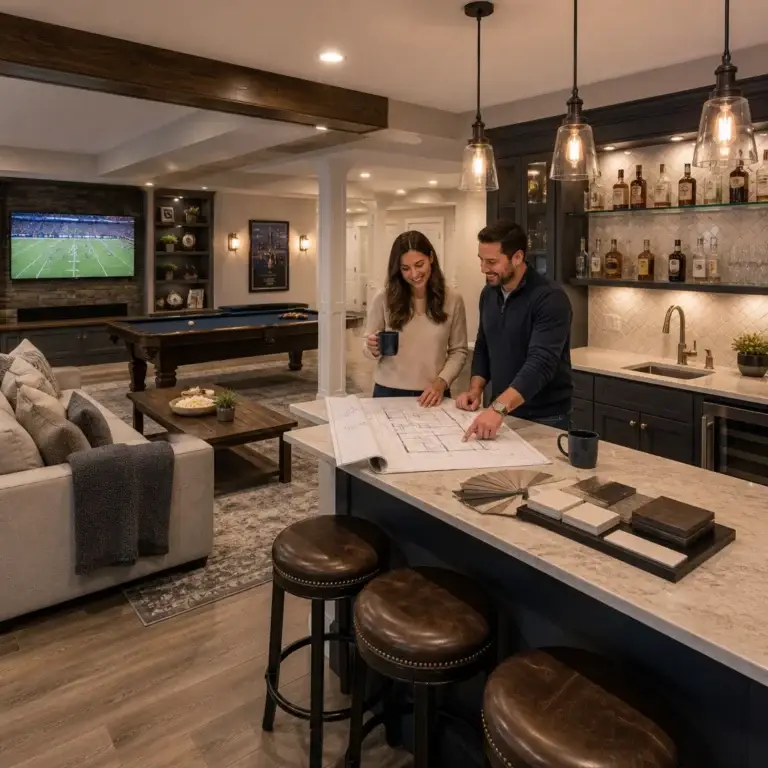
Northern Virginia families are increasingly discovering that a well-designed basement media suite transforms how they spend time at home. Instead of relying on standard living room setups, homeowners are creating dedicated entertainment spaces that serve multiple purposes: family movie nights, game tournaments with friends, workout sessions, or simply a quiet retreat from the everyday hustle.
The shift reflects changing priorities. Remote work has made home comfort a real investment. Rising entertainment costs have made in-home theater options more appealing than frequent outings. And as families evolve, the need for flexible, functional living space has become essential. A luxury basement media suite checks all these boxes while adding genuine value to your home.
What makes this investment particularly smart in Fairfax County is that basements offer untapped square footage. Most homes have them, but many sit underutilized. By converting that space into a premium media environment, you’re not just gaining comfort and entertainment options. You’re also increasing your home’s appeal to future buyers and improving your quality of life right now.
The best media suites blend thoughtful design with reliable engineering. It’s not simply about mounting a large screen and calling it done. Successful projects consider lighting, sound quality, climate control, seating ergonomics, and how technology integrates into everyday use. When these elements work together, the result feels less like a basement afterthought and more like a professional-grade entertainment destination.
The Design-Build Advantage for Your Media Suite Project
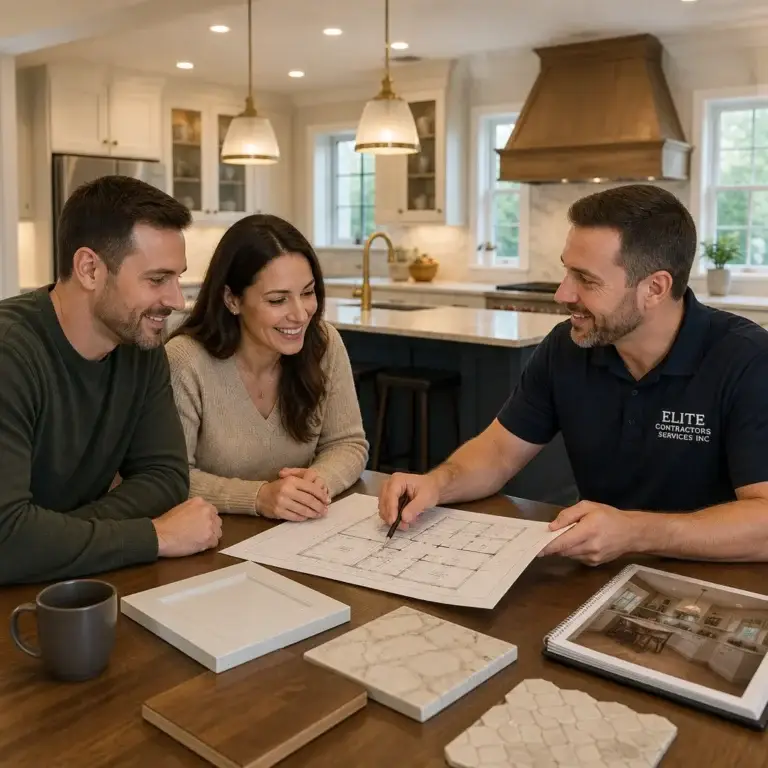
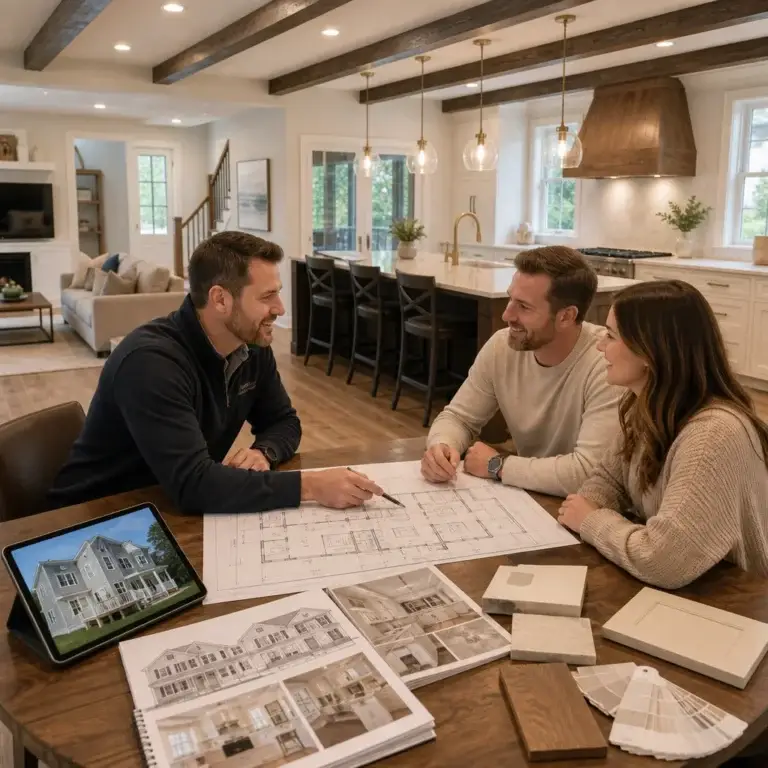
We approach media suite projects differently than traditional general contractors. Our design-build method means your architect, designer, and construction team work as one integrated group from day one. This eliminates the typical back-and-forth between separate contractors and ensures that what gets drawn actually gets built to your vision and budget.
When you start with a design-build partner, you avoid costly surprises. We assess your basement structure, identify electrical and HVAC routing, check ceiling height clearances, and understand your actual budget before drawing begins. We then design around those realities rather than creating plans that need expensive redesigns once construction starts.
For a media suite specifically, this integrated approach is invaluable. Technology placement, electrical panel loads, and ventilation routing all need to align before framing begins. If your designer doesn’t understand how sound isolation materials affect ceiling height, or how equipment racks need access for maintenance, the final space can feel cramped or poorly functional. Our team thinks through these details from the start.
Your timeline also benefits. Because design and construction overlap rather than happen sequentially, we can often begin foundational work while finalizing fixture selections. This keeps projects moving without cutting corners on decision-making.
Essential Features of a High-End Basement Media Room
The defining features of a luxury media suite extend beyond the obvious. Yes, you need a quality screen and sound system. But the real difference between good and great comes down to thoughtful details that affect how the space feels and functions daily.
Start with display technology. A high-quality projector with a motorized pull-down screen often delivers a more immersive experience than a fixed flat panel, especially in smaller basements where a large screen would dominate. Alternatively, a premium television with local dimming capability and 4K resolution offers superior picture quality and flexibility if the room occasionally serves other purposes.
Seating deserves serious consideration. Theater-style recliners with motorized adjustment, heating, cooling, and cup holders represent one approach. But some families prefer a sectional sofa that invites conversation, or a mix of both. The key is choosing pieces that fit your actual viewing habits. Will you watch movies for three hours at a time, or do shorter entertainment sessions suit your lifestyle better?
Sound systems should never feel like an afterthought. A basic soundbar won’t deliver the immersive audio quality that makes movies and games genuinely exciting. Instead, consider a proper surround system with dedicated subwoofers, in-wall or in-ceiling speakers, and professional calibration. Quality audio is often the most overlooked element in home theater, yet it makes the biggest difference in how engaging content becomes.
Lighting control matters more than many homeowners expect. Blackout capabilities are essential for daytime viewing, but you also need subtle ambient lighting for safety and comfort when the room is in use. Controllable, dimmable sconces or LED strips that respond to your preferences elevate the experience significantly.
Storage and equipment housing keep the room looking polished. Whether you choose a sleek AV cabinet, built-in shelving, or wall-mounted racks, everything should have a designated spot. This prevents cables from becoming visible clutter and makes maintenance straightforward.
Acoustic Planning and Sound System Integration
Sound quality separates a media room from a premium entertainment destination. Poor acoustics frustrate users, muddy dialogue clarity, and prevent the immersive impact that makes movies memorable. Fortunately, thoughtful acoustic design isn’t as complex as it sounds.
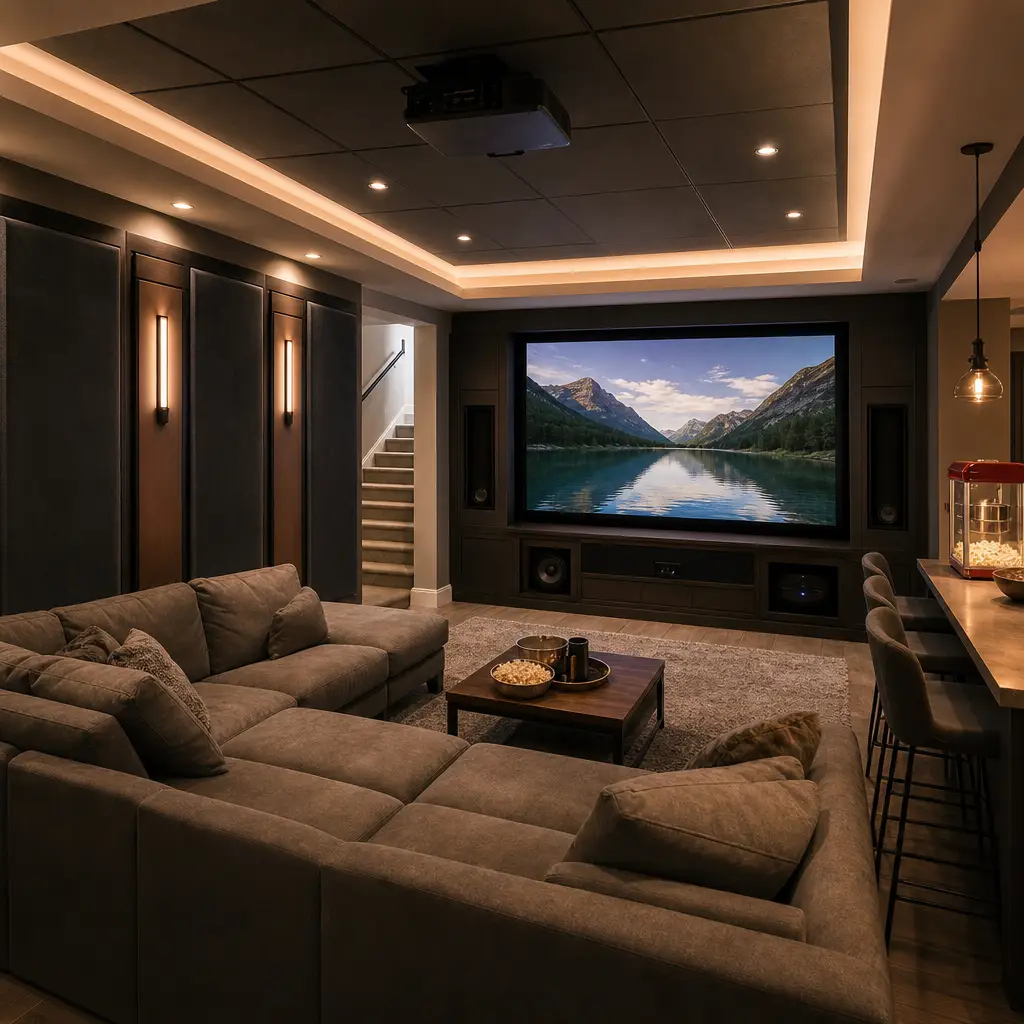
The fundamentals start with isolation. Sound waves easily transfer through walls, floors, and ceilings. If your media suite sits below a bedroom, family members upstairs will feel bass vibration without proper decoupling. We build soundproofing into the structure using resilient channels, acoustic insulation, and strategic material choices that prevent sound transmission while staying within reasonable budgets.
Inside the room itself, acoustic treatments prevent sound from bouncing chaotically off hard surfaces. Bare drywall, concrete, and tile create echo and muddiness. Strategic use of acoustic panels, bass traps, and sound-absorbing materials on walls and ceilings clean up the acoustic environment. You don’t need every surface covered in foam. Targeted treatments in the right places deliver results without making your space look industrial.
Speaker placement deserves professional attention. The ideal surround configuration depends on your seating layout, room shape, and ceiling height. Front left, center, and right channels should create a cohesive soundscape across the viewing area. Surround speakers positioned at ear level enhance immersion without overwhelming dialogue. A subwoofer (or two, in larger rooms) handles low frequencies and should be tuned for your specific space, not just placed in a corner and cranked up.
Professional calibration makes an enormous difference. A skilled technician uses test equipment to balance speaker levels, adjust crossover frequencies, and fine-tune timing so sounds reach your ears in perfect synchronization. This transforms a collection of speakers into a coordinated system that delivers cinema-quality audio in your home.
Lighting Design for the Perfect Viewing Environment
Lighting design shapes how a media room feels and functions. Poor lighting undermines even the best display technology and creates eye strain during extended viewing. Thoughtful lighting design ensures comfort and flexibility.
Blackout capability ranks as essential. Whether you use motorized roller shades, track-mounted blackout panels, or installed systems, complete light control lets you achieve cinema-darkness during daytime viewing. This is particularly important for projector-based systems, where ambient light competes with the image.
Once the room darkens, subtle ambient lighting prevents the harsh, disorienting effect of pitch blackness. Recessed LED strips along baseboards, cove lighting above wall sconces, or subtle floor lights provide enough visibility for safe movement and comfort. These should be dimmable and ideally on a separate control from your display system, so you can create your preferred atmosphere.
Consider theatrical lighting above the screen or behind seating if your room will host live presentations or gaming. Accent lighting adds visual interest and makes the space feel curated rather than dark and cave-like.
Control simplicity matters as much as design itself. Wall switches that require five steps to dim correctly get ignored. Instead, integrated smart controls, motorized shades, and coordinated lighting scenes let you transform the room’s mood with a single button tap or voice command. This makes using the space intuitive rather than frustrating.
Technology Infrastructure and Smart Home Integration
Modern media suites depend on solid technical foundations. Wiring decisions made during construction determine flexibility and performance for years to come.
Start with dedicated electrical circuits. Media equipment runs continuously in some setups, drawing sustained power draws. Standard home circuits shared with outlets elsewhere in the basement create voltage drops and potential noise. We size circuits specifically for AV loads and isolate them from high-current appliances like HVAC or water heaters that can introduce electrical interference.
Structured cabling for network and audio distribution keeps your system flexible. Cat6 or fiber runs allow for wireless network throughout the basement, wireless speaker distribution, and future upgrades without new wiring. This infrastructure costs little to install during construction but proves invaluable for reliability and ease of use.
HDMI and speaker cable runs should be planned before walls close. Running these after framing is complete creates visible surface clutter or requires expensive rework. We identify your equipment locations, planned seating, and display placement before construction, then route everything discreetly through walls and ceilings.
Smart home integration transforms how the room functions. Rather than managing multiple remotes and separate apps, unified controls let you dim lights, adjust temperature, close shades, and start your entertainment system from one interface. Voice control adds convenience, letting you manage the room hands-free. Integration with your home’s broader smart system means your media suite works in concert with security, temperature management, and lighting throughout the house.
Network reliability deserves attention. A WiFi dead zone in your entertainment space defeats wireless streaming and creates frustration. We assess signal strength during planning and ensure robust coverage through placement, access point selection, or mesh network design. Strong connectivity keeps your entertainment seamless.
Comfortable Seating and Luxury Finishes
Your seating choice ultimately defines how often the room gets used. Uncomfortable seating means the space sits empty, regardless of how impressive the technology. The right seating should invite you to settle in and stay awhile.
Motorized recliners offer theater-style comfort with conveniences like heating, cooling, and powered footrests. High-quality models from reputable manufacturers provide reliable operation and genuine comfort. However, they work best in rooms designed around their dimensions. Plan spacing and sightlines carefully to ensure everyone sees the screen without neck strain.
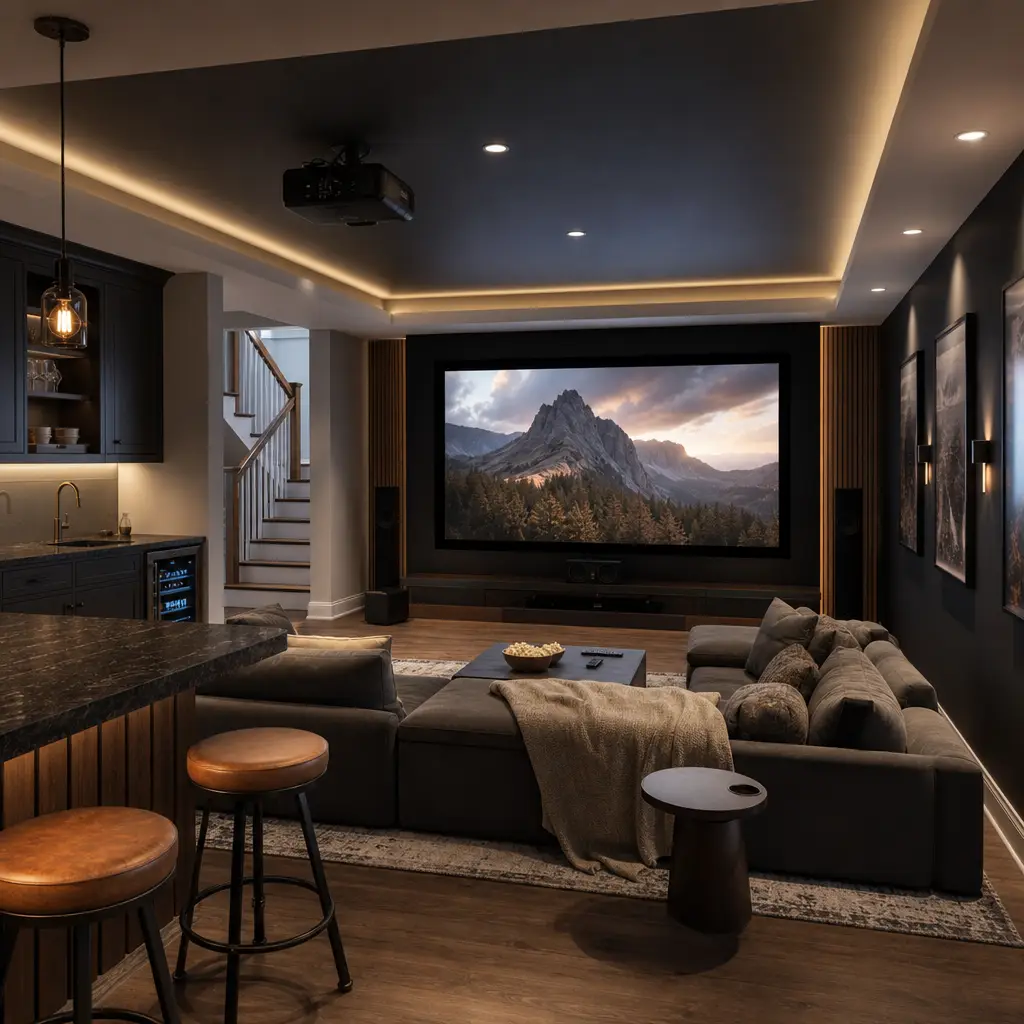
Sectional sofas create a more social atmosphere and feel less specialized than dedicated theater seating. A quality sectional with deep seats, supportive back cushioning, and room to curl up appeals to families who use the space for conversations and relaxation alongside media viewing. A sectional also allows flexibility in how many people the room accommodates without feeling cramped.
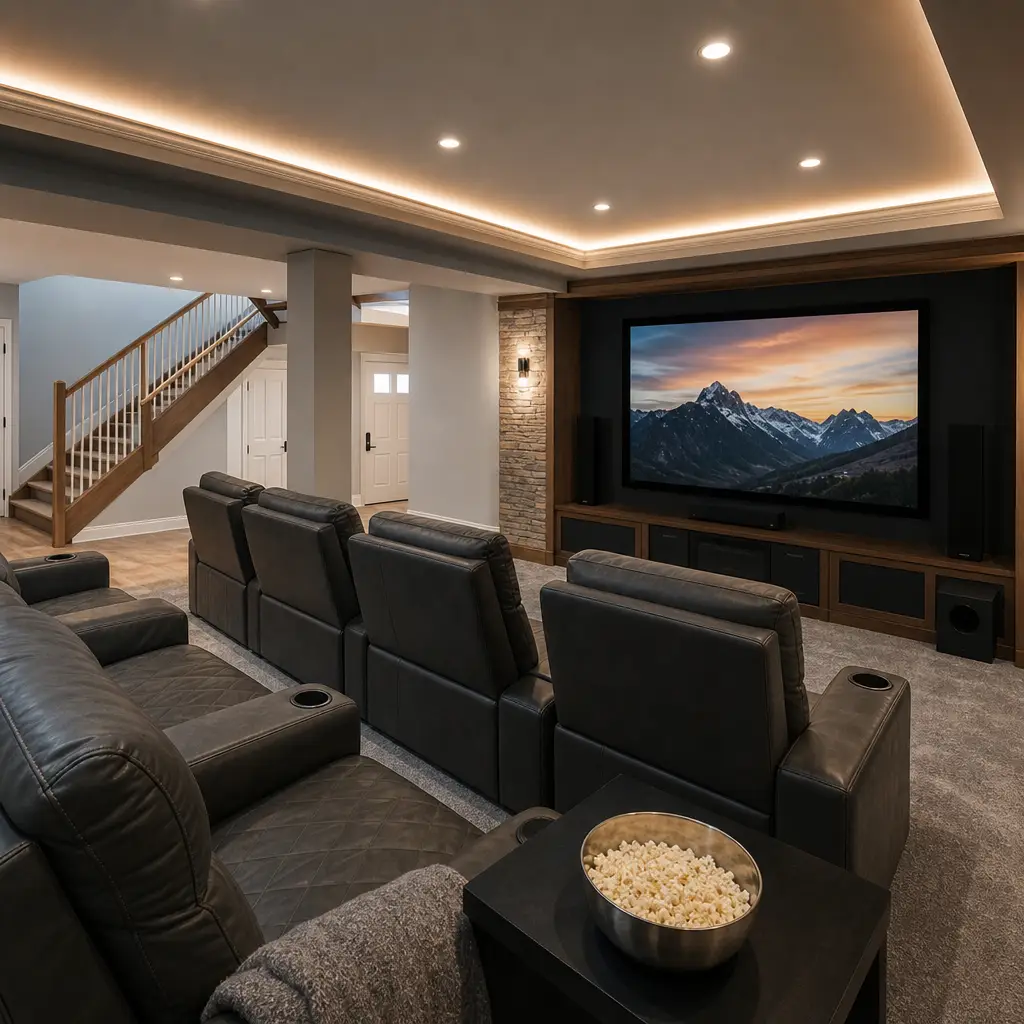
Some households prefer a mix: plush sectional seating with an additional recliner or two in a secondary row. This accommodates different preferences and group sizes without requiring everyone to adopt theater-style posture.
Finishes should feel intentional and cohesive. Flooring options range from plush carpet that absorbs sound and feels luxurious underfoot, to engineered wood with area rugs that offer acoustic benefits with easier maintenance. Wall treatments might include shiplap, sheetrock with fabric-wrapped panels, or paint finishes that reduce sound reflection while looking polished.
Accent lighting, wall art, and decorative elements prevent the room from feeling bunker-like. A well-appointed media suite should feel like a room you want to spend time in, not a technical installation.
Climate Control for Year-Round Entertainment
Basements present unique climate challenges. They stay cool naturally, which sounds pleasant until you’re sitting comfortably and discover the room has become chilly. Additionally, basements tend toward moisture issues, which can damage equipment and create uncomfortable humidity levels.
Dedicated HVAC for the media suite gives you control over temperature independent of your home’s main system. A mini-split system or extended ductwork from your furnace allows you to heat and cool the space to your preferred comfort level without affecting the rest of the basement or upper floors. You’re not relying on an overhead ceiling vent that blows directly on viewers.
Humidity management prevents long-term damage to electronics and ensures comfort. Basements naturally retain moisture, and electronic equipment generates heat during operation. A dehumidifier or integrated HVAC dehumidification control keeps humidity levels between 30 and 50 percent. This protects your investment while maintaining the dry, comfortable feel that makes extended viewing sessions pleasant.
Ventilation matters if you’ll use the space during warm months or with multiple people. A quiet, efficient exhaust system can pull humid air out without creating noise that interferes with audio or causing visible temperature swings.
Equipment cooling deserves attention if you’re installing AV receivers, processors, or other heat-generating hardware in a cabinet. Fans, ventilation paths, and heat-dissipation design keep equipment operating reliably. Overheated electronics fail prematurely, so proper climate design extends the life of your investment.
Maximizing Space with Multi-Use Design
Not every basement can dedicate itself exclusively to media viewing. Many families need flexibility for different activities. Thoughtful design accommodates multiple uses without compromising the quality of any single purpose.
Modular seating offers flexibility. Rather than building in fixed theater seating, using movable pieces allows quick reconfiguration for movie nights, fitness classes, gaming tournaments, or casual hanging out. Quality sectionals and comfortable portable seating achieve this elegantly.
Folding or pocket doors can partition the media suite from adjacent spaces, creating privacy and acoustic isolation when needed while maintaining openness when the space serves other functions. Motorized room dividers add sophistication and ease of use.
Storage solutions keep the space functional for multiple purposes. When workout equipment, board games, and children’s toys have designated homes, the room transitions smoothly between uses without becoming cluttered.
Ambient lighting separate from theater lighting makes the space usable for purposes beyond movie viewing. The same room that delivers cinema darkness for films can become a bright, welcoming gathering space with shades open and all lights on.
Acoustically designed spaces with proper sound isolation don’t require the room to be exclusively for media. Conversation doesn’t echo, equipment doesn’t create noise pollution upstairs, and nobody feels confined. This flexibility increases how often the space gets used throughout your week.
Navigating Permits and Building Codes in Fairfax County
Basement construction in Fairfax County requires navigating specific building codes. These regulations exist to protect safety, and understanding them prevents costly rework or project delays.
Egress requirements are particularly important for finished basement spaces. Fairfax County code specifies that habitable rooms need emergency exits. Typically, this means a bedroom-sized or larger space needs a minimum-sized window well or door providing escape route. Your media suite must comply with these requirements if it functions as an occasional sleeping or work space. We address egress during the design phase so it integrates seamlessly rather than becoming an afterthought.
HVAC design must meet ventilation standards. Your system can’t simply recirculate air without adequate fresh air exchange. This is especially important for basements where air quality naturally challenges. Our mechanical design ensures adequate ventilation while maintaining energy efficiency.
Electrical work requires permits and inspections. Your dedicated circuits, GFI outlets near water sources, and all permanent wiring must meet current code. This ensures safety and prevents problems when you eventually sell. Permitted electrical work also maintains your home’s insurability.
Egress lighting and emergency systems might apply depending on how your space functions. A media suite used occasionally for entertainment has different requirements than a bedroom or family room used daily. We clarify these distinctions with local building officials during the permitting process.
We handle all permitting and inspections as part of our comprehensive service. This prevents confusion, ensures code compliance, and keeps your project moving on schedule. Hidden costs and surprise violations become non-issues when proper planning happens upfront.
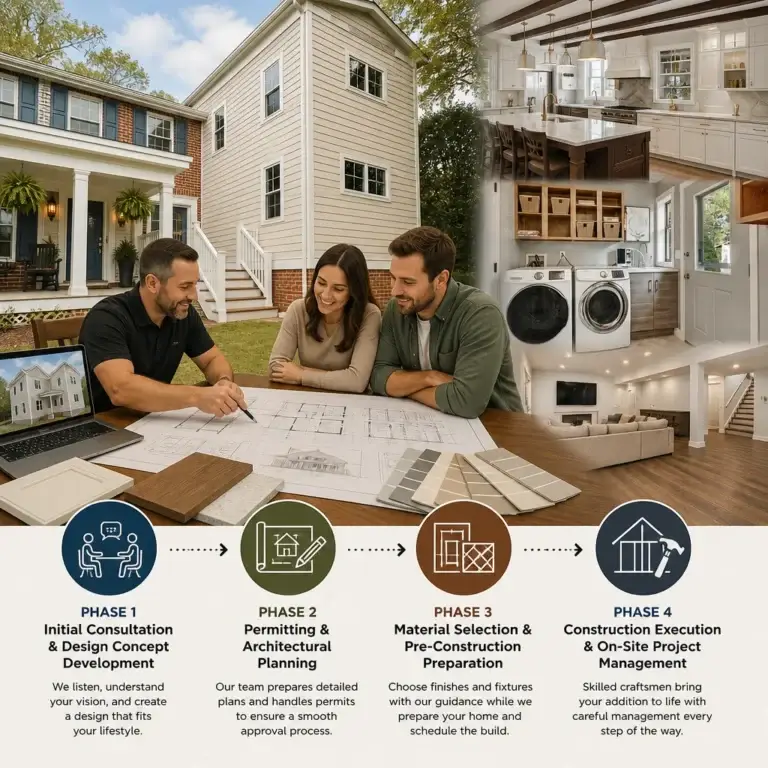
From Concept to Completion: Our Project Process
Our design-build process creates transparency and control throughout your media suite project. Understanding how we work helps you feel confident in the partnership.
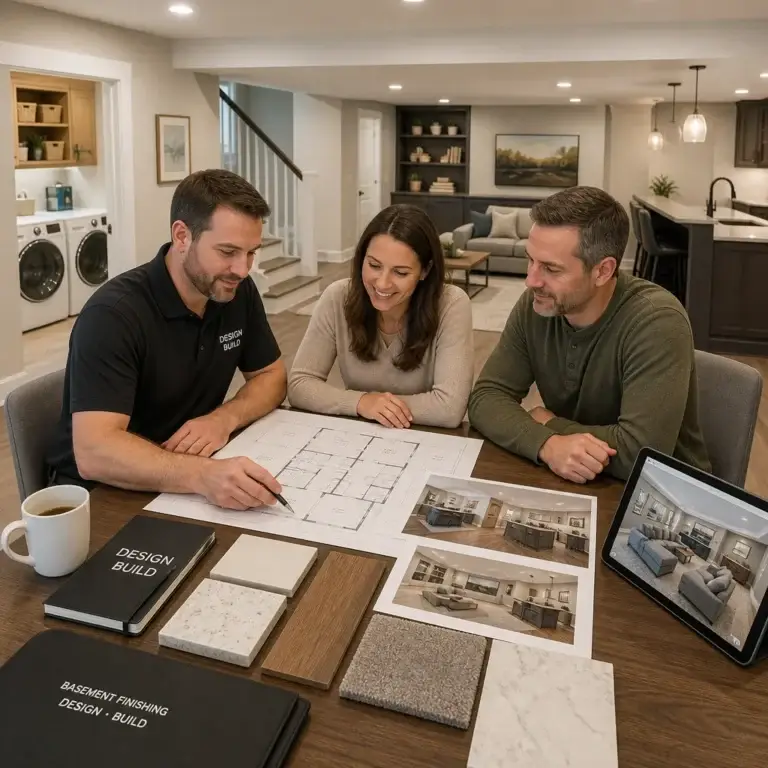
The process begins with discovery. We listen carefully to how you envision using the space, your budget, timeline, and technical preferences. We tour your basement, assess conditions, and discuss constraints like ceiling height, existing utilities, and structural elements. This foundation ensures everything that follows aligns with your needs.
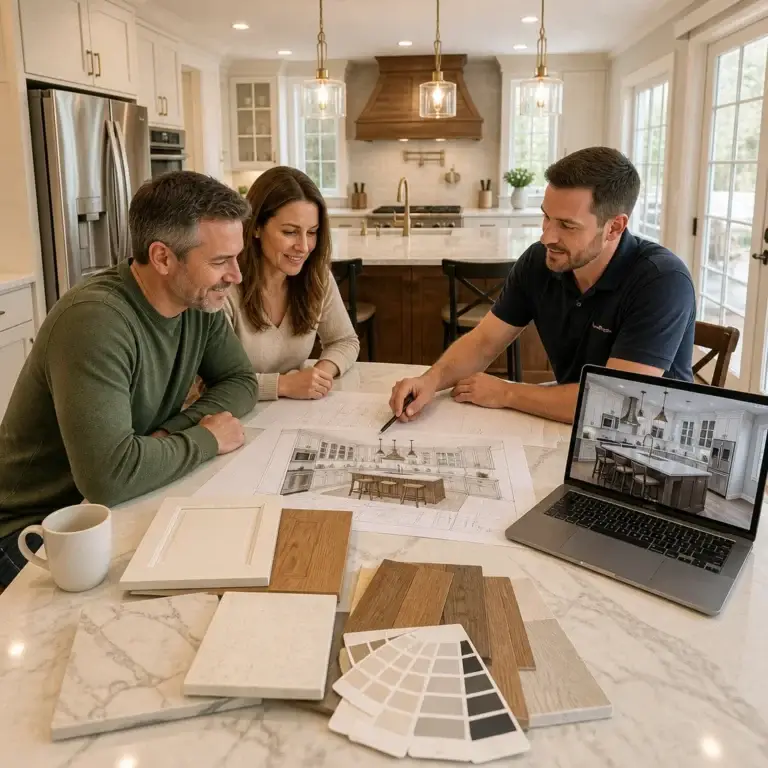
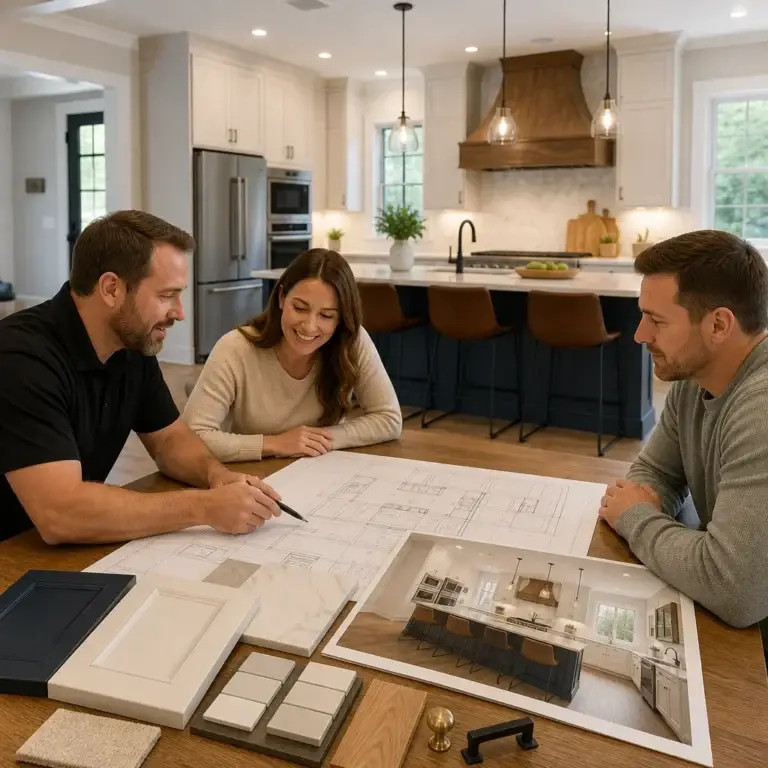
Design development follows. Our designer creates detailed plans showing layout, finishes, lighting, HVAC routing, electrical placement, and technology infrastructure. We present options, gather feedback, and refine designs until they genuinely reflect your vision. Unlike cookie-cutter approaches, each media suite we design responds to your specific space and preferences.
Detailed contracts and upfront pricing come next. We provide comprehensive specifications for all materials, labor, equipment, and timelines. You know the total investment, what’s included, and what timeline to expect. No surprises emerge mid-project. Our reputation depends on delivering what we promise.
During construction, you receive regular updates. Our project managers maintain clear communication, address questions promptly, and ensure work quality. We manage subcontractors, coordinate inspections, and handle problem-solving so you don’t have to. Your only job is enjoying the transformation.
Technology integration happens carefully. We work with AV professionals to ensure systems are configured correctly, calibrated for optimal performance, and integrated with your home controls. You receive training on operation and support for any adjustments needed after completion.
Throughout the basement finishing process, we maintain timelines and budgets. Quality never means excessive cost or endless delays. We work efficiently while taking pride in craftsmanship.
Transform Your Basement Into Your Family’s Favorite Gathering Space
A luxury basement media suite transforms how your family enjoys home. Movie nights become events rather than background activities. Family gatherings gain a dedicated space that brings everyone together. The value extends beyond entertainment into genuine improvement in daily life and home worth.
The key to successful projects lies in thoughtful planning from the start. Display quality, acoustic design, lighting control, proper climate management, and reliable technology infrastructure seem like separate concerns, but they work together to create something greater than the sum of parts. A well-designed space feels professional, functions intuitively, and invites regular use.
If you’re ready to explore how a premium media suite could enhance your Fairfax County home, we’d welcome the conversation. Contact us for a consultation. We’ll walk through your basement, discuss possibilities, answer questions, and explain how our design-build approach delivers exactly what you envision on schedule and on budget. Your family’s favorite new gathering space might just be one thoughtful renovation away.
Contact us Today For a Free Estimate !
Frequently Asked Questions (FAQ)
What makes our design-build approach different for basement media suite projects?
We handle every phase of your project under one roof, from initial architectural design through final construction and technology installation. This means our team coordinates your acoustic planning, electrical infrastructure, permit applications, and custom finishes all together, eliminating delays that come from managing separate contractors. You work with us from start to finish, giving you clear communication and accountability throughout the entire process.
How do we ensure your basement media suite stays on budget and timeline?
We provide detailed upfront contracts that specify all materials, labor, timelines, and costs before we break ground. Our experience with Fairfax County permits and building codes helps us anticipate potential delays, and we manage the project with dedicated oversight to keep everything moving forward. We’ve built our reputation on delivering projects on time and on budget, and we apply that same discipline to every media suite we build.
What permits and approvals does a luxury basement media suite require in Fairfax County?
Basement finishing projects in Fairfax County require permits for electrical work, HVAC modifications, and structural changes, plus we need to confirm egress requirements if your media suite includes a bedroom. We handle all permit coordination and inspections so you don’t have to navigate the county’s requirements yourself. Our team knows the local codes inside and out and ensures your project passes every inspection the first time.