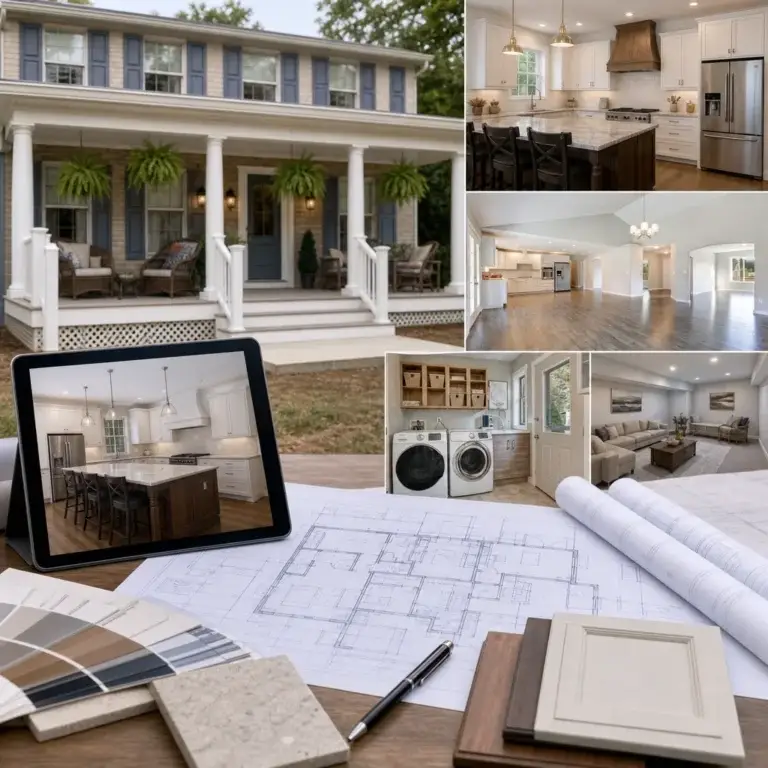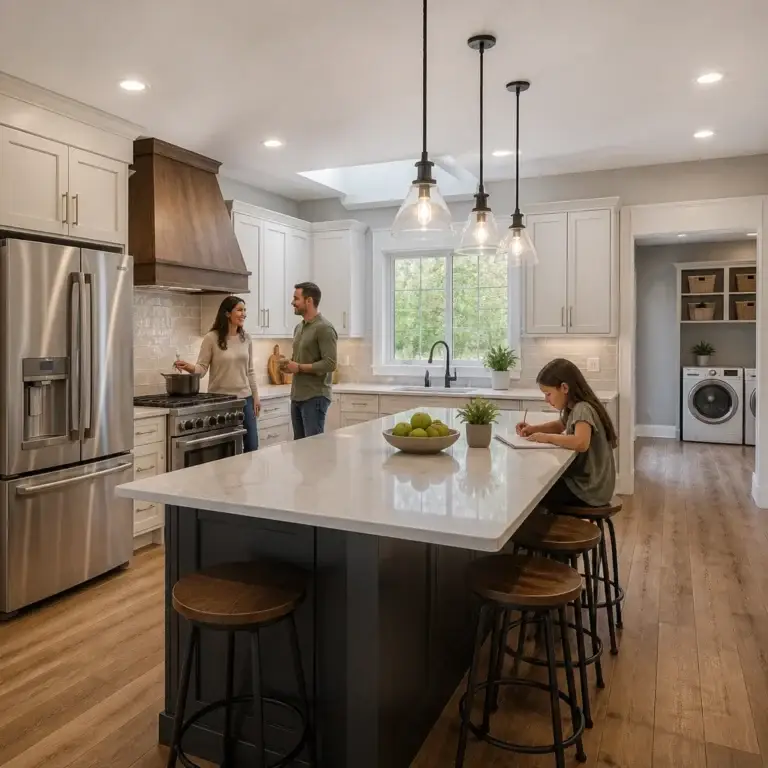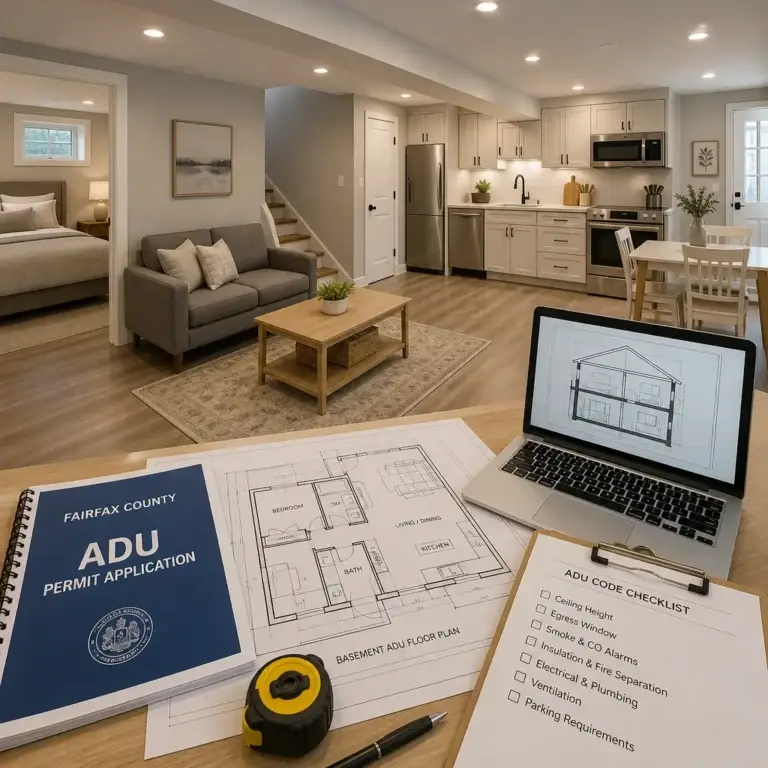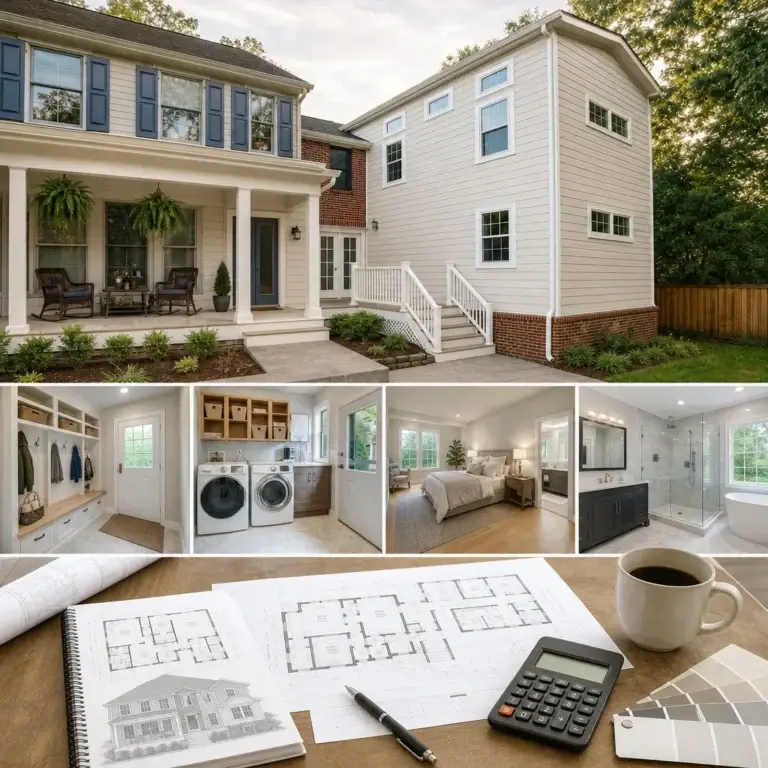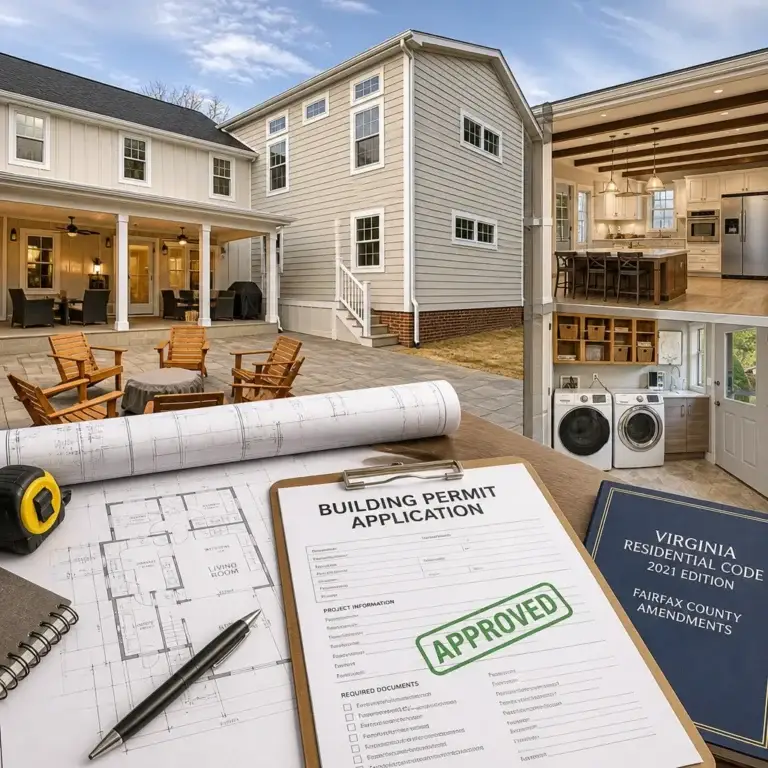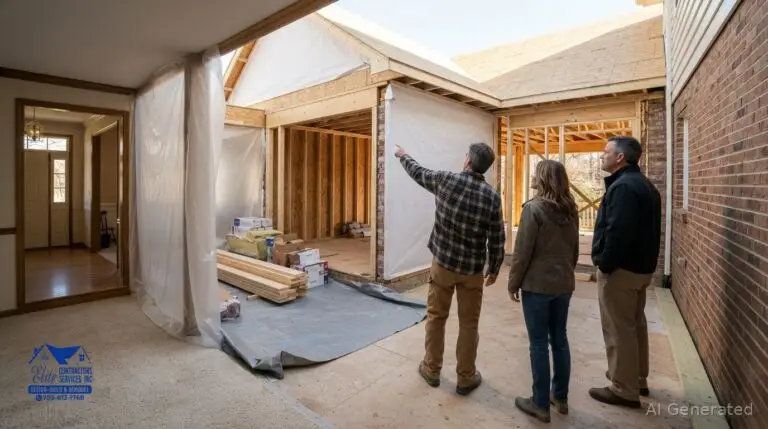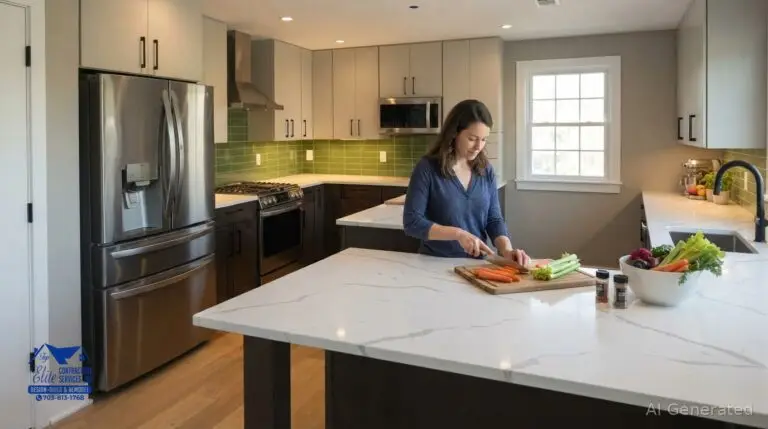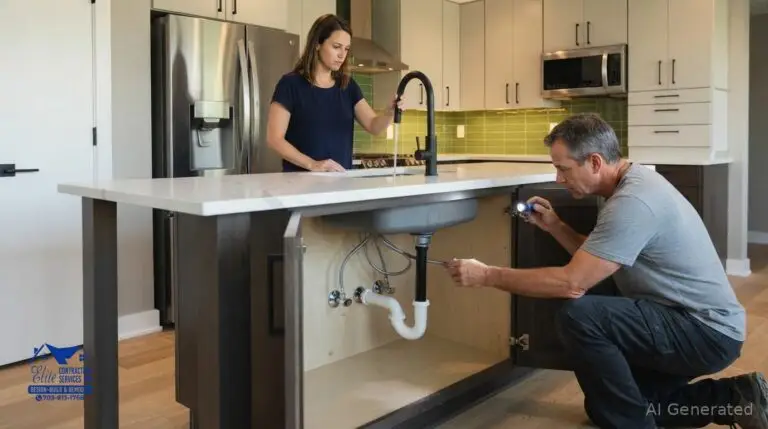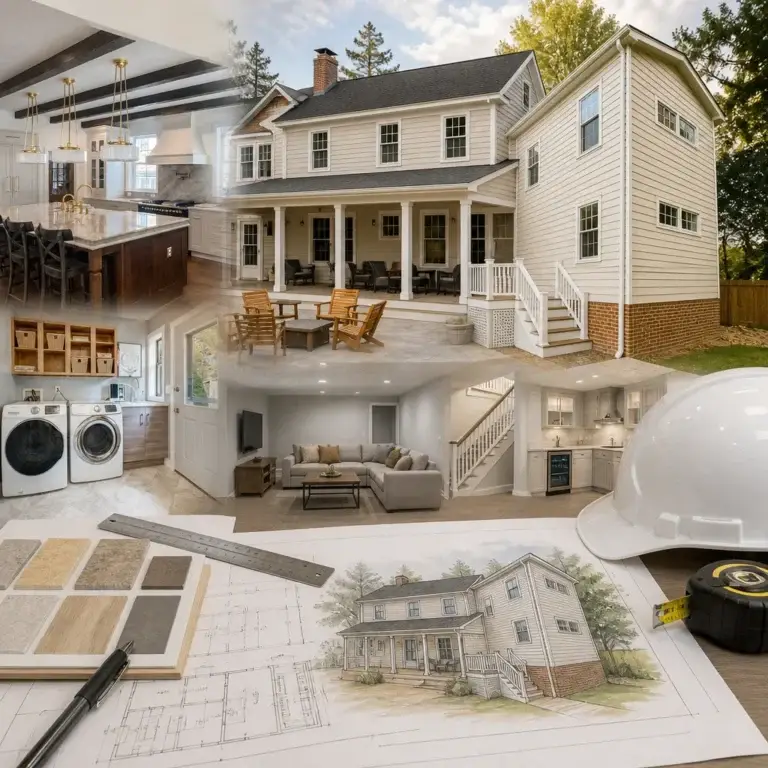
A remodel is easier to plan when both partners help set priorities. Getting buy-in from your spouse on a remodel starts with identifying household needs, weighing everyday benefits against possible resale value, and agreeing on a scope that fits your budget. You don’t have to want every feature equally, but you do need a shared way to decide what happens now and what can wait.
It’s natural to disagree about where the money should go. One partner may want a more functional kitchen, while the other is thinking about construction disruption, cost, or how long you’ll stay in the home. A calm, structured conversation can turn those differences into practical trade-offs rather than recurring tension.
This guide shows you how to align priorities, balance everyday benefits with resale considerations, and set expectations before construction. You’ll also learn how to make decisions together during the project, so the remodel supports your home life without adding unnecessary strain to your relationship.
Key Takeaways
- Separate essential household needs from optional upgrades before deciding what belongs in the remodel.
- Compare each project’s everyday benefits with its potential effect on resale value and your plans for the home.
- Agree on a spending limit, decision-making process, and realistic expectations about construction disruptions.
- Discuss how changing household needs and each partner’s concerns should shape the project priorities.
- Use a calm, specific conversation to understand what’s behind a spouse’s hesitation and identify a workable next step.
Compromising on remodel priorities
Compare savings and borrowing options, and choose debt only if the payments fit your household budget. What is reasonable depends on income, existing obligations, savings goals, project scope, and room for unforeseen expenses.
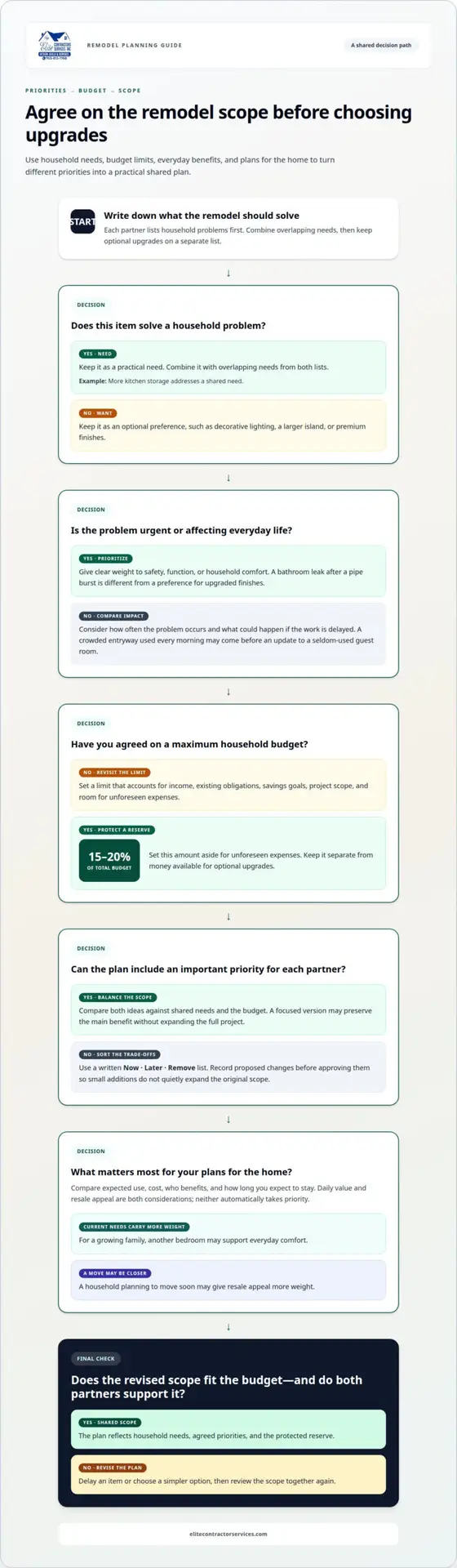
- List needs before upgrades. Each partner can write down the household problems the remodel should solve. A bathroom leak after a pipe burst calls for a different priority than a preference for upgraded finishes. Combine overlapping needs, then separate optional wants, such as decorative lighting or a larger island.
For example, if both partners want more kitchen storage but only one prefers premium finishes, storage addresses a shared need. Keep the finish preference on the wants list rather than letting it displace a practical improvement.
- Rank projects by urgency and impact. Give each item a clear reason for its place on the list: safety, function, household comfort, or appearance. Then consider how often the problem affects daily life and what might happen if the work is delayed. A crowded entryway used every morning may deserve attention before an update to a seldom-used guest room.
This ranking connects spending decisions to real household needs. It also makes trade-offs visible, rather than treating every preferred feature as equally valuable.
- Set a shared budget and protect a reserve. Agree on the maximum amount the household can commit before selecting finishes or adding rooms. Homeowners are advised to set aside 15-20% of the total budget for unforeseen expenses. Keep that reserve outside the amount available for optional upgrades.
Write down which projects fit the planned scope and which depend on funds remaining. This helps prevent a late addition, such as custom storage, from quietly using money set aside for essential work.
- Choose a fair give-and-take. If one partner values a larger kitchen and the other wants a quieter home office, compare both ideas with shared needs and the budget. Agree to include a priority from each partner, then identify what can wait. A more focused version of the project may preserve the main benefit without expanding the full scope.
Use a written “now, later, or remove” list. In renovation planning, scope creep happens when small additions and upgrades expand a project beyond its original plan. Record each proposed change before approving it.
- Weigh daily value against resale aims. Discuss how long you expect to stay and who benefits from each improvement. A growing family may need another bedroom, while a household planning to move soon may give resale appeal more weight. Neither goal automatically takes priority. Compare expected use, cost, and the effect on the rest of the plan.
Review the ranked list together. If the budget cannot cover every project, delay one or choose a simpler option, then make sure both partners support the revised scope.
Couples should set a maximum that fits their income, existing obligations, savings goals, project scope, and capacity for unexpected costs. They should keep 15-20% of the total budget reserved for unforeseen expenses, separate from money for optional upgrades.
Evaluating quality-of-life benefits
- Describe the daily problem, not just the desired feature. For a week, note when a room causes friction and who it affects. Too little kitchen counter space may slow meal preparation every evening. A dated backsplash may bother one partner without changing household routines. These examples help distinguish practical improvements from preferences. The clearest case for improving quality of life links a specific change to a repeated activity, such as cooking, working, sleeping, or helping children get ready.
- Picture an ordinary day after the remodel. Describe how each proposed change might affect a real routine. For example, a more functional kitchen layout might let one partner prepare dinner while another packs lunches without crowding. Consider who uses the room, busy periods, storage, and accessibility. If the benefit is hard to explain in a typical day, clarify the problem the feature would solve before making it a priority.
- Compare personal comfort with shared household value. One partner may want a quiet place to work, while the other wants more room for family meals. Identify who benefits, how often, and whether the improvement supports a shared goal. A kitchen remodeling project, for instance, can be judged by how its layout supports meal preparation and time together, not appearance alone. This gives both partners a concrete basis for discussing value.
- Weigh daily benefits against resale expectations. A remodel can improve daily life without returning its full cost when you sell. Consider how long you expect to stay, whether the change meets a current need, and whether future buyers may value it too. A growing family may prioritize another bedroom for everyday comfort. A household planning to move sooner may put more weight on resale appeal.
- Compare renovating with moving as a household decision. Moving can involve real estate agent fees, closing costs, and moving expenses; renovating may avoid those costs. Compare the disruption of construction with the work of finding and settling into another home. Then discuss what each partner needs to feel the change is worthwhile. If the project fits your budget while preserving other financial priorities, its daily benefits may support staying. Otherwise, consider a smaller scope or delay optional work.
Couples can consider budget, return on investment, family dynamics, quality of life, and how long they expect to stay in the home. Weigh these factors together: daily value matters alongside budget impact and potential return, while household needs and expected time in the home shape how each partner views that value. Discussing the factors openly helps both partners explain what would make the project worthwhile and how it fits with other priorities.
New York first-time homebuyers purchasing a qualifying historic home may receive a tax credit equal to 20% of repair costs through Remodel Historic NY. This possibility can be considered alongside the budget and return on investment, while keeping the household’s quality-of-life goals and expected time in the home in view. It is a consideration for qualifying purchases, not an assumption to apply to every remodel.
Protecting the relationship during construction
Create a shared timeline by listing project phases, household needs, and decision deadlines. Agree on a realistic schedule and allow for possible delays, so a change to one task doesn’t automatically become a personal conflict.
- Agree on how decisions will be made. Before work starts, decide which choices need approval from both partners and who will handle routine questions. For example, you might both approve layout changes while one partner coordinates a delivery window. Record decisions in one shared document, including the choice, date, and any effect on the plan. This can prevent misunderstandings when a busy day leaves one partner unaware of a change.
- Set a firm spending boundary and a change process. Agree on a maximum household budget and discuss proposed additions before approving them. If opening a wall reveals a structural concern, pause to understand how the work could affect scope, schedule, and budget. Distinguish a necessary change from an optional upgrade. Record the revised decision so both partners understand what changed and why.
- Plan where everyone will live and work during disruption. Decide on temporary arrangements before construction begins. If the kitchen will be unavailable, plan where meals will be prepared and which appliances will remain accessible. If a bedroom becomes a work area, agree where belongings will go and how routines will change. Planning for pets, children, work calls, and quiet time can keep everyday inconveniences from becoming recurring arguments.
- Build schedule updates into your routine. Set a regular time to review completed work, upcoming tasks, and decisions that need attention. Use the same agenda each time: what changed, what happens next, and what each partner needs to decide. If a delivery delay affects the kitchen, discuss a practical adjustment together instead of blaming the person who chose a finish. Keep project questions separate from criticism of each other.
- Protect time away from project talk. Choose ordinary moments, such as dinner or bedtime, when remodeling discussions are off limits. Add non-urgent decisions to the shared list for your next check-in, unless safety or active damage requires immediate attention. A concern about a cabinet handle can wait; water entering the home cannot. This boundary keeps construction from taking over every conversation and preserves time for your relationship.
- Pause when a disagreement becomes personal. Name the decision at issue, then return to your agreed priorities and constraints. If one partner wants a finish upgrade and the other is concerned about schedule disruption, compare the specific effects before deciding. When major structural issues arise, first focus on understanding the problem and its implications. A deliberate pause can help both partners respond to the facts rather than escalating frustration.
Accounting for family dynamics
- Map each household member’s needs. Before choosing projects, list who uses each room and what causes friction. A household with children, two adults working from home, and frequent guests may need different solutions from a couple living alone. Note needs separately, then look for overlaps. For example, a quieter room could support both remote work and a child’s homework, making it a shared priority rather than one person’s preference.
- Consider how the household may change. Discuss whether you expect a new child, a relative moving in, or children becoming more independent. A growing family may need another bedroom, while an older child may benefit more from a study area. Compare the likely usefulness of each change with how long you expect to stay in the home.
- Give children a clear, age-appropriate role. Ask younger children what would make a room easier to use, such as reachable storage or a place for toys. Older children can explain how they use shared spaces and where they need privacy. Parents make the final scope decisions, but listening can surface practical details. For instance, a child’s need for a quiet homework spot may affect where a family workspace belongs.
- Include caregiving and accessibility needs. If an older parent visits regularly or lives with you, consider how they move through the home. Identify specific barriers, such as a difficult route between the entrance and bathroom, or a bedroom far from shared spaces. Discuss these needs before settling on finishes. A plan that supports a relative’s independence may also make everyday movement easier for others in the household.
- Account for different standards of privacy and togetherness. One partner may prefer open shared spaces, while another needs a quiet retreat after work. Children may also want separation from noisy family areas. Draw a simple room-use map and mark quiet zones, gathering places, and storage needs. A home addition can create needed separation, but first define the problem the added space should solve.
- Make each person’s priorities visible in the final plan. Review the list together and note whose need each proposed change addresses. If one person’s request does not fit the current scope, discuss whether it can be adapted, delayed, or removed. Built-in storage, for example, may address one partner’s wish for organization and another’s need for clearer floor space. This shared record keeps decisions grounded in household needs.
Couples planning a home remodel can list household needs before deciding which projects to take on. Use that list as a shared starting point, rather than beginning with a preferred project and trying to fit everyone’s needs around it. Focus on what household members need from the home, and connect each possible project to those needs. If a proposed change does not address a listed need, reconsider whether it belongs in the plan. This keeps the discussion centered on household priorities while leaving the final project choices to you both.
How to find out why your spouse opposes a remodel
- Choose a calm time and ask an open question. Avoid bringing up the project during a rushed morning or an argument about chores. Try asking, “What concerns you most about remodeling the kitchen?” Then listen without correcting the answer. Your spouse might mention cost, disruption, or doubts about the need. The first goal is to understand the concern, not secure agreement.
- Separate the stated objection from the underlying worry. “It’s too expensive” may mean fear of debt, uncertainty about the scope, or concern about unexpected costs. Ask which part feels hardest to accept. If your spouse worries about the kitchen being unusable, discuss meal preparation and access to essential items. A specific concern gives you something concrete to address.
- Reflect back what you heard. Summarize your partner’s point in plain language, then ask if you understood correctly. For example: “You’re worried construction will interrupt work calls and make evenings stressful.” This can reveal whether the disagreement is about the project itself or a particular consequence. Don’t move to solutions until your spouse says the summary feels accurate.
- Ask what would make the plan feel more manageable. If the concern is disruption, ask which rooms or routines need to remain available. If the concern is money, ask what financial boundary would feel comfortable. Your spouse might prefer renovating one part of the home and postponing another. Treat each answer as useful information, not an obstacle to overcome.
- Offer choices that address the actual concern. Consider a smaller scope, a later start, or a different way to use the space. For example, if a major kitchen remodel feels overwhelming, discuss whether a more focused project could solve the storage problem. Compare the benefit and trade-off of each option. Avoid presenting only your preferred plan, which can make the conversation feel like a sales pitch.
- Agree on a next step without forcing a final decision. You might both decide to gather project details, revisit the idea after reviewing household finances, or set aside a particular feature. Write down the open question and the agreed next action. If you’re ready to explore a scope that reflects both partners’ concerns, discuss your remodeling plans.
Elite Contractor Services
Elite Contractor Services helps homeowners turn shared remodeling priorities into a defined project. Its Design-Build Services bring planning and construction together for a coordinated remodel, while Whole House Remodeling can address needs across multiple rooms. For a more focused change, Kitchen Remodeling or Home Additions may fit the priorities you and your spouse have agreed on.
Consider reaching out when you’re ready to discuss your goals, intended scope, and concerns about construction. Bringing both partners’ priorities to the conversation helps frame the project around what matters to your household. Contact Elite Contractor Services to discuss your remodeling plans.
Take the Next Step Together
The next conversation doesn’t need to settle every design choice. Start by agreeing on what you both want your home to support, then decide what information would help you move forward with confidence. That shared starting point makes getting buy-in from your spouse on a remodel an ongoing partnership, not a one-time effort to win an argument.
As you move from discussion to planning, keep both partners involved in shaping the project. A clear brief can capture your household’s goals, open questions, and boundaries, giving future decisions a shared reference point. Bring those priorities to a conversation with Elite Contractor Services to explore a direction tailored to your home and needs.
Contact Elite Contractor Services to discuss your remodeling plans. A thoughtful first conversation can help you take the next step as a team.
Frequently Asked Questions
Why Plan Your Renovation as a Team?
Planning together helps prevent mismatched expectations from surfacing after decisions are underway. One partner might assume a remodel will preserve a room’s current purpose, while the other expects a different layout. Agreeing on the intended outcome early gives you a shared reference point. It also makes it easier to explain choices to family members and keep later discussions focused on the same goals.