Table of Contents
- 1. Quartz Countertops: The Industry-Leading Choice for Durability and Low Maintenance
- 2. Engineered Hardwood Flooring: Superior Performance for High-Traffic Kitchens
- 3. Lacquered or Powder-Coated Cabinet Finishes: Premium Protection Against Daily Wear
- 4. Ceramic or Porcelain Tile: Timeless Durability for Backsplashes and Accents
- 5. Stainless Steel Appliances: Professional-Grade Finishes That Withstand Family Life
- 6. Epoxy or Polished Concrete Floors: Modern Durability Meets Contemporary Style
- 7. Natural Stone Sealed Properly: Granite and Marble Alternatives That Last
- Why We Design Kitchens Built to Last: Our Design-Build Approach Ensures Quality at Every Step
- Selecting Finishes That Balance Beauty, Function, and Your Family's Lifestyle
- Frequently Asked Questions (FAQ)
1. Quartz Countertops: The Industry-Leading Choice for Durability and Low Maintenance
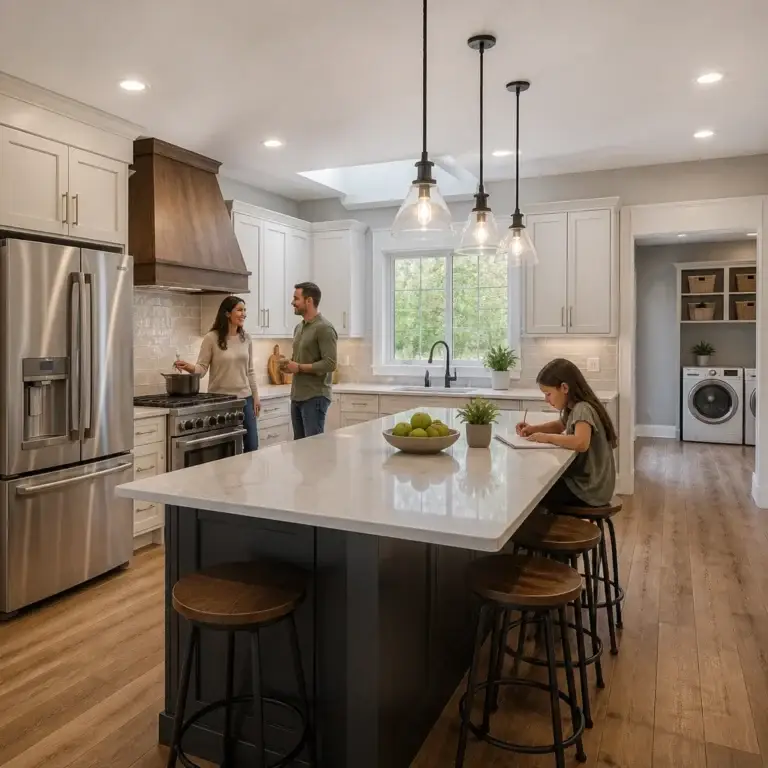
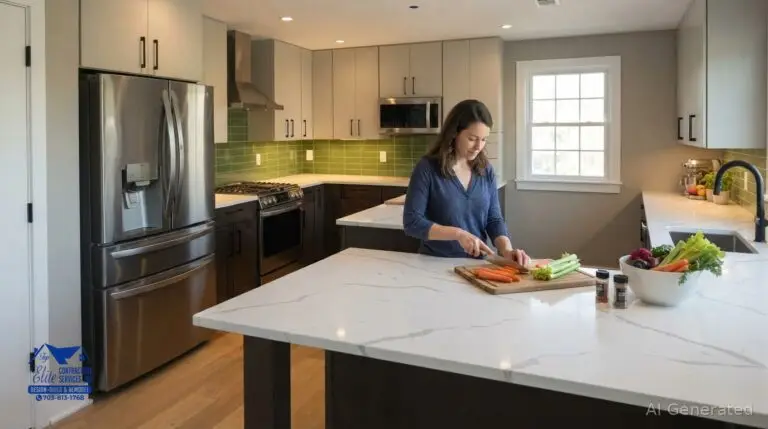
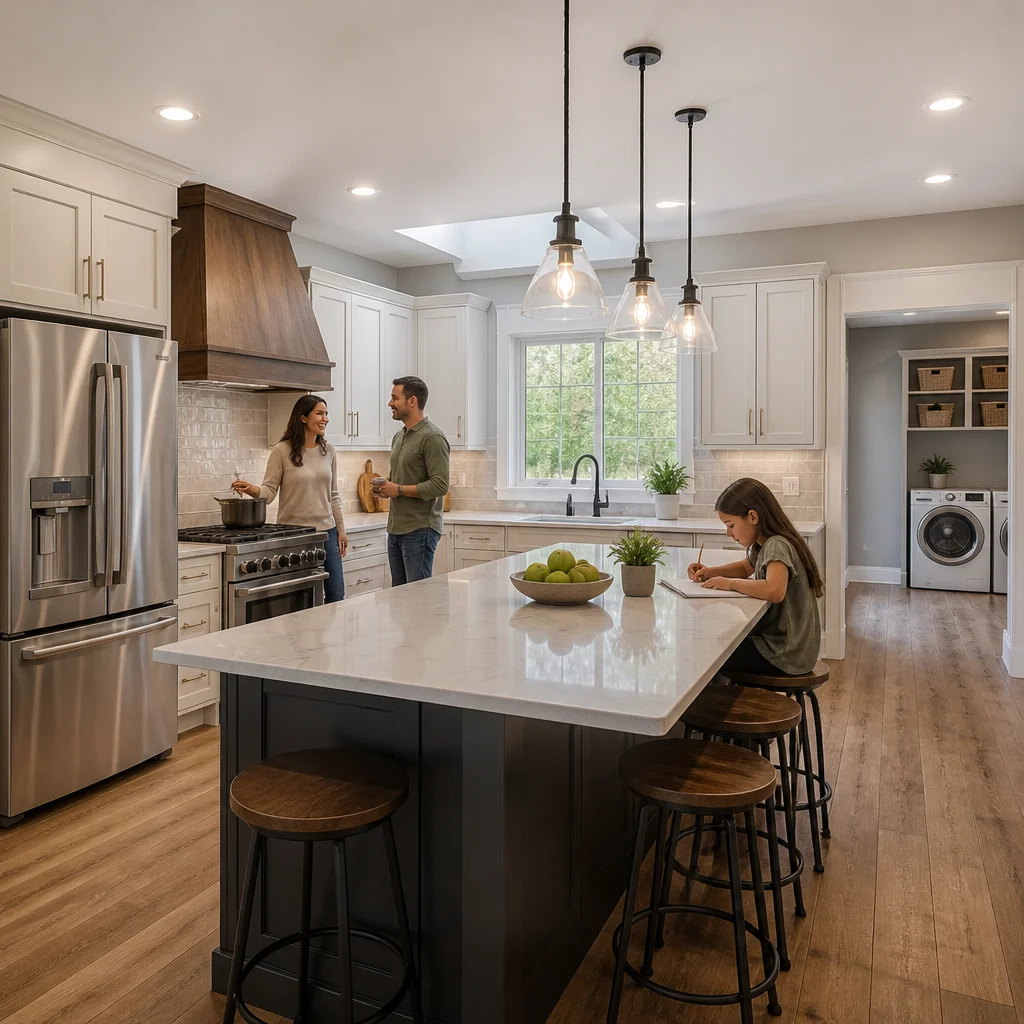
Your kitchen is the heart of your home, and in a bustling Northern Virginia household, it takes a beating. Between daily cooking, kids grabbing snacks, homework sessions at the island, and weekend entertaining, your kitchen surfaces need to stand up to real life without looking worn out after a year.
The difference between a kitchen that looks tired after five years and one that still shines after fifteen comes down to material selection. The right durable kitchen finishes protect your investment while keeping maintenance manageable. We’ve helped hundreds of Fairfax County families choose surfaces that balance timeless aesthetics with practical performance. Here’s what we’ve learned works best.
Quartz has become the go-to for busy families, and for good reason. This engineered stone combines 90-95% crushed quartz with resin binders, creating a non-porous surface that resists staining, scratching, and bacterial growth better than almost any alternative.
Unlike natural stone, quartz doesn’t require sealing. Spill red wine or lemon juice, and it won’t etch or stain. Drop a cast iron pan, and the surface won’t chip easily. For families with young children or pets, this worry-free durability is genuinely valuable. You wipe, you move on, no special treatments needed.
The color range is enormous, from subtle grays and whites to bold patterns that mimic granite or marble. Brands like Caesarstone, Silestone, and LG Viastone offer consistent quality and realistic pricing between $60-120 per square foot installed. Most homeowners see quartz outlast trends while remaining beautiful for 25+ years.
What to do next: If your current counters stain easily or require frequent sealing, quartz offers measurable peace of mind. Request samples and see how different finishes handle your typical kitchen activities before deciding.
2. Engineered Hardwood Flooring: Superior Performance for High-Traffic Kitchens
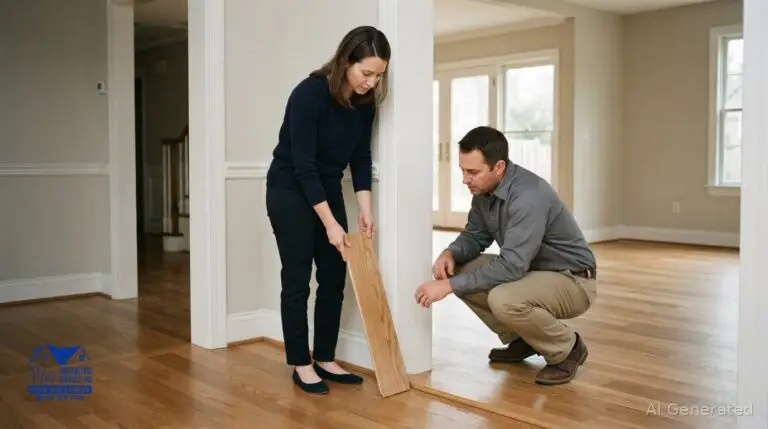
Solid hardwood in kitchens is risky. Water seeps into gaps, humidity causes warping, and heavy foot traffic dulls the finish quickly. Engineered hardwood solves these problems by bonding a thin hardwood veneer to a plywood base, creating dimensional stability that solid wood can’t match.
Quality engineered hardwood handles moisture fluctuations that would destroy solid flooring. The plywood core resists cupping and buckling, which matters in Northern Virginia where humidity varies significantly across seasons. Hand-scraped finishes hide footprints and dust better than polished looks, making maintenance simpler for active households.
Look for products with aluminum oxide surface treatments or water-based polyurethane finishes rated for kitchens. Brands like Carlisle, Teragren, and Kahrs engineering their floors to withstand 20+ years of daily use in kitchens. At $5-12 per square foot installed, engineered hardwood offers warmth and durability without the hardwood maintenance burden.
What to do next: If you love the look of hardwood but worry about spills and moisture, engineered hardwood is the answer. Have your subfloor inspected for moisture issues before installation to ensure long-term success.
3. Lacquered or Powder-Coated Cabinet Finishes: Premium Protection Against Daily Wear
Cabinet finishes determine whether your cabinetry looks fresh or shabby as years pass. Standard painted finishes chip and fade. Premium lacquered and powder-coated finishes resist fingerprints, moisture, and UV damage far better.
Lacquered finishes apply as liquid and dry to a hard, glossy or satin coat that withstands repeated wiping, humidity changes, and accidental impacts. Powder-coated finishes use electrostatic application and heat-curing, creating an exceptionally durable shell without drips or runs. Both outperform basic paint by years.
For busy kitchens, matte and satin lacquers hide smudges better than high gloss while still offering superior durability. We typically recommend lacquer for custom cabinetry and powder-coating for frameless European-style cabinets. Either approach costs 15-30% more than standard paint but extends cabinet life from 7-10 years to 20+ years. When you consider the cost of replacing cabinets, the upfront premium makes financial sense.
What to do next: Ask your cabinet maker or remodeler about lacquer versus paint options. Request a sample cabinet door you can take home and handle for a week to feel the difference durability makes.
4. Ceramic or Porcelain Tile: Timeless Durability for Backsplashes and Accents
Tile has been protecting kitchen walls for centuries, and modern ceramic and porcelain offer reliability that trends can’t touch. Porcelain tiles are denser and less porous than ceramic, making them better for kitchens where water and cooking splatters are constant.
Large-format tiles (12×24 inches or larger) mean fewer grout lines, which reduces water infiltration and makes cleaning faster. Matte or textured finishes hide water spots and splashes better than high-gloss, and they’re safer underfoot if they extend to the floor.
Glazed porcelain backsplashes are essentially maintenance-free. You wipe with a damp cloth, done. Grout lines are the only potential maintenance point, and epoxy grout (stronger and more water-resistant than traditional grout) lasts 10+ years without staining or breaking down. At $8-20 per square foot installed, tile is an affordable investment in lasting durability.
What to do next: Choose porcelain over ceramic for kitchens, and specify epoxy grout to eliminate future headaches. Visit showrooms to touch different finishes and see how light reflects off matte versus glossy tiles.
5. Stainless Steel Appliances: Professional-Grade Finishes That Withstand Family Life
Fingerprints on stainless steel drive people crazy, but the material itself is nearly indestructible in a kitchen environment. Professional-grade stainless steel resists corrosion, handles temperature extremes without warping, and cleans up quickly even after heavy use.
Look for brushed or fingerprint-resistant finishes rather than polished mirrors. Brushed stainless hides water spots and hand marks that would be obvious on polished surfaces, and it photographs beautifully without showing every smudge. Many newer appliances include fingerprint-resistant coatings that make maintenance genuinely effortless.
Quality stainless steel appliances from brands like Miele, Thermador, and top-tier models from mainstream manufacturers stay functional and attractive for 15-20 years. The initial investment is higher, but the durability and timeless aesthetic justify the cost. Cheap stainless appliances look tired after a few years; quality versions improve with age.
What to do next: When selecting appliances, run your hand along the surface to feel the finish quality. Heavier gauge steel and solid construction indicate appliances built for longevity, not quick replacement.
6. Epoxy or Polished Concrete Floors: Modern Durability Meets Contemporary Style
Concrete floors have moved from industrial spaces into sophisticated kitchens. Sealed with epoxy or polished to a smooth finish, concrete offers extreme durability, unlimited design possibilities, and surprisingly easy maintenance.
Epoxy-coated concrete provides a seamless surface that resists stains, chemicals, and standing water. Polished concrete offers a sleek, modern look without coatings, though it requires periodic resealing (every 2-3 years). Both approaches work beautifully in open-concept kitchens and modern renovations where you want durability without traditional tile or wood.
The real advantage is seamlessness and design flexibility. Add pigments, saw patterns, or aggregate details during installation to create a completely custom look that’s impossible with tile or wood. Concrete floors also provide excellent thermal mass, helping regulate kitchen temperature naturally.
What to do next: If you’re drawn to modern kitchens or planning an open-concept space, explore epoxy or polished concrete samples. They’re increasingly popular in Northern Virginia’s contemporary remodels and offer durability that lasts 20+ years with minimal maintenance.
7. Natural Stone Sealed Properly: Granite and Marble Alternatives That Last
Natural stone brings timeless elegance that engineered materials can’t fully replicate. Granite is harder and more stain-resistant than marble, making it more practical for busy kitchens. Marble offers ethereal beauty but requires more care. Sealed properly, either can last a lifetime.
The key word is “sealed.” Natural stone is porous and will stain, etch, and absorb liquids if left unsealed. Professional sealing at installation and resealing every 1-3 years creates a protective barrier that transforms stone from risky to reliable. Many homeowners skip resealing and then blame the stone for problems that sealer maintenance would have prevented.
Honed finishes (matte) hide fingerprints and water spots better than polished finishes, making them more practical for daily family kitchens. Granite at $70-150 per square foot and marble at $100-250 per square foot represent premium choices, but the durability and beauty justify the investment for homeowners who commit to proper sealing.
What to do next: If you love natural stone, invest in professional sealing at installation and schedule annual resealing. This simple maintenance step is the difference between stone that lasts 30 years and stone that becomes a constant frustration.
Why We Design Kitchens Built to Last: Our Design-Build Approach Ensures Quality at Every Step
Choosing durable materials is only half the equation. Installation quality, design compatibility, and material coordination matter equally. That’s where our design-build process delivers real value for Fairfax families.
When we design a kitchen, we don’t treat material selection as an isolated decision. We consider how each finish works with others, how installation methods affect long-term durability, and how your specific household activities should inform choices. A family with three teenage boys needs different strategies than a couple who entertains frequently, even if both want similar aesthetics.
Our design-build approach means our architects, designers, and craftsmen work together from concept through completion. We recommend materials based on real-world performance, not markup margins. We coordinate installation so that transitions between surfaces are sealed properly and finishes protect each other. We manage the entire process with the accountability of a single team, not multiple vendors pointing fingers when problems arise.
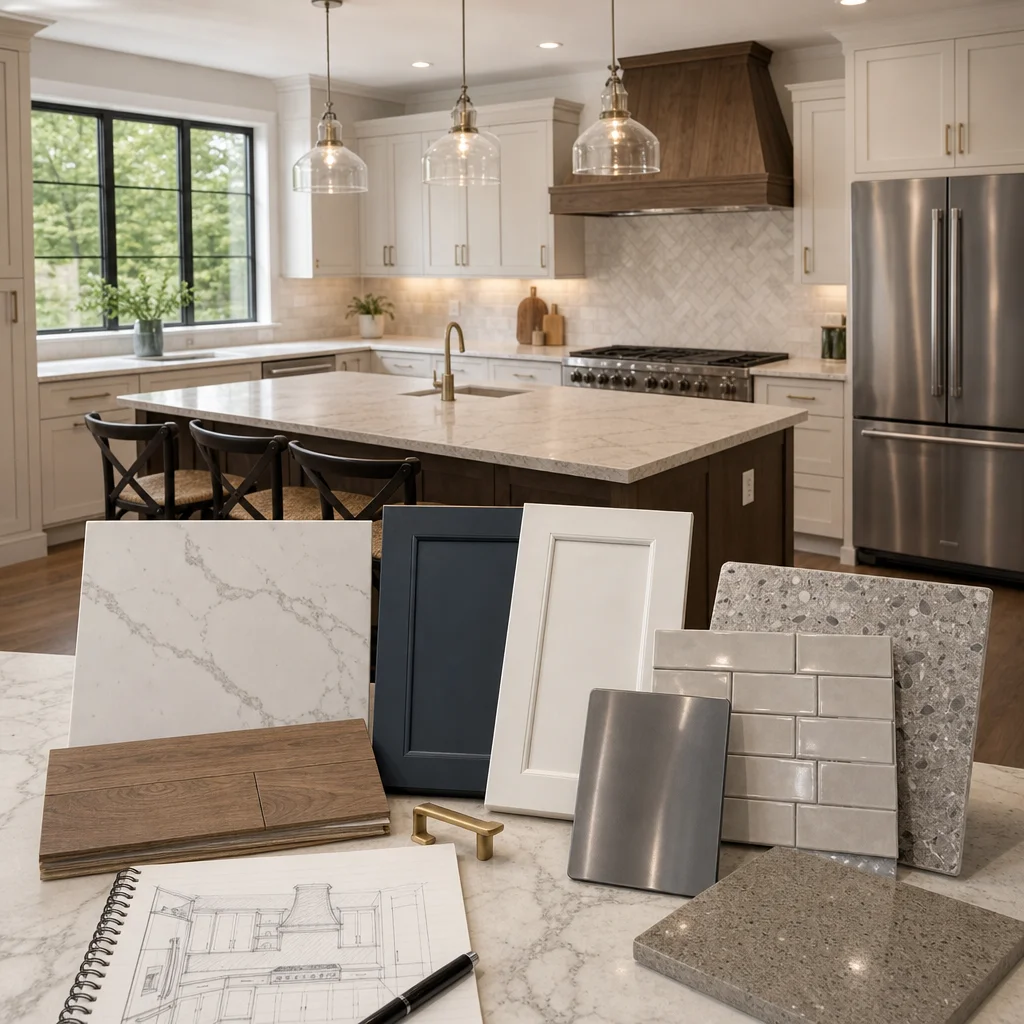
When you work with us on high-end kitchen remodeling, you’re not just selecting products. You’re investing in expertise that coordinates every detail so your kitchen performs beautifully for 20+ years.
Selecting Finishes That Balance Beauty, Function, and Your Family’s Lifestyle
The best durable kitchen finish is the one that matches your actual life, not the kitchen magazine you saw online. A glossy white lacquer kitchen looks stunning in photos but shows every fingerprint and requires constant wiping if you have young children. A matte concrete floor with epoxy coating is incredibly durable but might feel cold if your family values warmth.
Start by identifying your real pain points. Are you tired of sealing counters? Choose quartz. Do you stress about water damage around the sink? Specify engineered hardwood instead of solid, and use epoxy grout with ceramic tile. Is fingerprint management driving you crazy? Opt for matte finishes and powder-coated cabinets over high gloss.
Next, think about your timeline. If you’re planning to stay in your Fairfax home for 20+ years, premium materials like lacquered cabinetry, engineered hardwood, and properly sealed natural stone make economic sense. You’ll recoup the premium through durability and avoid mid-life kitchen renovations. If you might move in 7-10 years, focus your budget on finishes that look great and attract buyers rather than obsessing over 25-year longevity.
Finally, layer durability decisions. You don’t need every surface to be premium. A stunning quartz island with ceramic tile backsplash, engineered hardwood floors, and mid-tier powder-coated cabinets creates a durable, beautiful kitchen without unnecessary expense. Strategic choices matter more than uniform premium finishes everywhere.
When you’re ready to plan your kitchen renovation, we’d be honored to guide you through material selection with the same focus on durability and design we’ve applied across hundreds of Northern Virginia kitchens. Contact us for a consultation, and let’s create a kitchen that’s as practical as it is beautiful.
Contact us Today For a Free Estimate !
Frequently Asked Questions (FAQ)
What durable kitchen finishes do we recommend for families with young children?
We typically recommend quartz countertops, engineered hardwood flooring, and powder-coated cabinet finishes because they handle spills, impacts, and daily wear exceptionally well. When we design kitchens for busy families, we also suggest stainless steel appliances and sealed natural stone as they’re both forgiving and easy to clean. During your initial consultation, our team walks through which combinations best match your family’s lifestyle and your home’s existing design.
How do we help homeowners choose the right finishes for their kitchen remodel?
Our design-build process means we work with you from the very beginning to understand how your family actually uses your kitchen. We discuss traffic patterns, cooking habits, maintenance preferences, and your budget so we can recommend finishes that truly perform in your specific situation. We then provide detailed upfront contracts with pricing for each material option, so you know exactly what you’re investing in before construction begins.
Can we help coordinate durable finishes with our overall kitchen renovation project?
Absolutely. We handle everything from architectural planning through final installation, which means your durable finishes are selected and installed as part of one cohesive vision for your space. Our permit coordination, material selections, and construction management ensure that every element works together seamlessly. We’ve served homeowners throughout Fairfax County and Northern Virginia with this streamlined approach, and we deliver on-time and on-budget results.