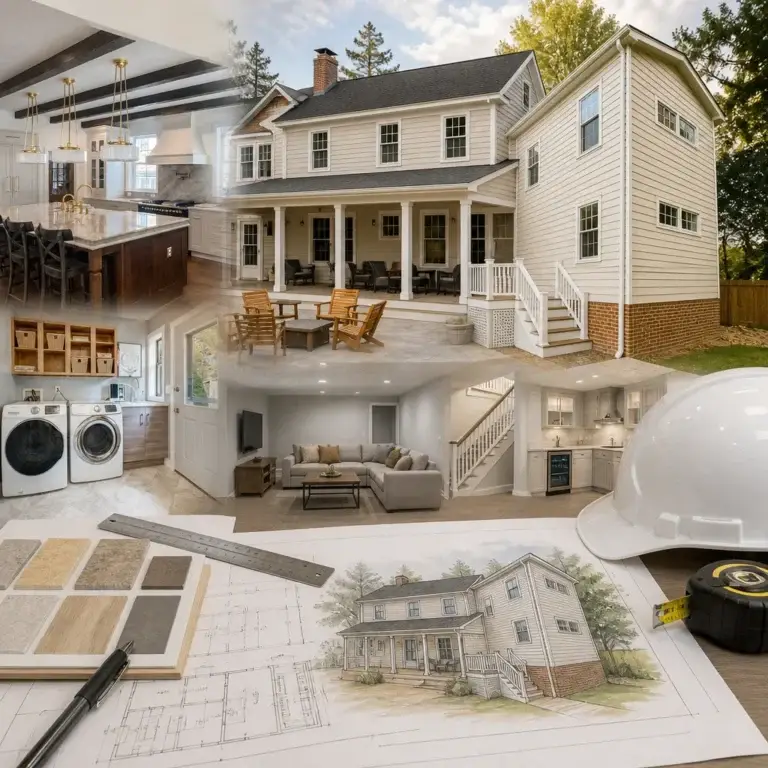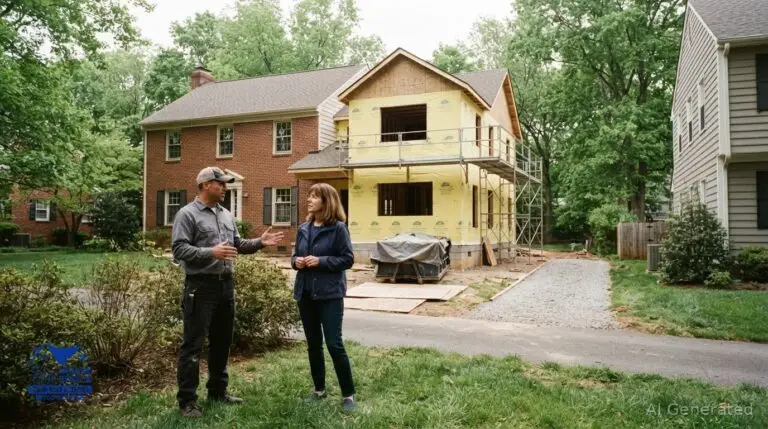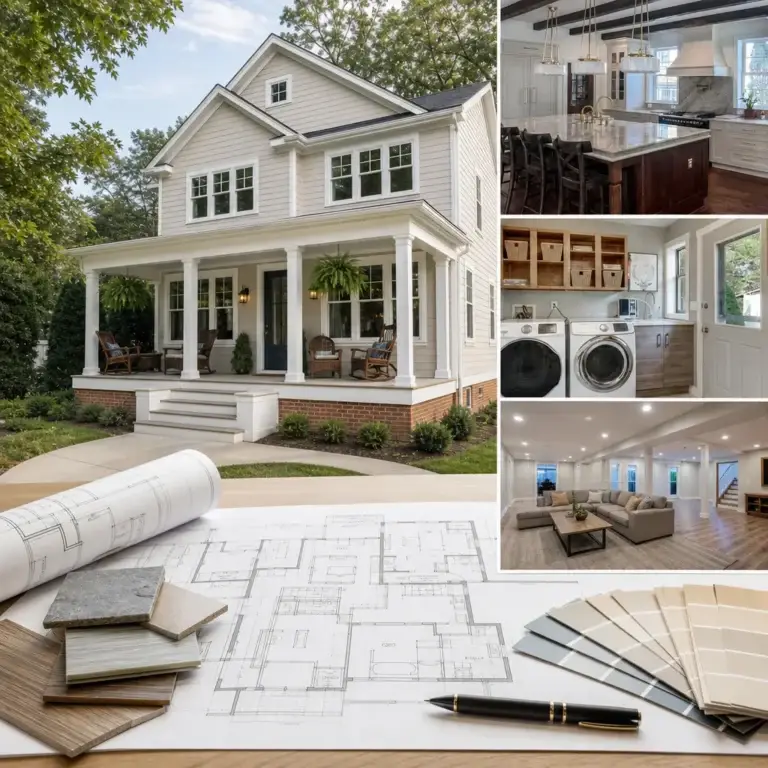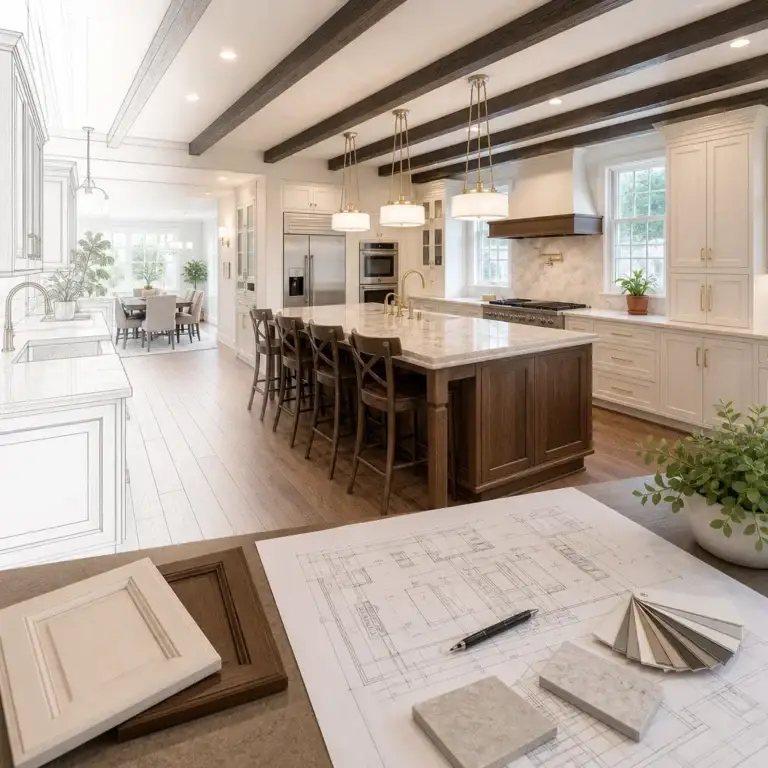
Home renovation insurance requirements start with a simple step: contact your insurer before work begins, because a standard homeowners policy may restrict coverage during a major renovation. A builder’s risk policy can cover the home’s structure and construction materials, but it generally doesn’t cover liability, so that protection needs separate attention. If the home will be vacant, policy limits commonly apply after 30 or 60 days.
It’s easy to assume your homeowners policy will cover your house as usual during a renovation. But construction can change what needs protection, from materials stored onsite to the home’s replacement cost after the work is complete. Reviewing coverage early can help you avoid surprises during an already demanding project.
This article explains why insurance matters during renovations, what to review for major projects, and how to account for your home’s updated value. You’ll also learn which vacancy rules may apply and why telling your insurer whether you’ll live at home during construction is an important planning step.
Key Takeaways
- For major work, understand what builder’s risk may protect and arrange separate liability coverage where needed.
- After remodeling, revisit dwelling coverage so it reflects the home’s updated replacement cost.
- Before construction begins, review contractor coverage, materials protection, and how your policy treats renovation-related damage.
- If the home may be unoccupied, learn how your policy defines vacancy and what time limits apply.
- Plan insurance discussions alongside project decisions to reduce coverage gaps as the home and construction site change.
1. Builder’s Risk coverage for major projects
Major renovations can affect how a standard homeowners policy applies. Some policies restrict coverage during substantial construction, so contact your insurer before work begins. Ask whether your existing policy remains active and what protection applies at each project phase. For example, a kitchen remodel involving wall removal may create different exposures than replacing cabinets without structural changes.
Builder’s risk insurance may cover the home’s structure and construction materials during a major renovation. This can matter when materials are stored at the property or installed work is exposed before completion. Coverage terms determine which property, causes of loss, and construction stages are included. Compare those details with the project scope, including demolition, delivery, and installation.
Builder’s risk generally covers property, not liability. It doesn’t replace liability protection for injuries or damage involving other people. Keep the distinction clear when reviewing coverage: one policy may address physical property, while liability coverage responds to different risks. Ask how the policies work together during construction, especially if the home remains occupied.
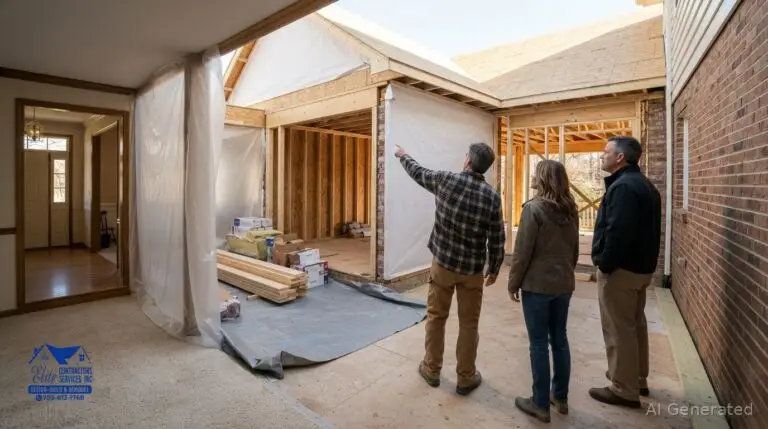
For an addition, tell your insurer about the planned expansion before construction starts. A new room changes the property under construction and may affect the home’s eventual replacement cost. Your insurer can explain whether builder’s risk or an adjustment to existing coverage is appropriate during the work. Document the project scope, materials, and expected construction stages for that discussion.
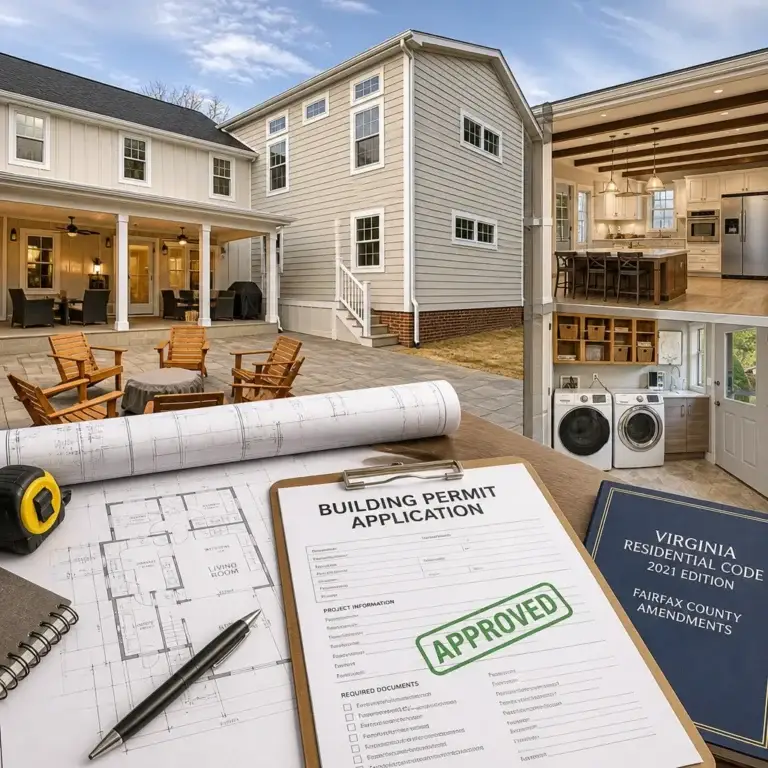
Review building-code coverage separately. Ordinance or law coverage may help pay additional rebuilding costs when a covered loss requires work to meet current building codes. It doesn’t automatically cover every upgrade or code-related expense. Ask how the policy treats code-required demolition, rebuilding, and upgrades, then compare those terms with the permitted project work and local requirements.
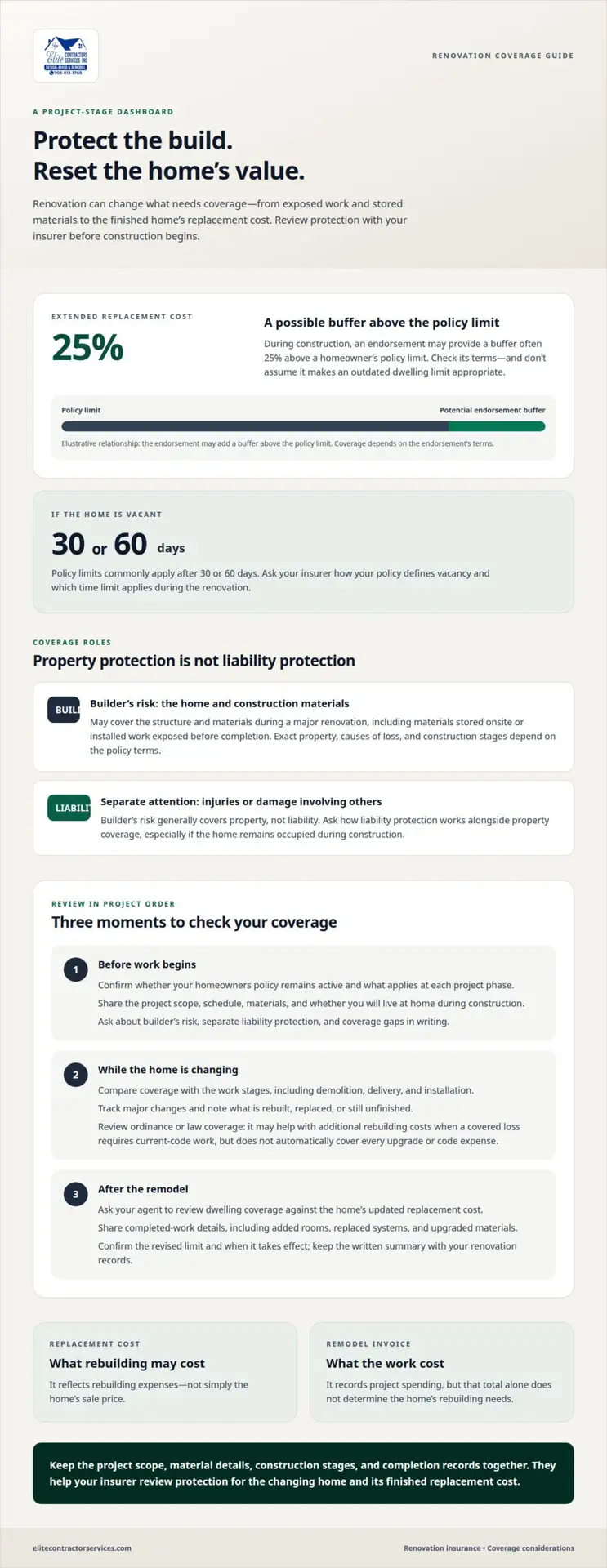
How do requirements differ for large projects, vacant homes, or additions? Large renovations may limit ordinary homeowners coverage and call for builder’s risk; vacant homes may face restrictions after 30 or 60 days. Additions change the property under construction and its completed replacement cost, so discuss both phases with the insurer.
Before signing a contract, gather the project description, construction schedule, and material details. Ask your insurer to explain coverage gaps, liability arrangements, and building-code limits in writing. Reviewing these before demolition helps align protection with the home’s changing condition, from exposed framing to the finished addition.
2. Changes in home value and replacement cost
A remodel can change how much it would cost to rebuild your home. Replacement cost reflects rebuilding expenses, not simply the home’s sale price. New rooms, upgraded finishes, and layout changes can affect that estimate. After construction, contact your insurance agent to adjust dwelling coverage to the home’s updated replacement cost.
Plan for this adjustment before the final invoice arrives. Keep clear records of the completed work, including added rooms, replaced systems, and upgraded materials. These details show how the finished home differs from its earlier condition. For example, a whole-house renovation that changes several rooms may affect the rebuilding estimate more than a limited cosmetic update.
During construction, an Extended Replacement Cost endorsement may provide a buffer often 25% above a homeowner’s policy limit. The endorsement can help address a gap between the dwelling limit and rebuilding expenses during a renovation. Review the endorsement’s terms and how its limit applies. Don’t assume the buffer automatically makes an outdated dwelling limit appropriate.
Separate the project’s progress from the home’s final value. An unfinished addition may not yet represent the completed home’s replacement cost, while the existing dwelling still needs appropriate coverage. Discuss how the policy treats the structure during construction and how coverage should change when the work is complete. Timing matters if construction proceeds in stages.
Ask your agent to review the dwelling limit after the remodel, using details of the completed project. Clarify whether the revised limit reflects the home as rebuilt, including the new work. A written summary of updated coverage makes the change easier to track alongside renovation documents. Keep it with the project scope and completion records.
Replacement cost can differ from the amount spent on remodeling. An invoice records what the work cost, while coverage focuses on the amount needed to rebuild the home. Share the project scope and materials with your agent instead of relying on one total figure. A custom kitchen, for instance, may affect rebuilding needs differently from its resale contribution.
During whole-house work, record major changes as they happen. Note which areas were rebuilt, which systems were replaced, and which improvements remain unfinished. Share those updates with your agent when discussing the policy’s dwelling limit. This gives a clearer account of the home’s changing condition than waiting until the final walkthrough.
At the final project review, confirm the updated limit and when it takes effect. Ask how the revised coverage applies to the completed work and whether an endorsement remains relevant. Include the home’s new layout in that discussion. This follow-through connects renovation records with the protection intended for the finished property.
3. Why does insurance matter during renovations?
Construction changes the home’s condition, who enters it, and what could be damaged. Reviewing insurance helps identify which policy responds to each exposure before work begins. A pre-renovation review also gives you time to address gaps before demolition, deliveries, or installation. Make coverage part of the project plan, not an afterthought.
Before signing, use this checklist to guide your insurance discussion:
- Describe the planned work, including demolition, structural changes, and new rooms. Project scope helps clarify whether existing coverage fits the work.
- Ask how the policy treats construction materials stored at the home. Theft or damage to materials can affect the schedule and replacement plans.
- Confirm the contractor carries general liability and workers’ compensation coverage before work begins. These protections address different exposures, so ask how each applies to the project.
- Explain whether anyone will live in the home during construction. Occupancy can affect policy terms, especially if the house will be vacant.
- Ask how the policy handles water backup and sump overflow.
Do contractors need general liability insurance and workers’ compensation? Homeowners should verify that contractors carry both types of coverage before work begins. Established firms like Royalty Construction routinely provide proof of these policies to protect clients from job-site liabilities. General liability and workers’ compensation address different risks, so neither should be treated as a substitute for the other.
How much does renovation insurance cost in the United States? There’s no single premium that applies to every home. Cost depends on the project’s scope and duration, the home’s value and location, and the coverage selected.
Hiring an uninsured contractor can leave important questions about responsibility unresolved if someone is injured or property is damaged. DIY work carries different risks: an accidental mistake can damage the home, and an injury may involve your own coverage. A policy generally covers sudden, accidental damage, not planned remodeling, wear, or deferred maintenance. That distinction matters if a renovation problem is later mistaken for an insured loss.
These home renovation insurance requirements are practical safeguards, not a substitute for reading your policy. Keep the project description, contractor coverage details, and insurer’s guidance with your renovation records. If a loss occurs, those documents help show what work was underway and what protections were discussed. A clear paper trail can also support a more organized conversation about a claim.
4. Renovations and home insurance coverage
Because renovation changes the home’s condition, review coverage before the first workday. Contact your insurer before work begins and describe the project clearly. Include demolition, structural changes, materials brought onsite, and whether the home will remain occupied. Those details help clarify how your existing policy applies during construction.
Homeowners insurance generally covers sudden, accidental damage rather than planned remodeling, wear, or deferred maintenance. A sudden covered incident differs, for example, from damage caused by leaving a known maintenance problem unrepaired. Keep that distinction in mind when reporting a loss. Its cause and timing can affect how the insurer assesses it.
Does renovation insurance cover theft, fire, vandalism, and construction defects? There’s no single answer for every policy or project. Coverage depends on the policy’s covered causes of loss, exclusions, and treatment of property under construction. Don’t assume all four situations receive the same protection.
Pay particular attention to materials. Ask whether supplies stored at the property are protected against theft or damage during construction. A flooring delivery, for example, may arrive before installation. Clarify whether coverage changes after materials become part of the home and how the policy treats damage during delivery or installation.
For a major property overhaul, insurers may require a 4-point inspection. The inspection can check safety-code compliance and help recalculate the home’s replacement value. Ask whether this applies to the planned work and how inspection findings affect coverage. Keep the resulting documentation with project records, especially if the work changes the home’s systems or structure.
A renovation endorsement may increase dwelling coverage to account for the value of finished work. Review whether it reflects the planned improvements and how it applies before completion. An added room changes the structure as work progresses, and the insurer’s terms determine how the endorsement handles that transition.
Before work starts, organize the project scope, schedule, material details, and occupancy plans. Give this information to your insurer when discussing policy terms. Request a clear explanation of what coverage applies during construction and what changes after completion. This connects the policy discussion to the actual work rather than a general description.
If accidental damage happens during renovations, an insurance advisor can help assess whether filing a claim makes sense. In incidents involving unexpected fire, smoke, or water issues, professional remediation teams such as Fire Industry Restoration Experts can help mitigate further loss and provide clear cleanup documentation. Share the timeline, photographs, and project records when discussing the incident. The advisor can consider the reported cause, policy terms, and how the damage relates to ongoing work. Keep renovation invoices and communications together for the review.
Review coverage again when the project is complete. Confirm whether a renovation endorsement changes dwelling protection and whether the finished work is reflected in the policy. Documenting the closeout gives the insurer a clearer picture of the completed home. It also helps distinguish finished improvements from remaining construction or maintenance work.
5. Vacancy rules during renovations
A renovation can leave a home unoccupied while work moves forward. Some homeowners insurance policies limit or void coverage when a home is vacant beyond a specified period, commonly 30 or 60 days. That makes occupancy planning part of the insurance conversation, especially when construction requires you to move out temporarily.
Insurers may define vacancy differently, so check how your policy describes the home’s occupancy status. Don’t assume regular contractor visits mean the home counts as occupied. Tell your insurer whether you plan to live there during the renovation, and describe any planned periods away, including when you expect to leave and return.
Before the first workday, review the policy’s vacancy language and identify how it defines the relevant time period. The commonly cited 30- or 60-day periods aren’t universal deadlines for every policy. The policy wording sets the applicable limit. Ask how the terms apply if the project schedule changes or the home becomes vacant mid-renovation.
A practical sequence can keep the occupancy details clear:
- Tell the insurer whether residents will remain in the home during construction.
- Share the expected move-out and return dates if the home will be empty.
- Review the policy’s vacancy wording and note its stated time limit.
- Update the insurer if construction delays change the occupancy plan.
For example, a whole-house renovation may require a temporary move while interior work is underway. If the project takes longer than expected, the home could remain vacant beyond the period initially discussed. Tell your insurer promptly about the change and ask how the policy applies during the extended absence. If circumstances shift, don’t rely on the original schedule.
Occupancy planning also affects access and project records. Keep a written timeline showing when residents leave, when they plan to return, and any schedule changes. Share relevant updates with your insurer. This provides a clear account of the home’s status during construction instead of relying on an outdated estimate.
Review vacancy terms alongside the renovation schedule, not after the home is already empty. If you expect to stay elsewhere, tell your insurer before moving out. If you’ll remain in the home, explain that as well. Clear details help the insurer apply the policy language to your actual living arrangements.
As work progresses, revisit the plan whenever the expected move-in date changes. A delayed completion can extend the period without residents, while an earlier return can shorten it. Keep the policy wording and occupancy timeline with your renovation documents. Together, they make it easier to track the applicable vacancy terms throughout the project.
Elite Contractor Services: Home Additions
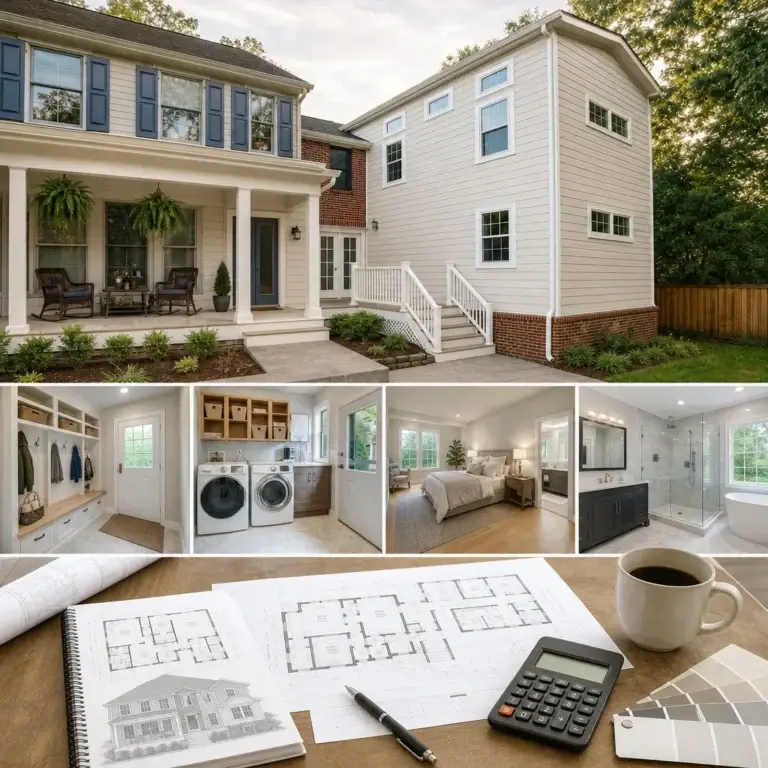
Elite Contractor Services helps homeowners plan additions through its Design-Build Services. If your project will expand your home, a clearly defined scope can help you explain the work and its stages to your insurer. Consider the planned layout, construction materials, and whether you’ll remain at home during construction.
For a project that adds living space, explore home addition services as you shape your plans. A coordinated design-build approach brings project planning and construction together, helping you work from a clear scope as decisions take shape. Share your goals and the changes you’re considering.
Contact Elite Contractor Services to discuss your home addition.
Make your renovation plan your next step
Once your coverage discussion is underway, focus on shaping a project that fits your home and priorities. A clear plan gives you a practical starting point for decisions about scope, sequence, and the effect of the work on daily life. It also helps coordinate the people involved as the project moves forward.
Understanding home renovation insurance requirements is one part of preparing for change. Next, decide what you want your home to do better, whether that means creating more room, rethinking how spaces connect, or making daily routines easier. Discuss those goals with a remodeling professional so the project can take shape around what matters to you.
Elite Contractor Services can help you consider the next steps for your renovation. Contact Elite Contractor Services to discuss your project and begin planning with a clear sense of direction. A thoughtful start can make the path ahead feel more manageable.
Frequently Asked Questions
Why does insurance matter during renovations?
Insurance matters because construction changes the home and creates risks that may differ from ordinary living conditions. A fire, theft, or injury during a project can raise questions about which policy applies and what it protects. For example, cabinetry may be onsite before installation. Clear project records and an agreed coverage plan make those circumstances easier to explain if a loss occurs.
What insurance coverage is required for a home renovation project?
No single coverage package fits every renovation. The project’s scale, occupancy, materials, and policy terms all affect the protection that may be appropriate. A homeowner planning a structural remodel may need different arrangements from someone replacing finishes in one room. Before work begins, outline the scope and discuss property, liability, materials, and vacancy concerns with your insurer. This helps identify protections relevant to your project.
Does homeowners insurance cover damage during renovations?
A policy may cover some sudden, accidental damage, but generally doesn’t cover planned remodeling, wear, or deferred maintenance. The cause matters. A burst pipe caused by an unexpected event, for instance, differs from deterioration left unrepaired. Keep dated photos and project records, and document when damage occurred. These details can help an insurance advisor assess how the incident relates to the policy and ongoing work.
What insurance certificates and endorsements should homeowners request from contractors?
Ask contractors for documentation of their general liability and workers’ compensation coverage before construction starts. Check the named business and coverage dates against the project period, and keep the documents with your contract. A certificate summarizes insurance information, while an endorsement changes policy terms; they aren’t interchangeable. Ask your own insurer whether an endorsement is needed for construction or added dwelling coverage.
When is a builder’s risk or course-of-construction policy needed?
Builder’s risk may be relevant for a major renovation when the home’s structure or construction materials need protection during work. It generally covers property, not liability, so it doesn’t replace liability coverage. Extensive demolition or an addition, for example, can leave materials and unfinished work exposed before completion. Discuss project stages, storage locations, and your existing policy with your insurer to determine how coverage should apply.
How should homeowners update coverage for renovation costs and increased home value?
After the work is complete, give your insurance agent a concise record of the changes. Include additions, rebuilt rooms, major system replacements, and upgraded materials rather than relying only on the total invoice. Your agent can use these details to review dwelling coverage against the home’s updated replacement cost. Save revised policy documents with permits, completion records, and renovation plans for future reference.
Do permits or local building codes require specific insurance coverage?
A permit or code requirement and an insurance policy serve different purposes. Don’t assume a permit automatically changes your coverage or that an insurance endorsement replaces code compliance. For major overhauls, an insurer may require a 4-point inspection that checks safety-code compliance and recalculates replacement value. Ask how ordinance or law coverage treats code-related rebuilding expenses, and keep inspection documents with the project’s permit records.