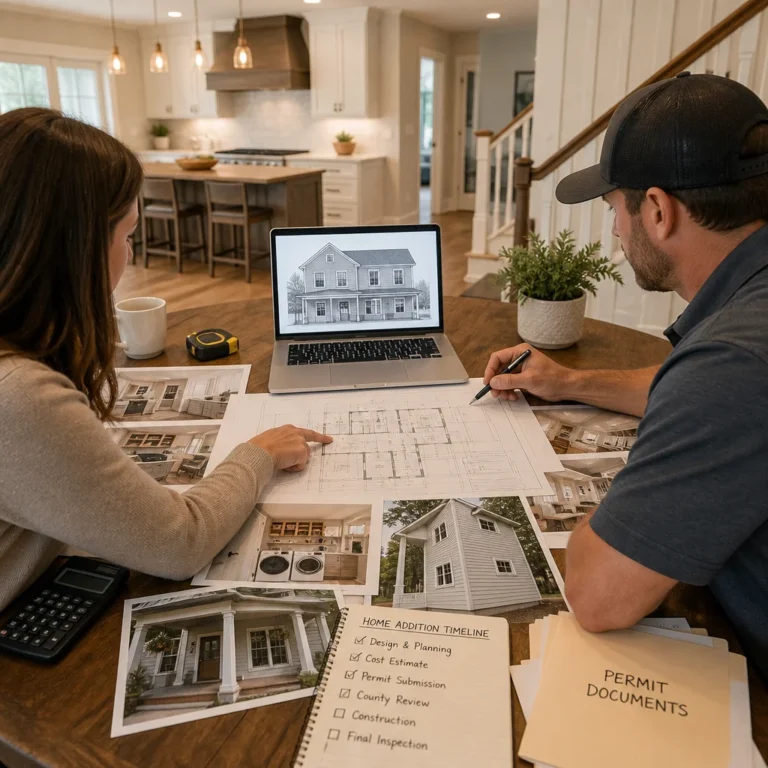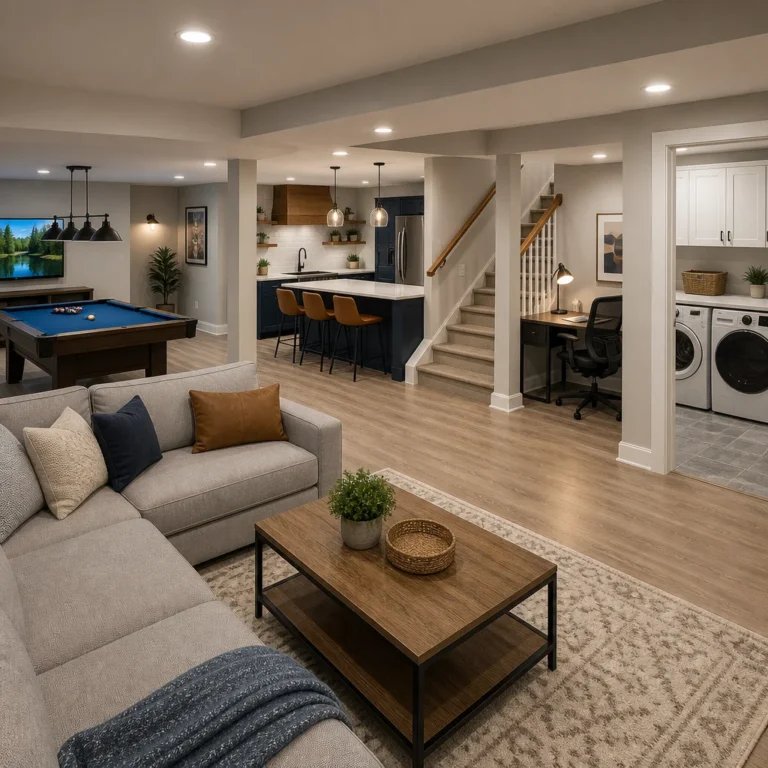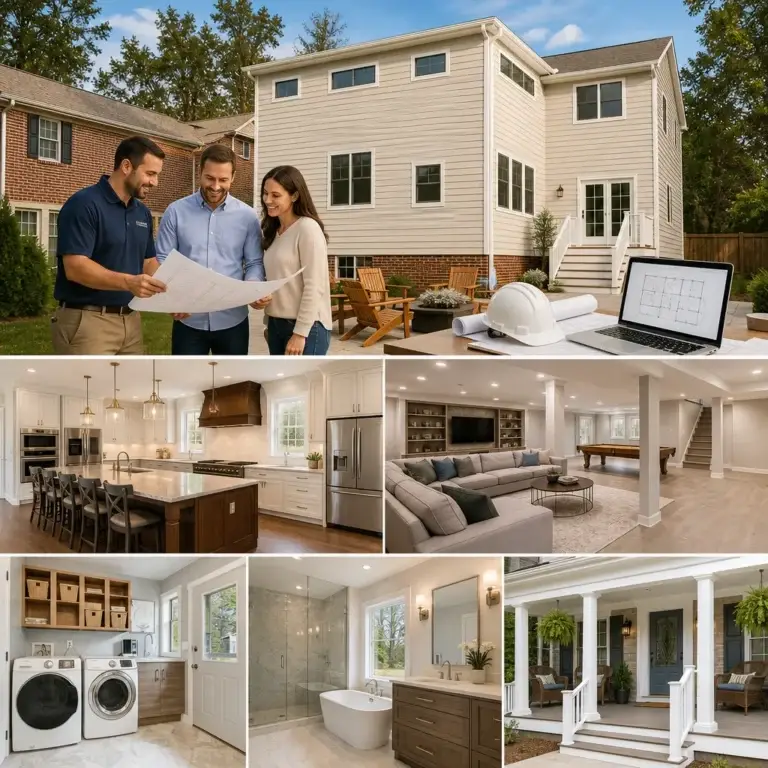
Imagine spending months planning a backyard cottage for your aging parents, only to have a county inspector halt your project because of a small setback error you didn’t know existed. It’s a common fear for local homeowners who find that Accessory Dwelling Unit zoning laws Fairfax County can feel like a maze of technical jargon and shifting requirements. Since the county’s zMOD ordinance updates took effect on July 1, 2021, the rules for adding living space have become more flexible, yet the distinction between an Accessory Living Unit (ALU) and a traditional ADU remains a major source of confusion for many residents.
You likely want to increase your property value or care for family without the stress of a zoning violation hanging over your head. This 2026 guide provides the expert insights you need to understand exactly what’s legal for detached units and interior conversions today. You’ll learn about the specific size limits, such as the 1,200 square foot cap for detached structures, whether your lot requires a special permit from the Board of Zoning Appeals, and how to find a design-build partner who handles the complex zoning legwork for you.
Key Takeaways
- Learn why Fairfax County utilizes specific Accessory Living Unit (ALU) terminology and how these local definitions impact your project’s legal standing.
- Navigate the updated Accessory Dwelling Unit zoning laws Fairfax County has set for 2026, including the strict 35% size rule for attached additions.
- Understand the latest bedroom limitations and floor plan requirements to ensure your design remains compliant with county-wide residential standards.
- Distinguish between the permitting rules for attached versus detached units to determine the most viable construction path for your specific property.
- Discover how a specialized design-build partner can simplify the complex administrative permit process while preserving your home’s luxury aesthetic.
Understanding Fairfax County ALU Zoning in 2026
Navigating the Accessory Dwelling Unit landscape in Northern Virginia starts with a simple terminology shift. While the national standard is the ADU, Fairfax County officially uses the term Accessory Living Unit, or ALU. Mastering the Accessory Dwelling Unit zoning laws Fairfax County homeowners face in 2026 requires a firm grasp of how these spaces integrate into your property. These units provide essential flexibility for families while maintaining the residential character of our local neighborhoods.
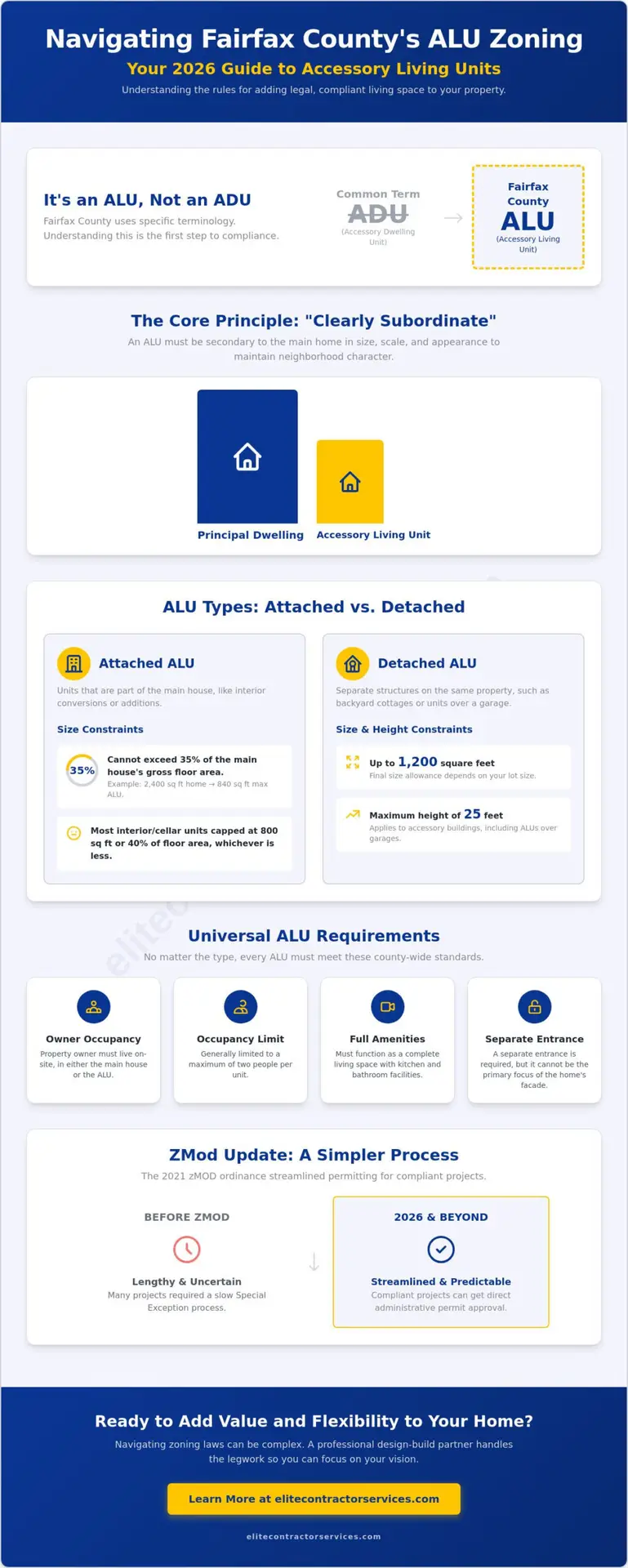
Fairfax County mandates that every ALU remains “clearly subordinate” to the principal dwelling. This isn’t a mere suggestion; it’s a legal requirement. The ALU shouldn’t dominate the property in size or appearance. For instance, an interior or cellar ALU is generally limited to 800 square feet or 40% of the main house’s gross floor area, whichever is less. This specific rule ensures your addition remains secondary, preserving the primary use of the property as a single-family residence and keeping the neighborhood aesthetic intact.
The Legal Definition of an ALU
Defining an ALU goes beyond just adding a bed and a door. An ALU must function as a complete, independent living space. This requires permanent provisions for living, sleeping, eating, cooking, and sanitation. To qualify, the unit needs a full kitchen and a dedicated bathroom. Fairfax County also requires a separate entrance, though it shouldn’t be the most prominent feature of the home’s facade. This distinction separates a legal ALU from a standard home addition or a simple basement renovation with a wet bar.
ZMod: The 2026 Regulatory Landscape
Modernized Zoning Ordinance (ZMod) updates have significantly streamlined the approval process for 2026. One of the most impactful changes involves the shift toward administrative permit approvals. Previously, many homeowners faced a lengthy and uncertain Special Exception process that could take months. Now, if your project meets specific size and occupancy standards, the Department of Planning and Development can approve it directly. These 2026 updates aim to increase housing flexibility, making it easier for you to create the extra space your family needs through a predictable, professional process.
Key Standards and Requirements for Accessory Living Units
Building an addition requires more than just a vision; it demands a meticulous understanding of local regulations. The Accessory Dwelling Unit zoning laws Fairfax County maintains are designed to preserve neighborhood character while providing flexible living options. To avoid the stress of permit rejections, you must adhere to specific caps on size, occupancy, and utility. Our team focuses on these details early to ensure a smooth, predictable process for every homeowner.
Size and Scale Constraints
Fairfax County enforces a strict 35 percent rule for attached units. This means the gross floor area of your ALU cannot exceed 35 percent of the total floor area of the main house. If your primary residence is 2,400 square feet, your unit is limited to 840 square feet. Even if your home is exceptionally large, most interior units are capped at a maximum of 800 square feet unless you obtain a special administrative permit. For detached units, the limit can extend to 1,200 square feet depending on your lot size. Height is another factor. Any unit built above a garage or as a separate structure must comply with residential height limits, which usually top out at 25 feet for accessory buildings.
Occupancy and Residency Rules
The rules for who can live in an ALU have become significantly more inclusive. Following the 2021 zMOD updates, the county removed the requirement that occupants must be at least 55 years old or have a disability. As we look toward 2026, these standards continue to favor multi-generational living and rental flexibility. However, the owner-occupancy requirement remains non-negotiable. The property owner must live on-site, either in the main house or the ALU, for the duration of the permit. Total occupancy is generally limited to two people per unit. This keeps the density manageable and ensures the peace of mind your neighbors expect in a residential zone.
Beyond the living space, you must plan for logistics. Fairfax mandates at least one dedicated off-street parking space for the ALU in addition to the parking required for the main house. If your driveway cannot accommodate this, your permit may be denied. Working with a dependable remodeling partner allows you to solve these spatial puzzles before construction begins. By capping the unit at two bedrooms, the county ensures these spaces remain accessory rather than becoming full-scale secondary residences that strain local infrastructure. Following these Accessory Dwelling Unit zoning laws Fairfax County guidelines will keep your project on track and within legal bounds.
Attached vs. Detached: Navigating the 2026 Policy Shifts
Choosing the right configuration for your project depends heavily on the current Accessory Dwelling Unit zoning laws Fairfax County enforces. As of early 2024, Fairfax County maintains a clear distinction between units integrated into the main house and those standing alone. While Fairfax City has already adopted more flexible standards for detached units, the County still requires a rigorous “Special Permit” process for detached structures on lots smaller than 2 acres. This landscape is shifting as we approach the 2026 work sessions, where officials plan to review lot size requirements to make detached units more accessible to the average homeowner.
Attached ALUs: The Administrative Path
Attached units represent the most predictable route for homeowners seeking to avoid “remodeling nightmares.” Because these units are contained within or added directly to the primary residence, they often qualify for administrative approval. This path bypasses public hearings and significantly reduces your project timeline. To maintain an elite, high-end aesthetic, your design must seamlessly mirror the existing architecture. Zoning officials look for specific details to ensure the unit doesn’t disrupt the neighborhood’s character. Common pitfalls that lead to immediate denials include placing the ALU entrance on the front of the house or exceeding the 1,200 square foot size limit. We focus on “invisible” integration, ensuring the addition looks like a natural extension of your home rather than a secondary apartment.
Detached ALUs: What to Watch in 2026
If you’re dreaming of a backyard cottage, the Accessory Dwelling Unit zoning laws Fairfax County applies are currently more restrictive than those in Fairfax City. Right now, detached units are allowed “by right” only on lots of 2 acres or larger. For smaller lots, you’ll need to petition the Board of Zoning Appeals for a Special Permit, which involves a public hearing and a detailed site plan. However, Fairfax City’s 2026 work sessions are expected to set a new precedent for the region by refining height and setback standards for detached ADUs. To prepare your lot for these potential policy relaxations, consider these steps:
- Audit your setbacks: Verify your current property lines to ensure a future structure won’t encroach on neighbor boundaries.
- Utility Assessment: Consult with a professional to assess if your current electrical and plumbing systems can support an external structure.
- Monitor Legislative Updates: Stay informed on the 2026 work sessions, as they may finally lower the 2-acre threshold for detached units in the County.
Planning with these future shifts in mind helps you position your property for a flawless transition when the laws catch up to your vision. It’s about being a prepared partner in the process, ensuring your investment is protected as local regulations evolve.
The Permitting Process: From Application to Approval
Securing a permit for your new suite doesn’t have to be a remodeling nightmare. The process begins with identifying the correct permit type under the current Accessory Dwelling Unit zoning laws Fairfax County. Most homeowners qualify for an Administrative Permit, which is handled directly by the Department of Planning and Development (DPD). If your project deviates from standard size limits, such as exceeding 800 square feet for an interior unit or 1,200 square feet for a detached unit, you must apply for a Special Permit through the Board of Zoning Appeals. This distinction is vital because it determines your project’s timeline and total cost.
The application starts with a $200 administrative fee. This is a fixed cost for the county’s review of your plans. Once you submit your application through the PLUS (Planning and Land Use System) portal, the county reviews your plans for compliance with safety and zoning standards. After approval, construction begins, followed by rigorous inspections. The final step is obtaining a Residential Occupancy Permit (ROP). This document is your gold standard; it legally allows someone to live in the space and ensures your home remains compliant with local regulations.
Required Documentation for Homeowners
Fairfax County requires absolute precision. You’ll need a certified plat prepared by a professional surveyor. This document must show every structure on your lot, including sheds, decks, and the exact footprint of the proposed ADU. Your floor plans must clearly label kitchen facilities and independent egress points like doors or specific egress windows. You must also provide a notarized affidavit. This document confirms you’ll live on the property as your primary residence. Fairfax County strictly prohibits purely speculative ADU rentals where the owner lives off-site, so this affidavit is a non-negotiable part of the package.
Timeline and Expectations
Expect a turnaround of 30 to 60 days for a standard administrative permit in Fairfax. You can cut this time down by submitting a complete Design-Build package that includes all mechanical, electrical, and plumbing details upfront. If your request is non-standard, the Board of Zoning Appeals process can add 90 to 120 days to your schedule due to public hearing requirements. We act as your partner to ensure every document is flawless. This prevents the frustrating back-and-forth that stalls most projects. A complete submission is the best way to ensure your project stays on schedule and moves from the drawing board to reality without unnecessary delays.
Ready to transform your home with a stunning, code-compliant ADU? Schedule your free estimate with Elite Contractor Services today to ensure your project stays on time and on budget.
Building Your ALU with Elite Contractor Services
Building a secondary residence on your property shouldn’t feel like a second job. At Elite Contractor Services, we understand that the technicalities of Accessory Dwelling Unit zoning laws Fairfax County can feel overwhelming for homeowners in 2026. We’ve refined a process that prioritizes your peace of mind while delivering a high-end addition to your estate. Our team doesn’t just build structures; we act as your dedicated partner from the first sketch to the final inspection.
The Design-Build Advantage for ALUs
Traditional construction often separates the architect from the builder, which can lead to communication gaps and budget surprises. Choosing a remodeling contractor with a design-build model ensures that zoning experts are involved during the initial architectural phase. This integration prevents those common remodeling nightmares where a beautiful design is rejected by the county because of setback or height violations. We focus on custom ALU designs that mirror the sophisticated aesthetics of Great Falls and McLean, ensuring your new unit looks like an intentional part of your luxury home rather than an afterthought.
- Direct integration of Fairfax County zoning requirements into every blueprint.
- Strategic planning to maximize the resale value of your Northern VA property.
- Transparent project management with a detailed scope of work and clear contracts.
- Expert selection of materials that blend with high-end neighborhood standards.
Our team manages the exhaustive permitting legwork, including the submission of plat maps and building plans to the Fairfax County Land Development Services. By handling these bureaucratic hurdles, we ensure your project remains compliant with the 2026 updates to the Accessory Dwelling Unit zoning laws Fairfax County. You won’t have to spend hours at the permit office or deciphering complex building codes. Instead, you can focus on the result: a stunning, functional space that serves your family for years.
Service Areas and Local Expertise
Our experience spans the diverse residential landscapes of Northern Virginia. We manage the specific nuances of building in Alexandria, Arlington, and the various residential pockets of Fairfax County. Whether you’re dealing with the historic district constraints in Old Town or the larger lot requirements in Great Falls, our team knows how to navigate the local bureaucracy. We’ve built a reputation for delivering projects on time and on budget, even when local regulations are complex.
Ready to transform your property? Schedule your free Accessory Living Unit consultation today. We’ll help you understand how current regulations apply to your specific lot and start the journey toward your dream space. Our commitment to stress-free construction means we handle the details while you enjoy the transformation of your home.
Bring Your 2026 Accessory Dwelling Unit Vision to Life
The 2026 landscape for Accessory Dwelling Unit zoning laws Fairfax County offers homeowners more flexibility than ever before, provided you navigate the technical requirements correctly. You’ve learned that the distinction between attached and detached units now hinges on specific 2026 policy updates that dictate square footage and setback limits. Success in this process depends on a meticulous permitting strategy that aligns with the county’s latest standards.
Elite Contractor Services simplifies this complex journey. As award-winning luxury remodeling experts in Northern Virginia, we act as your dedicated design-build partner. We’re fully licensed and insured for complex ALU construction, ensuring your project meets every regulatory hurdle without the typical remodeling nightmare. We handle the heavy lifting of Fairfax County zoning so you can focus on the value and functionality of your new space. Don’t let shifting regulations stall your plans; let us provide the peace of mind you deserve.
Start Your Stress-Free ALU Transformation Today
Your dream home expansion is within reach, and we’re ready to build it together.
Frequently Asked Questions
Is an ALU the same as an ADU in Fairfax County?
Yes, an ALU is the specific term Fairfax County uses for what most people call an Accessory Dwelling Unit. While the county code uses “ADU” to refer to Affordable Dwelling Units, the Accessory Dwelling Unit zoning laws Fairfax County identifies these secondary residences as Accessory Living Units. We’ll help you navigate these terms to ensure your permit applications are filed correctly and without delays.
Do I still need to be 55 or older to live in a Fairfax County ALU in 2026?
No, the age and disability requirements were removed during the zoning ordinance modernization on July 1, 2021. Any adult can now live in an ALU, which provides much more flexibility for your family. This change allows you to house adult children, guests, or local renters. The only remaining residency rule is that the property owner must live in either the main house or the ALU.
Can I build a detached ADU in Fairfax County?
You can build a detached ALU if your property is 2 acres or larger. If your lot is smaller than 2 acres, you’re required to obtain a special permit from the Board of Zoning Appeals before starting construction. This process involves a public hearing and a $435 application fee. We’ll partner with you to determine if your specific lot meets these requirements for a detached structure.
What is the maximum size allowed for an ALU in Fairfax?
The maximum size for an ALU is 800 square feet or 40 percent of the main house’s gross floor area, whichever is less. For example, if your home is 1,500 square feet, your ALU is limited to 600 square feet. These strict limits ensure the unit remains secondary to your primary residence. Our design team focuses on maximizing every inch of this footprint to create a high-end, functional living space.
Does an ALU require its own parking space?
No, Fairfax County doesn’t require additional off-street parking for an Accessory Living Unit. The current regulations assume that your existing driveway or street parking can accommodate the extra occupant. This rule is a major benefit because it saves you the cost of paving and preserves your landscaping. It makes the transition to a multi-generational property much smoother and less disruptive to your yard.
How much does the administrative permit for an ALU cost in Fairfax County?
The administrative permit fee for an ALU is currently $200 according to the Fairfax County Department of Planning and Development. This fee applies to units located inside the main dwelling or an addition. If you’re pursuing a detached unit on a lot smaller than 2 acres, the special permit application fee is $435. These costs cover the county’s review of your site plan and safety compliance.
Can I rent out my ALU to a tenant who is not a family member?
Yes, you can rent your unit to any tenant you choose, including non-family members. The updated Accessory Dwelling Unit zoning laws Fairfax County allow for broader rental opportunities to help address local housing needs. You just need to ensure you maintain your primary residence on the property. This provides a reliable way to generate supplemental income while offering a professional, high-quality rental space.
Will adding an ALU increase my property taxes in Northern Virginia?
Yes, adding an ALU will increase your property tax assessment because it adds measurable value to your real estate. The Fairfax County Department of Tax Administration will review your building permits to update your home’s market value. While your annual tax bill will rise, the increase is typically a small fraction of the total value added to your home. Most homeowners find the rental income or family benefits far outweigh the tax adjustment.