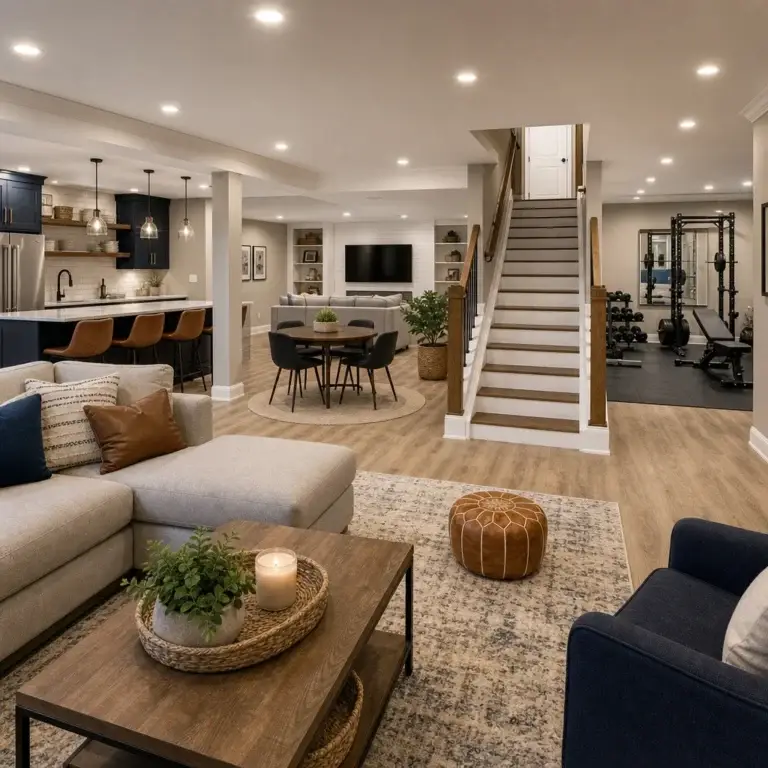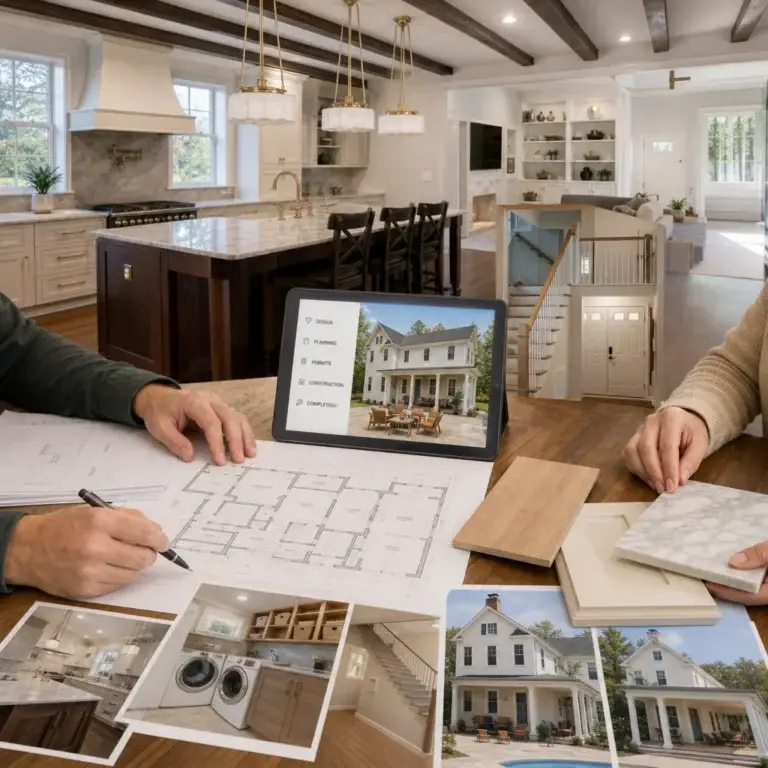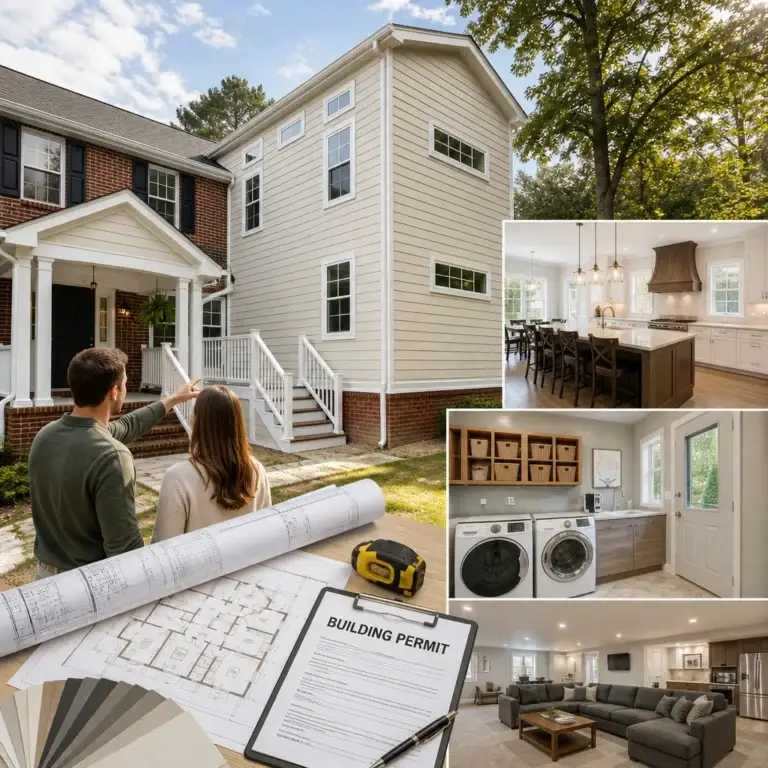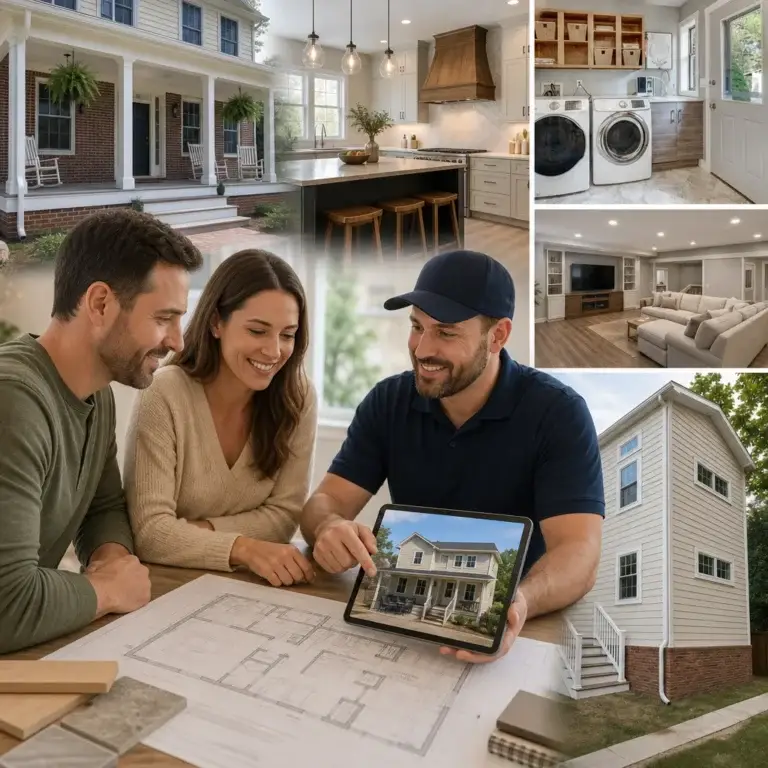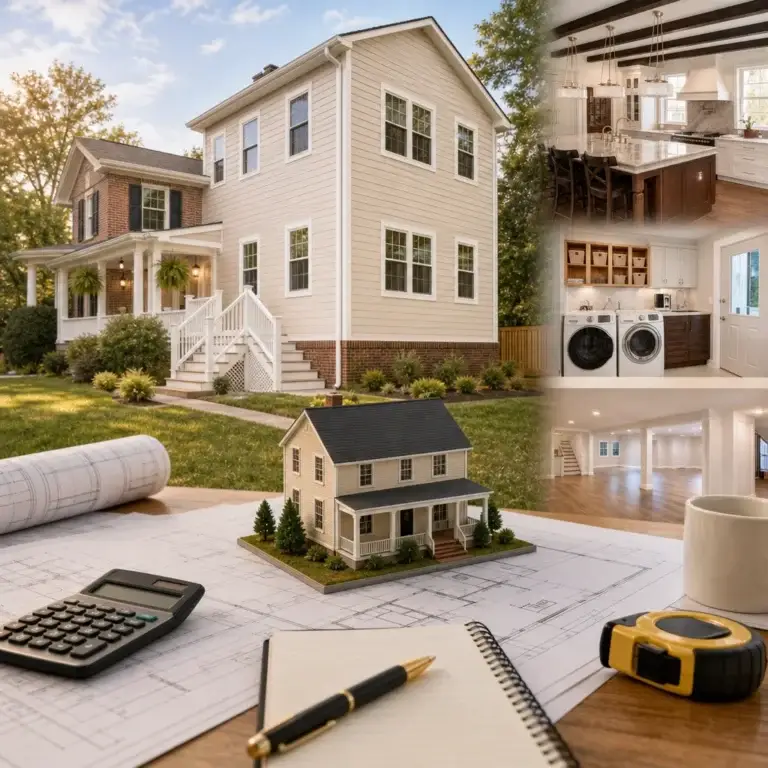
Last Tuesday, a homeowner in Reston realized their dream theater room would cost $12,500 more than expected because they hadn’t accounted for Fairfax County’s updated 2026 HVAC ventilation standards. It’s a common story that highlights why understanding the true cost to finish a basement in Fairfax County is the first step toward avoiding a remodeling nightmare. You likely already know that a basement project is a major investment. The fear of hidden fees or failing a surprise egress inspection can make the process feel overwhelming rather than exciting.
We believe your home transformation should be a stress-free partnership built on honesty and precision. In this guide, you’ll discover the real-world 2026 pricing for high-end finishes, current permitting requirements, and how to verify if your existing electrical panel can handle a new luxury suite. We’ll break down everything from basic 800-square-foot layouts to premium walk-out designs so you can plan your budget with total confidence and peace of mind.
Key Takeaways
- Learn the latest 2026 market benchmarks to accurately estimate the cost to finish a basement in Fairfax County, ensuring your budget aligns with current Northern Virginia labor and material trends.
- Navigate the Fairfax County Land Development Services (LDS) fee structure and understand why mandatory safety features like egress are essential, non-negotiable budget items.
- Identify how existing “rough-in” plumbing and HVAC capacity can save you thousands or necessitate critical system upgrades before construction begins.
- Discover how the design-build model eliminates “remodeling nightmares” by combining elite material choices with a clear, detailed scope of work for maximum ROI and peace of mind.
2026 Cost Benchmarks for Fairfax County Basement Finishing
Starting a renovation in Northern Virginia requires a clear understanding of the current economic climate. In 2026, labor shortages and specialized material costs continue to shape the local market. The average cost to finish a basement in Fairfax County reflects the high standards of local building codes and the premium placed on skilled craftsmanship. We see homeowners prioritizing long-term value and professional project management to avoid the common pitfalls of DIY or cut-rate contracting.
It’s vital to distinguish between a simple finishing project and a full-scale remodel. Finishing typically involves transforming a concrete shell into a livable space with walls, ceilings, and floors. Remodeling often requires structural changes, moving utility lines, or altering the footprint. Both paths require a significant investment in a region where permit fees and trade labor rates remain among the highest in the country.
The Per-Square-Foot Reality in Northern VA
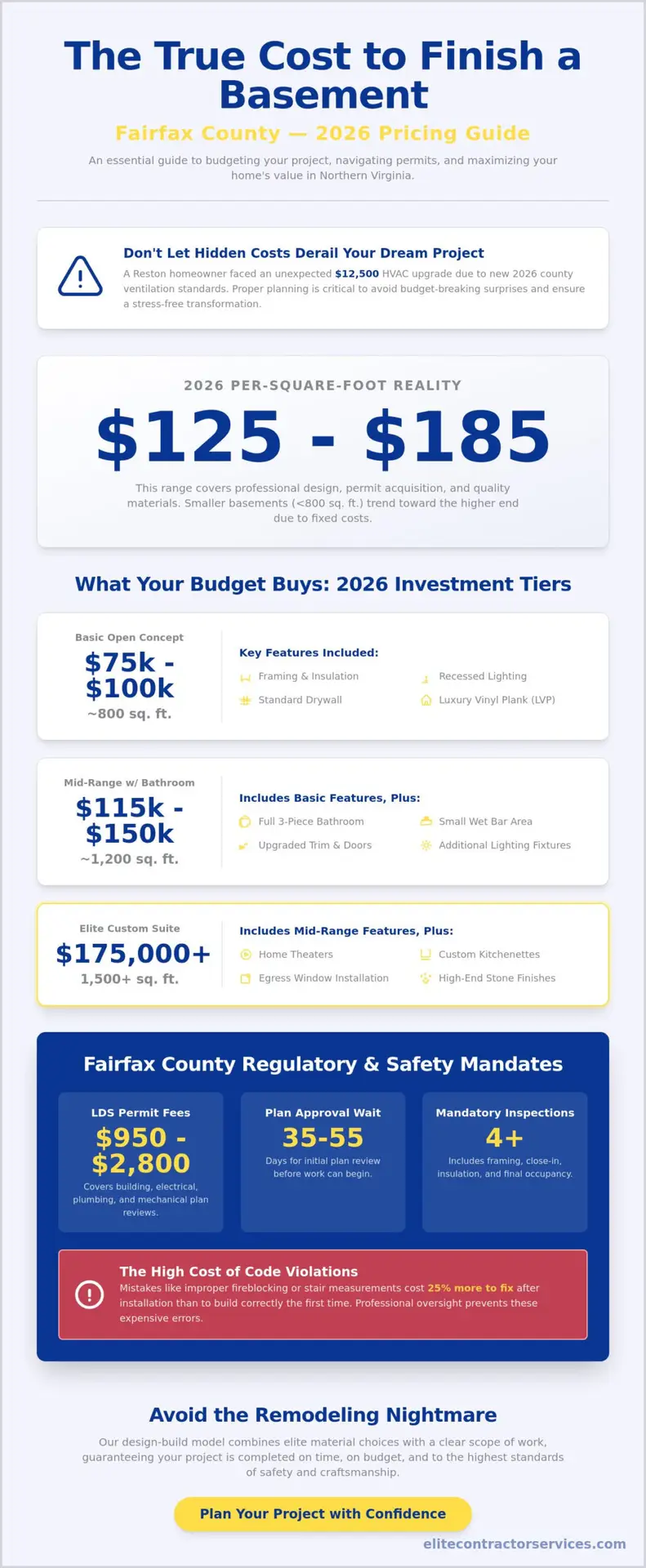
Homeowners should anticipate spending between $125 and $185 per square foot for a standard project in 2026. This range covers professional design, permit acquisition, and quality materials. Smaller basements often see a higher cost per square foot because fixed expenses, like mobilization and architectural plans, are spread over less area. A 600-square-foot space might lean toward the $185 mark, while a 1,500-square-foot project benefits from economies of scale. Understanding the fundamentals of Basement construction and design is vital because factors like moisture barriers and structural integrity are non-negotiable in Fairfax County’s varied soil conditions.
Total Investment Tiers: What Your Budget Buys
The scope of your project determines the final price. We’ve broken down the 2026 investment tiers based on current material pricing and labor data for the Fairfax, Reston, and Vienna corridors.
- Basic Open Concept ($75,000 – $100,000): Typically covers an 800-square-foot area. This includes framing, insulation, drywall, recessed lighting, and durable luxury vinyl plank (LVP) flooring.
- Mid-Range with Bathroom ($115,000 – $150,000): Standard for a 1,200-square-foot layout. This budget adds a three-piece bathroom, a small wet bar, and upgraded trim packages.
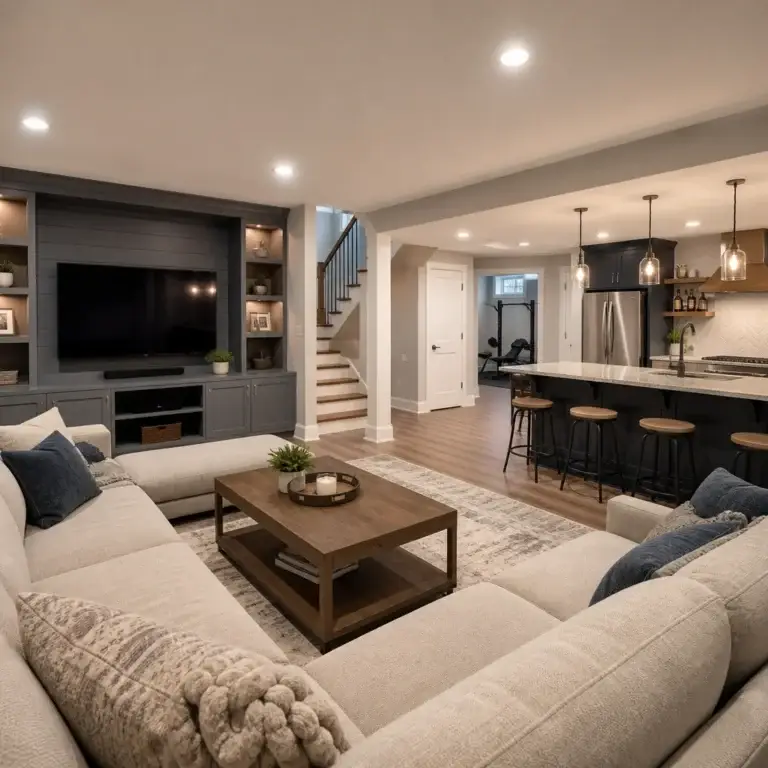
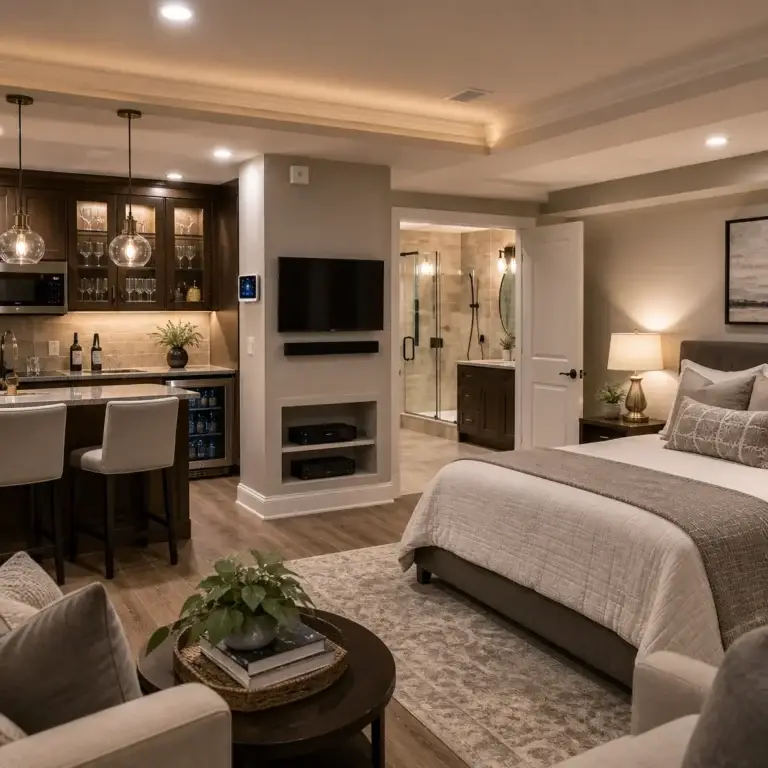
- Elite Custom Suite ($175,000+): Designed for 1,500+ square feet. These projects feature home theaters, custom kitchenettes, egress window installations, and high-end stone finishes.
The cost to finish a basement in Fairfax County is an investment in your home’s equity. Choosing a partner who understands the local regulatory environment ensures your project stays on track and meets the high standards your home deserves.
Whether you are in Northern Virginia or researching international models for cost-efficient home improvements, companies like Direct Renovation Contractor Singapore demonstrate how a direct-to-homeowner approach can streamline the process and maximize the value of your renovation budget.
Fairfax County Regulatory Costs: Permits, Egress, and Safety
Building codes in Northern Virginia are some of the most stringent in the country. When calculating the cost to finish a basement in Fairfax County, you have to account for the Land Development Services (LDS) fee schedule. In 2026, permit fees for a standard 1,000-square-foot basement typically range from $950 to $2,800. This isn’t just a flat tax; it covers the administrative review of your building, electrical, plumbing, and mechanical plans. Skipping these permits might save money upfront, but it creates a “remodeling nightmare” when you try to sell your home and find the work isn’t legally recognized.
Safety requirements drive a significant portion of your regulatory budget. Fairfax County is located in a high-risk radon zone. Because of this, the 2026 code mandates specific mitigation or testing protocols for finished living spaces. While these safety measures add to the bottom line, the Cost vs. Value Report highlights that fully permitted, code-compliant basements offer a much higher return on investment than unpermitted spaces. We handle the entire “permit nightmare” for you, acting as your project partner to ensure every inspection pass is guaranteed.
Fairfax County Basement Permits & Inspections
The LDS review process is thorough. In 2026, homeowners should plan for a 35 to 55-day wait for initial plan approval. You’ll need to pass at least four major inspections: framing, close-in (trades), insulation, and the final certificate of occupancy. Common code violations, such as improper fireblocking or incorrect stair rise and run measurements, can lead to expensive mid-project corrections. These mistakes often cost 25% more to fix after the fact than to install correctly the first time. Our team ensures your basement design meets every local requirement before the first nail is driven.
Egress Windows and Exterior Access Requirements
Safety is a non-negotiable budget item. If you’re adding a bedroom, Fairfax County code requires a dedicated egress window. Even for general living areas, a secondary means of escape is often mandatory. The cost to install a new egress system usually falls between $5,000 and $15,000. This price depends on whether we’re enlarging an existing window or cutting through a thick concrete foundation. A proper installation includes:
- Diamond-blade concrete wall sawing
- A code-compliant window well with an integrated ladder
- Tied-in drainage systems to prevent basement flooding
- High-efficiency, weather-sealed egress windows
Proper drainage is vital. Without it, your window well acts as a collection basin during heavy Northern Virginia rainstorms. We prioritize these structural details to protect your investment and your family’s safety.
High-Impact Cost Drivers: Plumbing, HVAC, and Electrical
The total cost to finish a basement in Fairfax County often hinges on what’s happening behind your drywall. While flooring and paint are visible, the mechanical “guts” of the project represent the most significant variable in your budget. If your home was built after 2005, you might have a “rough-in” already in place. This pre-installed plumbing for a future bathroom can save you $3,000 to $5,000 by eliminating the need to jackhammer through your concrete slab to reach waste lines.
Beyond the pipes, your electrical service demands a close look. Modern basement upgrades like home theaters or kitchenettes frequently push a standard 100-amp panel to its limit. Upgrading to a 200-amp service, known as a “heavy-up,” typically adds $2,500 to $4,000 to your bottom line. You’ll need to account for these technical updates when reviewing Fairfax County building permit requirements, as all electrical and plumbing work must meet current safety codes to pass inspection. These regulations ensure your home remains safe and your cost to finish a basement in Fairfax County stays predictable by avoiding failed inspections.
Plumbing and Bathroom Additions
Adding a full bathroom is a top value-add, but the logistics dictate the price. If we have to break concrete to install new waste lines, expect labor costs to rise by 25%. High-end finishes also move the needle. A custom steam shower or heated tile floors can add $4,500 to $8,000 to a standard bathroom build. If you’re planning a wet bar, remember that a dedicated 20-amp circuit for a microwave or wine fridge is a requirement, not an option, which impacts your electrical labor costs.
The Hidden Costs of Comfort: HVAC & Insulation
Northern Virginia’s humidity makes climate control a priority. We often find that existing HVAC systems can’t handle an additional 1,000 square feet of living space without straining the compressor. Installing a ductless mini-split system provides independent temperature control for about $4,500 to $6,000. For insulation, Fairfax County requires a minimum R-15 for continuous basement wall insulation. We recommend closed-cell spray foam for its superior moisture barrier properties; it protects your investment from the 40+ inches of annual rainfall we see in the region. For home gyms or theaters, adding Rockwool soundproofing between joists is a smart $1,500 to $2,500 upgrade that prevents noise from traveling to the bedrooms above.
Design Tiers: Comparing Standard vs. Elite Finishes
Choosing your finish level represents the biggest variable in the total cost to finish a basement in Fairfax County. A standard finish creates a clean, usable space; however, an elite finish transforms the lower level into a seamless extension of your upper floors. In 2026, we see 65% of Fairfax homeowners opting for Luxury Vinyl Plank (LVP) due to its 100% waterproof rating. While LVP costs roughly $7 to $10 per square foot installed, elite projects often utilize engineered hardwood or large-format porcelain tile. These premium options push budgets higher but provide a sophisticated aesthetic that LVP cannot match.
Ceiling height and access also dictate your investment. Standard basements often use drop ceilings for easy pipe access, but they immediately signal “basement” to potential buyers. Drywall ceilings are the hallmark of high-end design. They require strategic access panels for shut-off valves, yet they provide a finished look that mirrors the rest of your home. Lighting follows a similar trajectory. Instead of basic 6-inch recessed cans, elite designs incorporate layered lighting. This includes 4-inch LED gimbal lights, under-cabinet puck lights for bars, and perimeter cove lighting to eliminate dark corners.
Custom millwork defines the luxury tier. Adding a built-in entertainment center or a custom library wall typically adds $8,000 to $15,000 to a project. These features aren’t just for show. They provide permanent storage solutions that increase the appraised value of your property.
Material Selection and Price Volatility
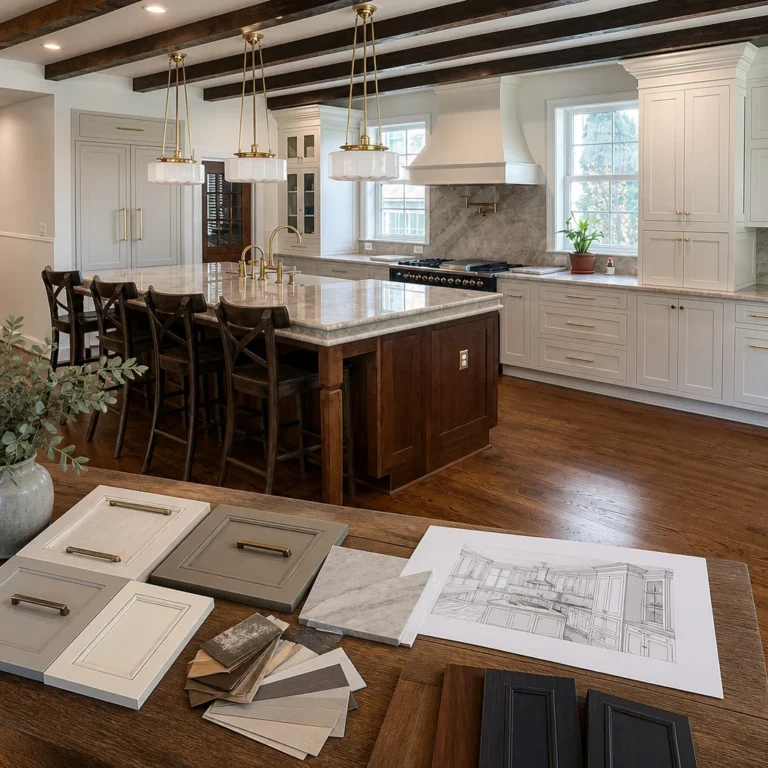
In 2026, supply chain stability has improved, but specialized materials still see price fluctuations. Just as selecting the right indoor finishes is crucial, homeowners looking to expand their living space outdoors should consult resources from Al-Pro Construction LLC regarding climate-specific materials. Quartz remains the dominant choice for basement bars, appearing in 92% of our high-end builds because it’s non-porous and resists wine stains. For cabinetry, the jump from stock to custom is significant. Stock cabinets might cost $250 per linear foot, while custom cherry or walnut units can exceed $900. We recommend semi-custom options for the best balance of “Elite” looks and budget management.
Functional Upgrades for Real Estate Value
Modern basements must work harder than they did five years ago. A dedicated home office now yields a 70% return on investment in the Northern Virginia market. Many clients are also requesting Accessory Living Units (ALU) to accommodate multi-generational living. These require specific plumbing permits and separate kitchenettes. Don’t forget the digital infrastructure. Integrating mesh Wi-Fi nodes and Cat6e wiring during the framing stage ensures your concrete-walled basement doesn’t have “dead zones” for streaming or remote work.
The Elite Advantage: Maximizing ROI and Minimizing Stress
Finishing a basement is a major financial decision. In Fairfax County, where property values are projected to rise by 4.2% through late 2026, the quality of your renovation directly dictates your long-term return on investment. We don’t just build walls; we create functional square footage that enhances your lifestyle. Many homeowners fear the “remodeling nightmare” characterized by ballooning costs and disappearing contractors. Our team eliminates those risks. By providing a detailed scope of work and a clear, fixed-price contract, we ensure the cost to finish a basement in Fairfax County remains predictable from the first day of demolition.
Elite Contractor Services prioritizes timeline management to keep your life on track. We’ve optimized our logistics to maintain a 98% on-time completion rate, even with the complex permitting requirements of Northern Virginia. Transforming your vision into a stunning reality requires more than just labor; it requires a dedicated partner who respects your budget and your home.
Partnering with a Design-Build Firm
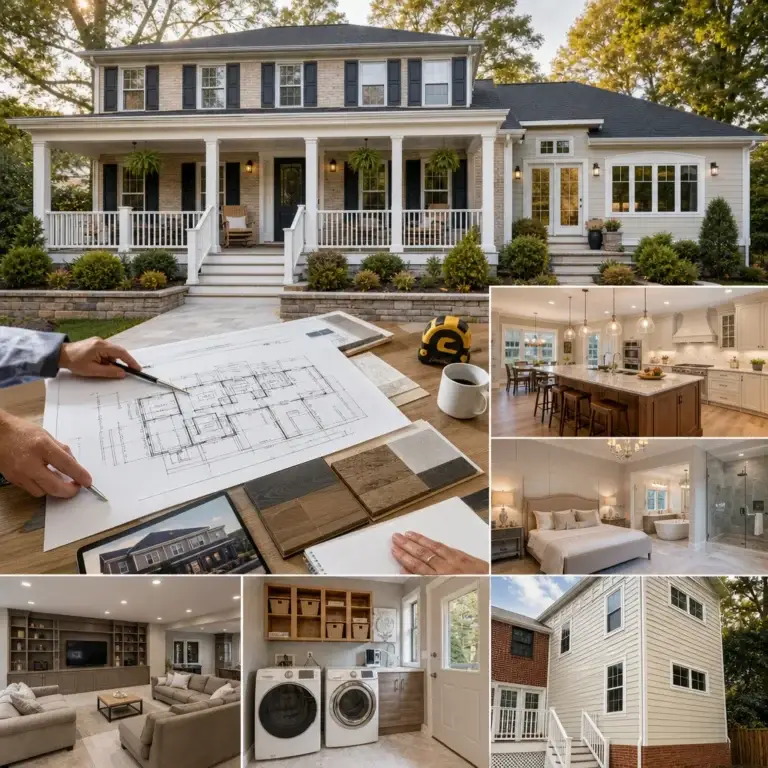
Traditional remodeling often fails because the architect and the builder operate in silos. Our Design-Build model integrates both roles under one roof. This synergy prevents expensive change orders that typically add 15% to 20% to a project’s final bill. You’ll see a 3D rendering of your space before we ever swing a hammer, allowing for adjustments when they’re still free. Beyond the blueprints, the “Elite” promise means we treat your home with total respect. We maintain clean worksites and implement strict dust-containment strategies to ensure minimal disruption to your family’s daily routine. Learn more about our Design-Build process and how it streamlines your project.
Next Steps: Your Fairfax Basement Transformation
Ready to turn that cold concrete into a high-end guest suite or a custom home theater? Preparation is the best way to start. Before your initial consultation, list your “must-have” features versus your “nice-to-have” luxuries. It’s helpful to have a rough idea of your total investment limit so we can design to your price point. When interviewing any basement finishing contractor, ask about their specific experience with Fairfax County’s 2026 building codes and current permit lead times.
We recommend asking: “How do you handle unexpected structural discoveries?” and “What is your daily communication protocol?” Don’t settle for vague, back-of-the-napkin estimates that lead to stress and legal headaches later. Schedule your free basement estimate today! and let’s discuss how to optimize the cost to finish a basement in Fairfax County for your specific property.
Secure Your 2026 Basement Vision Today
Navigating the 2026 market requires a clear understanding of how material shifts and local regulations impact your bottom line. The cost to finish a basement in Fairfax County involves more than just square footage; it encompasses vital safety requirements like egress windows and specialized HVAC zoning. By choosing a design-build partner, you eliminate the friction of managing multiple vendors and ensure your project stays on schedule. Our team brings award-winning expertise and a reputation for excellence directly to your doorstep. We’re licensed and insured Northern Virginia professionals who prioritize your peace of mind throughout the entire build. Don’t let the complexity of permits or plumbing rough-ins stall your progress. You deserve a space that reflects your lifestyle while adding significant value to your property. We’ve helped hundreds of Fairfax County families turn underutilized lower levels into stunning, functional living areas. It’s time to stop dreaming and start building a legacy for your home.
Start Your Stress-Free Basement Transformation Today
We’re ready to help you create a space you’ll love for years to come.
Frequently Asked Questions
Is a permit required to finish a basement in Fairfax County?
Yes, you must obtain a residential permit from Fairfax County Land Development Services before starting any work. The county requires these permits for any project that adds walls, electrical wiring, or plumbing to a previously unfinished space. Our team manages the entire application process to ensure your design meets the 2024 Virginia Residential Code. This formal approval protects your safety and prevents legal issues when you eventually sell the property.
How much does an egress window cost to install in Fairfax?
You should budget between $6,000 and $9,500 for a professional egress window installation in Northern Virginia. This price covers the excavation, the window unit, a code-compliant window well, and the necessary structural header reinforcements. Since Fairfax County laws require at least one emergency exit in any habitable basement bedroom, this is a non-negotiable safety feature. It’s a vital investment that brings your lower level up to modern safety standards.
Does a finished basement increase home value in Northern Virginia?
A finished basement provides a strong return on investment, typically recouping 70% to 75% of its cost in the local real estate market. Local appraisers generally value finished below-grade space at roughly 50% of the price per square foot of above-grade living areas. Beyond the raw numbers, a high-end basement makes your home much more competitive. It often reduces the time a property stays on the market by 14 days compared to homes with unfinished levels.
What is the average timeline for a basement finishing project?
Most basement projects take between 8 and 12 weeks to complete from the day we break ground. This timeline accounts for the three stages of inspections required by county officials. The first three weeks focus on framing and rough-ins, followed by drywall and painting. We dedicate the final two weeks to flooring, trim, and final punch list items. We provide a detailed schedule upfront so you can plan your family’s life around the construction phases.
Do I need to upgrade my electrical panel for a finished basement?
You’ll likely need an upgrade if your current electrical panel is 100 or 150 amps and already full. A typical finished basement adds 6 to 10 new circuits for lighting, outlets, and appliances. If your panel lacks physical space or total amperage, a heavy-up to 200 amps costs approximately $2,500 to $4,200. We evaluate your load capacity during the design phase to prevent any mid-project power failures or safety hazards.
Can I finish my basement if it has previous water damage?
You can finish a basement with previous water damage, but you must resolve the moisture source first. We require a 100% dry environment before installing any studs or insulation. This might involve installing a dual-pump sump system or interior French drains, which adds $5,000 to $12,000 to the total cost to finish a basement in Fairfax County. Addressing these issues now prevents mold growth and protects your renovation for the next 20 years.
How much does it cost to add a bathroom to a basement in 2026?
Adding a full bathroom to your basement in 2026 typically costs between $18,000 and $28,000. If your home was built with “rough-in” plumbing already in the slab, you’ll save about $3,500 in labor costs. Without rough-ins, we have to jackhammer the concrete floor to install new drain lines. This price includes mid-range fixtures, waterproof flooring, and a standard vanity. It’s one of the most effective ways to increase your home’s functionality and resale value.
What is the difference between a basement remodel and basement finishing?
Basement finishing refers to transforming a raw, concrete space into a livable room with walls, ceilings, and floors. A basement remodel involves updating or changing an area that’s already finished. The total cost to finish a basement in Fairfax County is usually higher because it requires full electrical, HVAC, and insulation installs. Remodeling might just focus on aesthetic updates like new cabinets or lighting. Both options significantly improve your home’s usable square footage and daily comfort.